








Introduction:When brewing espresso at home without a professional distribution tool, can a toothpick really serve as a temporary substitute? This article presents three comparative tests to analyze the extraction stability and flavor differences of espresso when using a toothpick, a professional distribution needle, or no tool at all. It also explores the origin and proper usage of the needle distribution technique (WDT), offering practical advice for home coffee enthusiasts.
Creating a stable shot of espresso heavily depends on the distribution process. When static electricity in the grinder causes coffee grounds to clump, it can lead to channeling and uneven extraction. A distribution needle is a tool many baristas use to break up clumps and evenly distribute the coffee bed. But what if you don’t have such a tool at home? Someone asked: can a toothpick be used as a substitute? In a case from a humid region using the Warm Sun blend as an example, a three-group test was conducted: no distribution tool, using a professional distribution needle, and stirring with a toothpick—observing their impact on extraction performance.
【Image location: 】
The origin of the distribution needle can actually be traced back to 2005, when a user named John Weiss invented it. At the time, he was using a home grinder and noticed severe clumping of coffee grounds, with static electricity affecting extraction stability. He tried using a thin needle to break up the clumps in the coffee bed, improving flow rate and extraction evenness. This technique later became known as WDT (Weiss Distribution Technique). Though it seems simple, using it correctly can indeed effectively enhance extraction quality.
【Image location: 】
To simulate real-world conditions, the experiment used the Warm Sun blend, which tends to clump easily in humid weather. The extraction parameters were fixed as follows:19.8 grams of coffee grounds,extracting 38 grams of espresso within 26 seconds. The three test groups were: Group 1 with no distribution tool, Group 2 using a professional needle distributor, and Group 3 manually stirring with a toothpick. Observations were made on the coffee grounds distribution in the portafilter and the behavior of the espresso stream to compare the differences among the three.
The test found that the shot without any tool exhibited slight left-right wobbling in the stream andtwice experienced concentrated spraying due to channeling, indicating uneven puck density. The group using the professional distribution needle showed a stream that emerged almost simultaneously from the bottom of the portafilter, centered and stable without deviation, demonstrating the best extraction consistency. The toothpick group did not completely eliminate channeling, but only slight wobbling occurred in the latter part of the stream, with stability between the other two.
【Image location: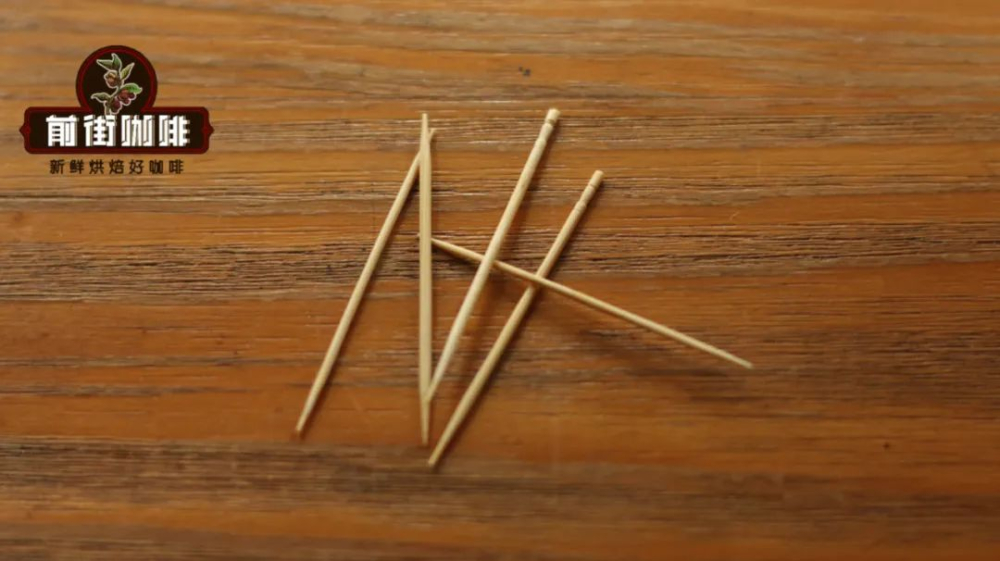 】
In terms of flavor, all three shots displayed prominent sherry notes and caramel sweetness. The shot without any tool had a slightly noticeable bitterness in the aftertaste; the one using the distribution needle had a well-balanced acidity and bitterness, smooth overall with no off-flavors; the toothpick group also showed some improvement, with less bitterness than the first shot but still slightly behind the distribution needle group. Additionally, these three shots were each mixed with 250ml of cold water to make iced americano for a blind taste test, where most participants could not clearly identify which method was used for each cup.
This shows that a distribution needle can indeed effectively improve the evenness of espresso extraction, especially when dealing with noticeably clumped coffee grounds. While a toothpick is not an ideal choice, it can still provide some assistance in the absence of professional tools—particularly serving as a viable temporary solution for home users. However, if the coffee grounds are in good condition or the espresso is only used for daily milk-based drinks, the benefits of using a distribution needle may not be significant.
Additionally, in a café operating environment, efficiency is usually the top priority. The extraction time for each espresso is already limited, and using a distribution needle might slow down service speed, so many shops choose not to include this step in their bar workflow. But for coffee enthusiasts pursuing the ultimate extraction quality, WDT remains a technique worth learning and practicing.
【Image location: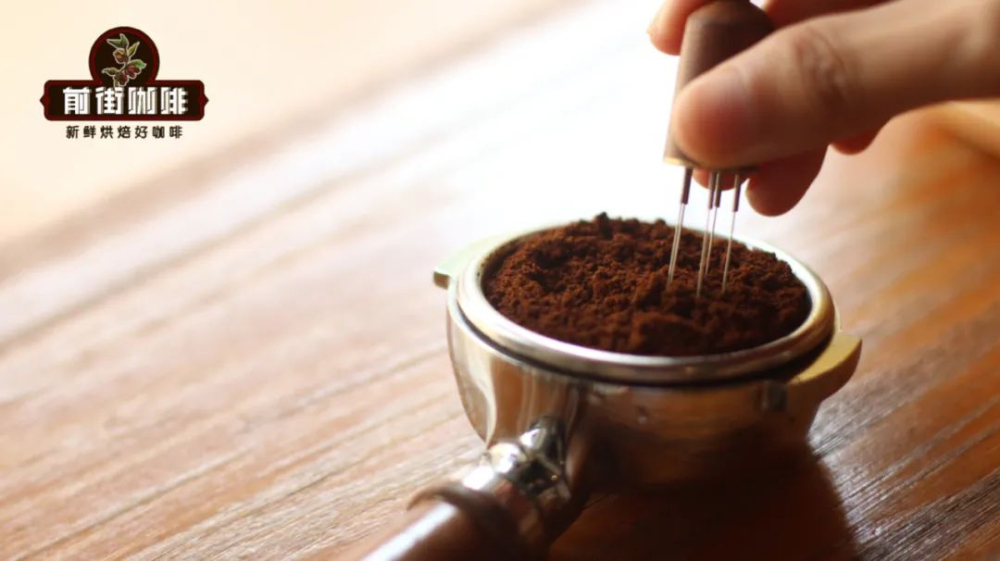 】
In summary, can a toothpick take the place of a distribution needle? The answer is:it can serve as a temporary substitute in emergencies, but its effect is still inferior compared to professional tools. If you frequently encounter issues with clumped coffee grounds, investing in a simple needle distributor can help improve the stability and overall flavor performance of your home espresso. The key to using a distribution needle correctly lies not only in the tool itself but also in evenly stirring the coffee layer and avoiding excessive disturbance to the puck structure to achieve optimal extraction results.
The above content is compiled by CoffeeHunters, a coffee news website.


