








Introduction:Have you ever been puzzled by seeing coffee bean names like “Bach” or “Mozart” on a café menu? In fact, the naming of specialty coffee beans carries a wealth of information — from the origin, processing method, and variety to competition awards, any of these could become part of the bean’s name. This article delves into the various naming conventions of specialty coffee beans around the world, helping you understand the beans better, choose more wisely, and no longer feel confused when ordering.
When you walk into a specialty coffee shop and look at the diverse range of coffee bean names on the menu, many people might be instantly baffled: “Bach” and “Mozart” are clearly the names of musicians — how did they end up on a coffee bean menu? In reality, the name of each coffee bean represents its unique origin, variety, processing method, or even competition award history. Understanding these naming logics allows you to select the flavors you prefer more accurately and appreciate the diverse facets of coffee more deeply.

Looking back to earlier times, the naming of coffee beans was relatively simple, often based on the country of origin, the producing region, or the export port — familiar examples include “Colombia,” “Java (Indonesia),” “Mocha,” and even “Blue Mountain.” At that time, the market didn’t place much emphasis on coffee traceability, and consumers were more focused on origin rather than details. With the rise of the specialty coffee concept, consumers began to pursue a more definitive “sense of place,” and the way coffee beans are named has evolved accordingly, becoming more diverse and information-rich.
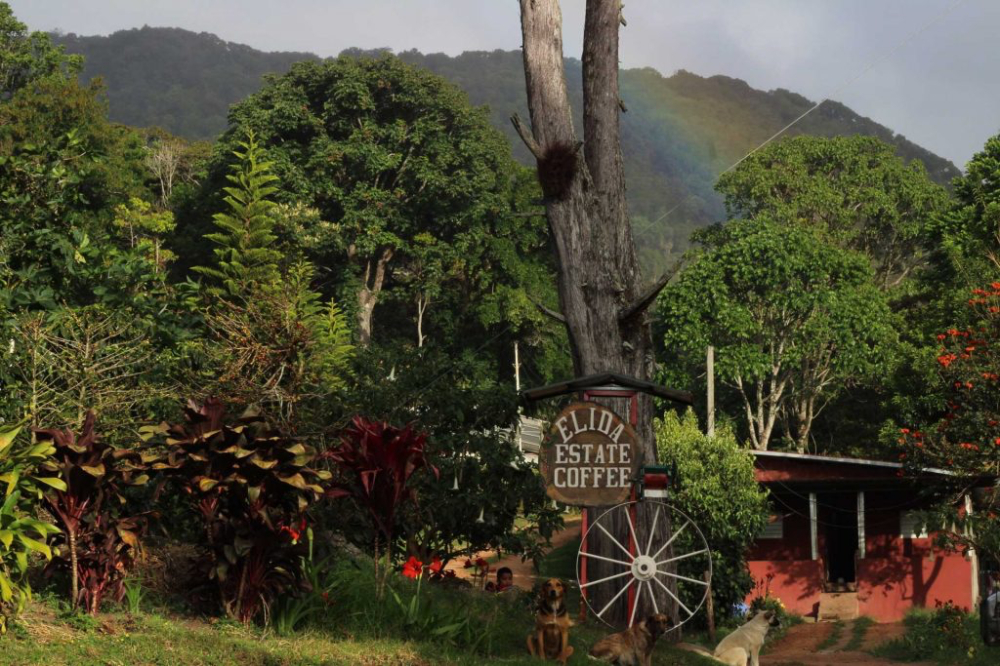
In the era of specialty coffee, many consumers are no longer satisfied with vague regional information; they hope to trace the origin more precisely, such as a specific village, processing mill, or even a single estate. For instance, within the well-known region of “Yirgacheffe,” more distinctive names like the Gedeb Cooperative or Konga Cooperative have emerged. At the same time, many coffee farmers or traders have begun investing in establishing their own coffee estates, taking charge of the entire process from planting, harvesting, processing to sales. The beans produced by these estates are naturally named after the estate, such as Panama’s Emerald Estate or Elida Estate.

To encourage coffee farmers to improve quality, many coffee-producing countries regularly hold green bean evaluation competitions. Through expert judging panels and rigorous cupping standards, the highest-quality green beans of the year are selected. These competitions not only recognize coffee quality, but award-winning beans are often named after their competition ranking, becoming star products in the market. The most well-known competitions include Panama’s BOP (Best of Panama), the COE (Cup of Excellence) in the Americas, and the TOH (Taste of Harvest) in Africa. For example, the TOH champion beans we once introduced were the 2020 washed category winner.
Beyond green bean competitions, the more visually engaging barista professional competitions are also an important platform for promoting the visibility of specific coffee beans. Competing baristas often collaborate with well-known estates to select distinctive green beans, aiming to showcase unique brewing flavors. On the competition stage, through exceptional skills and flavor descriptions, they help judges and audiences gain a deeper understanding of the bean’s characteristics. For instance, Li Jianfei, the runner-up in the China Barista Championship, used the 2017 TOH Natural Category Champion bean — from Ethiopia’s Hambela — during the World Barista Championship that year (later referred to in the market as “Huakui”), successfully defeating the then-popular Geisha. Due to yearly climate variations, subsequent harvests of that batch continued to use the name “Huakui,” distinguished by “Huakui X.0.” However, it’s worth noting that the name “Huakui” is more commonly used in the Chinese market; if looking for the same beans in other countries, it’s recommended to search directly for “Buku Abel Processing Mill.”
Some coffee beans are named directly after their variety, emphasizing the uniqueness of their genetics — for example, the globally popular “Geisha (Geisha)” and the increasingly notable “Sidra (Sidra).” Additionally, some beans are named after specific projects or initiatives, such as the “Yirgacheffe Natural Red Cherry” — a natural-process batch from Ethiopia’s “Red Cherry Project.” Such naming often allows consumers to immediately grasp the story and characteristics behind the bean.
Moreover, some names originate from historical misunderstandings or market conventions. For example, Indonesia’s “Mandheling” is not actually the name of an origin or variety, but rather stems from a past misnomer that later became synonymous with coffee from that region. To distinguish different flavor profiles of Mandheling, the market often sees products named after brands or processing features, such as PWN’s “Golden Mandheling” or “Aged Mandheling.”
The processing method of coffee beans also often serves as inspiration for naming, especially when a particular process brings out distinctive flavor characteristics. Examples include “Honduras Sherry Cask Coffee,” which uses whiskey barrels for fermentation, or “Dorothy Coffee,” which exudes a rich white peach and oolong aroma. These names not only spark consumer associations but also intuitively convey the unique flavor direction of the beans.
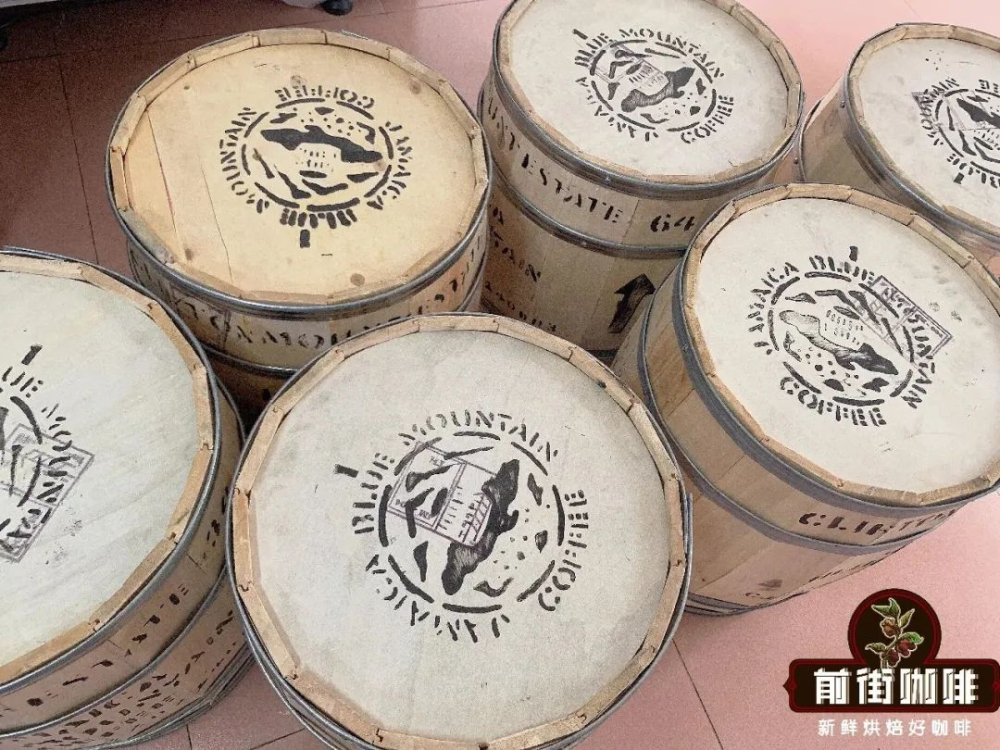
Additionally, some uniquely distinctive or low-yield coffee beans often have their processing methods indicated in the name, and may even include the country’s coffee grading system — for example, “Jamaica Blue Mountain No. 1” or “Kenya Washed AA Grade.” Recently, many renowned estates have also introduced their own grading systems. For instance, Panama’s Emerald Estate “Geisha” is categorized into auction-grade, Red Label, Green Label, and other tiers, offering consumers more choices.
Finally, returning to the original customer question: the musician-named “Bach” and “Mozart” coffee beans actually come from Costa Rica’s Carnet Estate, part of their “Musicians Series.” This series also includes “Beethoven” and “Chopin,” with each representing different flavor profiles and origin stories.
The above content is compiled by CoffeeHunters, a coffee news website.


