







Introduction:Besides the world-renowned Geisha, Panama is also home to many classic varieties worth exploring in depth, such as the historic Typica. This article takes you into Panama’s Boquete region to understand its unique geographical environment and focuses on how Elida Estate, through high altitude and meticulous management, cultivates Typica coffee beans with distinctive flavors. Whether you're a coffee novice or an advanced enthusiast, you can grasp key points in bean selection and tasting from this piece.
When it comes to Panamanian coffee, many people first think of the Geisha variety, which made a sensational debut at the 2005 Best of Panama (BOP) competition. In that competition, Geisha impressed with its extreme floral and fruity notes, refreshing the market’s perception of Central American coffee and elevating Panama to a prominent position among specialty coffee origins. However, Panama’s coffee map is not limited to Geisha. Classic varieties such as Typica and Catuai also demonstrate different levels of flavor potential in this volcanic soil.
Panama is located in the Central American isthmus, with mountainous terrain and dramatic elevation changes. Apart from the narrow coastal plains stretching north to south, most of the country consists of mountains and hills. Situated near the equator, it has a tropical maritime climate with significant day-night temperature variations: warm and humid during the day, cool and pleasant at night, with average temperatures maintained between 23 and 27 degrees Celsius. The climate is distinctly divided into dry and rainy seasons, with annual rainfall of about 1500 to 2500 millimeters. Coupled with fertile volcanic soil, these conditions provide ideal growth environments for coffee trees.
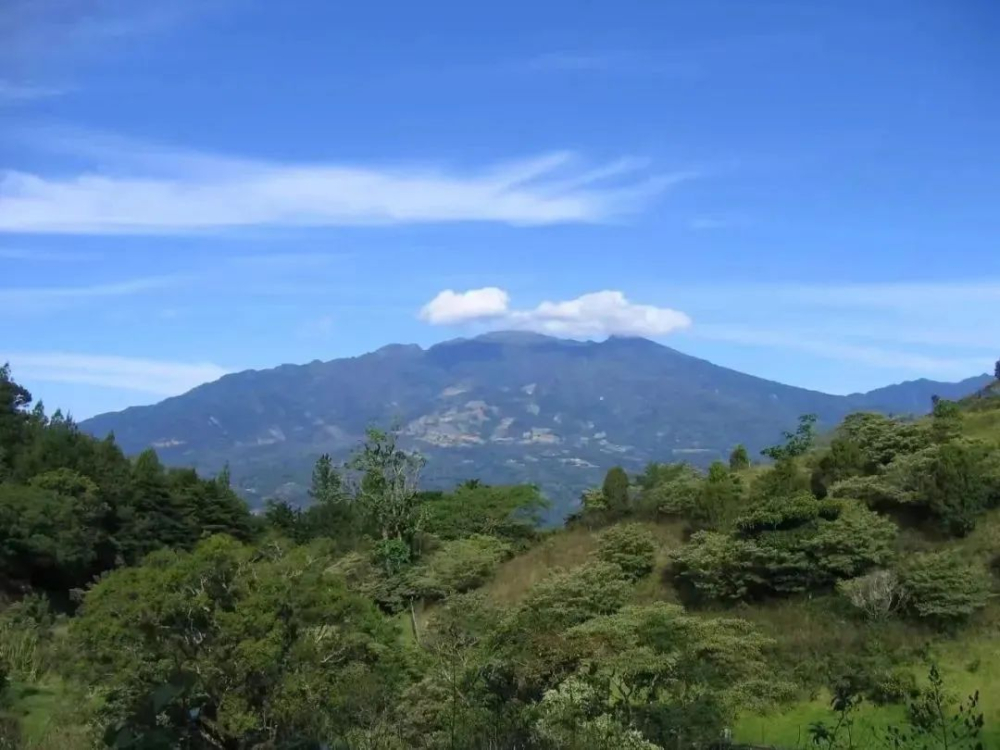
Among the many producing regions, Boquete can be considered the essence of Panamanian coffee. Along with Volcán and Renacimiento, it is one of the country’s three major coffee-growing areas, all located in Chiriquí Province. Boquete is especially well-known, not only because it borders Costa Rica but also due to its fertile soil and unique microclimate.
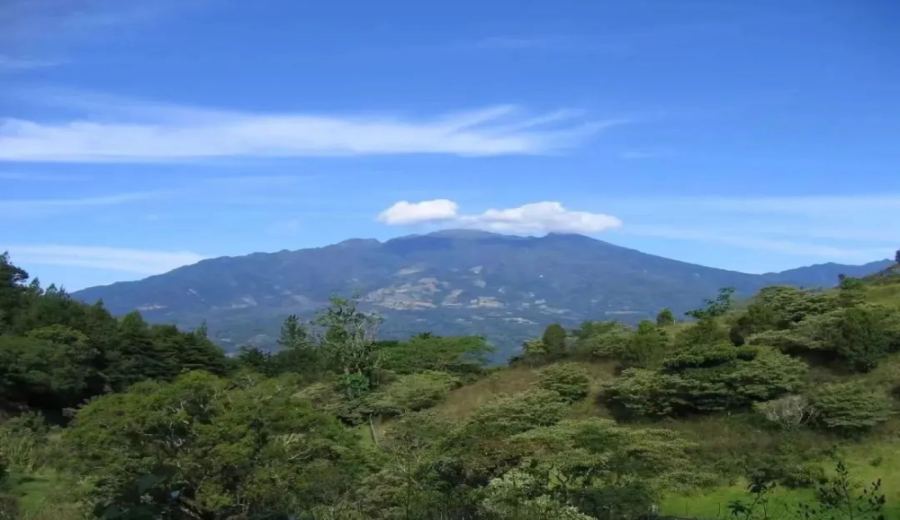
The name Boquete originates from the main city in the area. Influenced by the nearby Volcán Barú, this region has developed a distinctive microclimate. As one of the highest volcanoes in Central America, Volcán Barú runs east-west, causing cold air to accumulate above 1900 meters after passing over the mountain range, forming diverse and stable microclimates. Such an environment creates natural conditions suitable for high-quality coffee cultivation and is also home to many renowned estates, with Elida and La Esmeralda standing out among them.
Speaking of the Boquete region, one cannot overlook Elida Estate. Covering an area of 65 hectares, over half of which lies within the Volcán Barú National Park, only about 30 hectares are actually used for coffee cultivation, with the rest remaining in its pristine forest state—demonstrating a commitment to environmental sustainability. The estate’s coffee is grown at altitudes ranging from 1670 to 1850 meters, making it one of the highest-altitude coffee farms in Panama. In such high-altitude conditions, coffee cherries ripen more slowly, aiding in flavor accumulation. Combined with fertile volcanic soil and a unique microclimate, Elida Estate’s coffee has consistently achieved outstanding results in BOP competitions.
The estate has its own processing facility, located halfway up the mountain, ensuring that harvested coffee cherries can be processed in the shortest possible time to minimize quality loss. Additionally, Elida Estate insists on handpicking, selecting only fully ripe coffee fruits. These cherries typically have higher pulp content and sugar levels, directly influencing the richness and sweetness of the final flavor. Currently, the estate mainly cultivates three varieties: Catuai, Typica, and Geisha, with Typica attracting attention from coffee enthusiasts for its long history and unique flavor characteristics.
Typica is one of the oldest surviving Arabica coffee varieties, with origins traceable to Yemen, later spreading to India and Indonesia, and then entering the Americas via trade routes. This variety features slender, oval-shaped beans that are relatively small in size. It is characterized by low yield and relatively weak disease resistance, but in turn, it offers a purer and more balanced flavor profile. Typica thrives in cool climates, making it well-suited to high-altitude regions like Panama, where it can showcase its best qualities.
In terms of brewing and tasting, Typica typically exhibits bright acidity, medium body, along with delicate sweetness and floral notes. Common flavor descriptions include citrus, stone fruits, caramel, and subtle spicy undertones. For pour over enthusiasts, it is recommended to use a medium-light roast, with a grind size of around medium-fine (such as the medium-fine sugar grain size commonly used in pour over filters), and water temperature controlled between 90 to 93 degrees Celsius. Extraction ratios can follow 1:15 to 1:16, and using methods like pulse pouring or center pouring can better bring out its nuanced layers.
Overall, thanks to its exceptional geographical and climatic conditions, along with the detail-oriented smallholder farming model exemplified by estates like Elida, the Boquete region in Panama allows the classic Typica variety to shine once again in today’s specialty coffee market. If you’re interested in the depth of coffee flavors and the stories behind their origins, try tasting Typica coffee from this volcanic land and experience its unique terroir charm.
The above content is compiled by CoffeeHunters, a coffee news website.


