







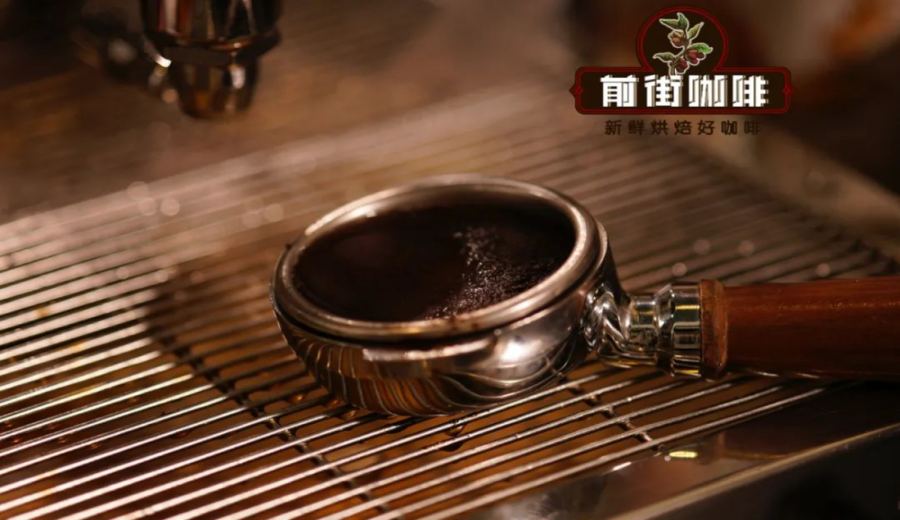
Introduction:Have you ever noticed that after pulling an espresso shot, the puck is soggy and misshapen, with even a pool of water collected at the bottom of the portafilter? This phenomenon not only affects the appearance but also signals potential issues during the extraction process. This article will delve into the causes of portafilter puddling — including factors such as grind size, coffee bean freshness, dose amount, extraction pressure, and machine cleanliness — and offer specific adjustment tips and practical techniques to help you identify the root cause and improve your extraction quality.
When brewing espresso, many coffee enthusiasts often encounter this situation: when you remove the portafilter, you find the puck is not the expected dry and compact puck, but rather wet, mushy, and misshapen, with a noticeable layer of water pooled at the bottom of the portafilter. Such an extraction result not only reduces brewing efficiency but may also indicate that your technique or equipment needs some adjustments.
So why does this portafilter puddling happen? Is it due to an incompatible portafilter, a clogged shower screen, or improper extraction parameters? Next, we’ll explore several common key factors, includingGrind Size,Coffee Bean Freshness,Dose Control,Machine Pressure & Cleanliness, to help you systematically troubleshoot possible causes and thereby improve extraction quality.
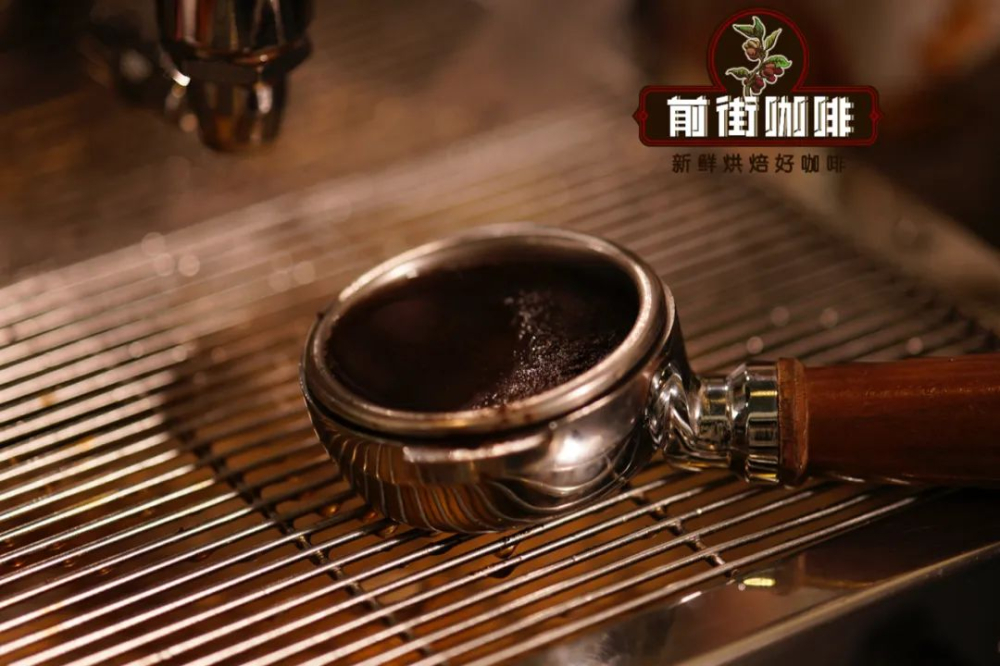
First, grinding too fine is one of the common reasons for portafilter puddling. When coffee grounds are ground excessively fine, the space between particles becomes very small. This leads to significant resistance when hot water under high pressure passes through the coffee bed, preventing water from flowing smoothly and causing some moisture to be trapped inside the puck and not drained in time. As a result, not only does the extraction slow down, but you may also end up with water pooling at the bottom of the portafilter, and the puck becoming soggy or even sticking together.
Typical symptoms include: the pressure quickly spiking to its peak and staying at a high level for a long time, while the coffee liquid drips out extremely slowly, unnecessarily prolonging the overall extraction time. To address this, the most direct solution is to adjust the grind to a coarser setting, allowing water to flow more smoothly through the coffee bed and effectively improving the puddling issue.
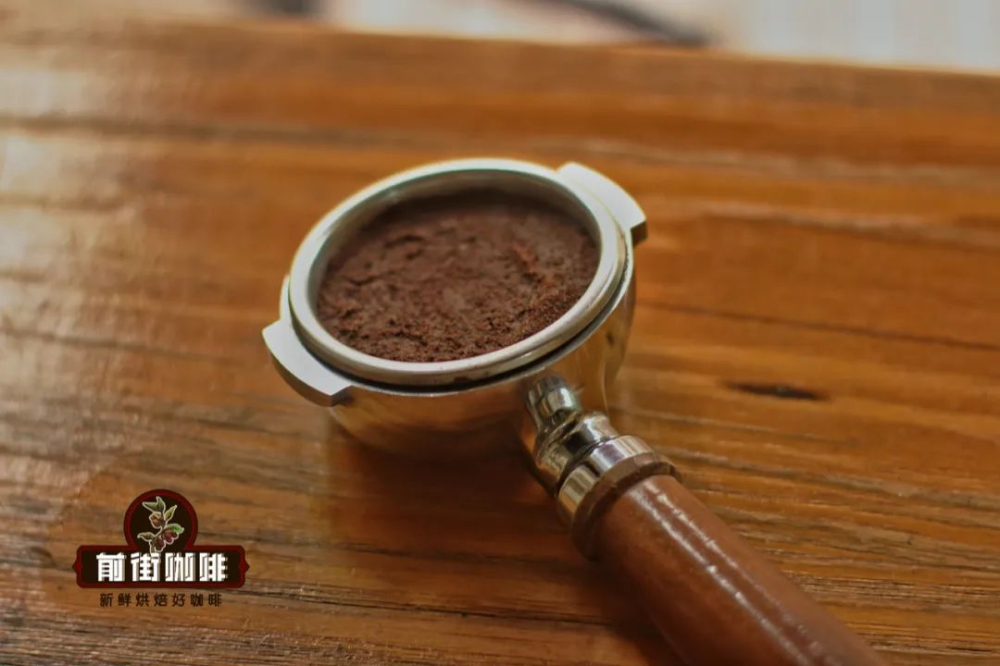
Secondly, the freshness of the coffee beans can also impact portafilter puddling. If you’re using beans that have been roasted for a long time and much of their internal carbon dioxide has already dissipated, the expansion effect during the blooming phase will be less pronounced. This alters how water flows through the coffee bed, which in turn affects flow rate and extraction uniformity.
This is especially true for home users who brew infrequently — if a bag of beans is used over an extended period, you might experience fast flow rates, lack of crema, and even portafilter puddling during extraction. It’s recommended to choose freshly roasted beans and store them properly to help maintain stable extraction and preserve flavor integrity.
Next, dose amount is equally critical. Each type of portafilter is designed with a specific capacity range, and the appropriate dose should be selected according to the portafilter model. If you add too much coffee in pursuit of higher concentration, it may exceed the portafilter’s capacity, leading to restricted water flow, a wet upper puck but a dry lower layer, and possibly leftover coffee grounds on the shower screen that haven’t been fully extracted.
Conversely, if the dose is too low, there will be too much space between the puck and the shower screen. When extraction ends and pressure is released, water can easily get trapped at the bottom of the portafilter and not drain out, resulting in obvious puddling — or even coffee liquid spilling when removing the portafilter.
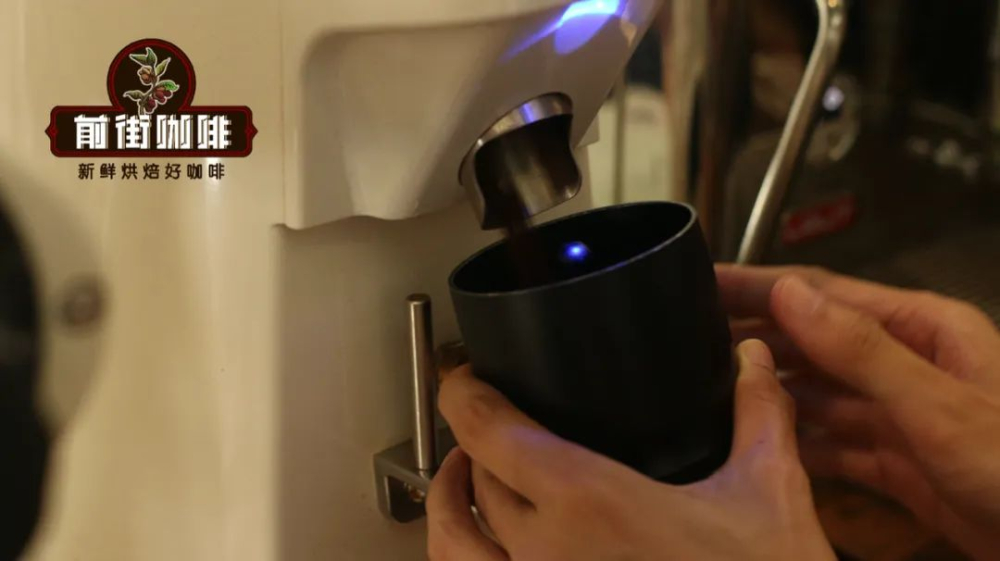
As a general guideline, you can observe the indentation lines on the portafilter as a reference. Once the puck is tamped, if the coffee surface is above the indentation line, the dose is likely too high; if it’s below, the dose may be insufficient. Taking daily practice in the industry as an example, when using a 20g portafilter, baristas aim to keep the dose around 20g or close to it, adjusting grind size as needed, rather than abruptly reducing the dose, to avoid compromising overall extraction performance.
Additionally, cleanliness of the machine’s group head is also an aspect that shouldn’t be overlooked. If it hasn’t been cleaned for a long time or not thoroughly enough, residual coffee grounds may clog the drainage channels, preventing the water inside the portafilter from draining properly after extraction. It is recommended to regularly use a dedicated cleaner to maintain the group head. If the problem persists, further inspection may be needed or you may need to contact a professional for repairs.
Finally, the stability of the espresso machine’s pressure also affects extraction results. If the machine pressure is insufficient or the pressure gauge fluctuates during extraction, it often leads to uneven water flow, improper functioning of the three-way valve, and consequently, a significant amount of water remaining in the portafilter after removing the handle. This is especially common with home machines. It’s advised to regularly check the performance of the machine’s pressure gauge to ensure pressure remains stable during extraction, achieving better extraction outcomes.
The above content is compiled by CoffeeHunters, a coffee news website.


