







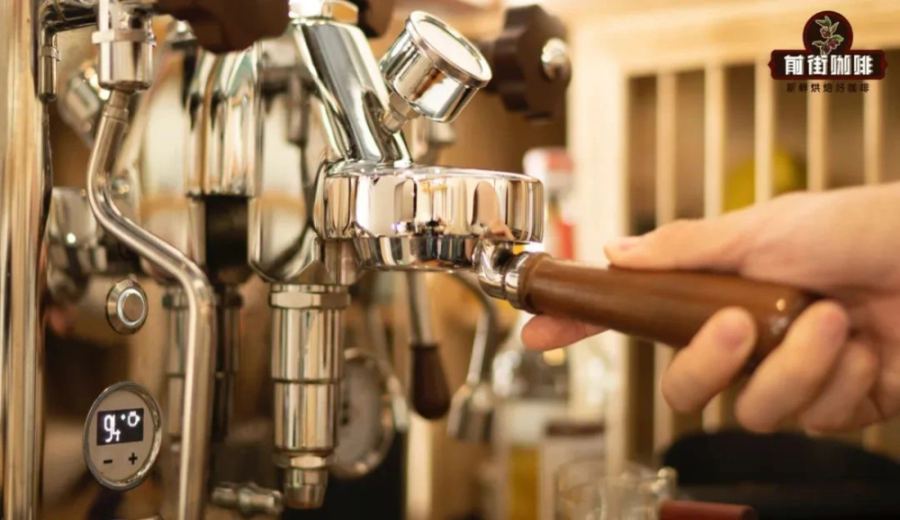
Introduction:When crafting a refined shot of espresso, extraction pressure is a critical yet often overlooked variable. While it’s common knowledge that 9bar is the industry standard, do you know why it’s 9bar and not some other value? This article analyzes the real impact of different pressures—6bar, 9bar, and 11bar—on extraction time, flow rate, and coffee flavor through practical test data, and delves into the reasons why 9bar has become the mainstream setting, helping you adjust extraction parameters more scientifically.
Throughout the espresso extraction process, "pressure" is a parameter often regarded as difficult to master, yet highly influential. Many baristas and enthusiasts are adept at adjusting grind size and brew ratio, but have only a superficial understanding of pressure settings. In reality, pressure not only directly affects extraction efficiency, but also shapes the final mouthfeel and flavor profile of the coffee.
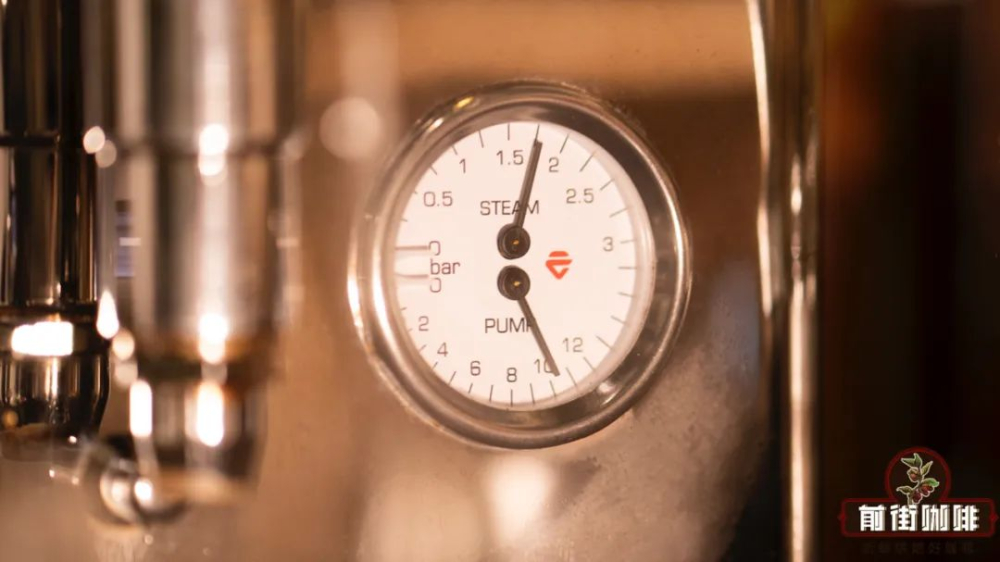
First, we need to clarify a common misconception: many people confuse "pump pressure" with "extraction pressure." In fact, although these two are related, their functions and measurement methods are entirely different.Pump Pressurerefers to the original pressure provided by the internal booster pump inside the espresso machine—that is, the pressure value output by the pump when you press the extraction button; whereasExtraction Pressureis the actual pressure applied to the coffee puck once it’s placed in the portafilter and locked in place—this is the key value that truly influences extraction performance.
Typically, the "9bar" we see on espresso machines refers to the pressure value during this extraction phase. So why do most commercial and home espresso machines set the default extraction pressure to 9bar? To answer this question, let’s take a closer look at the extraction performance under different pressure settings.
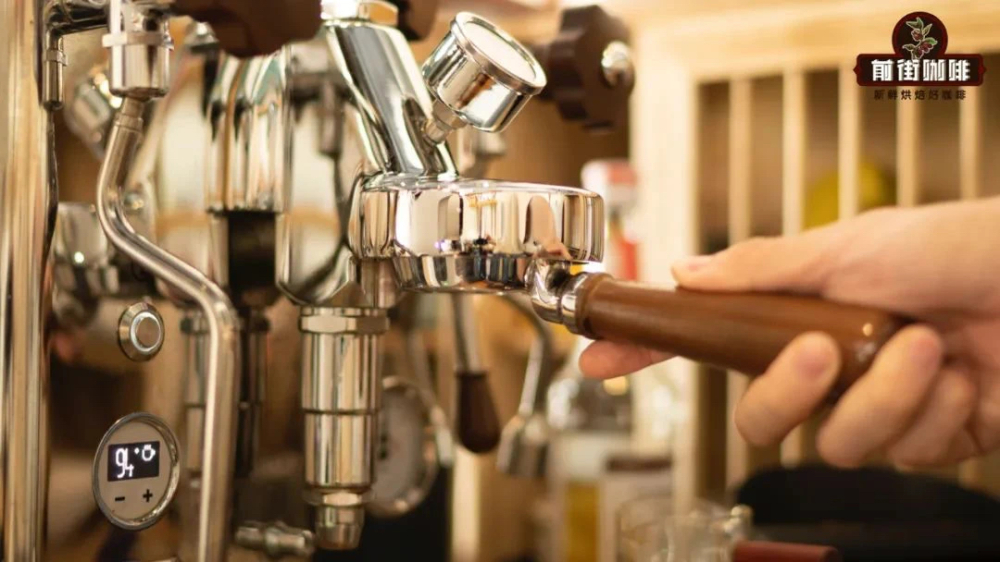
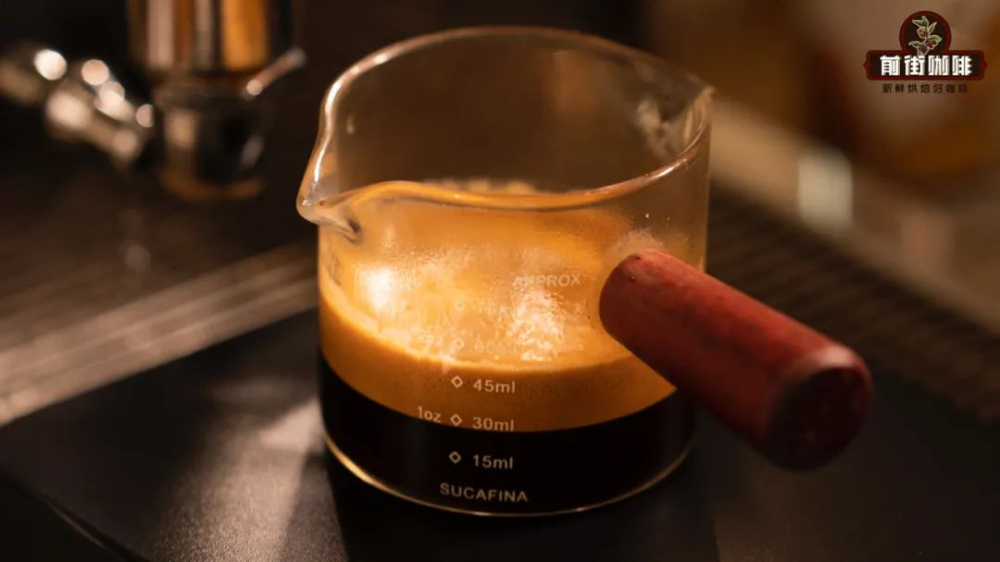
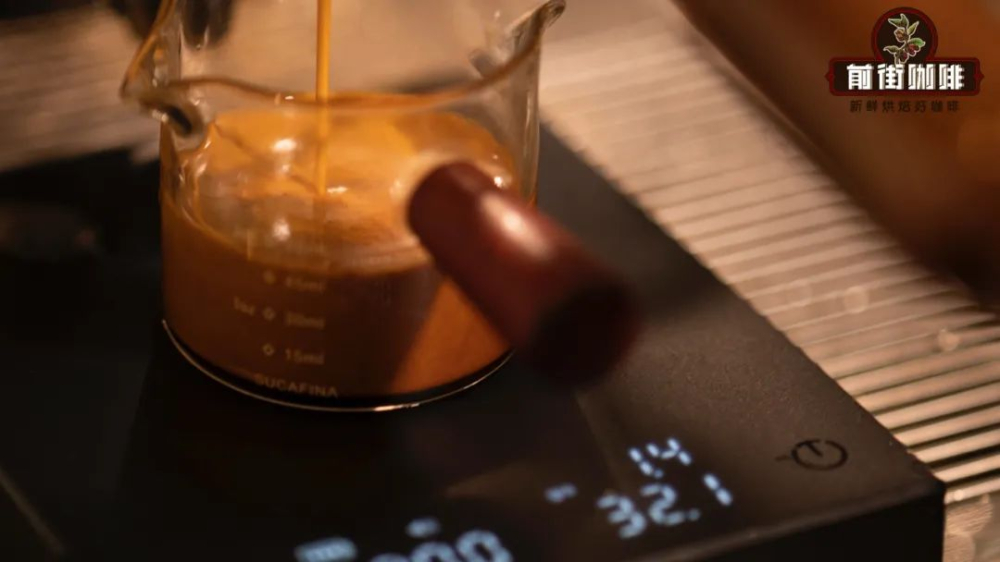
This experiment used consistent base parameters: 20 grams of coffee grounds, a brew ratio of 1:2 (i.e., extracting 40 milliliters of espresso), a combination also commonly used by many baristas under standard 9bar conditions. At 9bar, extracting 40 milliliters of liquid takes approximately 30 seconds, with an average flow rate between 1.4 and 1.6 milliliters per second. This rate adequately balances acidity, sweetness, and body, and serves as the reference for many classic espresso recipes.
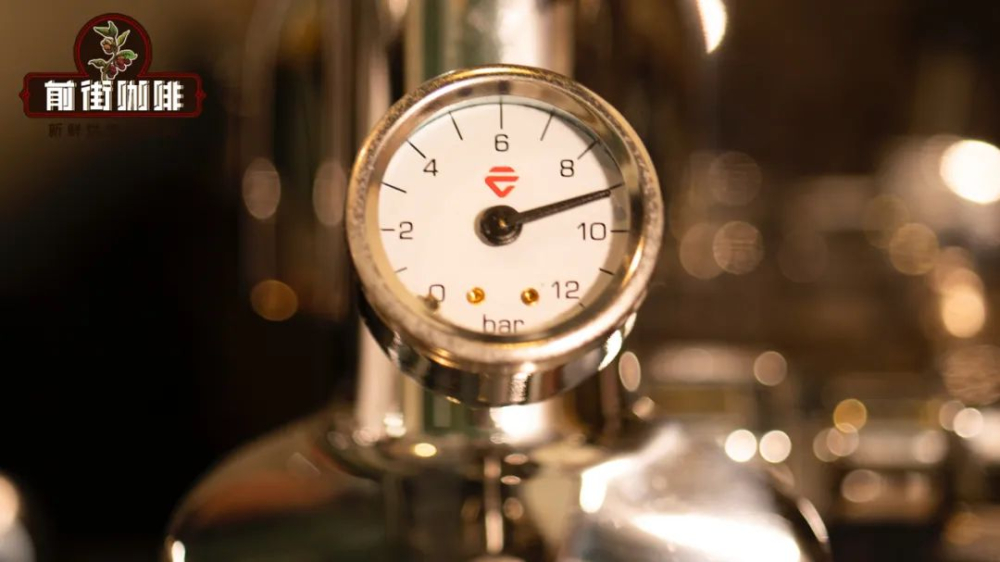
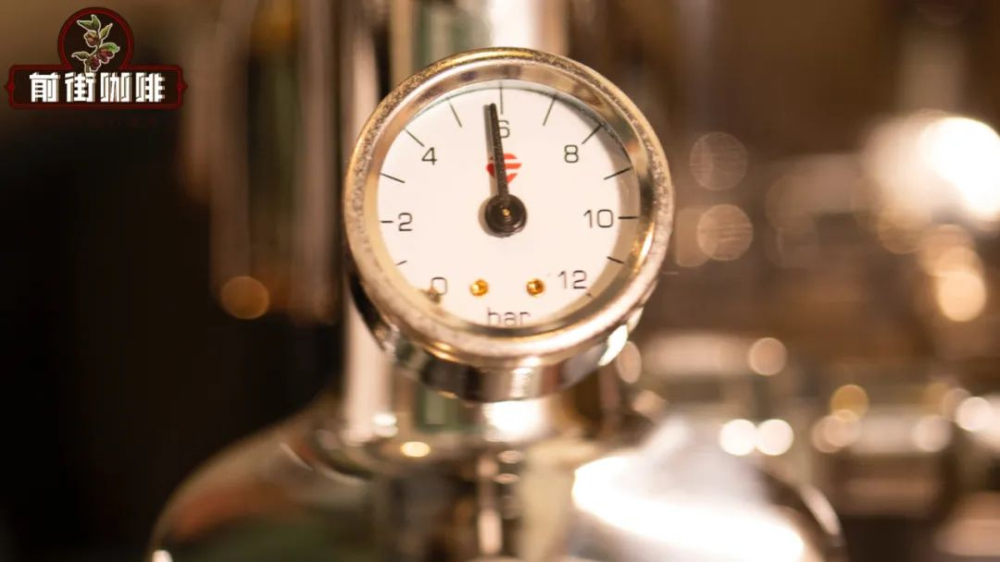
Next, we adjusted the pressure down to 6bar and up to 11bar respectively, observing their effects on extraction performance.When the pressure is set to 6bar, the time it takes to rise from 0 to 6bar is noticeably longer, taking about 7 seconds, and the overall flow rate is slower, averaging only 0.7 to 0.9 milliliters per second, resulting in a total extraction time of 38 seconds. Although the crema appearance under this extraction is similar to that at 9bar, the crema texture in the cup feels coarser upon entry, the acidic notes are noticeably more restrained, and the overall flavor profile is simpler. However, there is a slight improvement in body and smoothness.
Conversely, when the pressure is increased to 11bar, the system takes about 5 seconds to climb from 0 to 11bar—similar to 9bar—but as the extraction progresses, the flow rate gradually increases, ultimately averaging between 1.5 and 1.8 milliliters per second, with a total extraction time shortened to 27 seconds. Upon tasting, the acidity is sharper and more intense, even slightly harsh, delivering a strong flavor impact, but it can also easily lead to over-extraction or burnt, bitter notes.
From these three sets of test results, it’s clear that under the same grind size, coffee dose, and brew ratio:the lower the pressure, the longer the extraction time, the less distinct the flavor layers, but the smoother and fuller the mouthfeel; whereas the higher the pressure, the faster the flow rate, the shorter the extraction time, the more vibrant the flavors, but excessively high pressure can lead to over-extraction and the release of undesirable impurities.
So why did 9bar ultimately become the industry standard? Looking back at the evolution of espresso machines, early models operated at only 3–4bar and were unable to effectively extract the subtle flavor compounds in coffee. With technological advancements, pressure-boosted espresso machines became more widespread, and the value of 9bar was found through practical testing to strike the best balance between flow rate, flavor equilibrium, and extraction efficiency.
It’s particularly worth noting that when the pressure exceeds 10bar, the extraction process can easily produce a burnt, woody bitterness, caused by the accelerated release of unnecessary impurities under high pressure, which affects the overall purity of the flavor. In contrast, 9bar not only stably extracts rich crema, but also effectively controls the production of undesirable flavors, making it the common default setting for commercially available machines.
With the rise of specialty coffee concepts, in recent years more and more baristas have begun experimenting with "variable pressure extraction"—actively adjusting the pressure curve during extraction to achieve finer control over the release of flavors at different stages. Although this technique requires more precise equipment and technical support, it offers unprecedented flexibility in flavor shaping. We may explore this advanced technique further in the future.
The above content is compiled by CoffeeHunters, a coffee news website.


