







Introduction:Amid fierce competition from chain brands and the post-pandemic consumer downgrade, independent coffee shops face not only operational challenges but also management disturbances triggered by customer behavior. This article explores, through a real-life case, the impact of customers violating flash photography rules and leaving misleading negative reviews on small and medium-sized coffee shops, while providing practical management advice and communication strategies to help shop owners handle similar situations effectively.
Against the backdrop of continuous expansion by chain coffee brands and an economic environment that has yet to fully recover from the pandemic, many independent coffee shops are hitting operational bottlenecks. Numerous small shops that survived the three-year pandemic have chosen to close just as the market is gradually warming up. Beyond financial pressure, shop owners often feel emotionally drained due to inappropriate customer behavior and malicious reviews, sometimes even losing the passion to keep going.
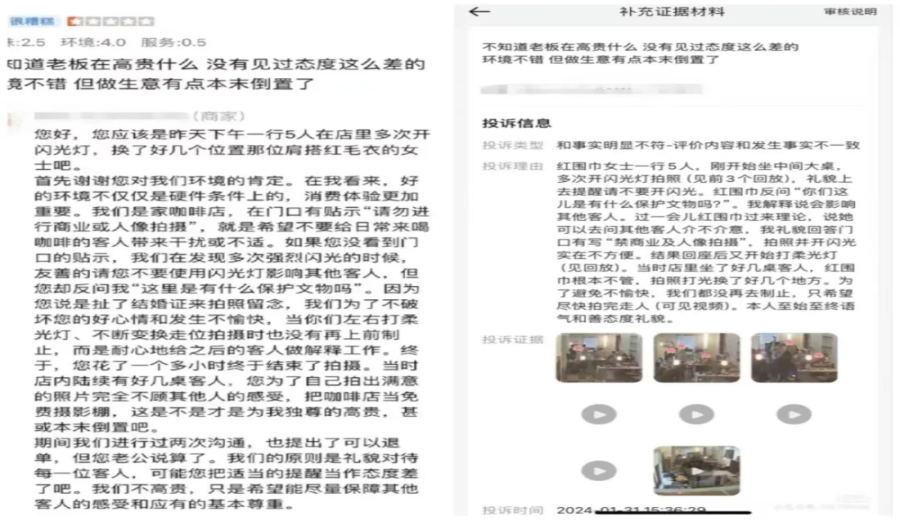
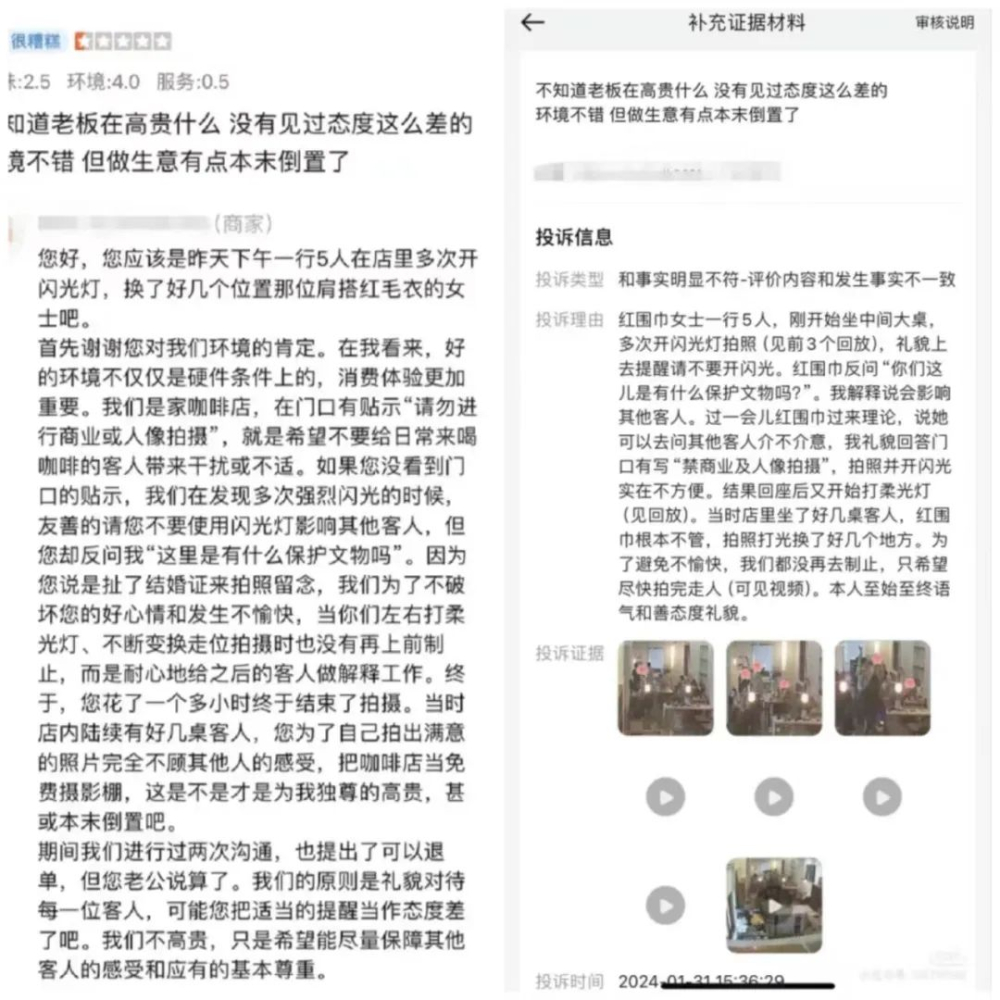
Recently, one independent coffee shop owner shared his experience: a customer used a flash to take photos inside the shop in violation of the rules, and even insisted on continuing to shoot after being reminded by staff. In the end, the customer left a negative review criticizing the “poor service attitude,” leaving the owner feeling helpless and wronged. Such cases reflect the hidden operational risks that many small and medium-sized coffee shops often encounter in their daily operations.
When entering the shop, this customer did not notice the clearly posted sign at the entrance stating “No commercial or portrait photography allowed.” Upon entering, they immediately turned on the flash to take photos. When the staff approached to remind them, the customer cited “just having gotten their marriage certificate and wanting to take commemorative photos” as a reason to continue shooting. Considering the desire not to spoil the customer’s mood at the moment, the shop owner chose not to intervene for the time being.
However, the customer stayed in the shop for over an hour, continuously using a flash to take photos, severely affecting the dining and resting experience of other customers. After leaving, the customer posted a negative review on the review platform, accusing the staff of being “arrogant” and “cold in service,” which was completely inconsistent with the actual situation. Faced with such misunderstanding and the unsuccessful appeal on the platform, the shop owner couldn't help but feel disheartened.
In reality, many independent coffee shops invest a great deal of effort in store decoration and spatial design to create a unique style, which also attracts many customers to come and take photos for social media. For spontaneous photo-taking by regular customers, shop owners are mostly supportive, believing it helps boost the shop’s exposure and reputation.
However, when encountering those who bring professional photography equipment, use powerful flashes, and stay in confined spaces for extended periods, it not only affects the dining experience of other customers but can also easily lead to conflicts within the shop. Many customers have commented: “It’s really annoying when people go around flashing their cameras in the shop—don’t they know it affects others’ dining experience?”, “As consumers, we also don’t like all that taking photos non-stop—it affects others,” “Seeing those who keep taking photos also makes me uncomfortable.”
To prevent similar incidents, many coffee shops have clearly posted signs at the entrance or on menus such as “Commercial photography prohibited” or “No flash photography,” hoping to inform customers of relevant rules before they enter. However, in actual operations, there are still many customers who fail to notice the notices, leading to disputes after entering, or even leaving false negative reviews that harm the shop’s reputation.
For independent coffee shops, every customer’s review can directly affect daily revenue and business confidence. When facing improper photography and misleading reviews, shop owners should not only strengthen in-store signage and on-site communication, but also establish more comprehensive customer service processes and crisis response mechanisms to reduce unnecessary operational losses.
In summary, in addition to improving coffee quality and space design, how to properly manage customer behavior and maintain good customer relationships has gradually become one of the key factors in the stable operation of independent coffee shops. Facing various challenges, shop owners need more understanding, patience, and strategy to continue moving forward in a fiercely competitive market.
The above content is compiled by CoffeeHunters, a coffee news website.


