








Introduction:The Volcano Pour is a pour-over technique highly praised by Japanese-style manual brewing enthusiasts. By employing precise spiral pouring and building a conical coffee bed at the center, it effectively highlights the layered flavors of the coffee beans. This article will delve into the principles, practical steps, and key considerations of this technique, along with useful parameters and tips to help you easily master this refined extraction method originating from Japan.
The Volcano Pour is a distinctive manual brewing technique originating from Japan. Its name comes from the volcano-like conical structure formed by the coffee grounds in the center of the filter during the brewing process. This technique emphasizes segmented pouring and precise water flow control, effectively enhancing the balance and complexity of the coffee’s flavor, making it a favorite among pour-over aficionados.

Before performing the Volcano Pour, it’s first necessary to prepare an appropriate amount of coffee grounds. A medium-fine grind, similar in coarseness to granulated sugar, is generally recommended. The coffee dosage typically ranges between 15 to 20 grams, which can be adjusted based on the size of the filter and personal preference. Using freshly roasted coffee beans can further enhance the vibrancy of flavors and aroma expression.
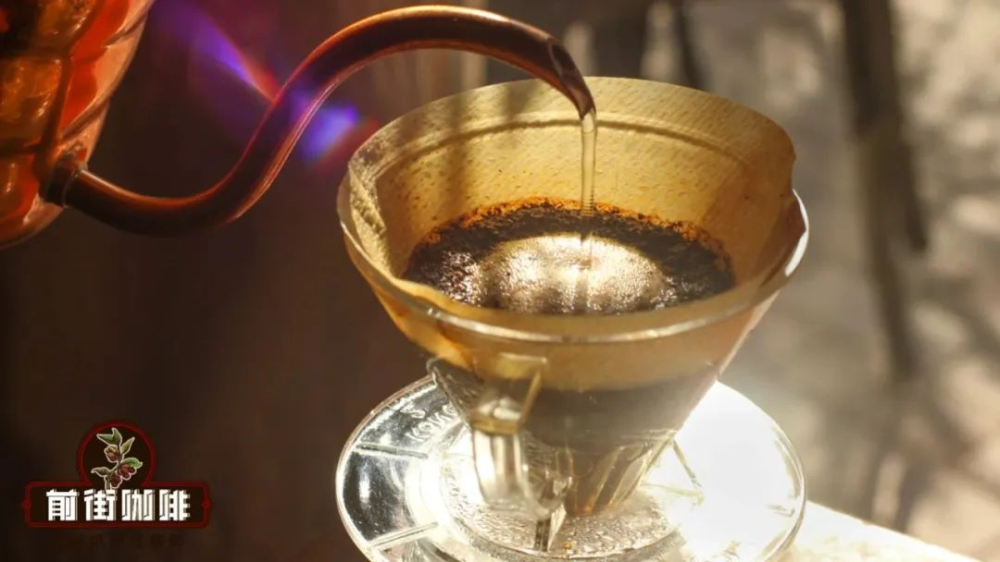
The first step is the bloom, a crucial phase that influences subsequent extraction. Pour approximately twice the weight of the coffee grounds in hot water, with the water temperature advised to be controlled between 90 to 94°C. Begin pouring in a spiral motion from the center outward, for about 30 seconds. This stage helps to awaken the coffee grounds, releasing carbon dioxide and preparing them for optimal extraction.
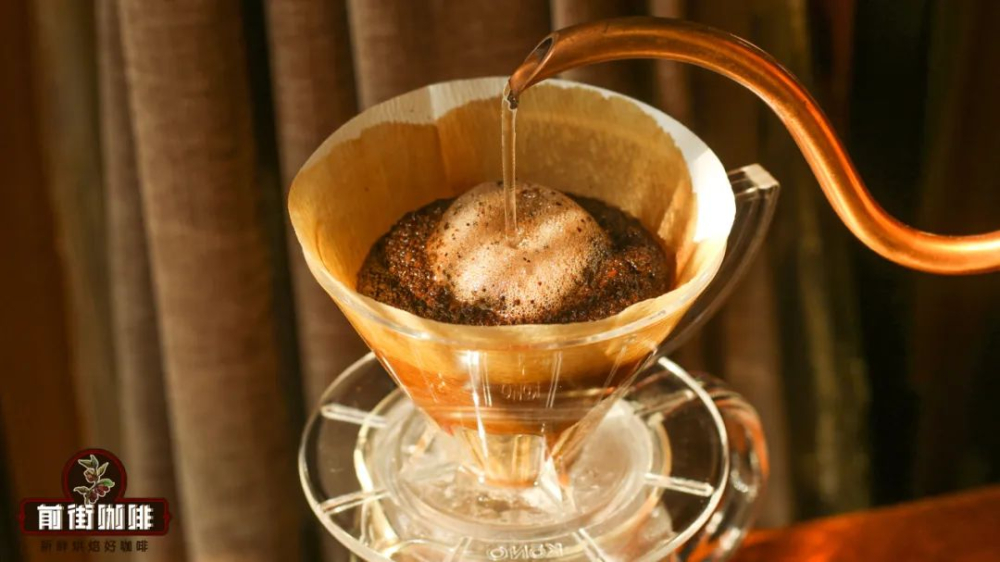
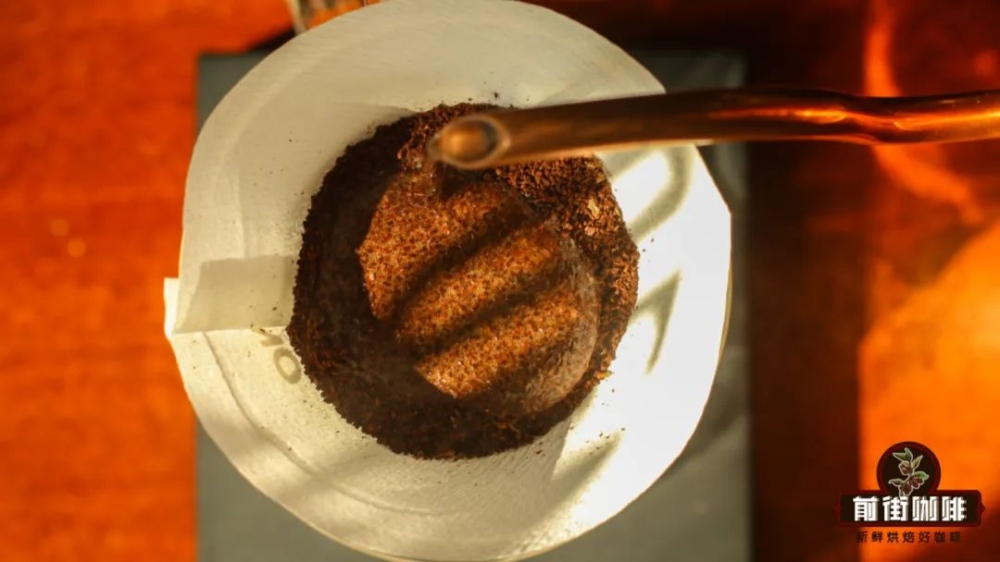
Next comes the important phase of forming the volcano-shaped coffee bed. Use a fine stream of water, starting precisely from the center of the filter, and steadily pour in small spiral motions to gradually build up a “volcano” at the center of the filter. This coffee bed structure allows the hot water to penetrate evenly while extending the contact time between water and coffee grounds, extracting a richer array of flavor compounds.
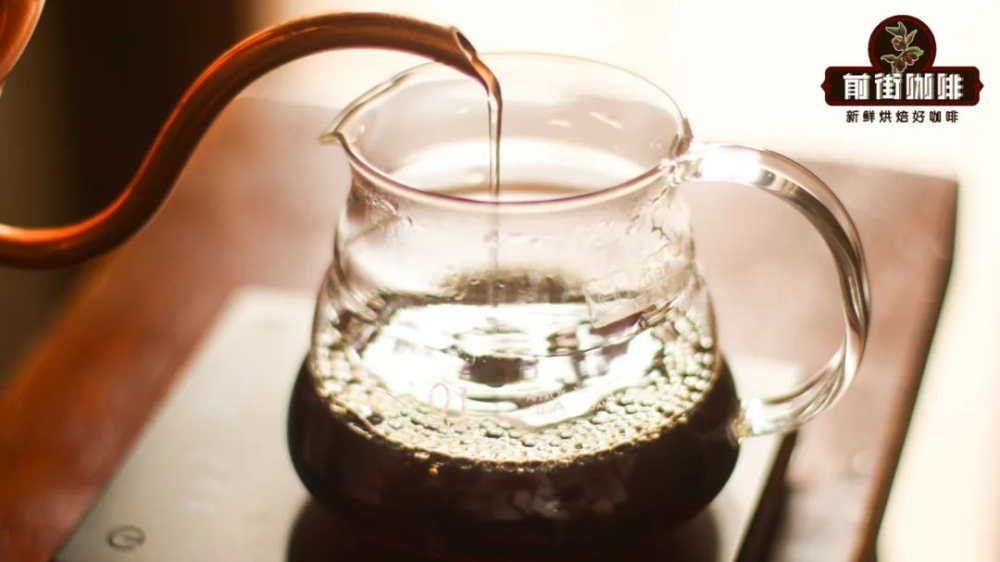
During the pouring process, it is recommended to divide the pouring into 2 to 3 stages. The total water volume should be adjusted according to the desired brew strength, commonly ranging from 240 to 300 milliliters. Pausing briefly between pours helps the coffee grounds fully expand and release their flavors. Maintain a stable water flow to avoid uneven extraction caused by inconsistent pressure.
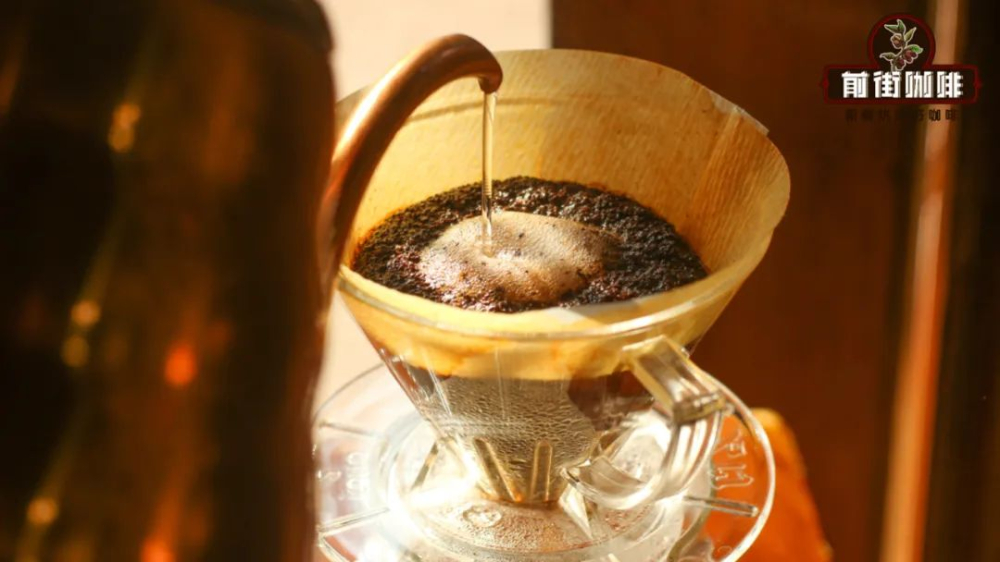
Another hallmark of the Volcano Pour is its strict control over the pouring path, always focusing on the center of the filter to minimize disturbance to the outer edges of the coffee bed. This centralized pouring approach effectively reduces the risks of over-extraction or under-extraction, ensuring each sip delivers a delicate and well-balanced taste.
After completing all pouring stages, it is recommended to let the coffee drip for about 30 to 45 seconds. The overall brewing time usually falls between 2.5 to 3 minutes, ensuring sufficient yet not excessive extraction. Observing the dripping speed and flow rate can serve as a reference for adjusting grind size or pouring speed.
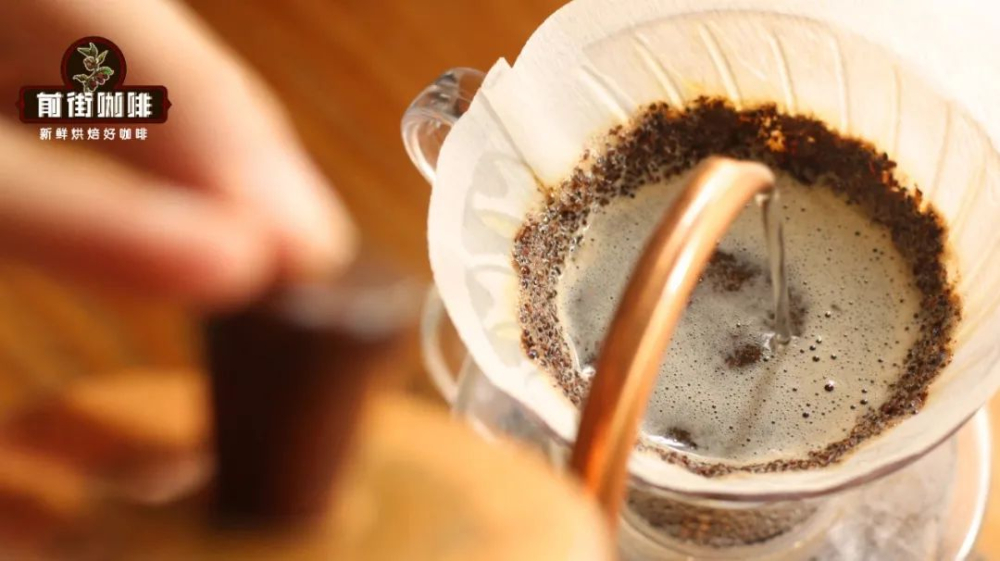
In terms of equipment selection, it is advisable to use a V-shaped filter such as the Hario V60 or KONO. These filters help facilitate airflow between the filter paper and the coffee bed, thereby improving extraction stability and flavor clarity. Pairing with medium-thickness filter paper can filter out impurities without overly absorbing coffee oils, preserving more of the flavor nuances.

For beginners, common mistakes include pouring too quickly, using a dispersed water stream, or insufficient blooming time. These factors may result in a final cup that lacks focus or has unpleasant astringency. It is recommended to use a timer during initial practice to help control the timing of each stage, gradually getting familiar with the interaction between water flow and the coffee bed.
Additionally, the roast level of the coffee beans also affects the performance of the Volcano Pour. Medium-light roasts often showcase brighter acidity and fruity notes, suiting those who prefer a refreshing taste; whereas medium-dark roasts can bring out caramel and nutty flavors, ideal for coffee lovers who enjoy a richer profile. You can choose the appropriate roast style and origin beans based on your personal taste preferences.
In summary, the Volcano Pour is not just a manual brewing technique, but also a coffee experience that values precision and patience. By controlling the pouring path, maintaining stable water temperature and grind consistency, you can fully unlock the potential flavors of the coffee beans, resulting in a cup with distinct layers and a long-lasting finish. With a grasp of the basic principles and continuous adjustments through hands-on practice, you can replicate this classic Japanese pour-over technique at home.
The above content is compiled by CoffeeHunters, a coffee news website.


