







Introduction:As chain coffee brands accelerate their penetration into third-, fourth-, and fifth-tier cities, Starbucks is opting for high-quality growth over price wars in response to competition from domestic players like Luckin and Cotti. This article delves into Starbucks’ strategic layout in lower-tier markets, including the performance of its high-margin products such as Frappuccino, the challenges it faces, and how it maintains competitiveness through localized marketing and product innovation—offering key insights into the evolving landscape of the coffee brand market.
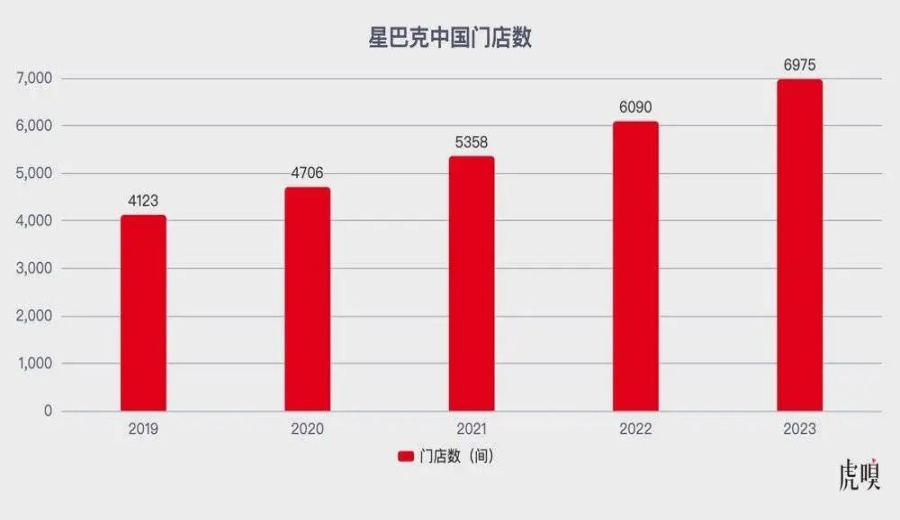
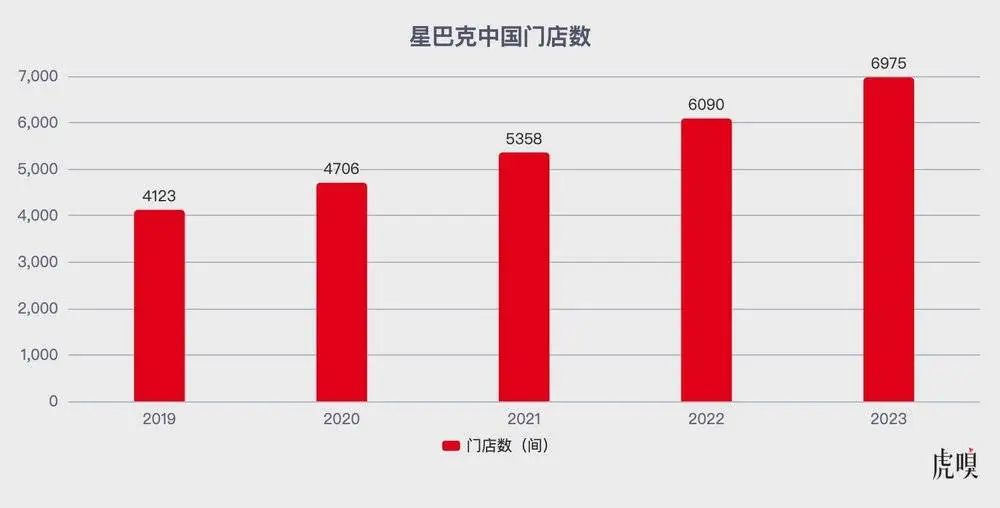
Over the past year, Chinese chain coffee brands have actively expanded their market reach, particularly into lower-tier cities, shifting competition that was once concentrated in first- and second-tier cities down to the county level. Market data shows that among all cities at the county level and above nationwide, there are approximately 5,454 coffee outlets, nearly 3,700 of which were newly opened in the past year, demonstrating the rapidly releasing potential of lower-tier markets.
In terms of the number of brand outlets, Luckin holds the top spot, while Cotti has gradually closed in on Starbucks, which was previously ranked second, thanks to its rapid expansion over the past year. In this market environment, despite its long-standing premium positioning, Starbucks has had to adjust its strategy and actively respond to pressure from domestic brands.
During a recent earnings conference, Belinda Wong, Chairman and CEO of Starbucks China, noted that the brand currently serves 857 of China’s nearly 3,000 county-level and above cities, with plans to further accelerate expansion into even lower-tier cities. This marks Starbucks’ official entry into the county-level market competition, vying with local brands for consumer attention.
However, Starbucks has made it clear that it will not engage in low-price competition, instead focusing on a sustainable, high-quality, and profitable growth model. Meanwhile, the market for low-price coffee brands is undergoing intense reshuffling, with many chain brands limited in scale gradually exiting the market, and some once-popular emerging brands also facing survival challenges.
Domestic brands generally adopt a “coffee-tea hybrid” strategy by lowering prices on basic offerings like Americano and Latte to attract cost-conscious consumers, then cultivating user loyalty through high repurchase rates, followed by introducing higher-priced products to gradually boost overall profitability. This approach has enabled them to achieve notable success in price-sensitive lower-tier markets.
In contrast, Starbucks has long positioned its “third space” experience as its main selling point, with the prices of most basic drinks at its outlets also higher than those of Luckin and Cotti. Amid widespread discounting by competing brands, whether Starbucks can hold its ground in relatively weaker consumption power counties has raised external doubts.
Yet, the reality has been somewhat surprising. Particularly in some counties with a concentration of returnees from first-tier cities—such as Guanyun in Jiangsu—local consumers’ habits have become similar to those in big cities, with demand for and frequency of coffee consumption no less than that of white-collar workers in first-tier cities. As a result, Starbucks outlets in certain counties have even surpassed the profitability of some new stores in higher-tier cities.
Take the new store in Guanyun, Jiangsu, for example: some new products that are hugely popular in first-tier cities have underperformed there. Conversely, star products like Frappuccino—well-known andhigh-margin items—have been more favored by local customers, showing strong sales performance and even surpassing some first-tier city outlets. According to official Starbucks data, the Frappuccino series has consistently been one of its better-performing product lines in terms of profit, making it a crucial pillar of its profitability in county markets.
But the lower-tier market still poses challenges for Starbucks. On one hand, many counties have limited overall consumption capacity, possibly supporting only 1 to 2 Starbucks outlets, whereas Luckin can often open as many as 8 outlets in the same area, highlighting Starbucks’ disadvantage in expansion speed. On the other hand, price-sensitive customers may reduce repeat visits after an initial trial due to pricing factors.
To address these issues, Starbucks is trying deeper localization strategies, including launching targeted promotional videos on platforms popular with younger audiences like Douyin and Bilibili, and organizing localized events in conjunction with new store openings. Additionally, its mini-program can now adjust homepage content based on regional user preferences to enhance user experience and interaction rates.
On the product front, according to data from the 2024 fiscal first quarter, Starbucks has also accelerated new product development, launching 12 new beverages in the quarter in hopes of attracting more trend- and differentiation-seeking consumers through continuous menu updates. These efforts are all aimed at helping Starbucks maintain appeal and competitiveness in a rapidly changing market.
Overall, 2024 will be a pivotal year for reshuffling among coffee brands, with competition bound to intensify both in higher-tier and lower-tier markets. Whether Starbucks can successfully consolidate or even expand its market presence through its brand strength, high-margin products, and flexible strategies is worth continued observation.
The above content is compiled by CoffeeHunters, a coffee news website.


