







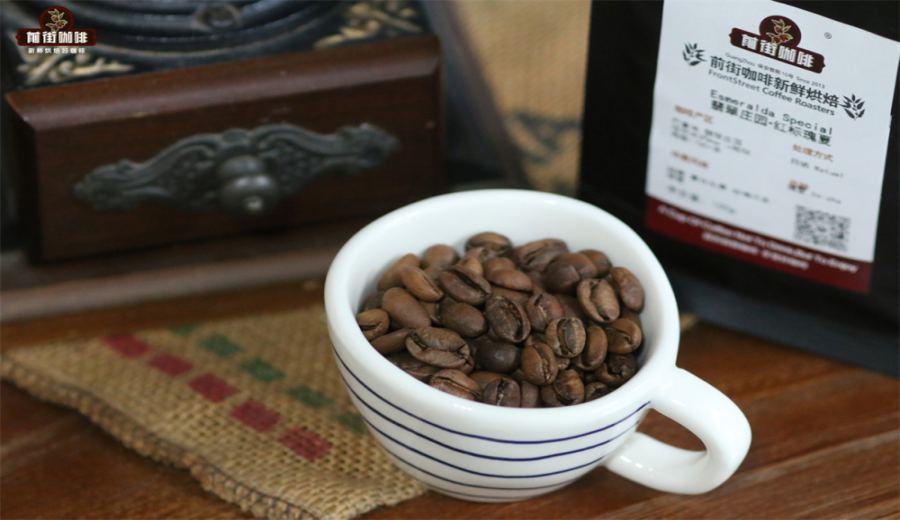
Introduction:The Geisha coffee from Panama’s Hacienda Esmeralda has become a standout in the specialty coffee world, thanks to its unique flavor profile and rigorous grading system. This article delves into the definitions, regional differences, and cupping characteristics of Red Label, Green Label, and Blue Label, and explains in detail how to brew balanced Geisha coffee using a moka pot. Whether you’re a beginner or a coffee enthusiast, you’ll gain practical insights for tasting and brewing.
Geisha coffee is hailed as one of the finest varieties in specialty coffee, and Panama’s Hacienda Esmeralda has been a key force in bringing this variety to the international stage. From auction markets to everyday cuppings, the estate has fully unlocked Geisha’s potential through scientific grading and strict cultivation management. This article will guide you through the definitions, regional features, and flavor profiles of the estate’s three labels—Red Label, Green Label, and Blue Label—and further explore how to use a moka pot to brew Geisha coffee with distinct flavors.
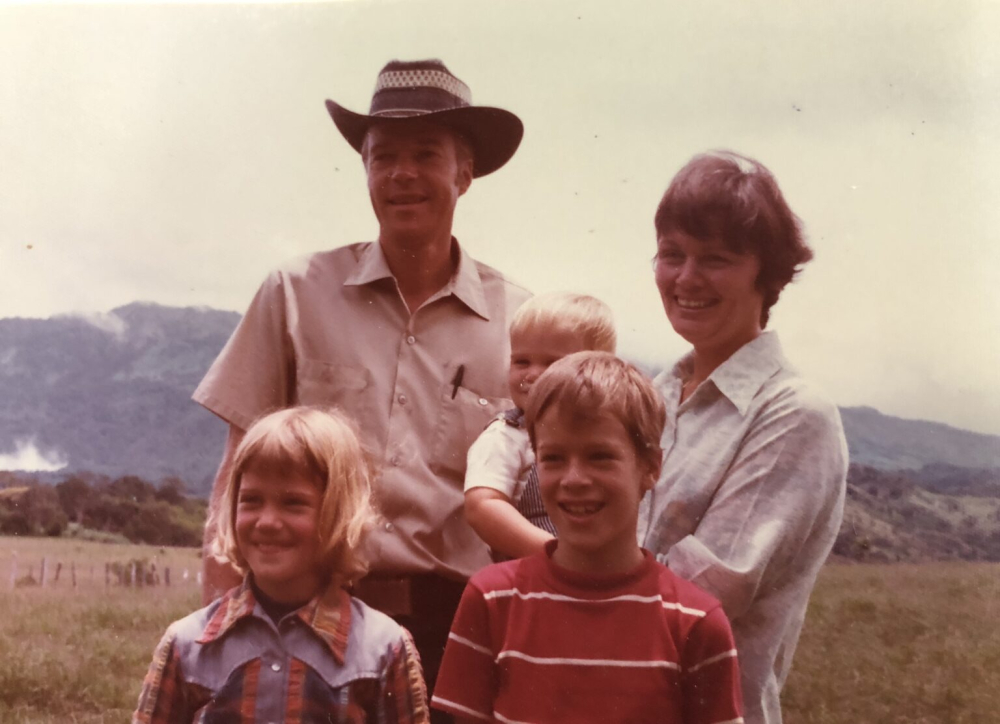
Originally from Ethiopia, Geisha has displayed unprecedented flavor complexity in the growing environment of Panama’s Hacienda Esmeralda. Established by an American banker in 1964, the estate initially focused on livestock. It wasn’t until his son gave up a career in medicine to introduce varieties such as Caturra and Catuai that it gradually transformed into a coffee plantation. During a comprehensive variety cupping, they discovered an unnamed variety from a high-altitude area with outstanding citrus, floral, and fruity acidity notes—this was the Geisha that would later become world-renowned.
In 2004, this Geisha from Hacienda Esmeralda’s high-altitude block won the Best of Panama (BOP) competition, and continued to dominate in the following years. Since then, the estate has focused on cultivating and processing the Geisha variety, and established a grading system based on altitude, microclimate, and plot, creating the Red Label, Green Label, and Blue Label categories. This allows consumers to choose different grades of Geisha coffee according to their preferences.
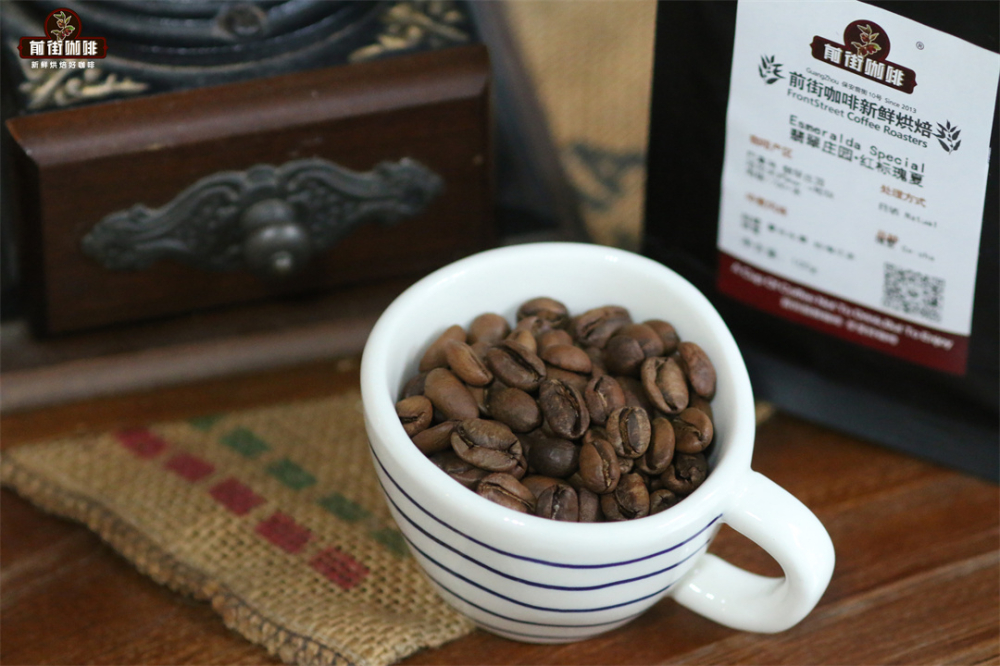
Hacienda Esmeralda’s Red Label (Esmeralda Special), also known as the Estate Selection, represents the pinnacle of the grading system. These coffee beans come from specific single plots—for example, the well-known Red Label Geisha sourced from the Jaramillo plot not only provides complete regional information but also undergoes rigorous screening, often scoring above 91 points in cupping tests, with altitudes exceeding 1600 meters. Some Red Label batches are reserved for auctions, while others are non-auction versions. Although both come from the same plots, the non-auction versions offer more affordable pricing while still delivering the classic floral, fruity, and citrus notes of Geisha.
The Green Label (Private Collection) is another high-quality option. Though it doesn’t participate in auctions, it still comes from high-altitude micro-lots in regions like Jaramillo and Cañas Verdes, grown at altitudes of about 1500–1600 meters, with cupping scores around 90. The Green Label typically does not indicate specific plots but instead blends coffee from multiple small sections, so its flavor profile overlaps somewhat with the Red Label, though it offers better value for money. A Green Label Geisha from a certain supplier, processed via washed method, showcases a refreshing profile of jasmine, ginger flower, sweet orange, and lemon—ideal for those who prefer bright acidity.
As for the Blue Label (Geisha1500), it previously mainly sourced Geisha from plantings at altitudes of 1400 to 1500 meters, also encompassing micro-lots from the estate’s three sub-farms, but only using the washed process. However, between 2019 and 2022, due to brand strategy adjustments, this grade was temporarily discontinued, with some Geisha instead released to the market by external brands under the name “Las Rocas” (Volcanic Rock Geisha). Though now less commonly seen, the Blue Label remains a highly valued choice for many coffee aficionados in terms of cost-performance.

To distinguish between these three Geisha labels, you can quickly identify them by the color and design of the packaging labels: the Red Label is typically marked with a large red coffee blossom, representing the Estate Selection; the Green Label uses a green background, corresponding to the Private Collection series; while the Blue Label or auction lots often feature a gray background and are part of limited, high-bid-price products.
Many coffee lovers wonder whether Geisha is suitable for brewing with a moka pot. The answer is yes. While pour over or drip methods can more fully highlight its delicate flavor transitions, if you want to experience the smoothness and aroma fusion of Geisha when paired with milk, a moka pot-brewed Geisha latte is an excellent choice.
In practice, it’s recommended to use a 1–2 cup moka pot and take about 20 grams of Geisha coffee beans ground to the fineness of fine sugar. First, pour cold water into the lower chamber, ensuring the water level does not exceed the safety valve to avoid any safety issues. Then, fill the coffee grounds into the filter basket, slightly mounding in the center and tamping the edges firmly. Next, assemble the upper and lower chambers and heat over medium-low heat. When you hear a distinct “wuu wuu” sound, it indicates that the coffee is about to flow out—turn off the heat immediately and let the coffee slowly drip out.
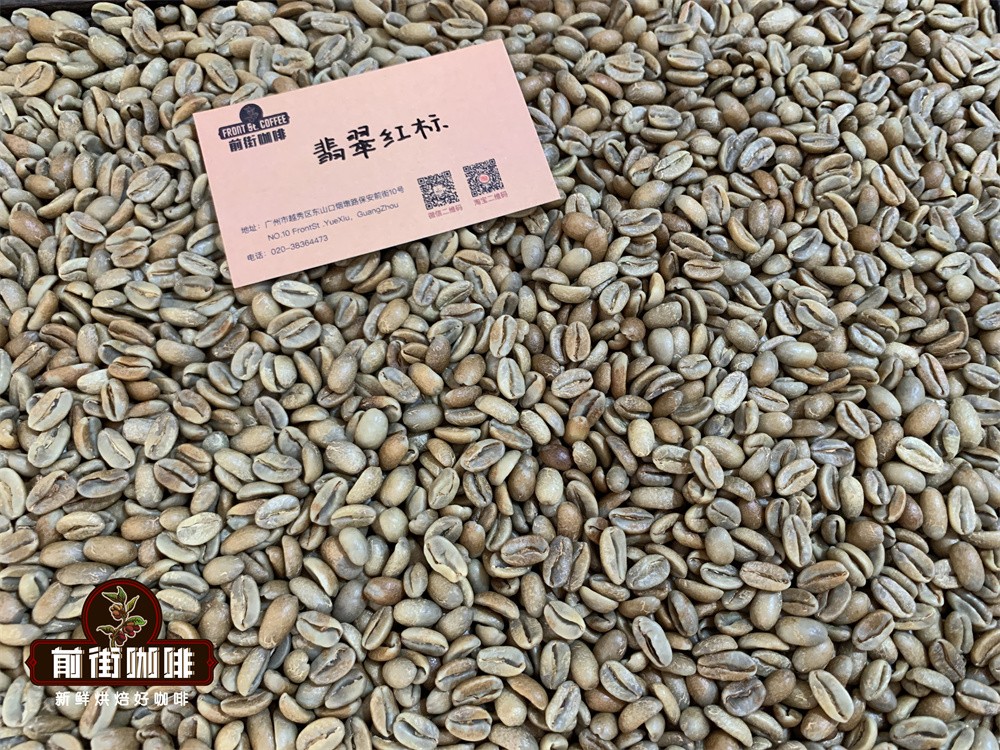
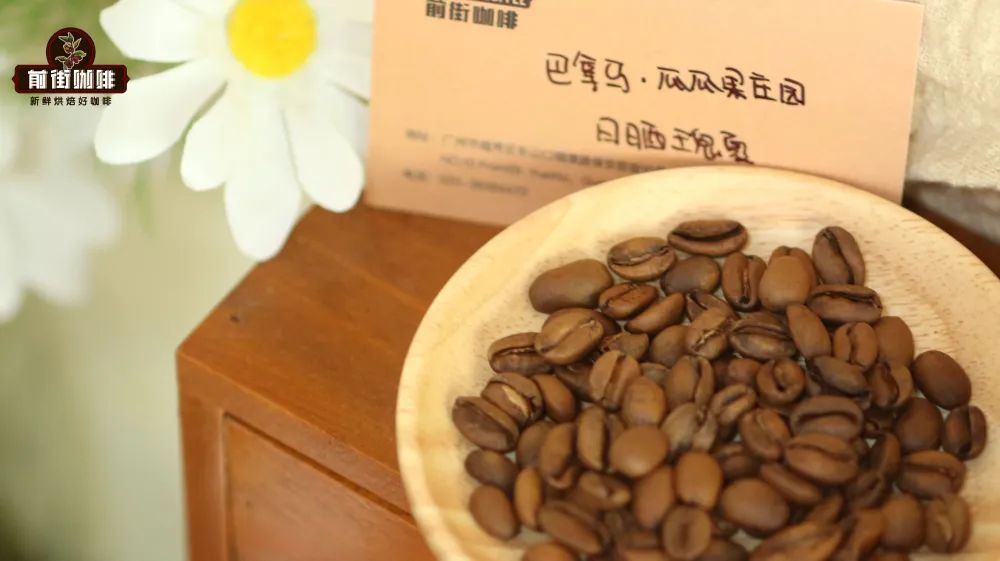
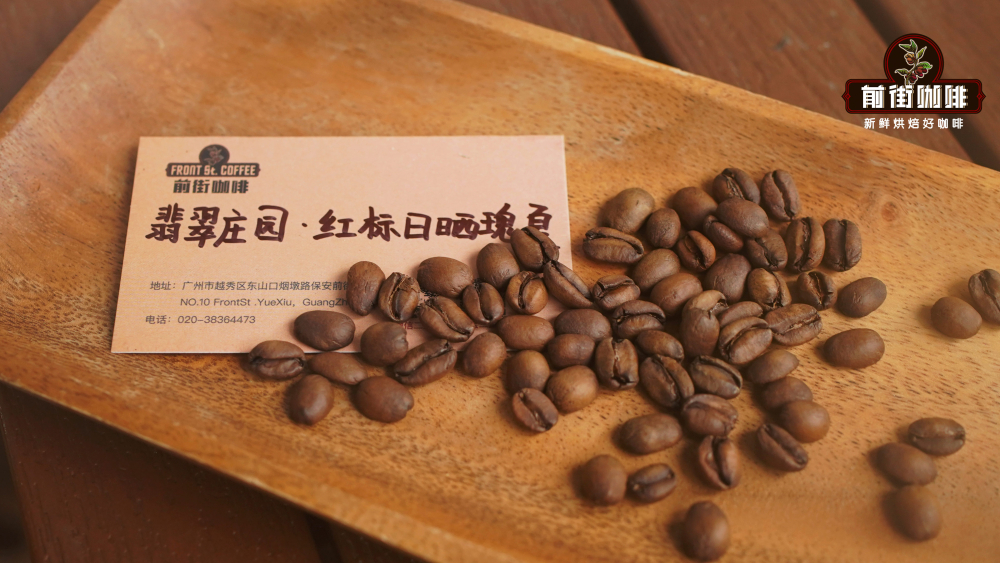
The freshly brewed moka pot Geisha coffee boasts bright fruity acidity and floral-fruity aromas, with a layer of fine crema on the surface. To make an iced latte, add ice cubes and fresh milk, then pour in the hot coffee; for a hot latte, it’s recommended to quickly mix it with steamed milk and use the foam for latte art to enhance the drinking experience. Note that heat control is crucial when using a moka pot—too high can lead to over-extraction, while too low can affect flow rate and flavor integrity.
In summary, the Geisha coffee from Panama’s Hacienda Esmeralda not only shines in the auction market but also, through scientific grading and strict quality control, allows consumers with different budgets and taste preferences to find their own Geisha experience. Whether you choose to brew with a moka pot, pour over, or siphon, you can enjoy the unique charm of this top-tier coffee.
The above content is compiled by CoffeeHunters, a coffee news website.


