







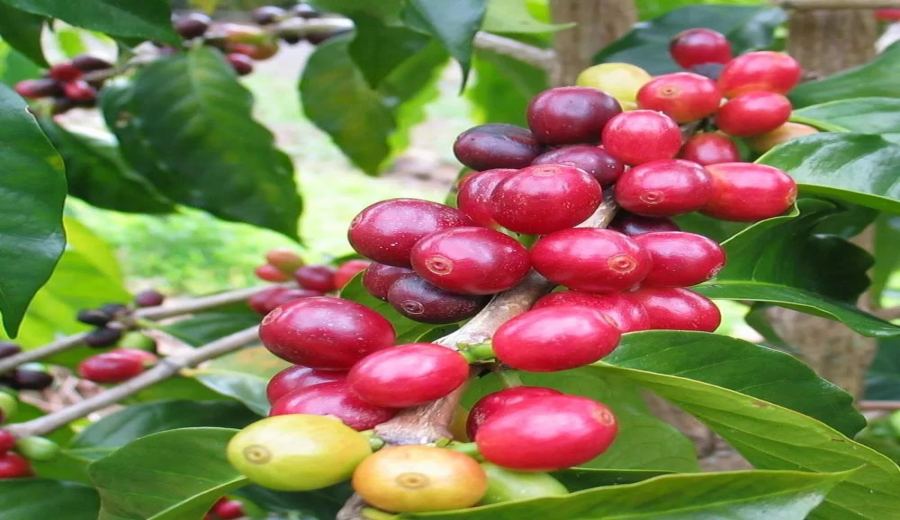
Introduction:Delve into the unique flavor profile and precise pour-over technique of the Panamanian Aurora Estate Natural Geisha. From the context of the BOP competition, its high-altitude growing environment, to the details of the three-stage pouring method, this article explores how using a water temperature of 91°C and a 1:15 coffee-to-water ratio can bring out layered notes of white floral aromas, bright berry acidity, and honey sweetness. Professional extraction parameters are provided, along with essential knowledge on resting period, helping coffee enthusiasts fully unlock the potential of Geisha.
The Geisha variety has long been hailed as one of the most premium and luxurious in the coffee world. Its demanding cultivation conditions and high market value make each brew a critical test of flavor expression. Focusing on the naturally processed Geisha from Panama’s Aurora Estate, this article outlines the estate’s achievements in the BOP international competition and introduces an empirically optimized pour-over method—using a Hario V60 dripper with 91°C water and a golden 1:15 coffee-to-water ratio, paired with a three-stage circular pouring technique. Readers will learn the technical essentials for highlighting its signature white floral notes, vibrant berry acidity, and smooth honey finish.
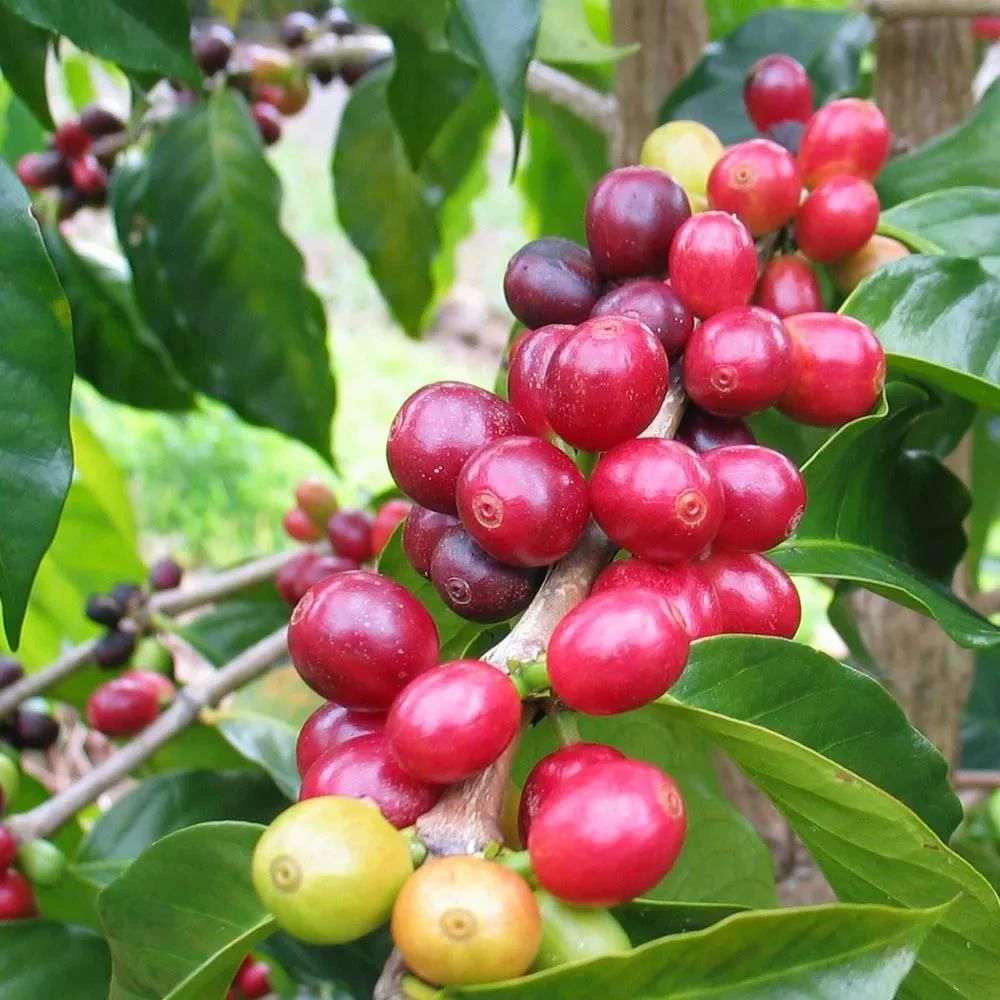
The Geisha variety originated in the highland regions of Ethiopia, where it was initially planted merely as a windbreak tree. Due to its tall stature and relatively low yield per plant, it was long overlooked by the mainstream market. It wasn’t until Panama’s Hacienda Esmeralda accidentally discovered the potential of its mutated strain—through meticulous cultivation at high altitudes—that its distinctive citrus tones and tea-like aftertaste began to emerge, sparking a varietal revolution in the global specialty coffee scene. Notably, aside from Hacienda Esmeralda, several other Panamanian producers, including the Aurora Estate, have also successfully cultivated regionally distinctive Geisha variants, with the Aurora Estate’s natural lots frequently earning favor among international judges.
As one of the world’s top specialty coffees, Geisha is extremely demanding in terms of growing conditions. Ideal cultivation sites must feature elevations exceeding 1,500 meters, abundant cloud cover, and fertile volcanic soil—all working together to produce a complex flavor profile with vibrant floral notes, delicate fruit acidity, and a lingering sweet finish. Some teams have been tracking the performance of Geisha across various producing regions, dedicated to finding high-quality beans that balance aromatic richness with reasonable pricing, supporting coffee lovers in gradually achieving their goal of “Geisha freedom” in tasting.
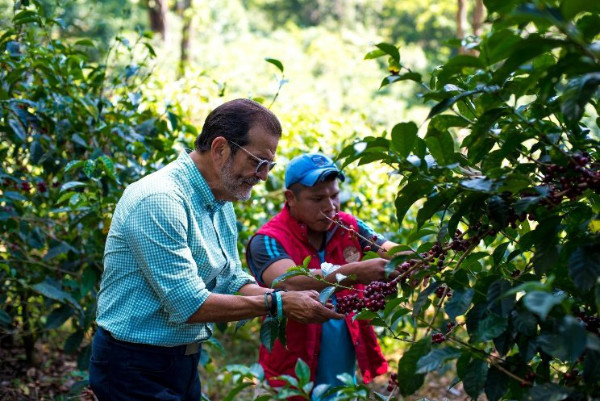
Located in the Piedra Candela area of northwestern Chiriquí Province, Panama’s Aurora Estate lies within the core of the Volcán region. The estate spans a total area of 31 hectares, with approximately 15 hectares dedicated to coffee cultivation at elevations between 1,485 and 1,700 meters, averaging around 1,600 meters. The annual average temperature ranges from 16 to 25°C, and annual rainfall reaches up to 3,500 millimeters—providing nearly perfect microclimatic conditions for Geisha growth. Estate owner Roberto Brenes enforces exceptionally strict protocols for the natural processing procedure, with every step—from the timing of cherry harvesting, the layout of African raised beds for drying, to dynamic control of temperature and humidity—reflecting a craftsman’s philosophy. Ripe cherries, selected at the stage when their color deepens and sugar levels are fully accumulated, are handpicked and evenly spread on African beds covered with shading cloths. The dual shading effect from surrounding native forests and cultivated avocado trees ensures a drying period lasting 20 to 30 days, ultimately resulting in exceptional purity and complexity.
Speaking of Aurora Estate’s competition accolades, in 2013 its washed Geisha, under the lot name “Ironman,” claimed the BOP championship, followed by the naturally processed “Camillina” Geisha winning again in 2016. The name “Ironman” stems from the owner’s passion for the triathlon sport, and this lot actually employed a high-standard washed process. In the 2014 BOP competition, another naturally processed Geisha made its first entry into the top ten, further validating Aurora Estate’s technical expertise in non-traditional processing methods. Notably, the 2016 champion, the naturally processed Geisha, was named “Camillina” after the owner’s granddaughter—and its flavor profile remains to this day a benchmark reference for natural Geisha in the industry.
Tailored to the characteristics of Aurora Estate’s natural Geisha, a team has developed a set of professional-grade pour-over parameters: using a high-flow Hario V60 dripper, paired with a medium-fine grind size (approximately 80% passing through a standard Chinese #20 sieve, similar in texture to fine sugar), with a dose of 15 grams, water temperature precisely controlled at 91°C, and following the golden 1:15 coffee-to-water ratio (i.e., a total brew water volume of 240 ml). The recommended brewing process is divided into three stages: the first stage involves pouring 30 grams of hot water for a 30-second bloom to initiate enzymatic reactions in the coffee grounds; the second stage uses a slow, circular pour centered around the core, adding water up to 130 grams with a fine stream—this phase primarily extracts bright berry acidity and initial floral notes; the final stage waits until the liquid level drops to the surface of the coffee bed, then continues a circular pour up to 240 grams to complete the full extraction, with the whole process taking approximately two minutes. This technique effectively balances the acidity-sweetness ratio and enhances the coherence of flavor layers.
It’s worth noting that the three-stage pouring method is a stable strategy suitable for beginners. By controlling water temperature transmission efficiency and contact time with the coffee bed in stages, it reduces the risks of over-extraction or under-extraction, while highlighting the Geisha’s distinctive honey sweetness and silky body reminiscent of green tea. Additionally, since this bean is lightly roasted to preserve its original fruity and floral character, it is recommended to use freshly roasted coffee beans (within five days post-roast) and to take advantage of the optimal 4–7 day resting window. During this period, the flavor lock effect fades, allowing the white floral notes and citrus acidity to reach their best expression.
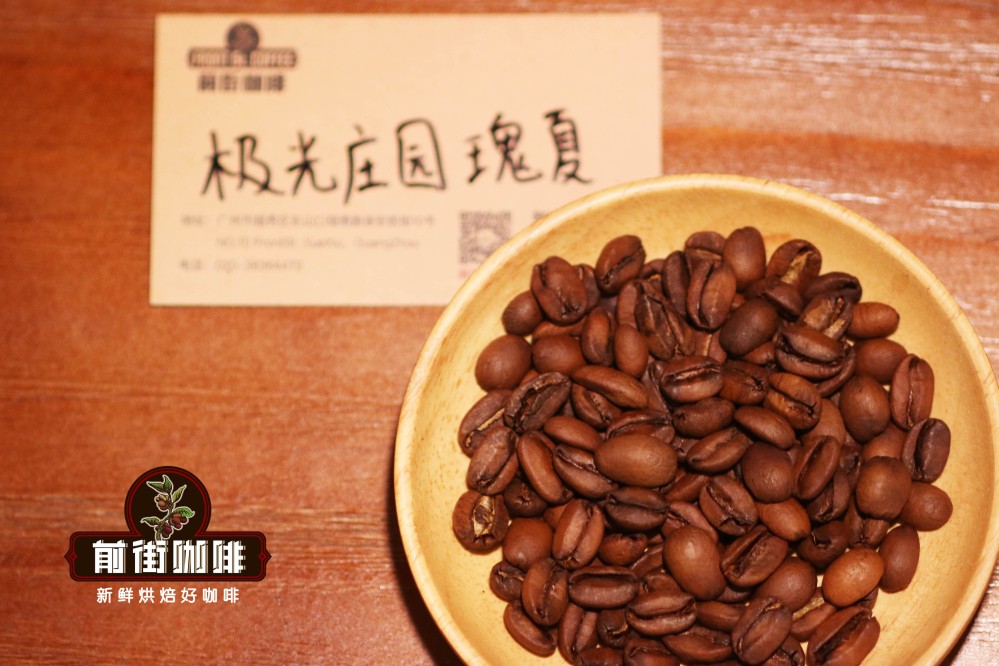
Looking at the broader Geisha market, although top lots from Hacienda Esmeralda often come with premium price tags, multiple Panamanian producers—including the Aurora Estate—also offer naturally or washed processed options with excellent cost-performance ratios. For consumers new to Geisha, selecting specialty estate beans from the same region but with a slightly lower positioning can still provide a taste of the vibrant floral character and juice-like drinking pleasure unique to the Ethiopian origin variety. Exploring the diverse charm of the Geisha world becomes possible without the need for a high budget.
The above content is compiled by CoffeeHunters, a coffee news website.


