







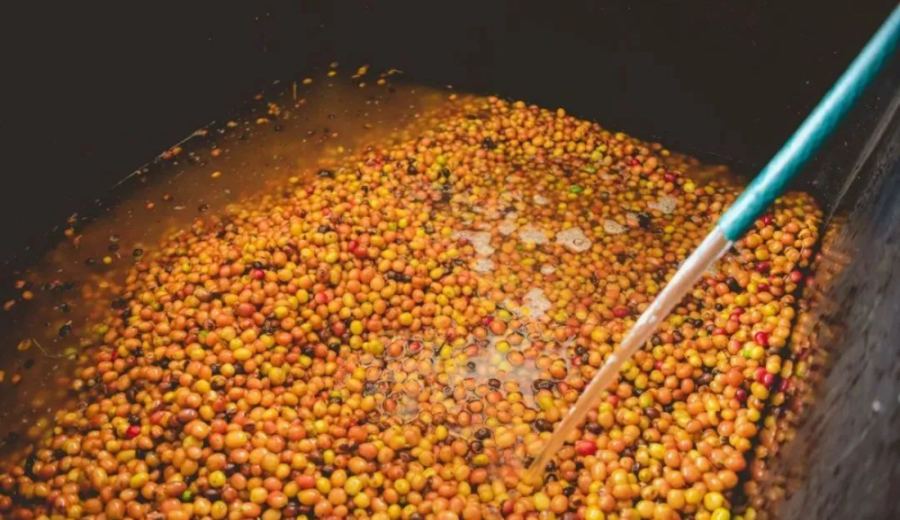
Introduction:An in-depth analysis of the diverse regional characteristics, common processing methods, and pour-over brewing recommendations for Colombian coffee beans—from Huila, Vera to Cauca. Learn how varying altitudes and microclimates influence flavor profiles. This article compiles practical pour-over parameters and grind settings, while also explaining the features of mainstream washed and natural processing methods, helping you master the selection and brewing essentials of Colombia’s specialty beans.
Colombia consistently ranks as the world’s third-largest coffee producer. Backed by professional institutions such as FNC (Colombian Coffee Growers Federation) and CENICAFE (Colombian Coffee Research Center), its complex terrain and well-defined harvest seasons also lay a solid foundation for coffee quality. The country can be broadly divided into three major regions—south, north, and central—with the central region’s main harvest typically from October to January of the following year, and a secondary harvest from April to July. The distinct boundaries between the northern and southern harvests contribute to the rich diversity across its producing areas.
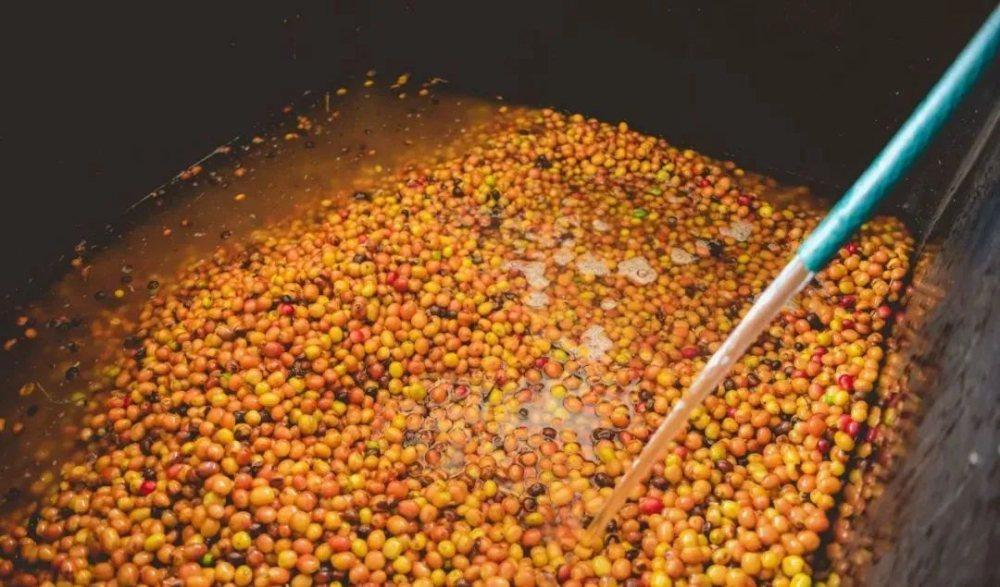
Colombia’s coffee-growing regions can be categorized by commercial and specialty routes. Central and northern regions are mostly home to large farms that produce substantial volumes of commercial beans, such as the renowned MAM region (encompassing Medellín, Armenia, and Manizales), where flavors tend to resemble those of Central American coffees with pronounced fruit acidity. In contrast, Bucaramanga in the northeastern Santander Province, due to its lower altitude, features lower acidity and more prominent bitter and spicy notes, with flavor profiles actually resembling those of Indonesia’s Mandheling. As for specialty coffee, it is concentrated in the high-altitude southern areas, such as Huila, Cauca, Meta, Tolima, and Vera, where elevations generally exceed 1,500 meters, often coupled with volcanic terrain. These conditions nurture delicate, multi-layered micro-lot specialty beans, commonly exhibiting caramel, berry, and nut aromas, with bright sweetness and soft acidity.
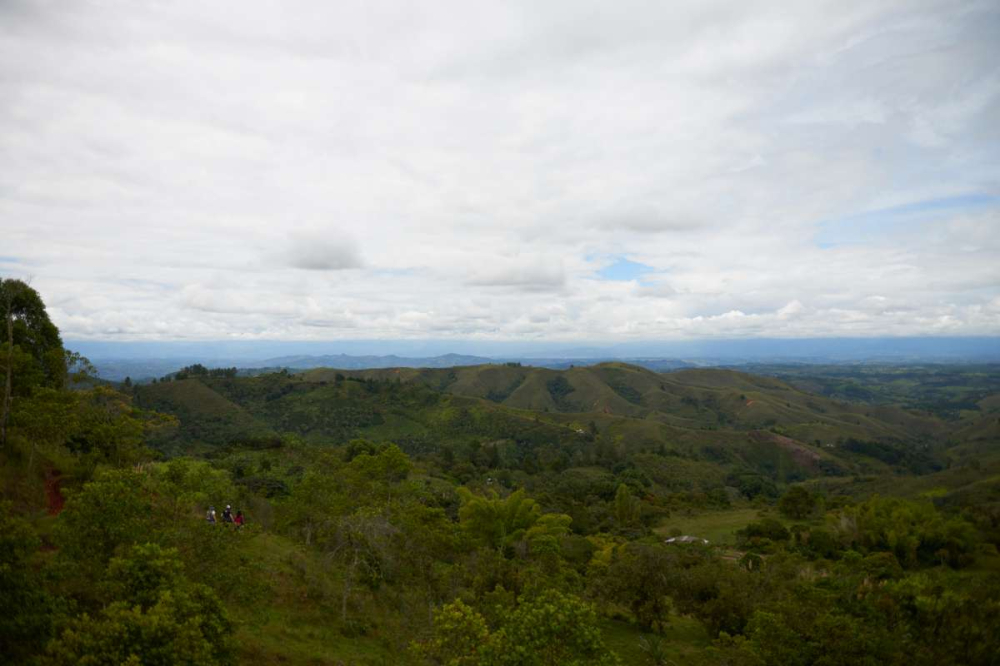
Among them, Huila Province is one of Colombia’s representative specialty coffee-producing regions. Located in the southern section of the Central Cordillera, surrounded by mountains, cultivation altitudes mostly exceed 1,500 meters. Furthermore, the convergence of important rivers within the region provides ample moisture, creating an ideal microclimate for coffee growth. Contrary to the general impression of Colombian coffee as “balanced and smooth,” many smallholder microlot products from Huila showcase unique regional characteristics. In recent years, the area has gradually moved away from the traditional classification by bean size, focusing instead on micro-regional organizations and smallholder microlots. Through batch-by-batch cupping selections, it becomes possible to uncover high-quality coffees rich in nuanced details.
Taking a common Colombian Huila washed bean as an example, its varieties are mostly Caturra, grown at altitudes of about 1,500–1,800 meters, processed using the washed method, and medium-to-dark roasted, offering a balance of cleanliness and body. For coffee enthusiasts who enjoy pour-over brewing, it is recommended to use a KONO filter cone, with water temperature controlled at 86–87°C, a coffee dosage of about 15 grams, a brew ratio of 1:15, and a grind size benchmarked at 75% passing through a #20 sieve, placing it in the medium-fine grind range. The pour-over process follows a staged extraction method: the first stage involves pouring 30 grams of water for blooming for approximately 30 seconds; then, water is added up to 125 grams for the first pour, and when the water level slightly drops and is about to expose the coffee bed, continue pouring up to 225 grams before finishing. Similarly, remove the filter cone just as the water level is about to expose the coffee bed. The total extraction time is around 2 minutes.
Coffee brewed under these parameters typically exhibits good balance with prominent sweetness. On the palate, one can perceive flavors of dark chocolate, nuts, and caramel, along with layers of gentle fruit acidity that emerge as the temperature changes. It suits drinkers who enjoy nuanced, lingering aftertastes. It is worth noting that beans from different batches or micro-regions may show flavor variations due to processing details or slight climate adjustments. Adjustments to water temperature and pouring rhythm based on actual brewing results are recommended.
In terms of processing methods, Colombian coffee commonly employs diverse techniques such as washed, natural, and honey processing. Washed processing highlights clean and bright acidity along with distinct fruity aromas, suiting consumers who pursue layered complexity. Natural processing enhances sweetness and body, bringing out intense tropical fruit or wine-like tones. Honey processing falls between the two, retaining part of the mucilage layer, resulting in flavors that balance freshness and sweetness, making it highly favored in the specialty market. When selecting a processing method, you can adjust based on personal taste preferences or brewing methods—for instance, pour-over is suitable for clean-tasting washed or moderately sweet honey-processed beans, while French press or AeroPress can try natural beans for a richer mouthfeel.
In summary, the charm of Colombian coffee lies in its regional diversity and flexible processing options. Whether you prefer balanced, smooth flavors or distinctive, bold profiles, you can find corresponding specialty choices from Colombia. From understanding micro-regions and processing methods to mastering pour-over grind and extraction parameters, each step allows you to delve deeper into the subtlety and depth of Colombian coffee. Whether for daily drinking or coffee exploration, you can enjoy a richer experience.
The above content is compiled by CoffeeHunters, a coffee news website.


