







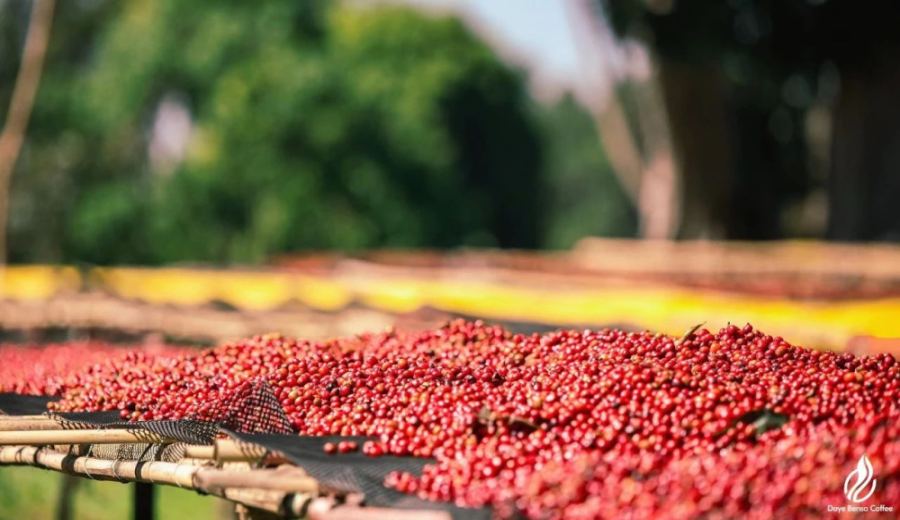
Introduction:Guji is a rapidly emerging specialty coffee region in Ethiopia in recent years. The sun-dried G1-grade coffee beans from the Hambela sub-region, especially the renowned Huacai series, are beloved by coffee enthusiasts worldwide for their distinct floral and fruity notes. This article will delve into the development background of the Guji region, the characteristics of the Hambela farms, as well as the flavor evolution and pour over recommendations of the Huacai series, helping you understand the brewing secrets of this popular coffee bean.
Guji is one of the regions in Ethiopia’s coffee map that has risen to prominence in recent years. Officially designated as an independent region by the Ethiopian Commodity Exchange (ECX) in 2015, it has quickly become a significant source of global specialty coffee. Originally a remote mountainous area under Sidamo, Guji has gradually developed distinctive regional coffee flavors thanks to its unique geographical environment and high-altitude advantages. Among them, the sun-dried G1-grade coffee beans from Hambela, particularly the Huacai series, have become the top choice for many pour over enthusiasts due to their rich fruitiness and clear floral aromas.
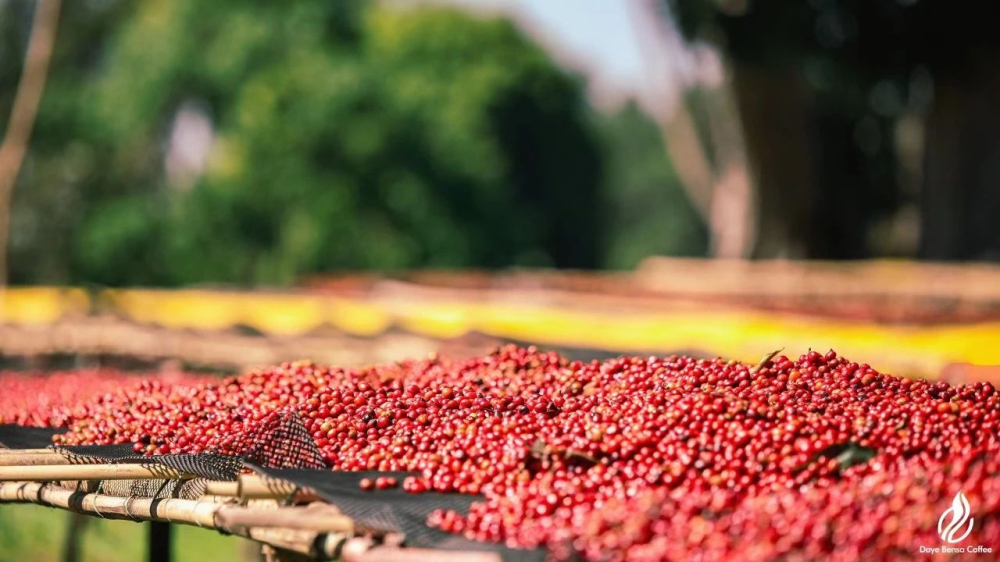
Many coffee consumers may have noticed that Huacai coffee was previously labeled as being from “Sidamo,” but in recent years it has generally been labeled as “Guji,” or sometimes both. This reflects the historical evolution of Ethiopia’s coffee classification system. In the past, Sidamo was a broad region encompassing many areas with vastly different terroirs, resulting in highly diverse coffee flavors. Later, as smaller regions such as Yirgacheffe and Guji gained international recognition for their unique cupping profiles and began excelling in global competitions, they earned independent status and more precise regional labeling.
Sidamo was once one of Ethiopia’s largest coffee regions, comprising over 200 coffee processing stations. Its vast differences in terrain and microclimates contributed to the diversity of its coffee. However, Yirgacheffe successfully registered as an independent trademark as early as 2007 due to its outstanding flavors, separating from the Sidamo classification. A similar situation occurred with Guji, which was still categorized as “Sidama A” around 2008. It wasn’t until its sub-regions like Hambela consistently achieved high scores in international competitions such as COE that ECX officially designated Guji as an independent region in 2015, making it a major coffee-producing area on par with Yirgacheffe and Sidamo.
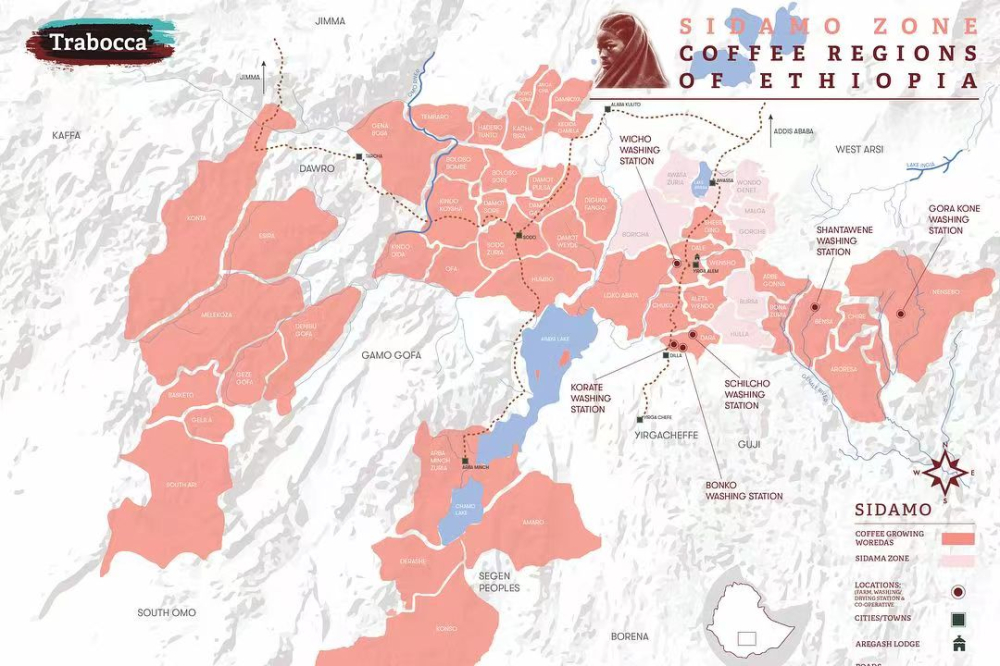
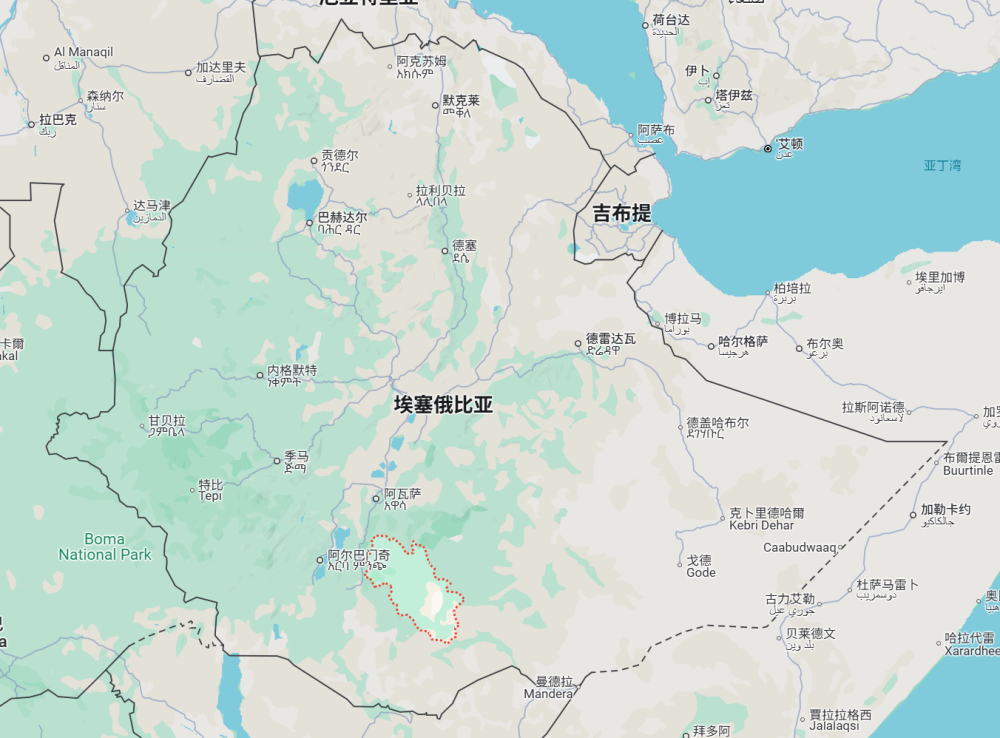
Geographically remote, Guji had long been isolated due to limited transportation and rugged terrain, with early residents primarily engaged in herding and mining. It wasn’t until the past decade, with the rise in demand for specialty coffee, that the region’s high-altitude-grown premium beans began attracting attention from international buyers, ushering in a development opportunity for the coffee industry. The area boasts fertile volcanic soil, abundant rainfall, and high-altitude conditions ideal for coffee cultivation. Moreover, many parts still retain pristine forests, providing excellent conditions for developing unique coffee flavors.
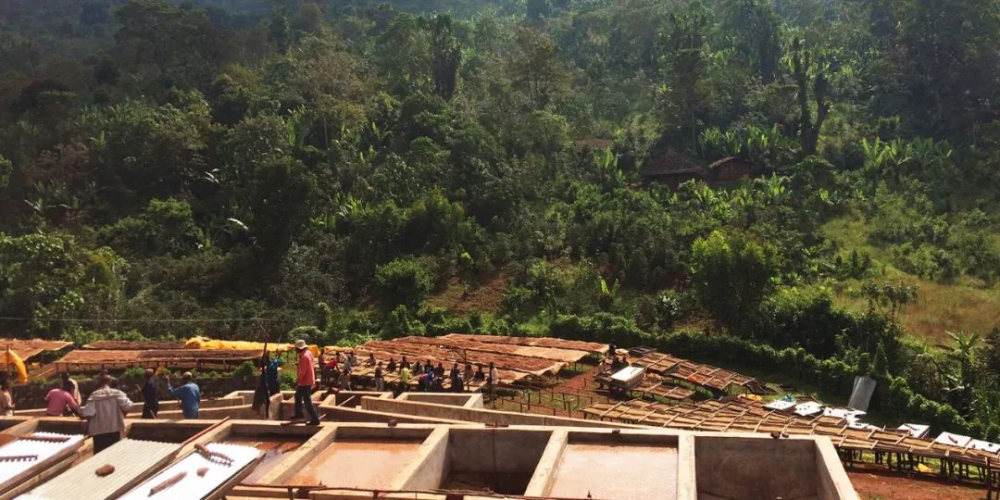
Among Guji’s many sub-regions, Hambela is one of the most representative and also a famous origin of the Huacai series. Interestingly, Hambela is not only a small region but also home to a large coffee farm operated by METAD Agricultural Development PLC. Founded in 2013 by Ethiopian entrepreneur Aman Adinew, METAD owns extensive planting bases and processing facilities locally, and collaborates with thousands of smallholder farmers to ensure a stable and consistent supply of high-quality coffee beans. The Hambela farm spans 200 hectares, with an altitude of approximately 2250–2350 meters, placing it within Ethiopia’s typical high-altitude zone for premium coffee cultivation.
Regarding the popular “Huacai” coffee beans on the market, their official name is “Ethiopia Guji Hambella Buku Abel.” These are sun-dried G1-grade beans produced by the Buku Abel washing station in the Hambella region. Initially labeled simply as “Hambella,” the direct translation of the region’s name, the beans later earned the market nickname “Huacai” due to their exceptional cupping scores and unique flavor profile. The earliest version of Huacai (commonly referred to as the first generation or 2017 Huacai) garnered widespread acclaim for its intense floral aroma, jackfruit, apricot, and dried fruit notes.
Over time, the production scale of Huacai gradually expanded. DW Company established multiple processing stations in the Hambella Wamena Wereda area, including villages such as Buku Saysay, Haro Soresa, Tirtiro Goye, and Seke Bokosa, all of which began producing sun-dried coffee. These stations are concentrated around Dimtu Town, the core production area of Huacai. As annual output increased and flavor profiles saw slight yearly adjustments, domestic traders began appending year suffixes to Huacai for easier consumer identification starting in 2018—such as Huacai 2.0 in 2018, 3.0 and 3.1 in 2019, and so on, up to the latest Huacai 11.
Taking the 2026 new harvest as an example, these sun-dried G1 beans from Guji’s Hambela region, grown at altitudes of 2250–2350 meters from local heirloom coffee varieties, are processed using the traditional sun-drying method, showcasing intense tropical fruit and floral characteristics. Common flavor notes include flowers, jackfruit, dried fruit, apricot, along with a pronounced juiciness, delivering a vivid and layered overall flavor profile.
For brewing recommendations, a light roast is advised to preserve its vibrant acidity and fruity notes. Practical data indicates that water at 92°C to 93°C more effectively highlights Huacai’s aromatic and fruity attributes. The grind size is recommended to be medium-fine, roughly 78% passing through a Chinese standard No. 20 sieve. Too coarse a grind may lead to under-extraction and weak flavors, while too fine a grind can cause over-extraction and bitterness under high water temperature.
The recommended coffee-to-water ratio falls between 1:15 and 1:16. For a stronger taste, opt for 1:15; for a clearer and more expansive flavor, increase the ratio to 1:16. A V60 dripper is recommended for pour over, using about 15 grams of coffee. Employ a three-pour technique: start with a bloom using twice the coffee weight in hot water (approximately 30 grams) for about 30 seconds, then pour in a circular motion with a slow stream until reaching 125 grams for the first pour. After the coffee bed settles, continue pouring to 225 grams to complete extraction, with a total brew time of around 2 minutes. This setup fully highlights the layered fruity and floral notes of Huacai, while maintaining a rich, balanced body and structure.
The above content is compiled by CoffeeHunters, a coffee news website.


