







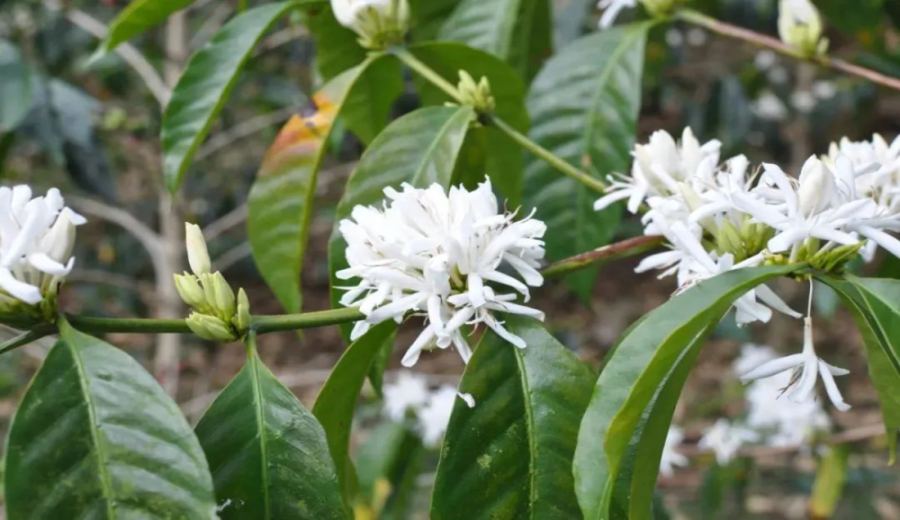
Introduction:This article delves into the varietal history of Panama’s Geisha from Hacienda La Esmeralda, its environmental requirements, the differences between the Boquete and Volcán regions, and provides a detailed breakdown of the Red Label, Green Label, and Blue Label grading system. It also offers professional pour over brewing recommendations for the La Esmeralda Red Label Natural Geisha, including water temperature, grind size, brew ratio, and a three-stage extraction method to help coffee enthusiasts fully master the brewing techniques and flavor profile of this top-tier bean.
Since making its global debut in 2004, Geisha has rapidly risen to prominence in the specialty coffee scene. This coffee variety, originating from the wild forests of southern Ethiopia and named after the nearby Geisha mountain, truly shone under the meticulous cultivation of Hacienda La Esmeralda in Panama. This article will take you on a journey through the varietal origins of Geisha, its stringent environmental demands, as well as the terroir characteristics of Panama’s two renowned regions—Boquete and Volcán. It also explains how La Esmeralda categorizes Geisha into three distinct grades: Red Label, Green Label, and Blue Label. Additionally, it shares professional pour over parameters and a three-stage extraction technique for the Red Label Natural Geisha, allowing you to fully appreciate the floral-fruity notes and citrus-honey undertones of this premium coffee.
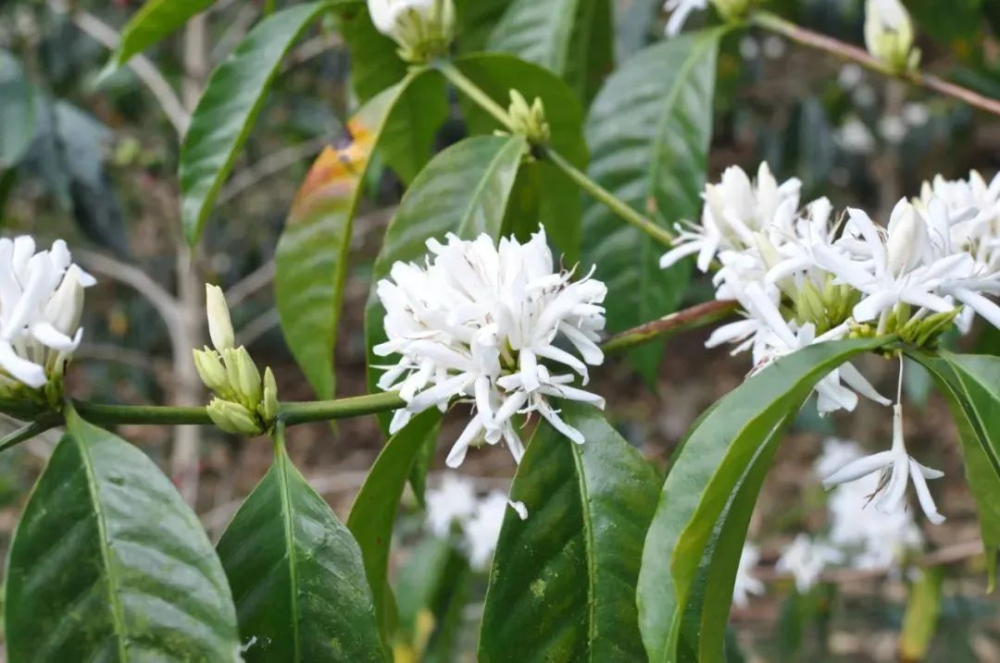 The origins of the Geisha variety can be traced back to the wild forests of southwestern Ethiopia, where it was initially discovered during the search for new disease-resistant varieties, and was named after the local Geisha mountain. In 1954, the variety was introduced to Costa Rica under the designation T2722. It was subsequently trialed on various farms across Central and South America in the 1960s, but failed to gain widespread adoption due to low yields and fragile plants. It wasn’t until 2003 that the Peterson family of Hacienda La Esmeralda rediscovered the variety, and in 2004, its outstanding performance won the Best of Panama competition, ushering in the golden age of Geisha.
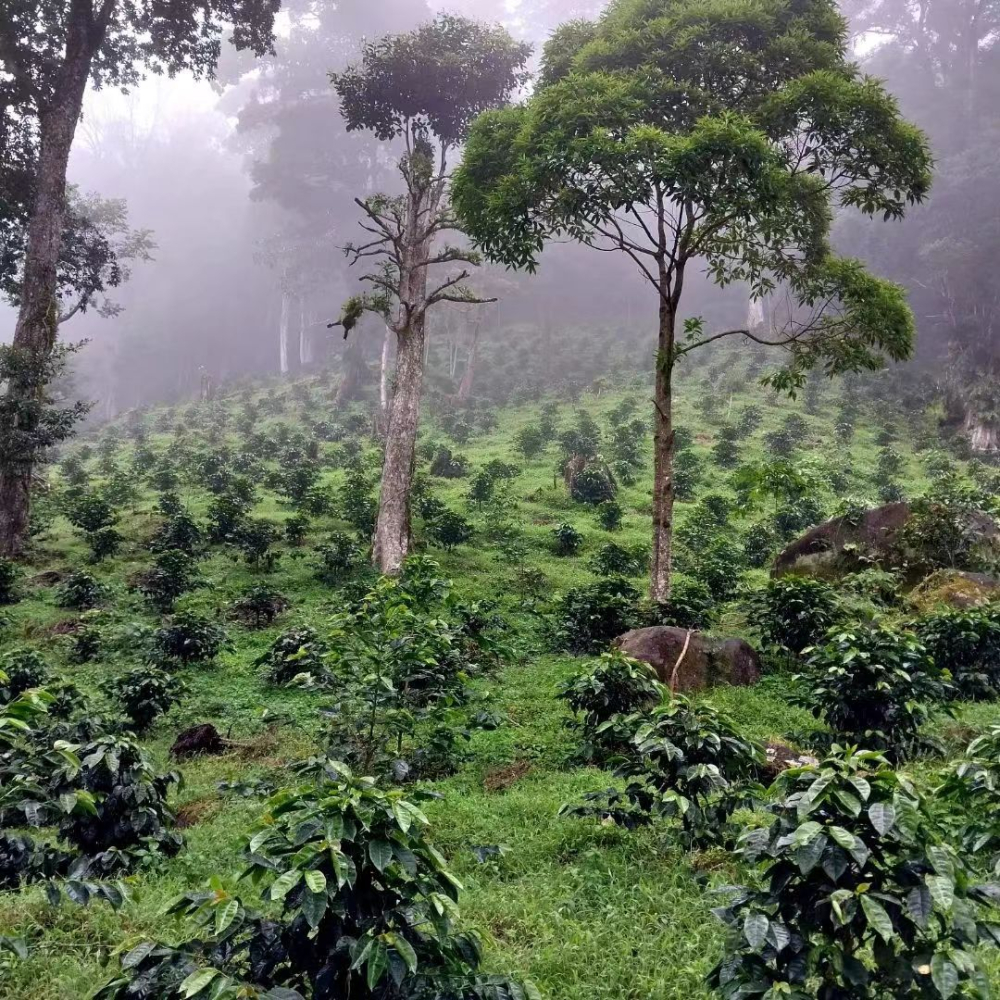
It is worth noting that Geisha is also known by different names in various regions. For example, in Japanese, it is directly translated as “Geisha,” hence also referred to as “Geisha coffee.” In the Chinese-speaking world, it was first introduced to mainland China in 2006 by Mr. Yuan of Gala Coffee and translated as “瑰夏” (Guīxià), which has since become the prevailing term. This variety is extremely demanding in terms of environment, requiring high-altitude cultivation with fertile soil and moderate shading to avoid direct sunlight. The management of Hacienda La Esmeralda notes that Geisha-growing areas must be equipped with abundant shade trees, and traditional pruning methods must be employed during the initial stages to ensure survival. Furthermore, the high-altitude environment extends the ripening period of coffee cherries, resulting in a more complex and layered flavor profile.
Geisha coffee trees have relatively thin leaves with low photosynthetic efficiency, coupled with fragile root systems and slow nutrient absorption, leading to extremely low yields—typically only half that of the Caturra variety. This is one of the key reasons for its high price. Despite this, since gaining fame, farmers around the world have actively experimented with cultivating Geisha, but due to varying terroir conditions, the flavor profiles exhibited differ significantly. Among them, the most representative are still its place of origin, Ethiopia, and its place of fame, Panama.
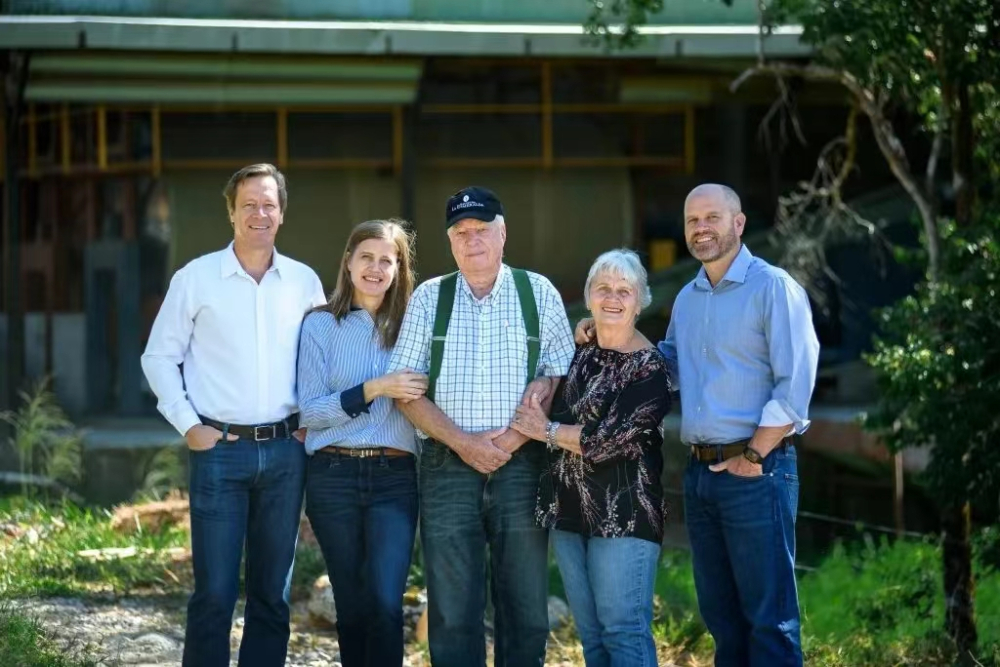 Although Panama has only three major coffee-growing regions—Boquete (波奎特), Volcán (沃肯), and Renacimiento—it produces some of the most expensive coffee in the world. Among them, Boquete is located in the high-altitude mountains of Chiriquí Province, facing the warm, humid trade winds of the Caribbean Sea and backed by the cold currents of the Atlantic Ocean. The terrain is rugged, encompassing the Barú Volcano National Park, a biodiversity hotspot, and featuring seven microclimates. Perennially shrouded in mist and abundant rainfall, it provides ideal growing conditions for Geisha. Geisha from both Hacienda La Esmeralda and Elida Estate originate from this region.
The Volcán region, on the other hand, surrounds the Barú Volcano. Its volcanic soil is rich in minerals, and the stable humidity and cloud cover produce Geisha with intense flavors, prominent dried fruit aromas, and noticeable sweetness. Compared to Boquete, Volcán’s Geisha often exhibits more exuberant tropical fruit notes, while maintaining equally delicate and profound flavor layers.
Hacienda La Esmeralda has been a key driver in bringing Geisha to the international market and is the first farm to establish a systematic grading system for Geisha. Since winning the championship in 2004, the farm has divided its Geisha-growing areas into three core plots based on altitude, microclimate, and cupping results: Jaramillo, Cañas Verdes, and El Velo, further subdivided into multiple smaller parcels to ensure traceability of each batch. Among them, Jaramillo is considered the core area where Geisha was discovered and cultivated, with an average altitude exceeding 1650 meters, a cool and humid climate, and Geisha known for its floral and fruity aromas. The Mario and Bosque sub-parcels are particularly successful in competitions. The Cañas Verdes plot, due to land acquisitions spanning a long period, is divided into multiple small sub-parcels, but also sits at altitudes above 1600 meters. The Montaña and Tumaco sub-parcels produce Geisha with elegant floral and fruity profiles, often fetching high prices.
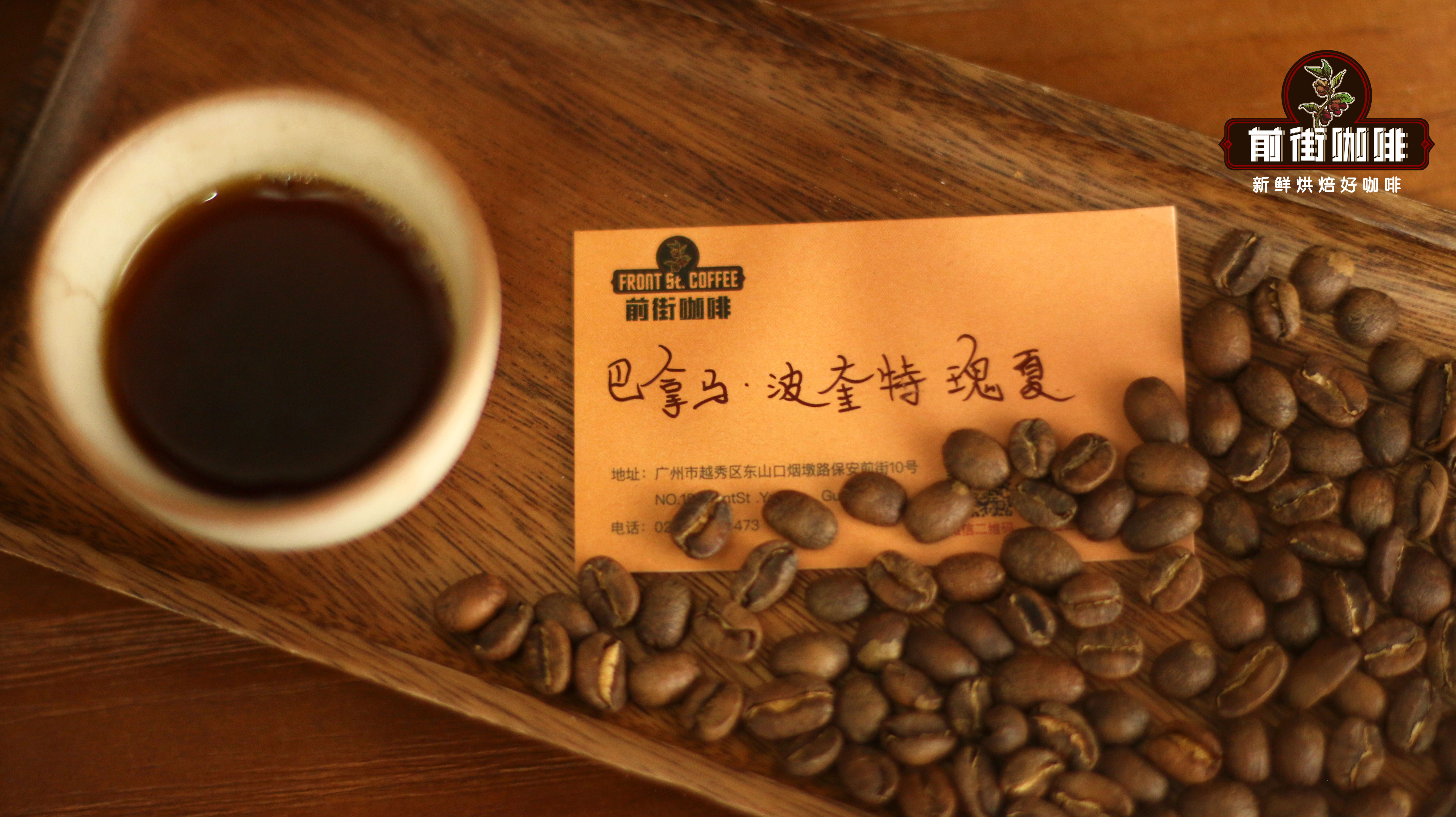 Hacienda La Esmeralda’s Geisha is categorized into three main grades based on cupping profiles and origin: Red Label, Green Label, and Blue Label (now called Las Rocas). The Red Label Geisha is sourced from extremely high-altitude blocks between 1600–1800 meters, with cupping scores exceeding 90. These lots mainly come from Jaramillo and Cañas Verdes, and are often sold through individual auctions, with each auction lot having a unique number representing the entire batch from a specific parcel. The well-known Jaramillo farm’s Mario parcel produces Geisha processed naturally, showcasing a layered aroma of honey, citrus, rose, cream, complex fruits, and black tea. The Green Label selects micro-lots from the same altitude range but not limited to specific parcels, often processed using washed methods, presenting refreshing notes of lemon, berries, grapefruit, and Tieguanyin-like tea, representing the classic Geisha flavor profile.
To fully highlight the delicate floral-fruity aromas and bright acidity of Geisha, a light roast is the optimal choice. It is recommended to use a high water temperature of 92–93°C paired with a fine grind (approximately the size of granulated sugar) with 80% passing through a #20 sieve to fully release aromatic compounds. Due to the dense structure of light-roasted beans, careful control of extraction parameters is required. A V60 resin filter cone is recommended, as its unique spiral ribs and large center hole design balance water flow rate and contact time, bringing out a richer layering of flavors.
Below are the professional pour over three-stage extraction parameters and steps for La Esmeralda Red Label Natural Geisha: Use 15 grams of coffee grounds, a brew ratio of 1:16, total water volume of 240 grams, and a grind size of 80% passing through a #20 sieve. First, pour 30 grams of water for a 30-second bloom, using a small stream and circling from the center outward. Then, pour 120 grams of water with a slightly larger stream over approximately 55 seconds to lift the coffee bed and ensure even extraction. Finally, pour 90 grams of water with a small stream, controlling the flow rate to prevent the coffee bed from collapsing, with a total dripping time of about 2 minutes and 10 seconds. After brewing, gently swirl the server to homogenize the flavors, and enjoy its bright acidity of rose, citrus, strawberry, and tropical fruits, accompanied by a black tea finish. The flavor becomes even more three-dimensional as the temperature changes.
The above content is compiled by CoffeeHunters, a coffee news website.


