







Introduction:Indonesian Golden Mandheling is renowned for its rich body and enchanting spicy, herbal aroma, qualities that stem from its wet-hulling processing method and stringent quality control. This article delves into its regional characteristics, processing techniques, and varietal background, and provides expert pour-over brewing recommendations—including the choice of KONO filter, grind size settings, and a three-stage pouring technique—to help you brew this classic Mandheling with flavors of dark chocolate, caramel, and nuts at home.
Mandheling coffee has long been celebrated for its low acidity, bold body, and deep bitter-sweet complexity, and Indonesian Golden Mandheling represents the pinnacle of these traits. This coffee not only showcases a rich profile of dark chocolate, caramel, and nuts but also gains unique herbal and spicy notes through the wet-hulling process. Understanding its processing method, varietal traits, and correct brewing approach will allow you to fully appreciate the allure of this iconic Indonesian bean.
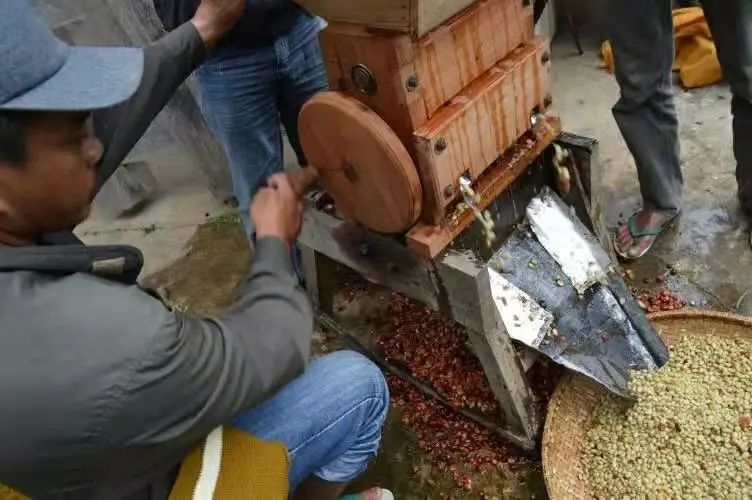
As a globally significant coffee-producing region, Indonesia’s unique geography and climate often pose challenges to traditional washed or natural processing methods. Due to the rainy and humid conditions across its many islands, drying coffee beans is difficult, and overly extended processing times can lead to mold. As a result, Indonesia developed the distinctive “wet-hulling” method. This technique is similar to washed processing in that it begins by removing the outer skin of the coffee cherry, then briefly ferments the mucilage-covered beans for about three hours before washing off the mucilage. The beans, still wrapped in their parchment, undergo initial drying for two to three days until their moisture content drops to 20%–24%. At this point, while the beans remain semi-hard, the parchment is removed, and drying continues until the moisture level reaches around 13% before packaging.
The key to wet-hulling lies in the early removal of the parchment layer, exposing the bean to high-humidity air while it still retains some moisture. This process can easily damage the bean surface, especially during hulling, where mechanical friction often creates so-called “elephant ears”—chipped or broken edges at the ends of the beans. Yet, because of the early de-pulping and accelerated drying, the final coffee boasts intense woody, spicy, and herbal “terroir” flavors, forming the unique flavor foundation of Indonesian coffees including Golden Mandheling.
For beginners exploring Southeast Asian-flavored coffee, it is recommended to start with a small pack of Lintong Mandheling to get familiar with the basic flavor profile of Mandheling. If you wish to explore higher-quality options, the brand’s Golden Mandheling is an essential premium choice.
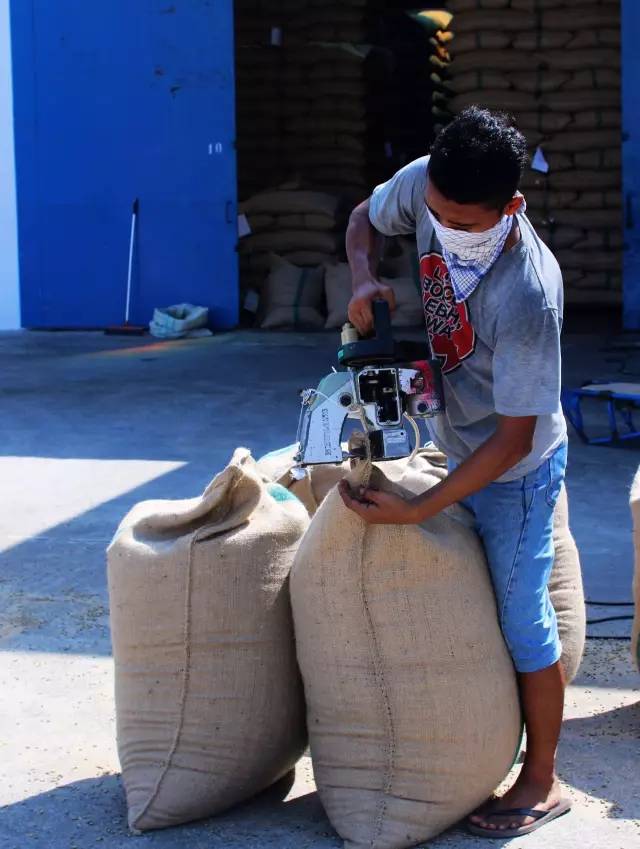
The name “Golden Mandheling” originates from the Pwani Coffee Company (PWN) in Indonesia. This company was the first to successfully introduce Mandheling to the Japanese market and sources beans exclusively from Indonesia’s top-tier producing regions. PWN maintains extremely strict quality control over its green beans—not only contracting the highest-quality producing areas but also implementing high-standard manual sorting. The Golden Mandheling sold under this brand comes from PWN, and its green bean sacks and related certifications are displayed at the Dongshan branch.
Although wet-hulling improves efficiency, the concentrated processing steps also make it prone to producing defective beans. To ensure quality, PWN subjects each batch of green beans to one machine sort and three rounds of hand-picking to remove discolored, broken, and overly large or small beans. Its standards far exceed Indonesia’s locally defined highest grade, G1, and meet the following criteria:
1. Green bean screen size: manually selected beans of screen size 18 and above
2. Less than 3 defective beans in a 300g sample
3. Compliance with Indonesian G1 grade
4. Dark green color, uniform bean size, and intact shape
In addition, the brand conducts cupping evaluations before releasing new beans, assessing their flavor performance using unified standards. According to cupping results, Lintong Mandheling exhibits a strong nutty profile, with herbal and subtly sweet aromas as the temperature drops; whereas Golden Mandheling offers even greater complexity, featuring not only dark chocolate, nut, and caramel notes but also herbal spices and a piney tone. Its finish is clean, with a lingering dark chocolate aftertaste, making for a more refined flavor profile.
The varieties used in Golden Mandheling are primarily Ateng, also known as the common Catimor hybrid variety. Early on, Indonesians mainly grew Typica, but the leaf rust epidemic of 1877 nearly wiped out local Typica plantations. To combat disease, Indonesia introduced Robusta and gradually incorporated other disease-resistant varieties such as Tim Tim, Bor Bor, and the Catimor series. These varieties are well-suited to Sumatra’s high humidity and disease-prone environment, and they often carry unique cedar and earthy notes. Currently, Ateng and Tim Tim account for over 70% of coffee plantings in Sumatra. The brand’s Lintong Mandheling usually blends Tim Tim and Ateng, while Golden Mandheling selects only the Ateng variety to ensure flavor consistency.
When brewing Golden Mandheling, it is recommended to use freshly roasted beans, with the optimal flavor window being 4 to 7 days post-roast. After about six weeks, the aroma noticeably declines, and woody off-notes may emerge. The brand ships its coffee beans within five days of roasting to ensure consumers receive them at peak flavor. For this dark roast bean, with a flavor profile of herbs, dark chocolate, caramel, nuts, and pine, belonging to the bold and rich category, it is advised to choose a KONO filter that enhances body and sweetness.
The KONO filter features relatively short ribs, less than half the height of the filter, which allows the paper to cling tightly to the walls when wet, effectively reducing airflow and extending the extraction time. This leads to a more uniform extraction and helps intensify the rich and sweet flavors. Additionally, the special groove structure at the bottom aids in creating a siphon effect, further stabilizing the extraction flow rate.
Since this bean is a dark roast, its structure is relatively loose and absorbs water quickly. If ground too finely or brewed at too high a temperature, it can easily lead to over-extraction, resulting in excessive bitterness and astringency. Therefore, it is recommended to use a medium-coarse grind and control the water temperature within a moderate range.
Recommended pour-over parameters are as follows:
Water temperature: 87~88°C
Coffee dosage: 15 grams
Coffee-to-water ratio: 1:15
Grind size: EK43s setting 11 (equivalent to about 70% passing rate through a 20-mesh sieve in China, considered medium-coarse)
Brewing method adopts a three-stage pouring technique:
First stage: Bloom with 30ml of water to initiate degassing of the coffee grounds, laying the foundation for subsequent flavor release;
Second stage: Pour 100ml to mainly bring out the golden crema and lift the coffee bed, promoting even extraction;
Third stage: Gently pour 95ml in the center, and once the dripping finishes, remove the filter and gently swirl the coffee in the server before serving.
With proper understanding of processing, knowledge of the variety, and precise brewing parameters, you too can brew a cup of Indonesian Golden Mandheling at home with a full and layered flavor, experiencing the captivating interplay of its unique spices, chocolate, and nuts.
The above content is compiled by CoffeeHunters, a coffee news website.


