







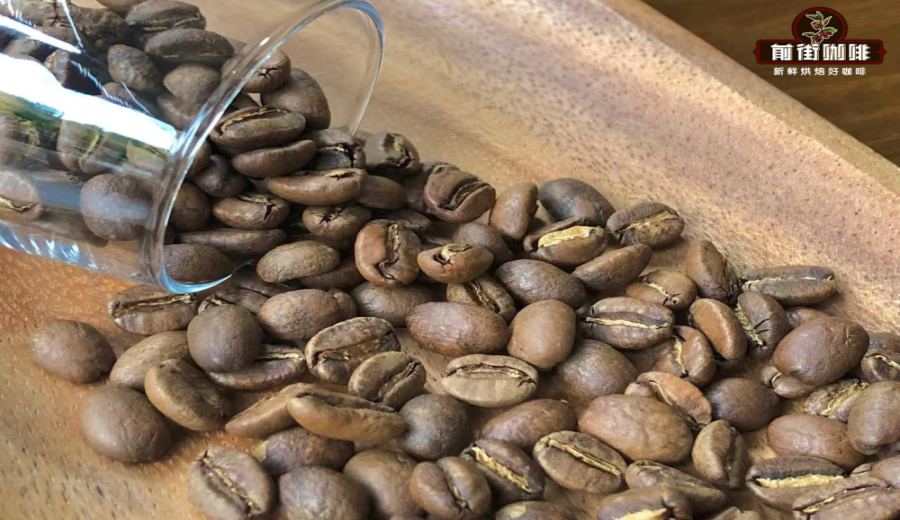
Introduction:Want to fully experience the floral-fruity aroma and complex layers of Geisha coffee? Mastering the right brewing temperature, drinking temperature, and grind size is key. This article delves into the characteristics of Hacienda La Esmeralda’s Red Label, Green Label, and Boquete region Geisha, offering practical V60 pour over parameters and a three-stage extraction method to teach you how to brew a cup of top-tier, flavor-rich Geisha at home.
Geisha coffee has long topped the global list of the most expensive coffees, renowned for its crystal-clear mouthfeel and delicate floral and berry notes. This variety, originating from Ethiopia, found its ideal growing environment in Panama’s Boquete region and has gradually become an icon in the specialty coffee world. Whether you’re a beginner or a seasoned coffee enthusiast, understanding the optimal drinking and brewing temperatures for Geisha will allow you to more fully appreciate its unique charm.
Hacienda La Esmeralda Geisha Grading and Regional Characteristics
Panama’s Hacienda La Esmeralda is one of the world’s most famous Geisha-growing estates, located in the highlands of Boquete, boasting fertile volcanic soil and a cool, misty microclimate. The estate categorizes its Geisha based on origin and processing method into Red Label, Green Label, and Blue Label grades, with the Red and Green Labels being the most popular in the market.
Red Label Geisha comes from specific high-altitude plots such as Jaramillo and Canas Verdes, with each batch scoring above 90 points in cupping tests. It is usually sun-dried and exhibits intense floral and fruity aromas with bright acidity. Green Label is a blend of washed Geisha from multiple high-altitude plots, with relatively balanced flavors, featuring elegant floral notes and citrus tones. The image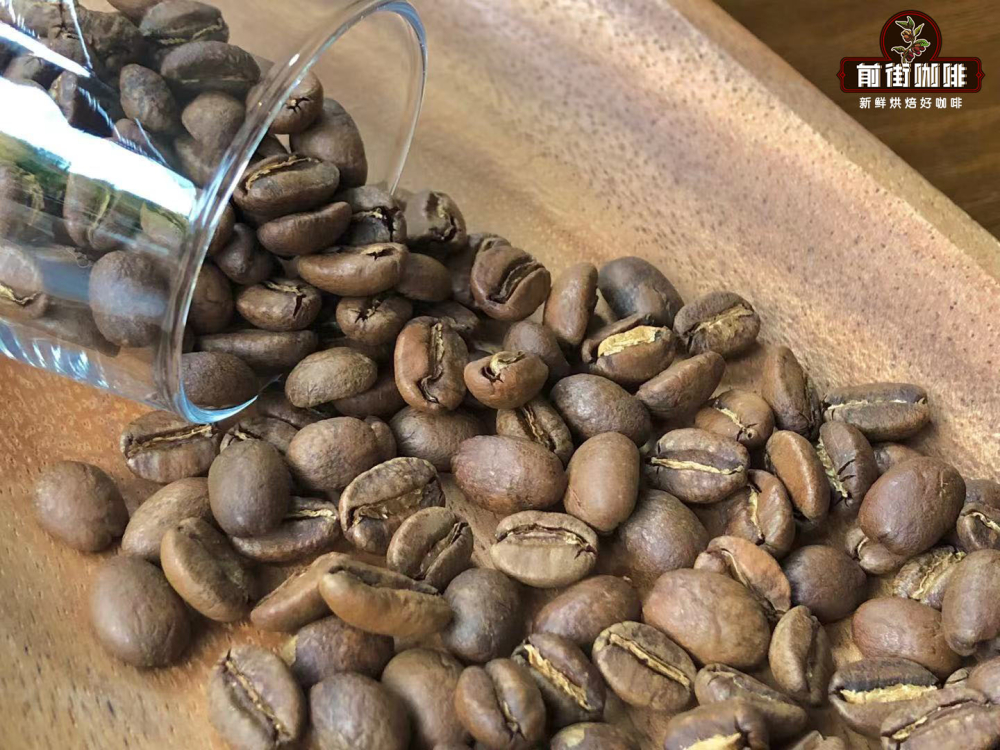 shows the natural environment of these plots.
Flavor Differences of Geisha from Different Regions
Beyond Hacienda La Esmeralda, the Boquete region also cultivates many high-quality Geisha beans. The coffee here generally features clear citrus acidity, delicate white floral notes, and honey-like sweetness, paired with a green tea-like aftertaste, showcasing a flavor profile inseparable from the highland microclimate. The image depicts the typical landscape of the Boquete region, highlighting the unique conditions ideal for growing Geisha.
Due to subtle differences in climate, soil, and processing methods, even within the same Geisha variety, beans from different estates or regions may display distinctly unique profiles in aroma, acid-sweet balance, and body.
Optimal Drinking and Brewing Temperatures for Geisha Coffee
The ideal drinking temperature for Geisha coffee is between 55°C and 65°C. This range fully highlights its delicate floral and fruity aromas and the layers of acid and sweetness. If the temperature is too high, it may mask the subtle aromas; if too low, the acidity can become overly sharp and the sweetness less pronounced.
During brewing, it is recommended to usewater at 91–92°C. This temperature helps fully extract the high-volatility aromatic compounds in Geisha while balancing acidity and sweetness. A medium-light roast is advised to preserve its naturally bright acidity and delicate aromas.
V60 Pour Over Techniques and Practical Parameters
It is recommended to use a V60 filter cone with a grind size similar to that of fine sugar (approximately 80% passing through a #20 sieve), and to perform a three-stage extraction at a1:16 coffee-to-water ratio(e.g., 15 grams of coffee to 240 milliliters of water) to clearly present the layered complexity and composite fruitiness of Geisha.
The three-stage pour over steps are as follows:
1. Place 15 grams of coffee grounds in the filter cone, and pre-wet (bloom) them gently for about 30 seconds using 30 grams of hot water. Pour in a slow circle from the center outward to ensure all coffee grounds are evenly saturated.
2. Then, pour 120 grams of water with slightly more flow, bringing the total water volume to 150 grams. This stage helps expand the coffee bed and release more aromas, with the time controlled to about 55 seconds.
3. Finally, pour 90 grams of water with a smaller stream until the total reaches 240 grams. Be mindful of the flow rate to avoid excessive agitation of the coffee bed. The total extraction time should be around 2 minutes and 10 seconds. The image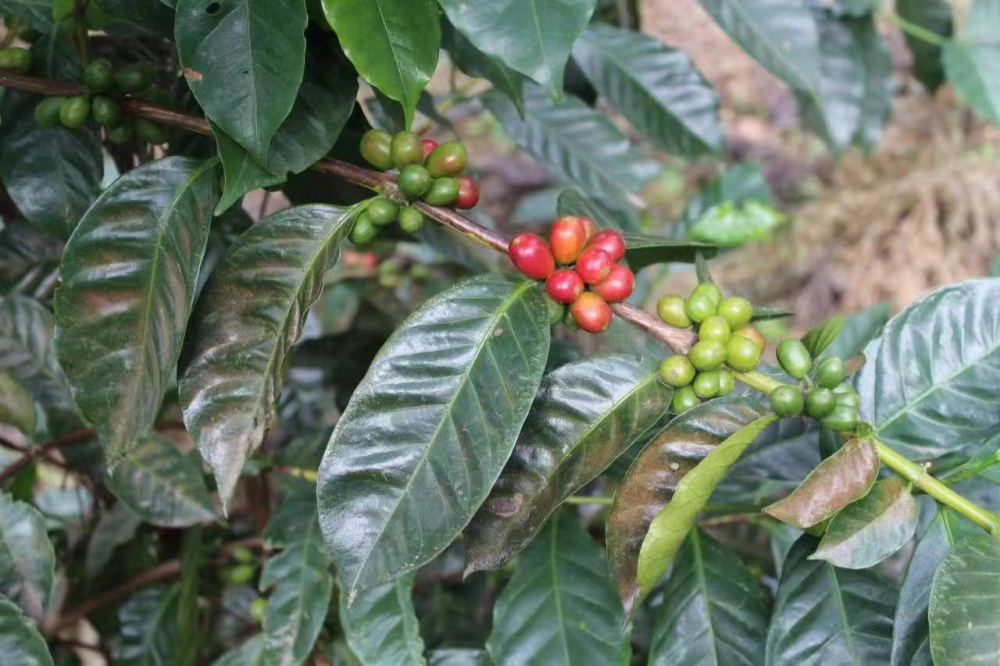 can help you understand the structure of the V60 filter cone and the principle of water flow.
This extraction method effectively enhances the acid-sweet balance and aroma expression of Geisha, while avoiding over-extraction or unwanted sediment, delivering every sip full of bright citrus, floral notes, and honey-like sweetness.
Mastering the optimal brewing and drinking temperatures for Geisha not only allows you to fully appreciate the delicate layers of this premium coffee but also enables you to easily replicate professional-level pour over flavors at home. Whether you’re a novice or a connoisseur, these practical tips are worth collecting and practicing.
The above content is compiled by CoffeeHunters, a coffee news website.


