







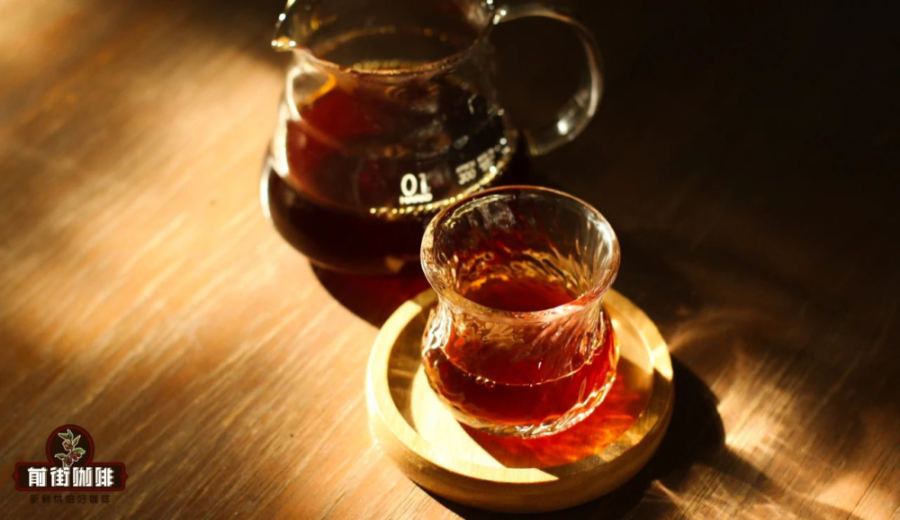
Introduction:Kenyan coffee is renowned for its bright acidity and rich berry flavors, but many people encounter issues such as over-extraction or bland taste when brewing it at home using pour over methods. This article delves into how to precisely control water temperature to bring out the unique "juicy tomato-like" mouthfeel of Kenyan beans. From processing methods and roast levels to practical brewing parameters, it offers a comprehensive pour over guide to help you consistently extract a specialty coffee that balances vibrant acidity with a full body.
Kenyan coffee holds a distinguished place in the global specialty coffee market thanks to its distinctive bright acidity and full-bodied berry flavors. However, many coffee enthusiasts often face challenges such as uneven extraction, overly sharp or dull flavors when brewing at home. Achieving that juicy, fresh-tomato-like texture especially requires precise control of a key variable — water temperature.
So, what exact water temperature in degrees Celsius is needed to fully highlight the impressive balance of acidity and sweetness, as well as the intense fruit aroma of Kenyan coffee beans? The answer isn’t one-size-fits-all; it depends on a combination of the bean’s processing method, roast level, and personal taste preferences. Based on real pour over experience, this article will help you understand the flavor sources behind Kenyan coffee’s juicy character and provide practical water temperature suggestions suitable for most scenarios.
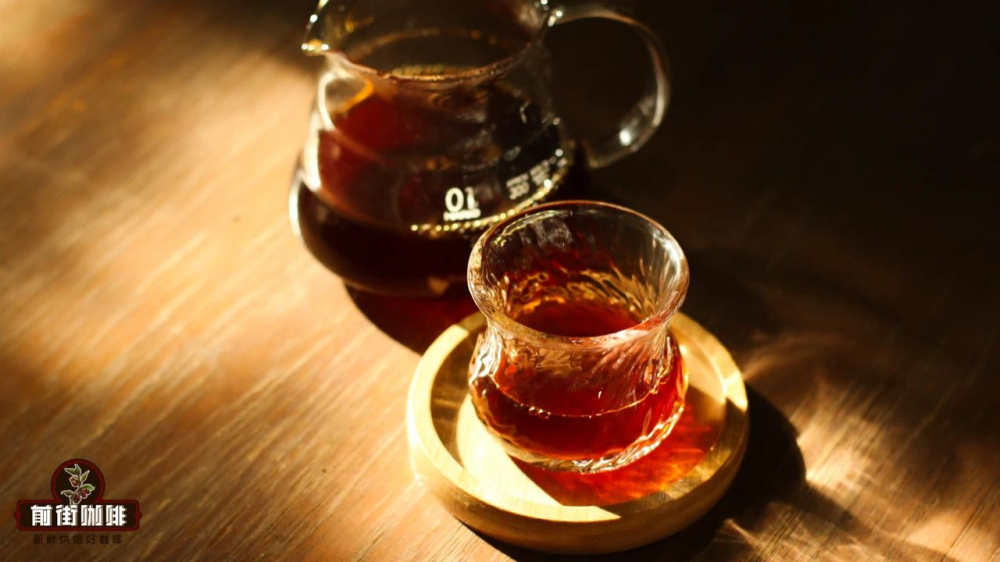
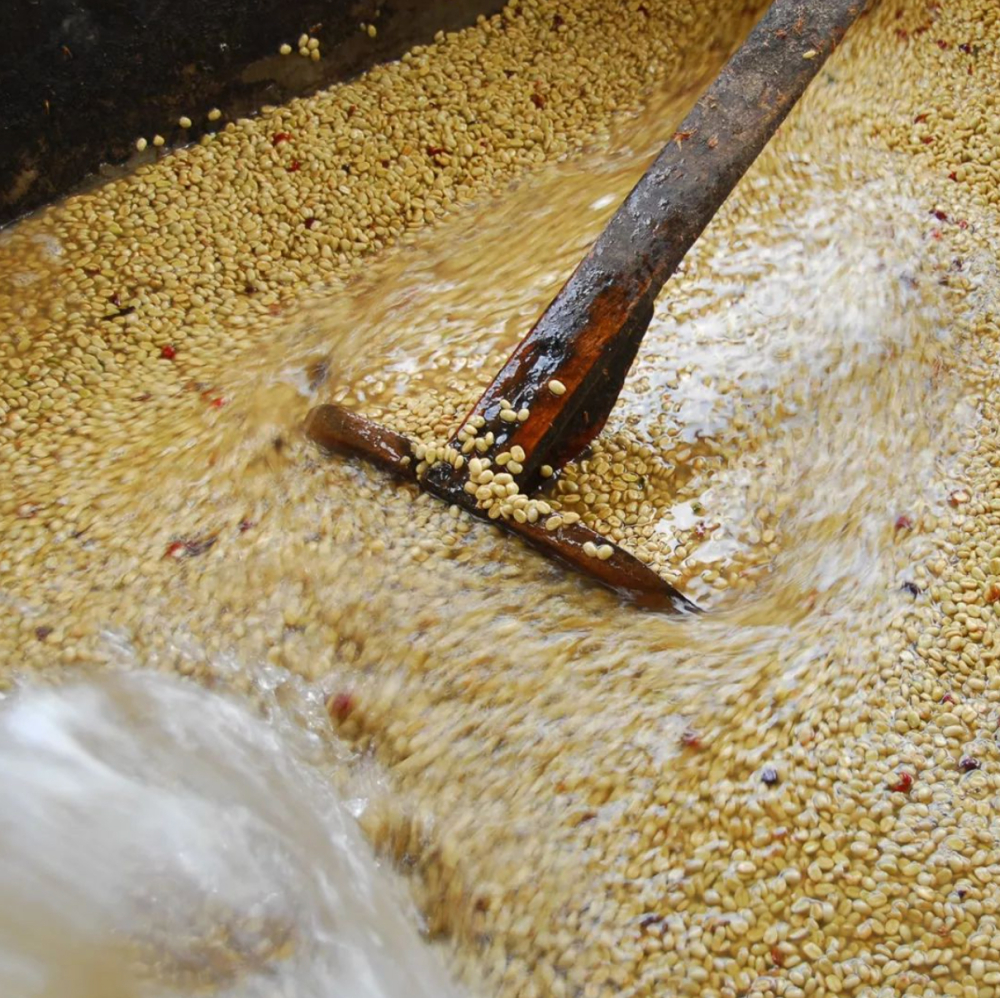
Kenyan coffee is mainly grown in the country’s high-altitude regions and is typically processed using the washed method. This refined technique effectively preserves the beans’ innate fruity aromas and delivers a clear acidity structure. Compared to other regions, Kenyan coffee can exhibit a layered and rich mouthfeel even with high acidity, similar to the density and smoothness of freshly squeezed tomato juice — one of the reasons it’s so beloved.
Many beginners in pour over brewing often report that although the Kenyan beans they purchased are labeled as having rich fruitiness and a juicy profile, the actual brews end up either overly sharp and astringent or flat and dull. In reality, this is often directly related to improper water temperature control. To achieve the desired juicy mouthfeel, besides selecting the right coffee beans, mastering water temperature during extraction is a critical factor.
The so-called juicy mouthfeel is actually an illusion created by the fruit aromas captured by your nose during inhalation, combined with the sweet and acidic aftertaste released through retronasal olfaction after swallowing — making it feel like you're tasting fresh fruit. This experience is not just about a single flavor, but rather a perfect balance among acidity, sweetness, and aroma. Therefore, if the beans themselves lack sufficient floral and fruity compounds, or if over-roasting leads to acidity loss, even the most accurate water temperature won’t deliver the ideal juicy effect.
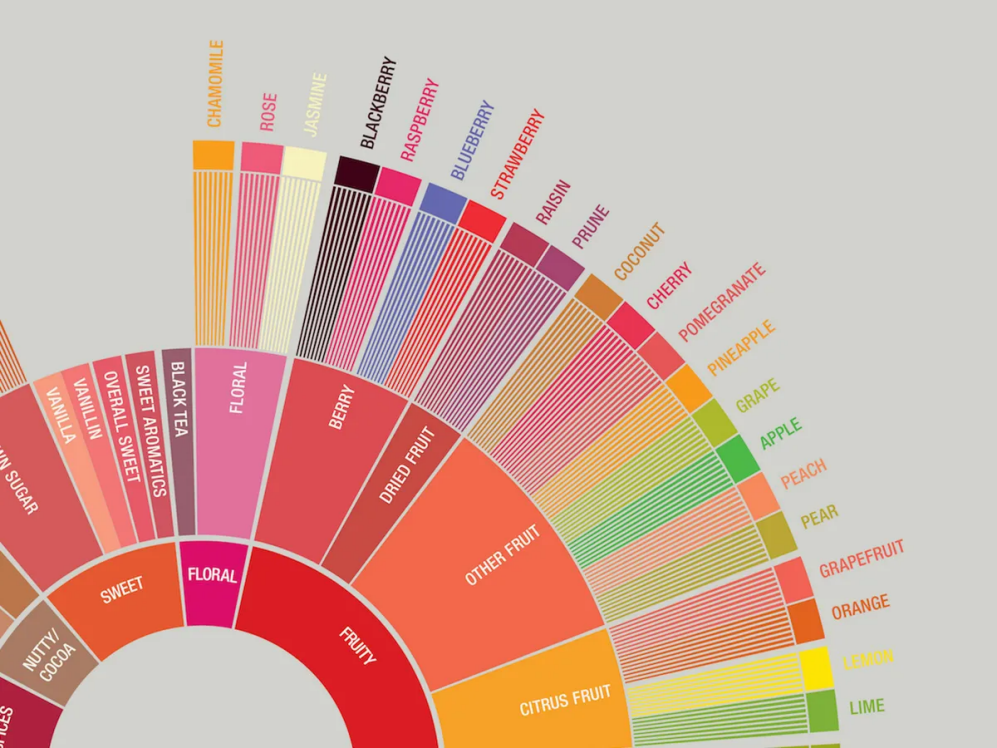
Among the various fruit flavors, common descriptors for Kenyan coffee include citrus, lemon, grapefruit, passion fruit, and berries. These flavors mostly come from organic acids in the beans such as citric acid, malic acid, tartaric acid, and lactic acid. To allow these flavors to fully express themselves during pour over brewing, it is recommended to use a water temperature between 90 to 93°C . This range can effectively extract acidity and sweetness without causing over-extraction or bitterness due to excessively high temperatures.
In practice, you can fine-tune according to personal preference: if you prefer a brighter citrus acidity, opt for the lower temperature end closer to 90°C [placeholder for specific temp, not given] 92 to 93°C ; if you wish to enhance the sweetness and body of berries and grapefruit, then it’s advisable to use the higher temperature range. Additionally, it’s recommended to use a pulsed or staged pouring technique — start by pouring in a circular motion around the center to wet the coffee grounds, then gradually expand the area — which helps achieve even extraction and avoid localized over-extraction.
It’s important to note that water temperature is just one of many variables affecting extraction. Factors such as coffee grind size, coffee-to-water ratio, brew time, and technique also significantly influence the final flavor profile. It is generally recommended to use a medium-fine grind (similar to granulated sugar), maintain a coffee-to-water ratio between 1:15 to 1:16 , and aim for a total brew time of around 2 minutes 30 seconds to 3 minutes. This approach offers a higher likelihood of stably highlighting the juicy mouthfeel and layered complexity of Kenyan coffee.
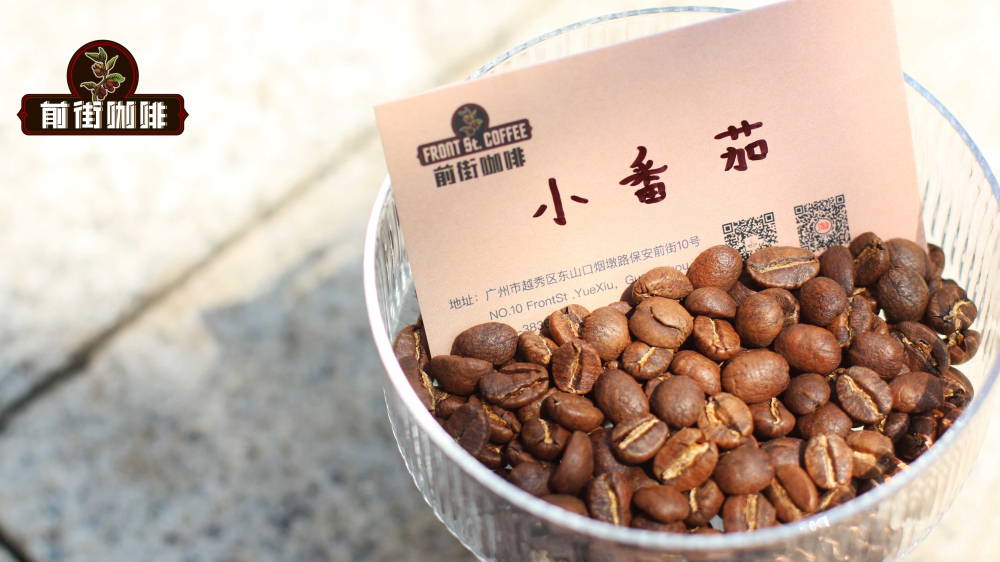
Most Kenyan coffee is processed using the washed method, which removes pulp impurities while preserving the beans’ original fruity aromas and acidity characteristics. Compared to natural or honey processing, washed beans usually have a clearer flavor profile and a more balanced acidity-sweetness structure, making them ideal for pour over enthusiasts seeking a juicy cup with a clean finish. Moreover, Kenyan beans are typically roasted to a light-to-medium or medium level, a roast design that highlights refreshing fruit notes like lemon, citrus, and grapefruit, while retaining a moderate level of sweetness for balance.
Finally, bear in mind that the optimal water temperature and extraction parameters may vary slightly depending on the specific Kenyan coffee bean’s origin, processing batch, and roaster. It’s recommended to adjust water temperature and brewing techniques based on the flavor description of the beans at hand and your personal preferences. Through multiple trials, you can find the extraction method that suits you best, ensuring that every cup of Kenyan pour over showcases that vivid, tomato-like juicy texture.
The above content is compiled by CoffeeHunters, a coffee news website.


