







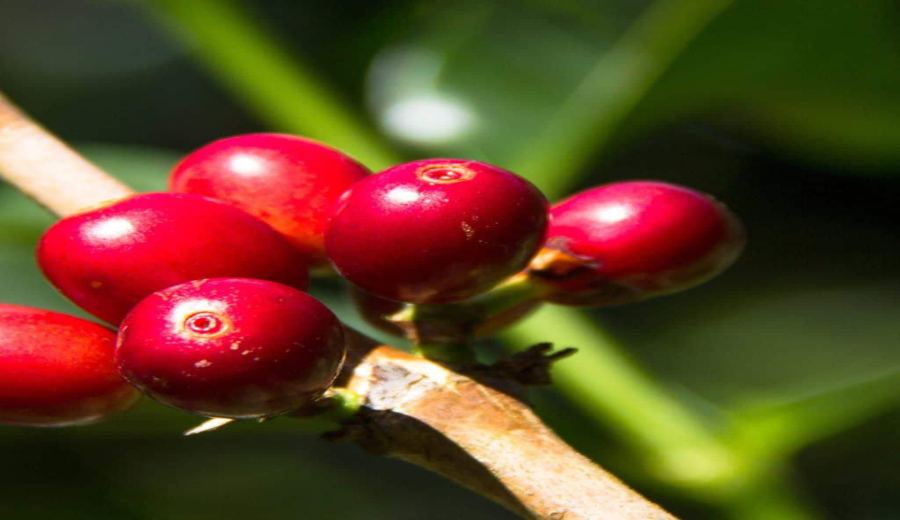
Introduction:Delve into the Hambella Guji region’s Huākuí 6.0 natural-process Ethiopian Yirgacheffe coffee beans. From the terroir, processing method to its flavor profile, this article explores how this highly acclaimed specialty coffee showcases tropical fruit notes and rich body through natural drying. It also offers practical pour over recommendations and flavor references to help coffee enthusiasts fully appreciate the unique charm of the Huākuí series.
As the birthplace of Arabica coffee, Ethiopia boasts over 3,500 native coffee varieties. Among them, the Yirgacheffe region is globally recognized in the specialty coffee market for its diverse flavor expressions and longstanding natural processing tradition. The Huākuí series, one of the region’s flagship natural coffees, has captivated coffee lovers since 2017. In particular, Huākuí 6.0 has become a favorite among pour over enthusiasts due to its distinctive processing and regional characteristics.
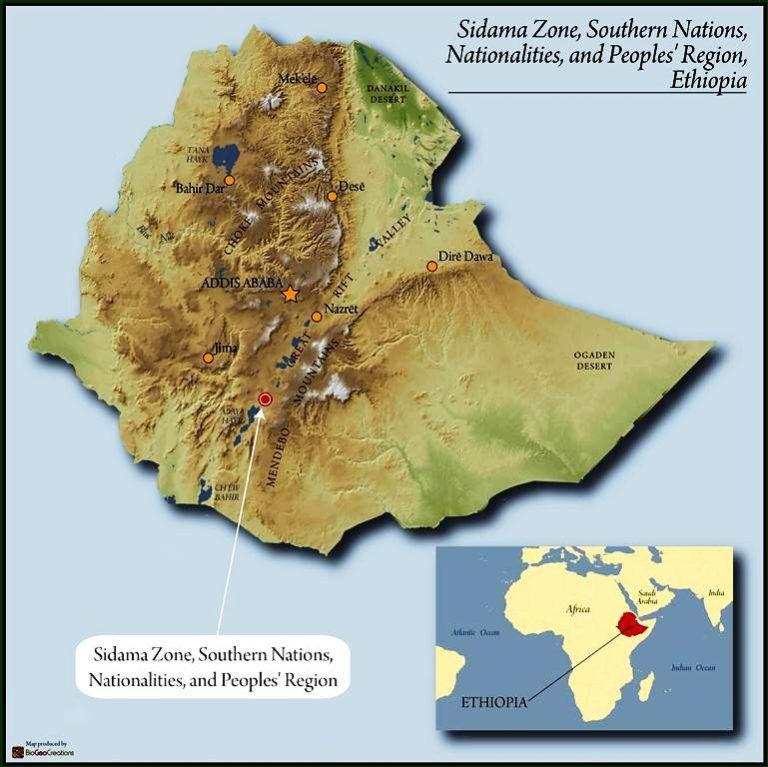
Located in southern Ethiopia, Yirgacheffe sits at elevations between 1,400 and 2,200 meters and borders Kenya. Its terrain features high mountains, plateaus, valleys, and plains, complemented by fertile volcanic soils and varied microclimates that contribute to the region's rich and unique coffee flavors. Local beans often exhibit bright acidity, smooth mouthfeel, and delicate floral aromas, whether washed or naturally processed, both showcasing exceptional quality potential. Washed Yirgacheffe beans are typically light green, small and oval-shaped, with fragrant aromas and long-lasting aftertastes featuring bright citrus acidity and wild character. Natural versions, on the other hand, often present more intense floral notes, occasionally accompanied by earthy undertones, resulting in a more layered flavor profile.
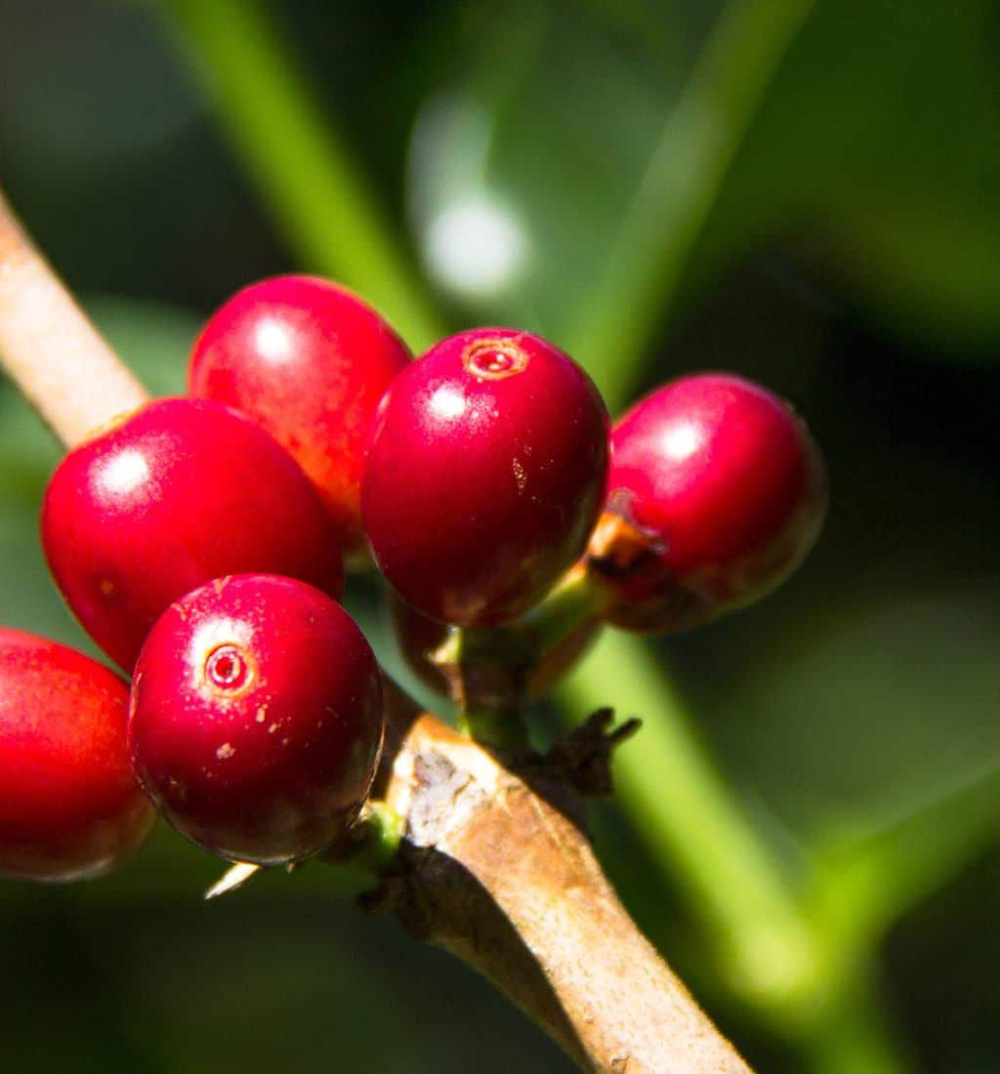
The Huākuí coffee originates from the Hambella sub-region within Yirgacheffe, which borders Kochore of Gedeb to the west and connects to other Guji sub-regions such as Shakiso, Uraga, and Kercha to the east, south, and north. Hambella sits at around 2,000 meters above sea level, with some villages reaching up to 2,200 meters. Residents live in high-altitude, off-grid environments with limited transportation and electricity, yet they meticulously cultivate and process each batch of coffee beans. The Buku washing station is the main producer of the Huākuí series in the Hambella region, located in Buku Abel village at 2,200 meters elevation. It benefits from red-brown soil rich in humus and natural shade provided by Enset trees during cultivation. This helps the coffee cherries accumulate flavor under ample sunlight while avoiding excessive nutrient depletion, thus preserving more essential compounds in the final beans.
Natural processing, also known as sun-drying, is commonly used in the Yirgacheffe region. This technique involves drying whole coffee cherries in the sun for approximately 27 to 30 days until the moisture content drops to 11–12%. This method fully retains the sugars and flavor compounds in the fruit pulp, imparting intense tropical fruit acidity, a full body, and a multi-layered aromatic structure. Occasionally, it can also produce wine-like fermentation characteristics. Industry experts note that natural processing best highlights the regional identity of Yirgacheffe coffee, especially in high-altitude and uniquely microclimatic areas like Hambella, where its effects are particularly pronounced.
The origin of the name “Huākuí” is closely tied to a 2017 Chinese coffee competition. That year, a natural coffee bean produced by the Buku Abel washing station—operated by DW Company in Hambella—took second place in China’s TOH (Top of House) competition. Notably, most entries in the competition were Gesha varieties, making the success of this non-Gesha bean especially significant. Dubbed the “foremost among Geishas” at the time, it was thus named “Huākuí” (meaning “Foremost Beauty”). Since then, each year’s premium natural lots from this washing station have carried the Huākuí name, distinguished by numbers indicating the year—for example, 2018’s Huākuí 2.0, 2019’s 3.0 and 3.1, 2020’s 4.0, and 2021’s 5.0. The anticipated release of Huākuí 6.0 in 2022 also generated much excitement.
The processing method of Huākuí coffee follows Ethiopia’s traditional natural technique. Considered one of the oldest and most classic coffee processing methods, it is relatively straightforward: freshly harvested coffee cherries are spread out in the sun to dry for several weeks until their moisture content is reduced to about 11%. The dried cherries are then mechanically hulled to remove the skin and pulp before storage and export. This method not only preserves the beans’ natural acidity and aromas but also enhances their flavor complexity and unique fermentation characteristics.
Regarding the specific flavor profile of Huākuí 6.0, based on past data and tasting notes, this coffee typically exhibits prominent floral, berry, and citrus notes, complemented by the tartness of plum, the juiciness of mango, and the sweetness of honey. The finish delivers a smooth, tea-like body with a sweet aftertaste. This flavor profile makes Huākuí 6.0 an excellent choice for pour over lovers seeking a balance of fruity brightness and body richness.
For pour over brewing suggestions for Huākuí 6.0 or other Yirgacheffe naturals, you may refer to the following parameters: Use a Hario V60 filter, set water temperature to 90°C, use 15 grams of coffee, with a 1:15 coffee-to-water ratio, and grind size at medium-fine (approximately 80% passing through a standard Chinese No. 20 sieve). Specifically, start with a 30-second bloom using twice the coffee weight in water (about 30 grams), then pour in a circular motion to reach 125 grams for the first pour. Continue pouring to 225 grams before stopping, and let the dripping finish before removing the filter. The total brew time is around 2 minutes. These settings help fully highlight the fruitiness and sweet-tart layers of Huākuí, while maintaining balanced and smooth mouthfeel.
Whether you’re new to Ethiopian coffee or an experienced pour over enthusiast seeking unique flavor experiences, Huākuí 6.0 is well worth trying. Its distinctive origin, traditional natural processing, and rich aromatic expression undoubtedly add an unforgettable hue to the world of specialty coffee.
The above content is compiled by CoffeeHunters, a coffee news website.


