








Introduction:Ethiopian Yirgacheffe is renowned for its floral and fruity aromas, but do you know the difference between G1 and G2 coffee beans? This article delves into the evolution of Ethiopia’s coffee grading system—from physical characteristics and cupping standards to defect rate comparisons—helping you understand the key distinctions between washed and natural processed beans. Through actual cupping data, we’ll guide you in choosing the Yirgacheffe beans that suit you best.
Yirgacheffe is one of Ethiopia’s most iconic coffee-growing regions, celebrated for its unique floral and fruity flavor profile. Common tasting notes include jasmine, lemon, citrus, and tea-like layers, making it a favorite among coffee enthusiasts worldwide. However, many consumers are often confused about the difference between G1 and G2 grades. How are these two grades determined? What are the practical differences in flavor, defect rates, and processing methods? This article will give you a comprehensive breakdown.
Yirgacheffe holds a pivotal position in Ethiopia’s coffee map. Whether it’s washed or natural processed beans—be it Guji Dindi, washed Yirgacheffe, or natural Red Cherry—they all exhibit bright acidity and delicate aromas, making them ideal for coffee newcomers and a great everyday choice for seasoned drinkers. However, to truly appreciate the value of these coffees, it’s essential to start with an understanding of their grading system.
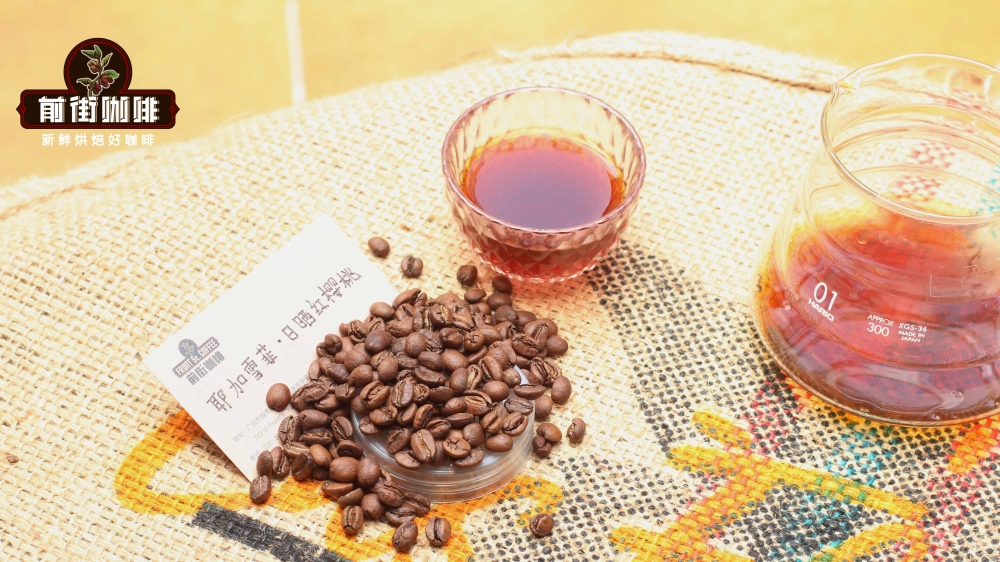
In Ethiopia, coffee grading was initially overseen by the CLU (Cupping and Liquoring Unit), a department under the Ethiopian Ministry of Agriculture. Its main responsibilities included evaluating the quality of export coffee, with grade classification being a critical component. Before the establishment of the ECX (Ethiopian Commodity Exchange), washed beans were exported under G1 and G2 grades, while natural beans were limited to G3, G4, and G5—the highest grade for natural coffee at the time being G3.
With the founding of the ECX, the entire grading system underwent reforms. While the names for washed and natural grades remained, natural beans were for the first time assigned a G1 grade—this explains why G1 and G2 natural beans are gradually becoming more common in the market today, while G3 is increasingly rare. Previously, grading was based solely on the number of defective beans, with washed beans capped at Grade 1 and natural beans at Grade 3. The current system integrates both physical traits and cupping flavors for a more scientific and holistic evaluation.
Ethiopia’s current grading system categorizes coffee into three main groups:
a. Specialty (both washed and natural): Low defect count, outstanding cupping performance, primarily targeting the international specialty market;
b. Commercial (both washed and natural): Not specialty grade, but above the general domestic consumption standard;
c. Local / Domestic (both washed and natural): Higher defect rates, greater proportion of unripe beans, or flavor degradation due to improper storage, mainly supplied for domestic markets.
Among these, Specialty and Commercial grades are for export, while Local is intended for domestic sales.

Regarding specific scoring criteria, the ECX assigns clear weightings based on processing method:
Scoring breakdown for washed processing:
• Physical characteristics account for 40%: including defect count (20%), bean size (10%), color (5%), and aroma (5%)
• Cupping quality accounts for 60%: including cleanliness (15%), acidity (15%), mouthfeel (15%), and flavor characteristics (15%)
Scoring breakdown for natural processing:
• Physical characteristics account for 40%: with defect count making up 30% and aroma 10%
• Cupping quality accounts for 60%: including cleanliness (15%), acidity (15%), mouthfeel (15%), and flavor characteristics (15%)
Overall, all coffee is divided into washed and natural categories based on processing method, then further classified into nine grades from G1 to G9 according to physical and cupping performance. Among these, G1 to G3 are additionally evaluated using SCAA standards; those scoring above 85 points in flavor are classified as Q1 grade; 80–85 points as Q2; and below 80 points are all grouped under G3 grade, designated for commercial export. Q1 and Q2 are specialty grades, while G4 to G9 are general commercial grades.
Specifically regarding the difference between G1 and G2, for washed beans, G1 has 0–3 defective beans per 300 grams, while G2 has 4–12. Although subjective differences may exist in actual defect assessment, G1 clearly outperforms G2 in defect rate, which directly affects its cupping score and overall flavor profile. It’s worth noting that even if the defect count meets G1 standards, the grade may still be downgraded to G2 if the cupping score is below 91.
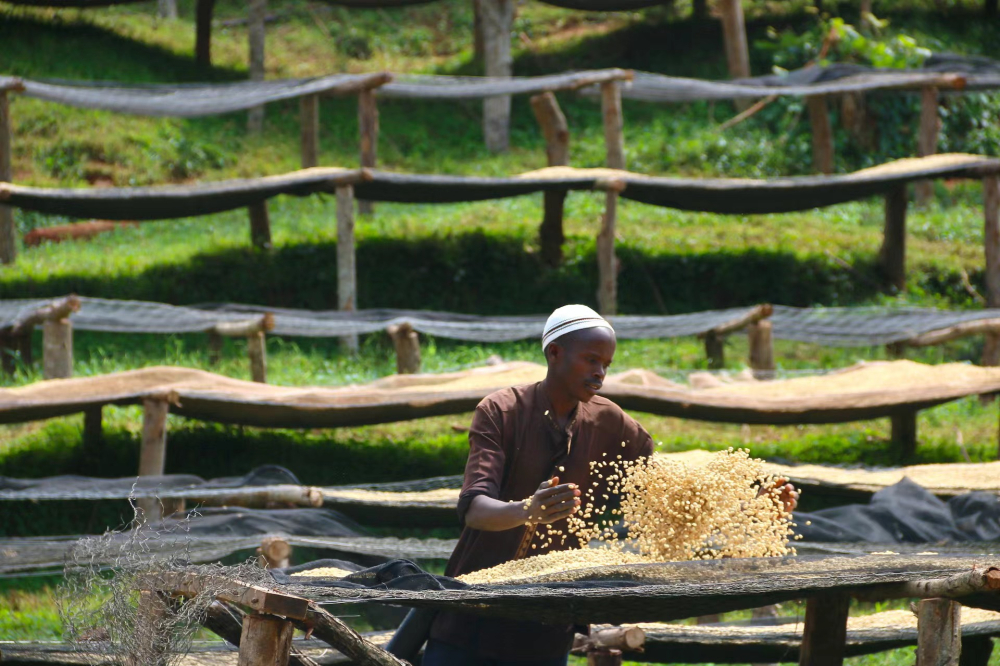
Actual cupping data shows that both G1 and G2 washed Yirgacheffe beans exhibit flavor profiles of citrus, berries, honey, and fruit tea. However, G1 excels in cleanliness and flavor clarity, with more refined and layered aromas and a smoother mouthfeel. In comparison, G2 also offers bright acidity and floral-fruity notes, but slightly lags behind in overall flavor intensity and consistency.
In summary, choosing between Yirgacheffe G1 and G2 depends not only on your budget but also on your tolerance for flavor purity and defect rates. If you’re after a more refined cup experience, G1 is undoubtedly the better choice; whereas G2, with its relatively more affordable price, still delivers a commendable floral-fruit profile suitable for everyday enjoyment. Understanding these differences will empower you to select your ideal Yirgacheffe coffee beans with confidence.
The above content is compiled by CoffeeHunters, a coffee news website.


