







Introduction:Want to learn about the world-renowned Yirgacheffe coffee? This article starts with its historical origins and growing environment, delves into the flavor differences brought by washed and natural processing methods, and details the characteristics of native varieties and the strict green bean grading system. Additionally, it provides practical pour over brewing tips, including water temperature, grind size, and a three-step pouring technique, to help you fully unlock its captivating floral and fruity aromas and bright acidity.
Yirgacheffe, the name of this small town in southern Ethiopia, Africa, has long become a shining name card in the specialty coffee world. Not only because of its uniquely favorable growing environment, but also because the coffee beans produced there exhibit a highly distinctive flavor profile—bright lemon, delicate white flowers, and soft honey sweetness, making it unforgettable upon first try. If you’re planning to dive deeper into this highly acclaimed coffee, this article will analyze its charm from multiple perspectives.
[Where does Yirgacheffe’s unique flavor come from?]
When talking about Yirgacheffe, the most frequently mentioned aspect is its bright and refreshing acidity. This acidity is not sharp or harsh, but rather lively like lemon, accompanied by elegant white floral notes and a hint of sweet honey on the finish. On the palate, the overall profile is soft and balanced, with an aftertaste that even carries a slight green tea-like freshness, forming a strong contrast with the heavy bitterness typically associated with dark roasted coffee. These characteristics make Yirgacheffe a top choice for many coffee enthusiasts when first exploring specialty coffee.
[The secret behind the variety: The diverse charm of Ethiopian native varieties]
The coffee beans from Yirgacheffe primarily use the locally unique 'Ethiopian native variety (Heirloom).' This is not a single variety, but a group of coffee trees that have naturally evolved on the Ethiopian highlands, possessing extremely high genetic diversity. Because of this, Yirgacheffe coffee beans often vary in size and shape, but this 'irregularity' is one of the sources of its unique flavors. If you see Yirgacheffe labeled products using other specific varieties (such as Caturra or Geisha), then they are likely not authentic products from this region.
[Growing Environment: Refined flavors shaped by high altitude]
Yirgacheffe is located in the Gedeo Zone of southern Ethiopia, in a plateau area at an altitude of approximately 1,700 to 2,100 meters. The climate here is cool, with large day-night temperature variations, allowing coffee cherries to accumulate richer flavor compounds and sugars during a slower ripening process. It’s worth mentioning that the name 'Yirgacheffe' means 'settled by the wetland' in the local language, reflecting the close relationship between its geographical environment and water sources. In addition, most of the farming here is done by smallholder families, with coffee trees often intercropped with other plants, not only sustaining livelihoods but also creating a unique terroir background.
[Washed vs Natural: A flavor face-off between two processing methods]
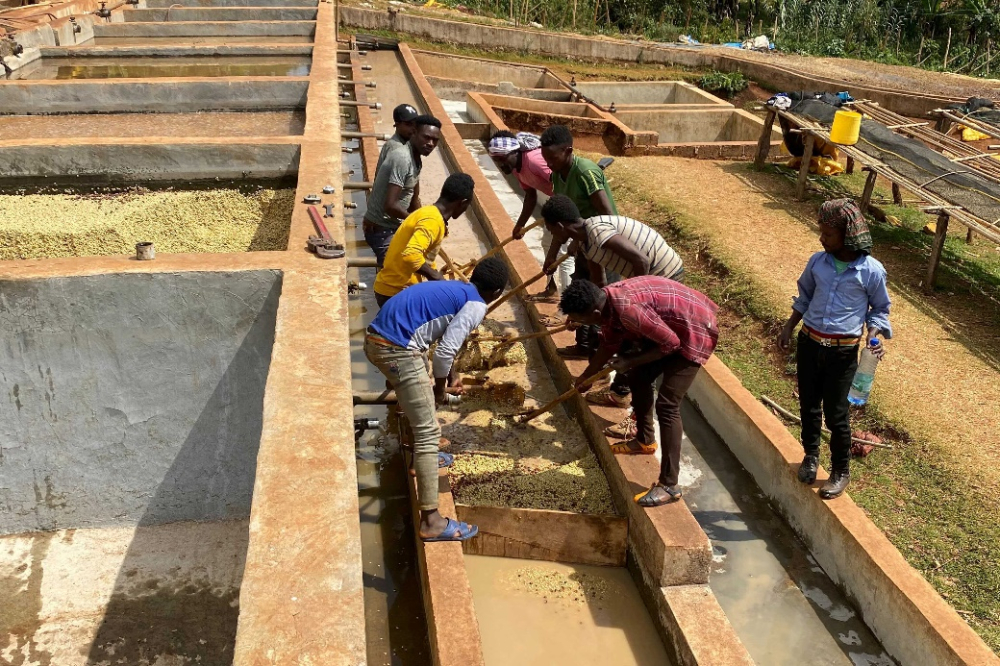
The processing methods for Yirgacheffe are mainly divided into washed and natural, both of which have a significant impact on the final flavor.
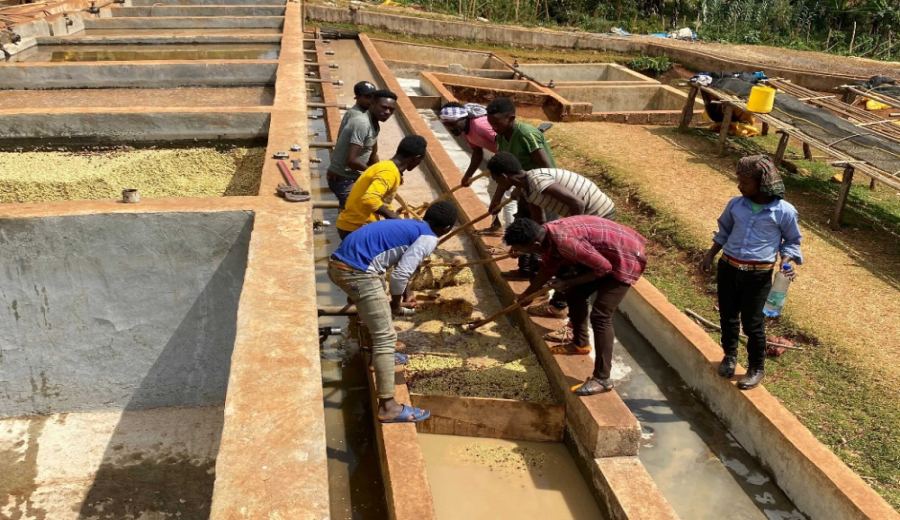
Washed Process: First, the coffee cherries are soaked in water, where unripe or defective beans are removed using buoyancy principles. Then the fruit pulp is mechanically removed, followed by a 12 to 36-hour fermentation process where microbes break down the mucilage layer. After thorough washing, the beans are dried in the sun. This method highlights the regional characteristics of the coffee, resulting in bright and clean flavors, with pure acidity and fewer impurities, making it suitable for those new to Yirgacheffe.
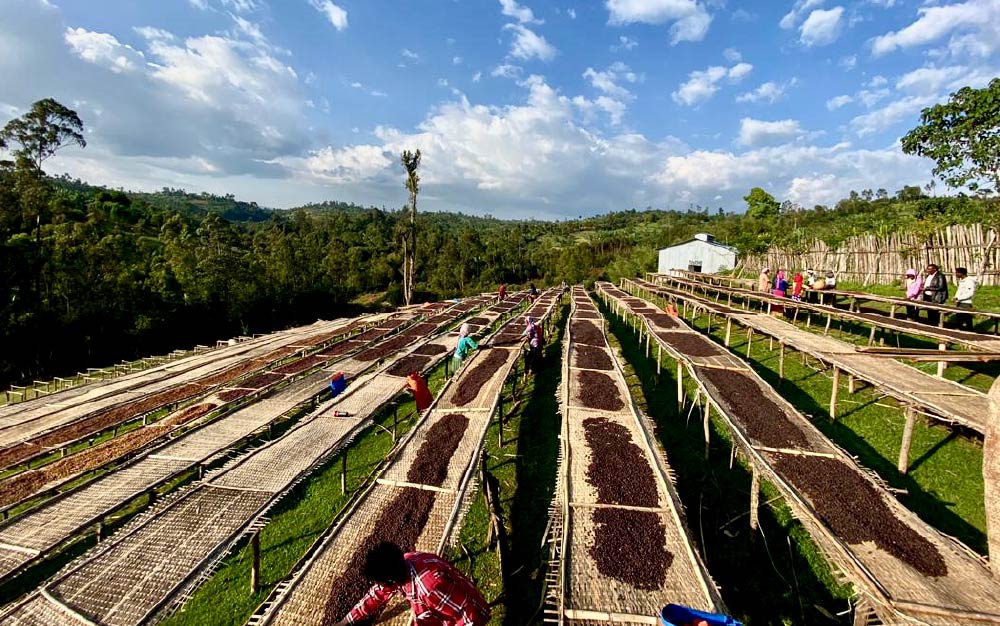
Natural Process: The whole red cherries are directly placed on raised drying beds and sun-dried, requiring manual turning to avoid over-fermentation. Once the moisture content drops to 11% to 12%, the beans are hulled. This method imparts a more intense fruity and sweet profile, often featuring rich berry and tropical fruit notes, with a bolder and more complex flavor.
Visual Guide:
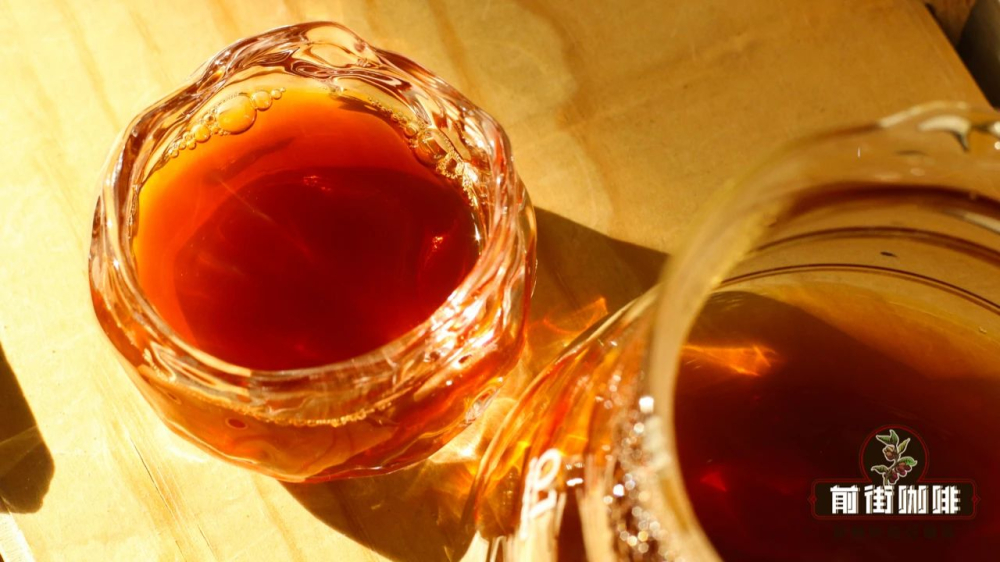
If you’re a beginner in pour over brewing, it’s recommended to start with washed Yirgacheffe to experience its clear layering and balanced acidity and sweetness.
[Grading System: How to distinguish the quality levels of Yirgacheffe?]
The grading of Yirgacheffe green beans is mainly based on the cupping standards set by the Specialty Coffee Association of America (SCAA), using numbers to differentiate quality, where lower numbers indicate higher grades. Common grades include G1 and G2, with G1 being the highest level, typically featuring highly consistent flavor profiles and low defect rates. For example, the washed Yirgacheffe produced by the Gedeb Cooperative belongs to the G1 grade, with clear flavors, a combination of fruity and floral notes, and a well-balanced acidity and sweetness, making it a premium choice for many roasters and consumers.
[Red Cherry Project: An advanced version of natural processing]
In addition to traditional natural processing, some producers have further optimized the process and introduced premium natural beans such as the 'Red Cherry Project.' The harvested red coffee cherries are carefully selected and slowly dried on elevated drying beds, with frequent turning to control temperature throughout the process, ultimately bringing out intense berry aromas and a fuller mouthfeel. Such coffees are often regarded as the ultimate expression of Yirgacheffe’s flavors, and are not to be missed by those who enjoy rich fruitiness and sweetness.
[Brand Name. Natural Red Cherry Coffee Bean Info]
Region: Yirgacheffe Region, Aricha Estate G1
Altitude: 1700-2200m
Processing Method: Natural
Variety: Heirloom Native Variety
Flavor: Berries, Jasmine, Lemon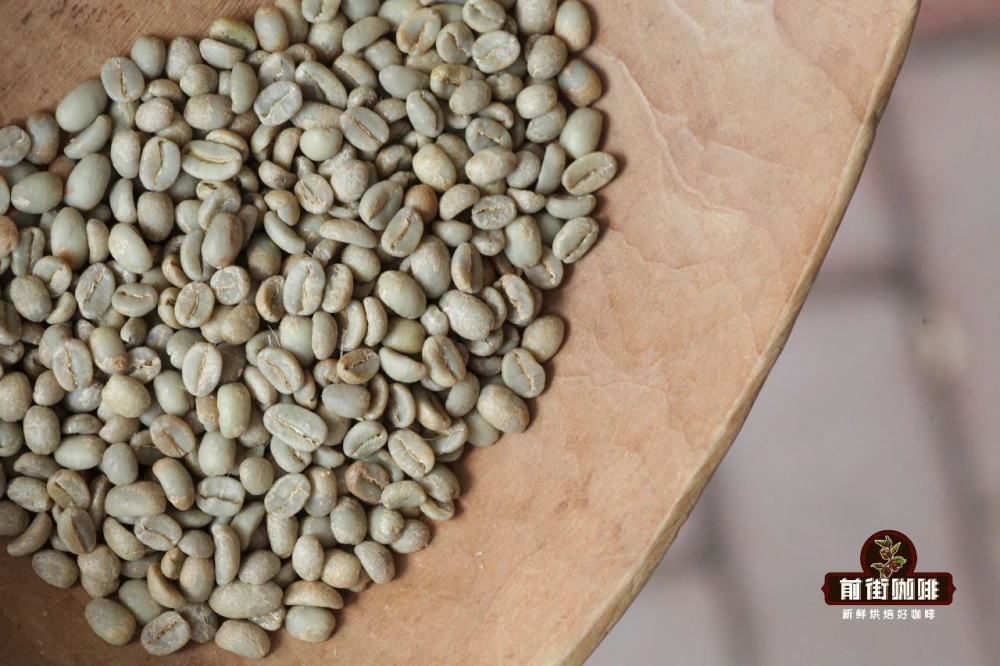
[Pour Over Parameters and Brewing Tips: Unleashing the Soul of Yirgacheffe]
To fully experience Yirgacheffe’s floral and fruity notes and vibrant acidity, the brewing parameters are crucial. It’s recommended to use freshly roasted coffee beans (ideally within 5 days of roasting), paired with appropriate water temperature and grind size, to bring out its most enchanting qualities.
Recommended parameters are as follows:
- Water Temperature: 92-93°C
- Grind Size: Fine sugar-like (approximately 78% passing through a #20 sieve)
- Filter: V60
- Coffee Dose: 15g
- Coffee-to-Water Ratio: 1:15
Three-Step Pouring Process:
1. First Pour: Add 30g of water, bloom for 30 seconds
2. Second Pour: Add 95g of hot water, when the coffee bed has descended about halfway
3. Third Pour: Continue adding 100g of water until dripping is complete
Throughout the process, it’s recommended to pour with a small stream, focusing on the center and gently spiraling outward, ensuring even extraction and avoiding over-extraction or channeling. These parameters help highlight Yirgacheffe’s bright lemony acidity, clear citrus tones, and leave a lasting green tea sensation and sugarcane sweetness in the aftertaste.
[Conclusion: Tasting Yirgacheffe Starts with Understanding]
Yirgacheffe is more than just coffee—it’s a flavor experience. Whether you prefer bright and delicate or bold and intense, by understanding its origin, processing methods, and suitable brewing techniques, you can find your own perfect cup of Yirgacheffe. Remember, freshness, water temperature, and grind size are the three keys to fully expressing its flavors. Now, take this guide and embark on your own Yirgacheffe journey.
The above content is compiled by CoffeeHunters, a coffee news website.


