







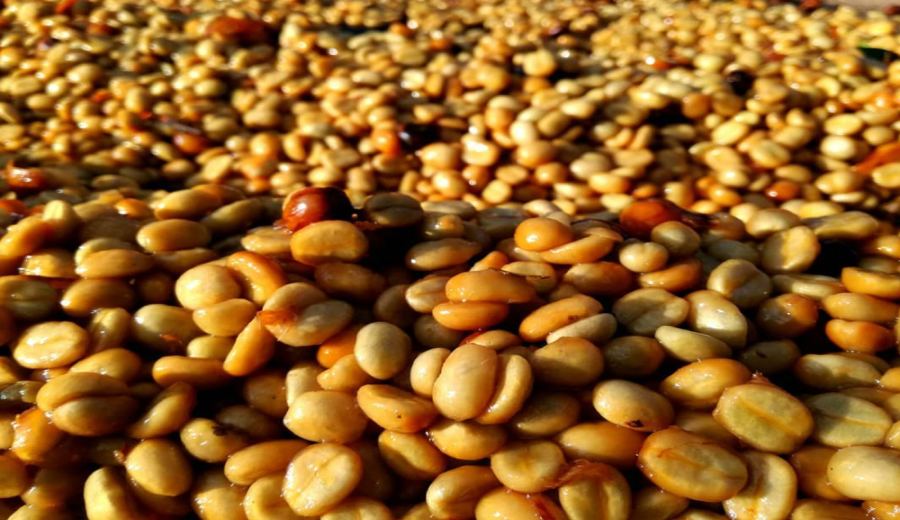
Introduction:Honey-processed coffee beans combine characteristics of both washed and natural processing methods. By controlling the proportion of mucilage retained, they achieve diverse flavor profiles. This article delves into the complete production process of honey processing—from harvesting to storage—detailing the key differences in mucilage retention rates among yellow honey, red honey, and black honey, and exploring how these differences influence the final cup. It also provides a practical buying guide to help you find the honey-processed coffee experience that best suits your personal taste preferences.
Honey processing is a post-harvest coffee method that sits between washed and natural processing. Its defining feature is the retention of varying degrees of mucilage, which imparts rich sweetness and unique fermentation aromas to the beans. Understanding each stage of honey processing helps uncover the key factors behind its flavor development and enables more informed purchasing decisions.
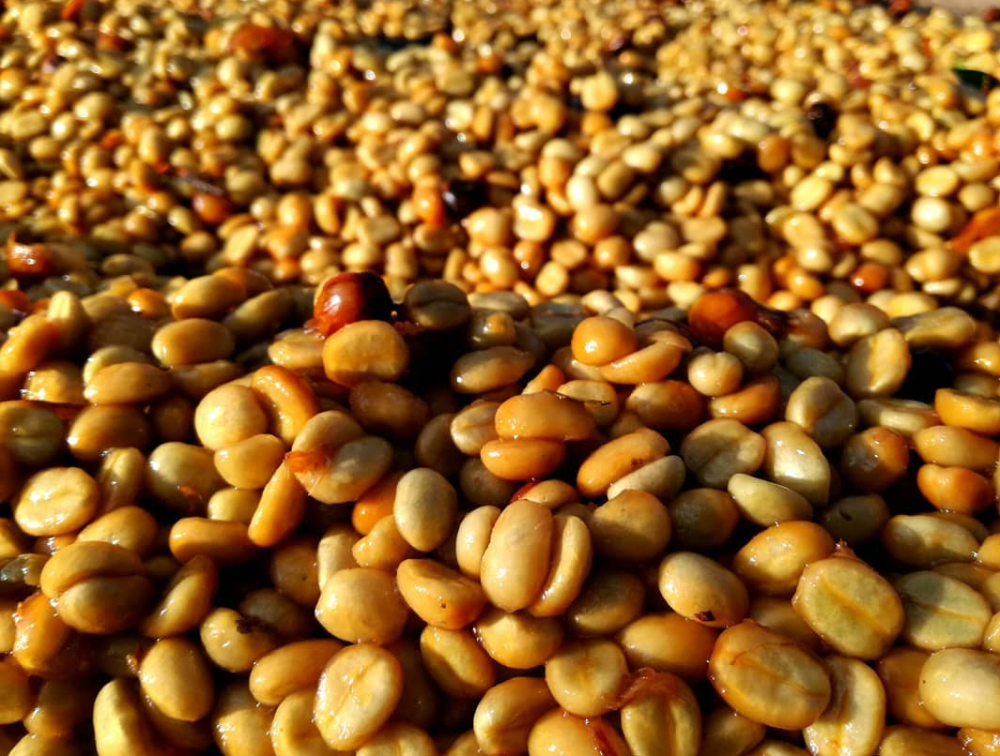
The honey processing workflow can be divided into four main steps: picking and sorting, pulping, drying, and storage. First, harvested coffee cherries undergo strict screening to retain only those with optimal ripeness and appearance. This step has a foundational impact on final flavor—poor-quality cherries can lead to off-flavors or uneven fermentation.
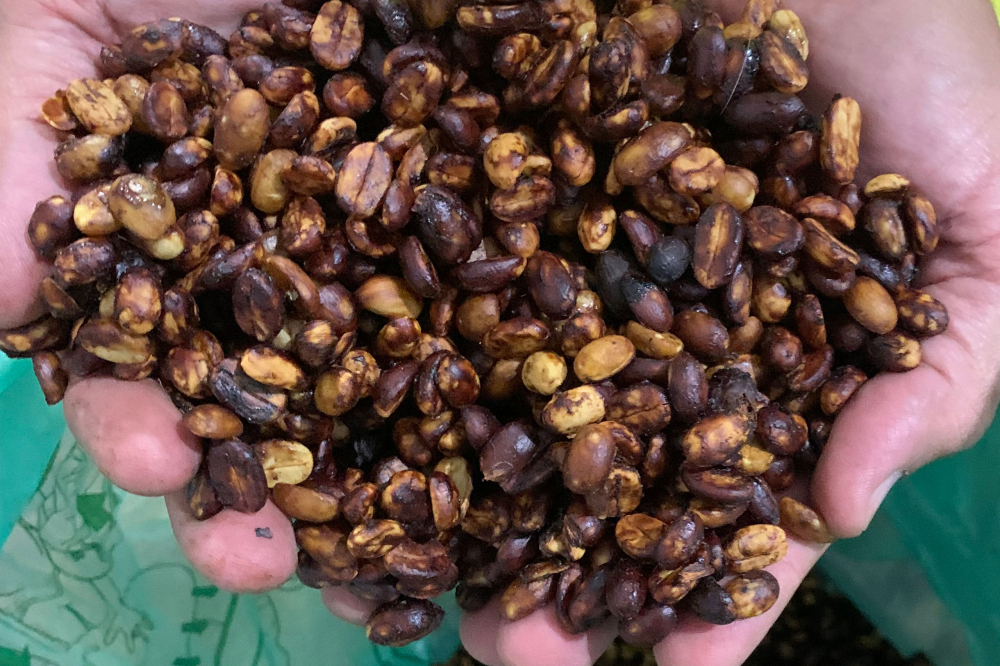
Next, the screened coffee cherries enter a pulping machine to remove the outer skin and most of the fruit pulp, butthe middle mucilage layer is retained.This mucilage layer contains a high concentration of natural sugars, serving as a vital energy source during fermentation and playing a critical role in the intensity of flavor and sweetness. Depending on the mucilage retention ratio, it is categorized into yellow honey (approximately 60% retained), red honey (around 75%), and black honey (nearly all retained). The more mucilage retained, the more pronounced the sweetness during drying and the more complex the overall flavor.
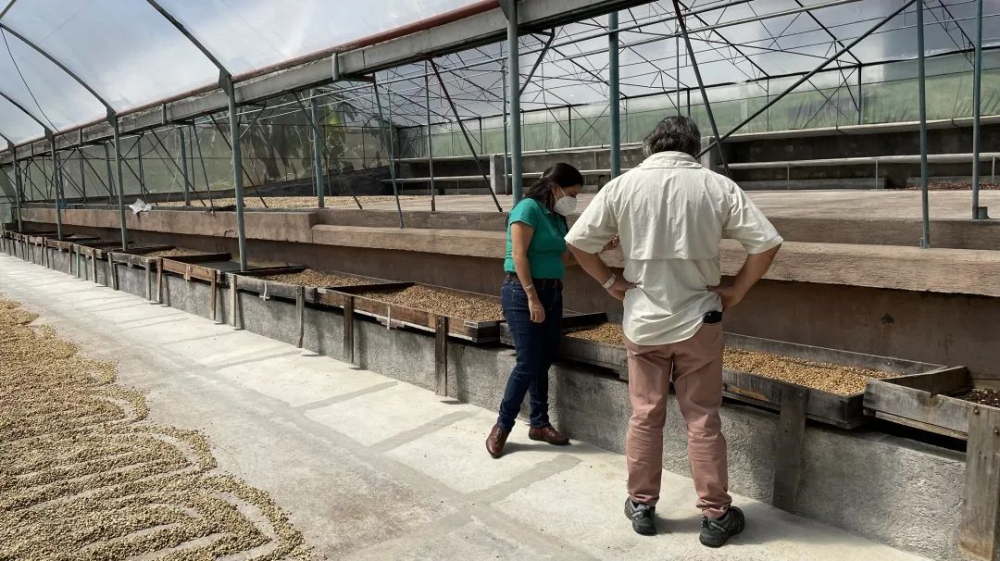
The drying stage is an extremely crucial part of honey processing, requiring the coffee beans’ moisture content to be reduced to approximately 11%. This process typically takes 18 to 25 days, depending on local climate conditions and processing expertise. During drying, the beans must be regularly turned to ensure even heat distribution and to prevent mold or over-fermentation. Temperature and humidity control are also meticulously managed to maintain stable fermentation of the mucilage layer.
Once dried, the coffee beans are temporarily bagged and stored until just before export, when the outer parchment layer is removed. This delayed hulling approach helps further stabilize the beans’ quality, ensuring consistent flavor during transportation and storage.
The flavor profile of honey-processed coffee generally exhibits a balanced acidity and sweetness. Compared to traditional natural processing, its aromas are clearer and more layered, with greater body. Compared to washed processing, honey processing retains some mucilage, bringing additional fermentation-derived aromas that make the coffee taste rounder and more dynamic.
In terms of origin, Costa Rica is relatively advanced in the application and development of honey processing techniques. Many renowned processing facilities there have accumulated extensive experience, so honey-processed coffees from this region are often highly regarded in the market for their flavor stability and consistency.
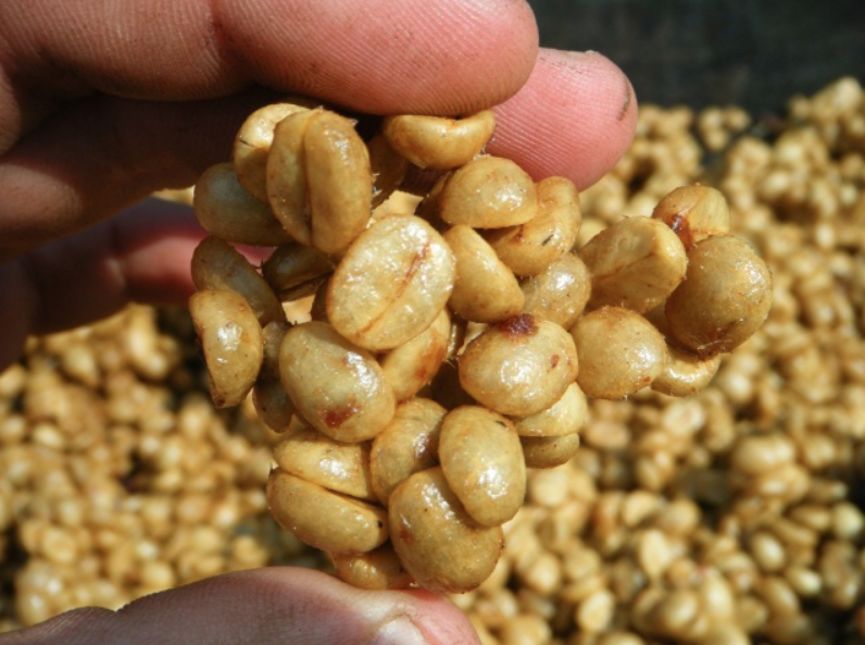
When selecting honey-processed coffee, freshness of the roast date is paramount. It’s recommended to choose products roasted within five days to ensure optimal flavor. Additionally, opting for roasters with a strong market reputation and consistent quality control is an important way to avoid disappointment.
Yellow honey-processed coffee typically showcases a gentle sweetness reminiscent of osmanthus, grapes, and honey, paired with light floral notes. It suits consumers who prefer lower acidity but seek layered mouthfeel. Americanos made from such beans are usually aromatic yet mild, balancing sweetness and body—ideal for everyday enjoyment.
Red honey-processed coffee boasts richer fruit tones, often featuring sweet notes akin to strawberry candy, along with caramel, raisin, and rose floral aromas. It appeals to users who enjoy multifaceted flavor layers. Such coffees often achieve the best balance and aroma expression when roasted to a medium level.
Black honey-processed coffee is renowned for its intense sweetness, characterized by flavors like Kyoho grape fruitiness and fermented wine-like notes. These coffees are ideal for deep sipping, often accompanied by rich rose aromas and lingering aftertastes, making them perfect for advanced flavor enthusiasts to explore.
In summary, honey-processed coffee, through adjustments in mucilage retention ratios, creates diverse flavor expressions ranging from bright and refreshing to bold and intense. Whether you’re new to specialty coffee or an advanced connoisseur, understanding these differences can help you make choices that better align with your personal taste.
The above content is compiled by CoffeeHunters, a coffee news website.


