







Introduction:Are single-origin pour over beans suitable for making espresso? The answer is yes, but it requires mastering key techniques. SOE (Single Origin Espresso) can highlight the unique flavor profiles of a specific origin—ranging from bright fruity acidity to rich chocolatey tones—through precise roasting and extraction. This article delves into the definition, characteristics, and historical background of SOE, along with practical extraction parameters and latte-making steps to help you craft a clear-flavored espresso using single-origin beans.
Can the single-origin beans used for pour over be used for espresso? This is a common question among many coffee enthusiasts. In fact, SOE (Single Origin Espresso) is precisely made from single-origin beans, showcasing distinctive regional flavors—such as floral-fruity acidity or nutty-chocolatey notes—through specific roast profiles and extraction parameters. Unlike blends that aim for balance, SOE places greater emphasis on the recognizability of origin flavors and demands higher quality beans and extraction techniques. This article will start with the basic concept of SOE, explore which coffee beans are suitable for SOE production, and share a complete workflow—from espresso extraction to latte serving—using real-world examples.
The full name of SOE is Single Origin Espresso, commonly translated in Chinese as "單一產地濃縮咖啡" (Single-Origin Espresso). Its core lies in amplifying the signature flavors of a specific origin, meaning it is espresso extracted from single-origin coffee beans. In contrast, traditional blends mix beans from multiple origins to achieve balanced and stable flavors. On café menus, SOE is typically made from lightly roasted beans to showcase the origin’s unique floral and fruity acidity—such as Ethiopian Yirgacheffe with its jasmine floral notes and citrus acidity, or Kenyan beans offering tartness reminiscent of black plums and dark berries. Of course, there are also slightly darker roasted SOEs with nutty profiles, such as Colombian dark chocolate aftertastes or Brazilian creamy caramel flavors, which can serve as excellent bases for lattes, Americanos, and other drinks.
What makes SOE unique is that it flips the logic of traditional blends. In the past, coffee suppliers often mixed beans from different origins to ensure flavor stability and reduce costs. But SOE emphasizes origin traceability, striving to faithfully present the unique flavors of the origin throughout roasting and extraction. A coffee’s flavor is influenced by numerous factors, including growing environment, processing methods, roast level, and extraction parameters. To deliver outstanding flavor, roasters often need to select higher-quality coffee batches, which also makes SOE relatively more expensive in cost and pricing.
When making blends, roasters often deepen the roast to balance flavors and mask defects. However, SOE aims to showcase distinct flavor profiles, so the roast level is usually not too dark to avoid a lack of complexity in the espresso. But unlike the very light roasts used for pour-over single-origin beans, SOE’s roast level needs to strike a balance—avoiding overly sharp or astringent acidity at high concentrations. This means SOE requires a dedicated roast profile and corresponding extraction parameters to fully highlight the origin’s premium flavors.
The popularity of SOE is closely tied to the specialty coffee wave. As high-quality single-origin beans gradually entered café menus, some competitive baristas began experimenting with using premium single-origin beans to make espresso, fine-tuning extraction parameters to produce uniquely expressive espressos. Additionally, the rise of social media accelerated the spread of this trend. In fact, SOE isn’t a new concept—in the early days of espresso, many cafés used single-origin beans, though they weren’t specifically highlighted at the time. As coffee consumption grew, some businesses turned to blends to ensure flavor stability. In recent years, with the rise of specialty coffee culture, consumers have increasingly valued bean traceability, bringing SOE back into the spotlight.
So, which coffee beans are suitable for SOE? It depends on personal taste preferences. If you enjoy fruity acidity and sweetness, opt for medium-light roasted single-origin beans—such as Ethiopian natural Yirgacheffe, which features bright acidity and sweetness with flavors of tropical fruits and berries. If you prefer chocolate and nutty profiles, choose slightly darker roasted single-origin beans, like Brazilian coffee, whose espresso offers creamy peanut and dark chocolate sweetness. Regardless of the bean choice, freshness is key. It’s recommended to use beans roasted within five days to ensure optimal flavor expression.
For lighter-roasted beans, shorter roasting times result in harder internal textures, making flavors harder to extract. In such cases, adjust extraction parameters to improve extraction yield—such as extending brew time, raising water temperature, using finer grind size, or increasing coffee dose. Making SOE is a true test of a barista’s skill, requiring gradual adjustments to various parameters based on the bean’s roast level to achieve the best flavor. Poor bean selection or inadequate technique can lead to overly bitter or sour coffee. Therefore, choosing beans suitable for SOE extraction not only enhances espresso quality but also ensures smoother lattes or Americanos when milk is added later.
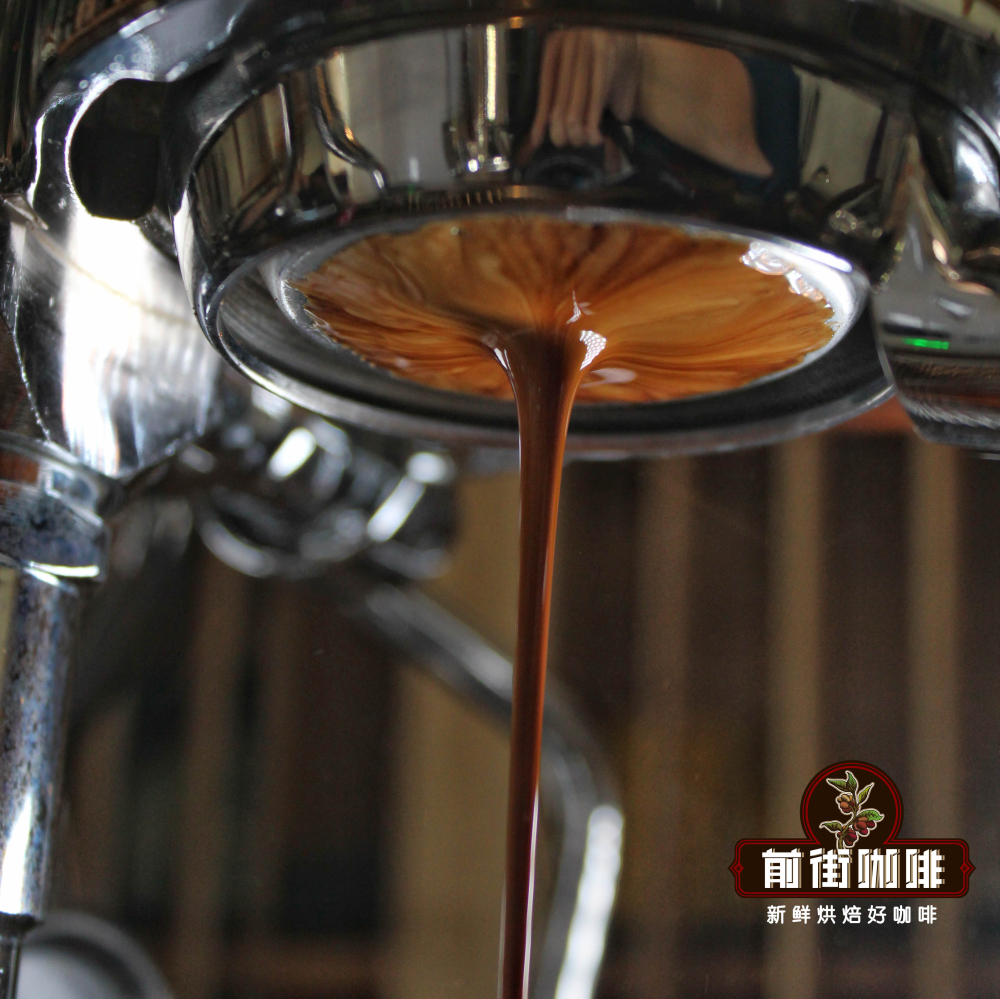
Take the natural Heirloom Huakui SOE as an example—it has two roast curves: one suitable for cold brew and pour over (medium-light), and another tailored for espresso machines (medium). If you plan to make a latte with golden crema and delicate latte art, the latter is recommended. For espresso extraction, use 20 grams of coffee grounds, aiming to extract 40 grams of espresso with a 1:2 brew ratio, keeping the extraction time between 26–32 seconds. These parameters ensure balanced and layered flavors.
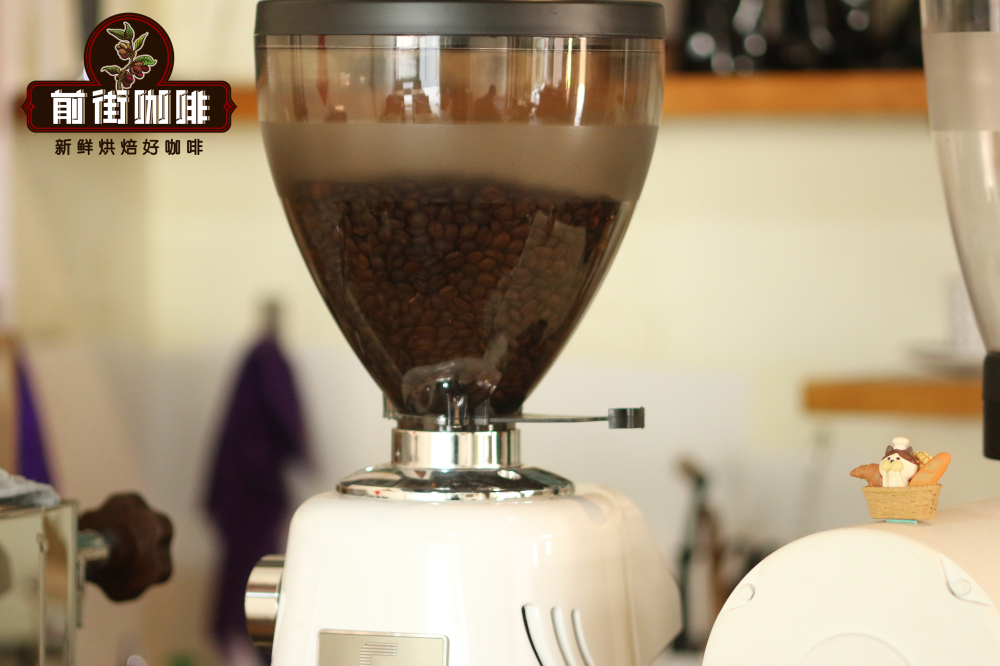
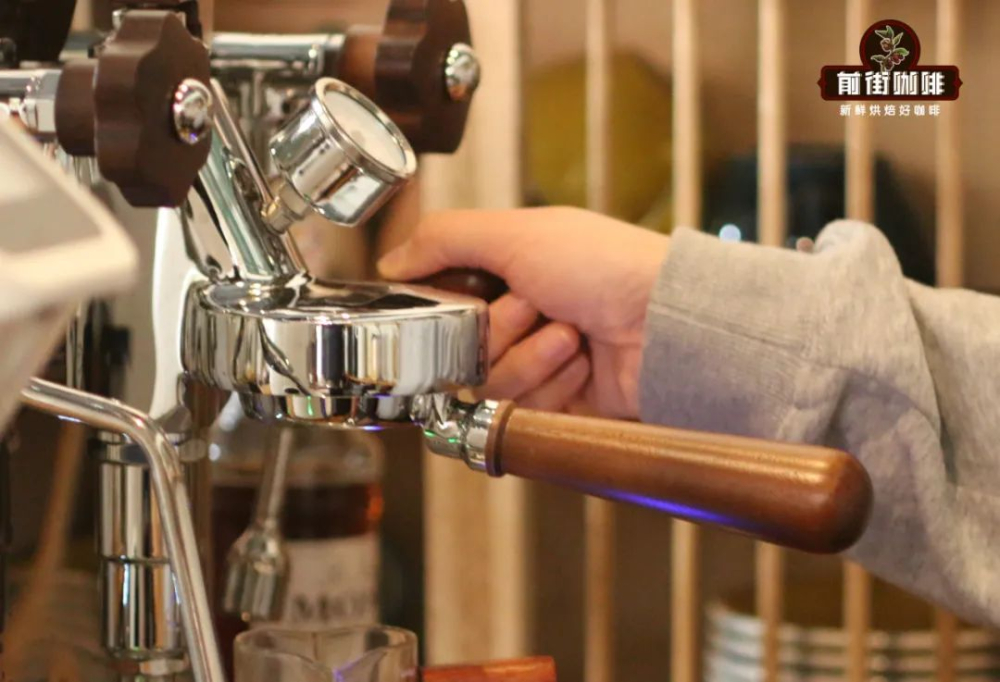
Here’s the step-by-step process: First, dry the portafilter basket, grind 20 grams of coffee, and ensure the weight is accurate. Use a distribution tool to evenly spread the grounds, then press them firmly with a tamper for a compact puck. Next, turn on the machine to run water for 1–2 seconds to pre-wet the group head and remove any old coffee residue. Place the espresso cup on the scale and tare it. Then, gently lock the portafilter into the group head and start extraction. When the espresso reaches 40 grams and the time is around 30 seconds, stop the extraction. Note that extraction parameters may vary slightly due to humidity and bean condition, so adjustments may be needed.
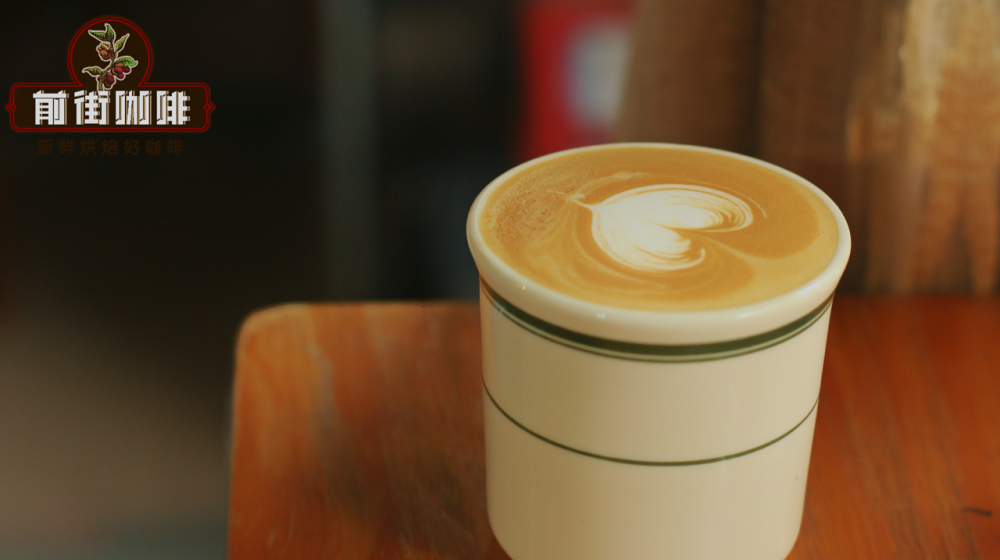
As for the latte, simply combine 40 grams of espresso with 200 grams of milk at a 1:5 ratio. For a hot latte, steam the milk to 55–65°C to create microfoam, then combine it smoothly with the espresso. Add latte art if desired. For an iced latte, add 75 grams of ice and 200 ml of fresh milk first, then pour the 40 grams of extracted espresso over it. Stir well before drinking. With these steps, you can easily make a flavorful SOE latte at home.
The above content is compiled by CoffeeHunters, a coffee news website.


