







Introduction:Yirgacheffe is one of Ethiopia's most representative specialty coffee regions, renowned for its distinctive citrus acidity and floral aromas. This article provides an in-depth exploration of Yirgacheffe’s origin background, processing method variations, flavor characteristics, and grading system, along with practical pour over parameter suggestions to help you master every aspect of this beloved coffee bean—from bean selection to brewing.
Yirgacheffe (Yirgacheffe) is not only a charming small town in southern Ethiopia but also a dream origin in the hearts of global specialty coffee enthusiasts. The coffee produced here stands out among many African coffees with its bright and refreshing floral and fruity notes, often regarded as a classic entry point into specialty coffee. If you want to understand what true Yirgacheffe is all about, it's best to approach it from four aspects: its flavor profile, origin environment, processing techniques, and grading system.
The Unique Flavor Profile of Yirgacheffe
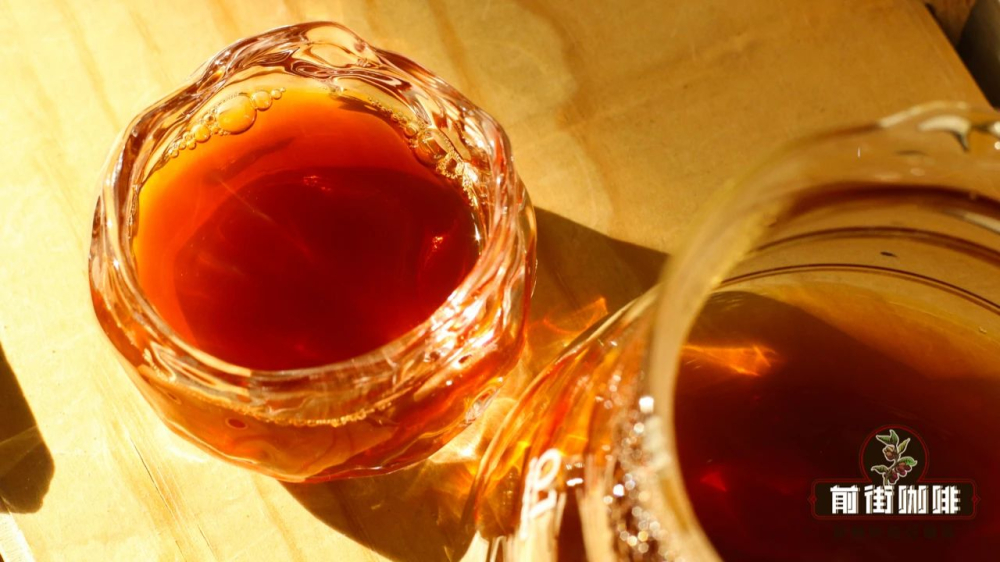
A high-quality cup of Yirgacheffe often features pronounced lemon acidity, clean floral tones, and a soft honey-like sweetness. The fruit acidity is refreshing and layered, often accompanied by bright citrus, berry, and other fresh fruit flavors. The mouthfeel is clean and bright, with a finish reminiscent of green tea—an experience that contrasts sharply with the typically bitter and astringent profiles of many other coffees. This unique flavor expression is precisely what makes Yirgacheffe world-renowned.
Origin Environment and Smallholder Culture
Yirgacheffe is located in southern Ethiopia, and its name means “settling in the wetlands” in the local language. The altitude in this region ranges from approximately 1700 to 2100 meters, with some premium growing areas even exceeding 2200 meters. In such high-altitude conditions, coffee cherries mature more slowly, allowing for the accumulation of richer flavor compounds and resulting in its distinctive aroma and acidity.
Coffee production in this area is dominated by smallholders—nearly every household grows a small number of coffee trees on their own land or in their yards, often intercropped with other crops to stabilize family income. Due to limited individual yields, the coffee cherries are usually sent to local cooperatives for centralized processing and then sold under the cooperative’s name, making Yirgacheffe a quintessential representative of “garden coffee.”
Processing Method Variations in Yirgacheffe
The processing methods for Yirgacheffe coffee are mainly divided into washed and natural (sun-dried) categories, each yielding distinct flavor profiles. In the early days, the region primarily used the traditional natural processing method, but it wasn’t until the Ethiopian government introduced washed processing techniques from Central and South America that the quality of Yirgacheffe coffee saw significant improvement.
Washed Process: The Representative of Bright Acidity
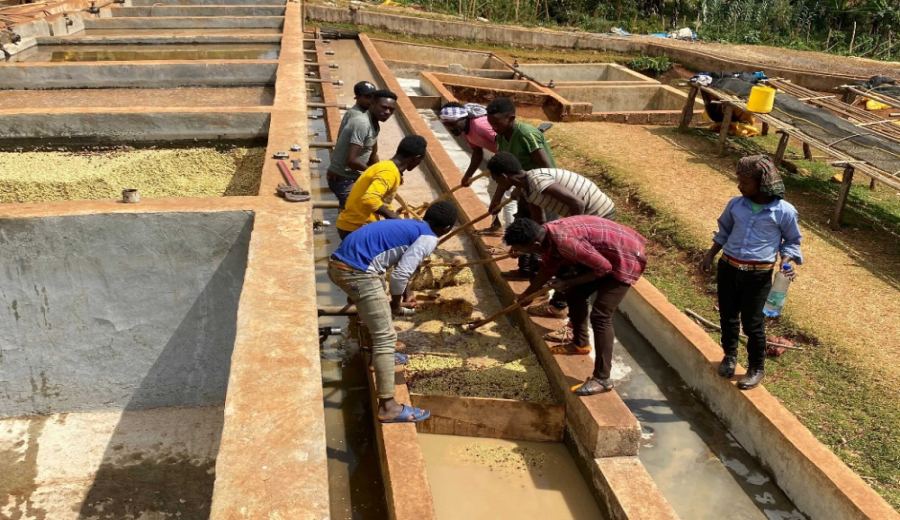
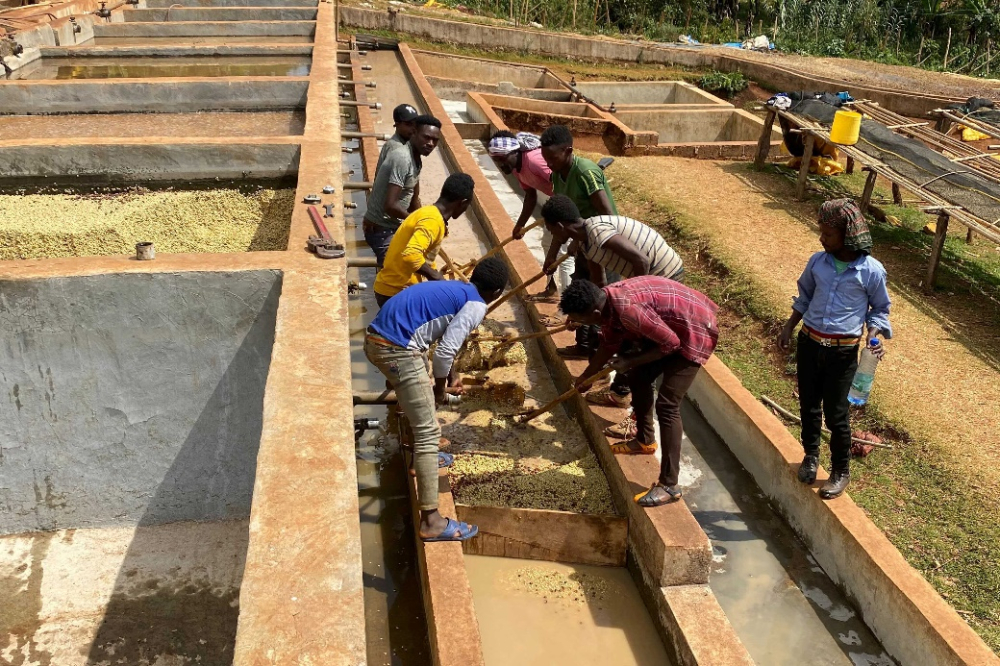
In the washed process, coffee cherries are first soaked in water to remove unripe or damaged beans through buoyancy sorting. The pulp is then removed, and the beans enter the fermentation stage, which lasts approximately 12 to 36 hours. During this time, microbes break down the mucilage layer, after which the residue is washed away with clean water, and the beans are finally sun-dried. This method highlights the core flavors of the coffee, resulting in brighter acidity, a cleaner and more consistent profile, and a relatively lower defect rate.
Natural Process: The Choice for Intense Fruit Aromas
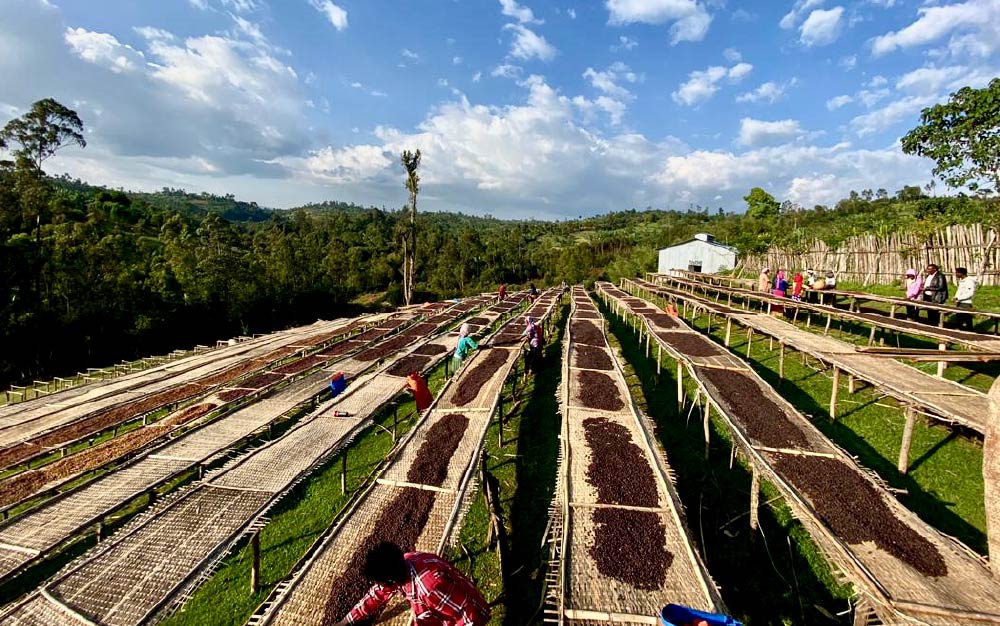
Compared to the washed process, the natural process retains more flesh and mucilage, allowing the coffee to develop richer tropical fruit and berry aromas during drying. The process involves placing red cherries on raised beds to dry slowly, with regular turning to prevent over-fermentation, until the moisture content drops to 11–12% before hulling. This method imparts a more complex and sweeter profile, making it ideal for those who prefer bold flavors.
The Green Bean Grading System of Yirgacheffe
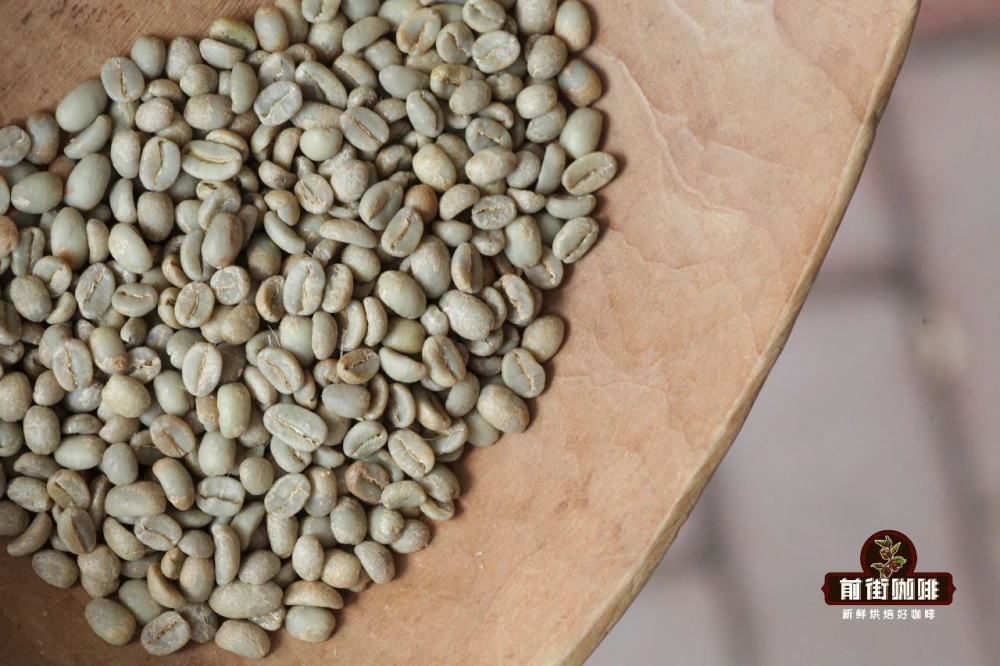
The grading of Yirgacheffe green beans is primarily based on the cupping standards of the Specialty Coffee Association of America (SCAA), divided into Grade 1 (G1) and Grade 2 (G2)—with a lower number indicating higher quality. Evaluation criteria include dry fragrance, wet aroma, flavor, acidity, body, aftertaste, and consistency, among others. Generally speaking, Grade 1 Yirgacheffe boasts exceptionally high flavor clarity and aromatic expression, making it a top choice for many coffee lovers.
Practical Pour Over Parameter Suggestions
To fully showcase the floral and fruity notes and bright acidity of Yirgacheffe, it is recommended to use freshly roasted coffee beans and master appropriate extraction parameters. A water temperature of 92–93°C is generally advised, paired with a grind size similar to fine sugar (approximately 78% passing through a #20 sieve), and a brew ratio of 1:15. Use a V60 filter cone for a three-stage pour.
The specific steps are as follows: Begin with a 30-second bloom using 30g of water, followed by pouring 95g of water. When the coffee bed has drained halfway, add another 100g of water. Maintain a slow, steady stream and pour centrally throughout the entire process to avoid over-extraction or uneven extraction. This approach allows the citrus acidity, berry notes, and the green tea-like finish of Yirgacheffe to unfold fully, delivering a layered and nuanced tasting experience.
The above content is compiled by CoffeeHunters, a coffee news website.


