







Introduction:Understanding the key elements of espresso extraction—including extraction time, dose settings, and blend recipe design—is the first step for every coffee enthusiast to elevate coffee quality. This article delves into the extraction principles and standard parameters of espresso, and analyzes the four core aspects of blend selection: bean choice, defect removal, flavor profiling, and roast attribute mastery. It helps you grasp the techniques for making stable and flavorful espresso, thereby enhancing your coffee-making professionalism.
During the process of making espresso, extraction time and the dose settings used are two key factors that influence the final flavor and stability of the coffee. At the same time, blend recipe design is also a highly technical discipline that directly determines the basic flavor profile of an espresso shot. Many coffee beginners often wonder: can single-origin beans be used to make espresso? And can regular espresso beans be used for pour over? This article will answer these common questions from three perspectives—cost-effectiveness, extraction stability, and crema performance—and further share the four core elements of espresso blends: bean selection, defect screening, flavor understanding, and roast attribute control. This will help you build a clearer mindset for espresso blending and further elevate your coffee-making expertise.
It’s often asked: “Are these beans suitable for making espresso?” To this, many professional baristas usually advise against using single-origin beans for espresso. The main reasons can be summarized in three points: First, cost considerations. Single-origin coffee is generally more expensive than common espresso beans. For example, a good-value single-origin Yirgacheffe might cost around 88 RMB for half a pound, while a commonly used premium blend at cafes—such as a blend of Brazilian and Colombian beans—might only cost 75 RMB per pound. The price difference is significant. Additionally, cafes need to dial in their espresso before daily operations. Even experienced baristas often have to adjust parameters more than twice to achieve ideal extraction, which is even more challenging for new shops. Therefore, cost control is especially important. Even for home use, overly pursuing single-origin flavors may lead to unnecessary expenses.
Second, there’s the issue of stability. Light-roasted single-origin beans used for espresso often have extraction parameters that are easily affected by various factors and prone to fluctuations—especially when switching roast levels, such as from the common dark roast to light roast. In such cases, grind size, dose, and extraction time may all require significant adjustments, which is very inconvenient for daily operation.
Third, there's the matter of crema performance. Crema refers to the brownish "oil" layer on the surface of espresso, which is actually a foam layer composed of a large number of carbon dioxide bubbles and volatile aromatic substances, mainly stabilized by the emulsification of melanoidins and proteins. This crema layer not only affects visual appeal but also plays a key role in the latte art effect of milk-based drinks. Light-roasted single-origin beans, due to their lower fermentation level, release less carbon dioxide, so the crema is often thinner, which is not conducive to creating visually appealing milk-based drinks.

Then, turning the question around: are espresso beans suitable for pour over? The answer is yes, but it depends on personal preference. Espresso beans are usually roasted darker, and when used for pour over, they often only yield rather one-dimensional chocolate or caramel notes. They might even carry a burnt bitterness if over-roasted. Moreover, most espresso beans are blends designed primarily for flavor balance and intensity enhancement. When used for pour over, they may instead mask the layered complexity and delicate flavor nuances that single-origin beans can offer.
Next, let’s delve into the core of espresso blend recipe design. Blending is not a random combination but needs to be adjusted according to seasonal bean variations, as freshly harvested beans and aged beans may differ in flavor characteristics. A successful blend often comes from a deep understanding of each bean’s traits and their clever combination.
First,Selecting high-quality coffee beans is the foundation of blending. If the beans used are of poor quality to begin with, no matter how ingenious the recipe is, it will be difficult to achieve satisfying flavors. Take some popular espresso blends on the market as examples—such as those combining beans from Colombia, Costa Rica, and Ethiopia—which often showcase complex aromas like rose, citrus, grape, and dried blueberry. Even when used alone as pour over beans, they can deliver outstanding flavor performance. Such blends are often favored by consumers for their unique flavor profiles.
Second,Removing defective beans is crucial. Defective beans include insect-damaged beans, broken beans, underdeveloped beans, or beans with shells but no kernels—all of which can significantly affect the purity of the final extraction flavor. Therefore, they must be thoroughly screened out before blending to ensure the overall flavor remains unaffected.
Third,Gaining an in-depth understanding of each bean’s characteristicsis a vital part of successful blending. For instance, some beans are naturally more acidic; using them to balance other beans’ acidity might backfire. Also, although some coffee enthusiasts hold biases against Robusta beans, they can actually exhibit high body and rich crema when deeply roasted. Plus, they are relatively affordable. When used in appropriate amounts, they can bring unexpected intensity to a blend.
Finally,Mastering the roast attributes of coffee beansis key to flavor release. During roasting, green beans undergo noticeable physical changes due to moisture evaporation and internal gas expansion. Experienced roasters can often judge roast level by sound. Proper roasting not only brings out the beans’ potential flavors but also ensures the stable release of flavor compounds during extraction.
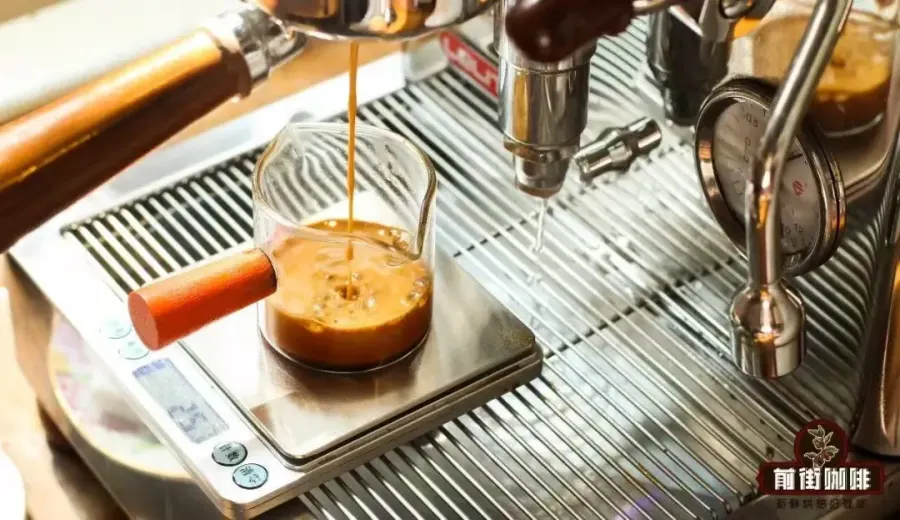
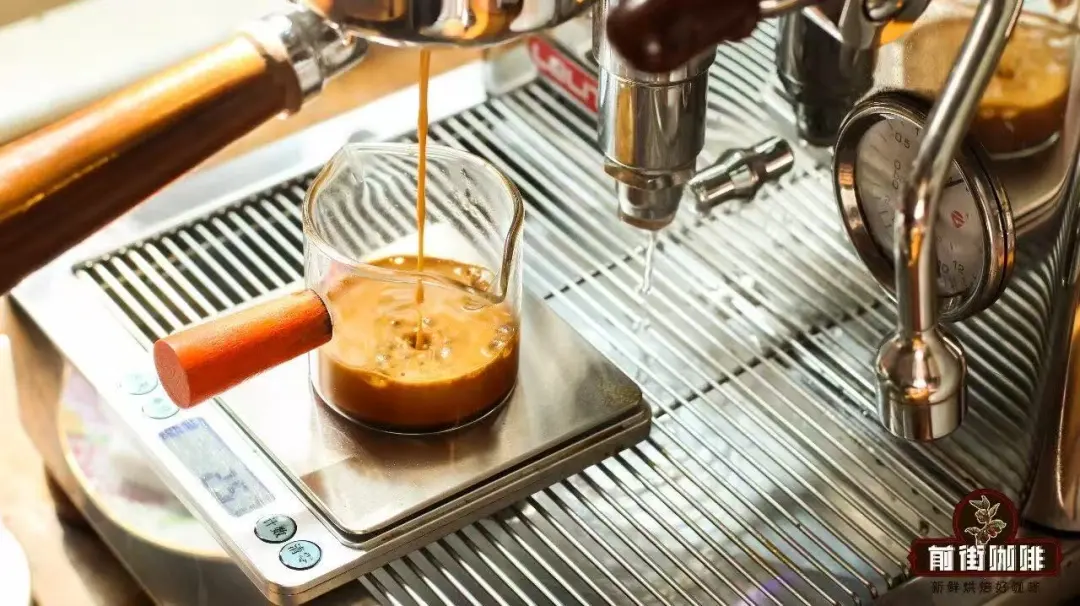
Having discussed blend design, let’s now look at the standard extraction parameters for espresso. Espresso is produced by forcing hot water at 90 to 95°C through a tightly packed bed of coffee grounds under a pressure of 8 to 10 bar. This process utilizes the dual effects of high pressure and high temperature to allow water to quickly penetrate the coffee cell walls, extracting a rich array of soluble flavor compounds. The ideal extraction time should be controlled between 25 to 35 seconds, and the resulting coffee yield should ideally fall within 22 to 44 grams, ensuring a balance between flavor intensity and mouthfeel.
The above content is compiled by CoffeeHunters, a coffee news website.


