







Category: Coffee Knowledge
A Complete Guide to Panamanian Geisha Coffee Beans: Variety Origins, Cultivation, and Pour Over Recommendations
Geisha coffee beans are hailed as the “queen of specialty coffee,” renowned for their distinctive citrus aroma and delicate acidity, securing a prestigious place in the global specialty coffee market. This article will delve into the varietal origins, botanical characteristics, suitable roast levels of Geisha, and provide flavor descriptions and brewing references to help you gain a more comprehensive understanding of this highly acclaimed coffee bean. [more…]

Colombia Huila Coffee Pour Over Guide | SOE Extraction Parameters and Flavor Analysis
Delve into the unique charm of Colombian Huila coffee — from the quality nurtured in high-altitude volcanic soils to the delicate flavors preserved through the washed processing method. This article provides an in-depth look at the regional characteristics, coffee variety traits, and processing techniques of Huila coffee. It also offers professional pour over parameters and an SOE espresso brewing guide to help coffee enthusiasts master brewing techniques and savor the perfect balance of nutty aromas and bright fruity acidity. [more…]
How to Brew Colombian Huila Coffee? A Complete Guide to Washed Process & Pour Over Parameters
Dive into how the geographic conditions and microclimate of Colombia’s Huila region shape its unique coffee flavors. From the steps of the washed processing method to practical pour over extraction parameters, this article explains how to highlight the layered profile of Huila coffee—nutty, caramel, and bright acidity. It also explores the characteristics of other regions like Cauca and Nariño, as well as SOE applications, helping coffee enthusiasts find their ideal brewing direction. [more…]
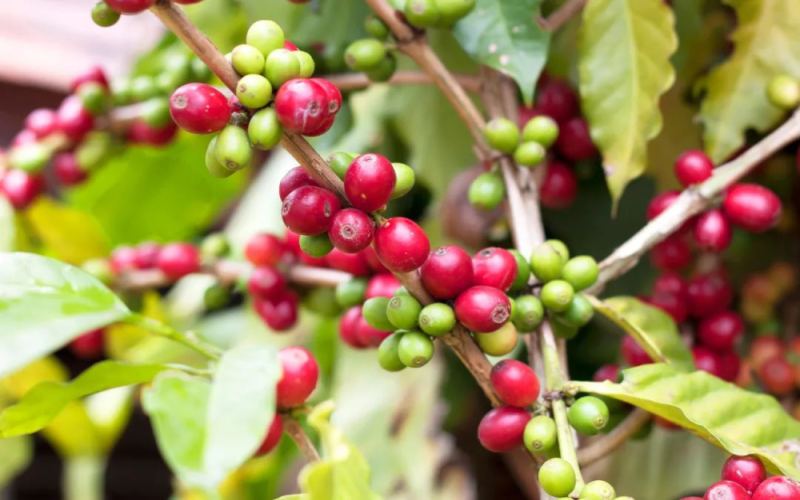
A Complete Guide to the Origins, Cultivation Evolution, and Pour Over Flavor Profile of Yunnan's Small-Bean Catimor Coffee
Want to know if Yunnan’s small-bean coffee can truly rank among the world’s specialty-grade beans? This article takes you deep into the evolution of Yunnan’s coffee industry, focusing on the Catimor variety—from its genetic origins and cultivation history to its actual flavor performance. It also analyzes the impact of washed processing methods and regional conditions on flavor, and provides recommended pour over parameters along with tasting notes to help you gain a more comprehensive understanding of this promising Asian coffee bean. [more…]
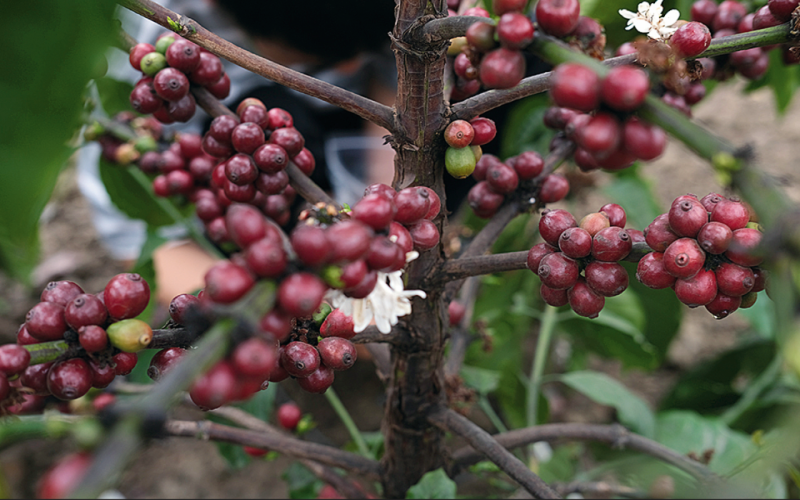
A Comprehensive Guide to Yunnan’s Dominant Coffee Variety, Catimor: Genetics, Flavor, and Washed Processing
Catimor is the most widely cultivated coffee variety in Yunnan, with a genetic lineage that combines Arabica and Robusta. This article provides an in-depth exploration of Catimor’s origin, genetic makeup, primary flavor characteristics, and how washed processing affects its final cup profile. It not only helps readers understand the formation of the “Yunnan flavor,” but also offers practical brewing suggestions and parameter references, making it ideal for those interested in Yunnan coffee or selecting beans as beginners. [more…]
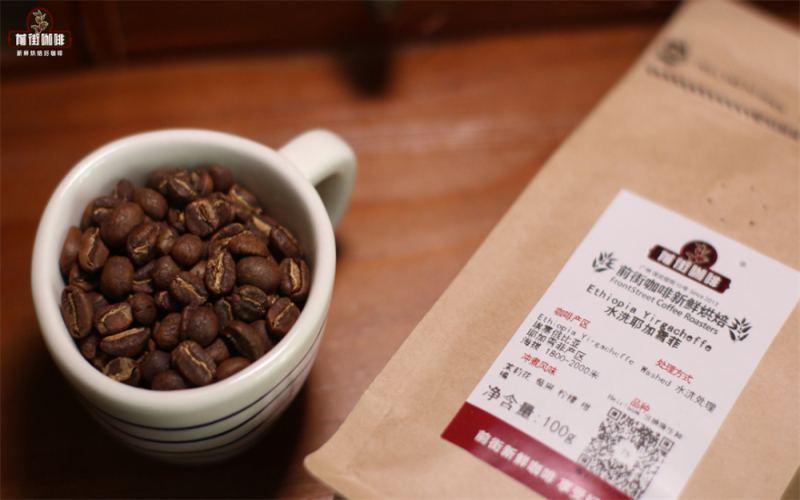
Complete Guide to Ethiopian Yirgacheffe & Guji Natural Process Coffees: HuaKui Batches & Flavor Profile
Dive deep into the allure of natural-process coffees from Ethiopia’s Yirgacheffe and Guji regions. From geographical environment and historical background to the detailed traceability of HuaKui batches, this guide offers a comprehensive analysis of their unique flavors and processing methods. It also provides practical pour-over suggestions and parameters to help coffee enthusiasts more precisely appreciate the layers and nuances of these premium natural beans. [more…]
Complete Guide to Yirgacheffe Green Coffee Processing Methods: Flavor Differences Between Washed and Natural, and Grade Analysis
Yirgacheffe is Ethiopia's most iconic specialty coffee region, and its flavor variations largely stem from the choice of green coffee processing methods. This article delves into the craftsmanship, historical evolution, and flavor impacts of the two main processing methods—washed and natural—and introduces the grade standards from G1 to G5. It helps coffee enthusiasts select the Yirgacheffe flavor experience that best suits their personal taste. [more…]

What’s the difference between Yirgacheffe natural and washed? Understand everything from processing methods to pour over flavors in one go
As Ethiopia’s most representative specialty coffee region, Yirgacheffe produces distinctly different flavor profiles through its natural and washed processing methods. This article delves into the detailed differences between the two in terms of processing procedures, aroma profiles, and taste layers, while also introducing the historical background of washed processing and the rigorous selection standards of natural drying. Additionally, it provides practical V60 pour over parameter suggestions to help you brew Yirgacheffe with bright acidity and rich fruity notes at home. [more…]
A Complete Guide to Yunnan Coffee Varieties: Typica, Bourbon, and Catimor — Flavor Profiles and Cultivation Differences
As China’s premier coffee-growing region, Yunnan is renowned for its three major Arabica varieties: Typica, Bourbon, and Catimor. This article provides an in-depth analysis of the yield, flavor characteristics, and ideal brewing methods for these three coffee beans, along with tips for beginners on selection and tasting, helping you better understand what makes Yunnan coffee unique. [more…]
Tanzania Kilimanjaro AA Coffee Beans: Flavor Profile & Region Analysis, Pour Over Beginner’s Recommendation
Tanzania's Kilimanjaro AA coffee beans, as the country's highest-grade specialty coffee, are widely praised for their plump beans and bright acidity. Grown in the volcanic soils surrounding Africa's highest peak, they offer a unique texture and gentle fruity acidity. This article delves into the distribution of its producing regions, flavor profile, and brewing suggestions to help you better understand this classic African bean that’s perfect for pour over. [more…]

How to choose cold brew coffee beans? Recommendations for medium-light roasted single-origin beans with fruity notes and extraction tips
Cold brew coffee highlights floral and fruity aromas along with natural sweetness through a low-temperature, slow extraction method, with almost no bitterness or astringency. Choosing the right coffee beans is key. This article deeply explores the principles of cold brew extraction, teaches you how to select suitable medium-light roasted, fruity single-origin beans, and recommends five high-quality beans with floral characteristics. It also details the flavor profiles under two brewing methods: cold brew and Japanese iced coffee, helping you easily brew a refreshing and pleasant cold brew coffee. [more…]
July 2017 Arabica Bean Market Trends and Recommendations: Reference Prices for Taiwanese and Hong Kong Buyers
This article compiles the reference trading prices for Arabica coffee beans published by the Chongqing Coffee Exchange in July 2017, along with the futures market data from the Intercontinental Exchange, and analyzes their specifications and quality standards. In addition to price information, it also recommends several brands that have received positive market feedback, serving as a reference for consumers in Taiwan and Hong Kong who wish to understand the market trends at the time and seek high-cost-performance Arabica coffee beans. [more…]
A Complete Guide to Kenya K72 Washed Process | AA-Grade Pour Over Flavors and Key Processing Steps
Kenyan coffee is widely praised for its bright acidity and rich body, and the secret lies in the unique K72 double fermentation washed process. This article delves into its multi-stage fermentation workflow, the nine-tier grading standards, and introduces the characteristics of the classic SL28 and SL34 varieties, helping you understand why Kenyan AA-grade coffee can deliver clear citrus, dark plum acidity, and full sweetness when brewed using pour over — a must-try choice for coffee lovers seeking layered flavors. [more…]
In-depth Analysis of Kenya’s Coffee Growing Regions: From Cupping Rankings to Flavor Profiles of TOH Winning Beans
Kenyan coffee is globally renowned for its vibrant fruitiness and rich, wine-like complexity. Its unique geographical environment and rigorous grading system have given rise to numerous high-quality specialty green beans. This article takes you deep into the cupping performance of Kenya’s major coffee-growing regions, analyzes detailed information about winning green beans from a competition in 2017, and extends the discussion to high-scoring beans from the 2016 COE competitions in Brazil and Guatemala—providing a comprehensive flavor profile and practical reference. [more…]
Coffee Cupping Beginner’s Guide: Professional Evaluation Process and Flavor Identification Techniques
An in-depth analysis of the scientific principles and practical operations of coffee cupping—from standardized evaluation procedures to flavor characteristic identification—this guide helps you master the core techniques of professional coffee tasting. It details cupping tool preparation, differences between green and roasted beans, step-by-step processes, and common pitfalls. Ideal for coffee enthusiasts aiming to enhance their tasting skills and for industry professionals seeking quality control references. [more…]
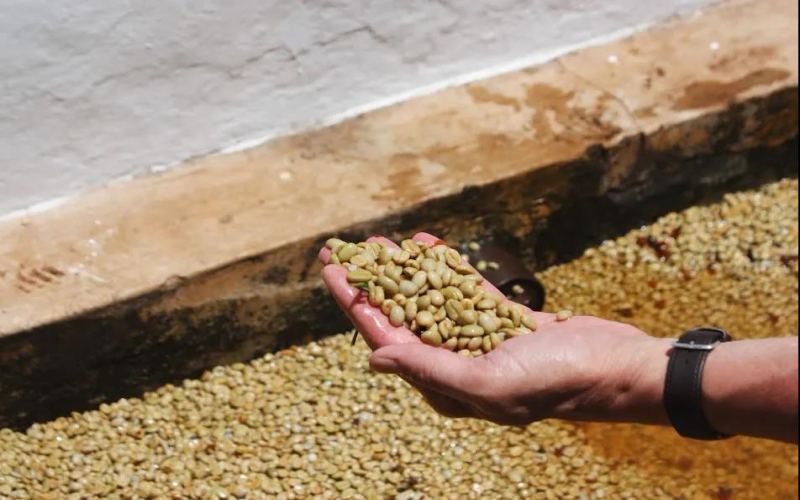
Detailed Explanation of the Washed Process: A Comprehensive Guide to the Flavor Characteristics and Processing Steps of Washed Process Coffee Beans
The washed process (Washed Process) is an extremely common and historically significant method for processing green coffee beans in specialty coffee. Through meticulous steps of depulping, fermentation, and washing, it produces clean, bright, and complexly layered coffee flavors. This article will fully dissect each step of the washed process, provide an in-depth comparison with the natural (sun-dried) process, and explain the strengths and limitations of this method in maintaining quality consistency and highlighting regional characteristics — giving you a complete understanding of why washed coffee is so highly regarded. [more…]
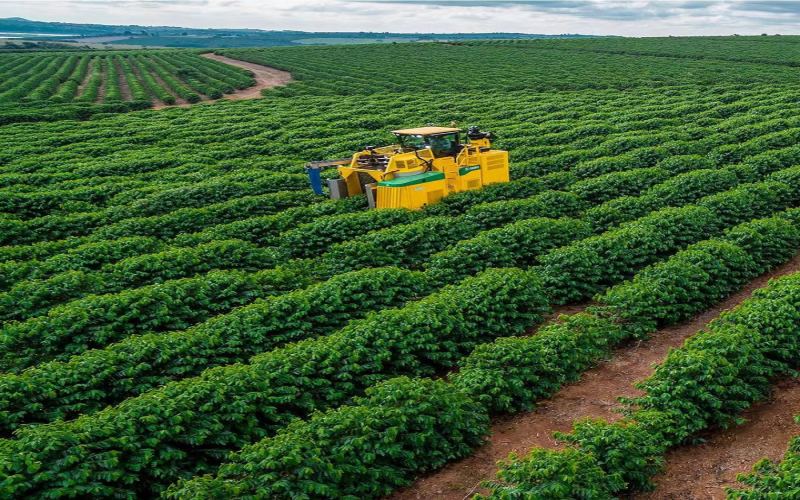
Complete Guide to Brazilian Coffee Bean Varieties: From Bourbon Family Flavors to Practical Pour Over Parameters
In-depth analysis of the flavor profiles and growing backgrounds of Brazil’s mainstream coffee varieties, with a special focus on the differences between Red Bourbon and Yellow Bourbon, along with detailed pour over parameter recommendations to help coffee enthusiasts master the brewing techniques for beans from the world’s largest producing country and improve extraction quality. [more…]
Introduction to El Salvador Coffee Origins: A Complete Guide to Flavors, Grading, and Industry Evolution
Want to dive deep into the unique charm of Salvadoran coffee? This article takes you on a comprehensive journey through the flavor profile of the country’s coffee, its altitude-based grading system, the ups and downs of its historical coffee industry, and real-life examples from renowned farms. Whether you’re a beginner exploring pour over coffee or a roaster searching for new bean sources, you’ll find practical information and inspiration here. [more…]

How to Brew Washed Guatemalan Huehuetenango Beans? Flavor Profile & Pour Over Parameters Tutorial
The Huehuetenango growing region in Guatemala produces SHB (Strictly Hard Bean) beans with unique flavors, thanks to its high altitude and volcanic soil. The washed processing method delivers a clean and refreshing taste, making it ideal for everyday drinking. This article dives deep into the berry, citrus, and smoky aftertaste of this coffee, and provides practical V60 pour over parameters and steps to help coffee beginners master brewing techniques and experience the layered charm of Central American coffee. [more…]
Beginner's Guide to Coffee Cupping: A Comprehensive Breakdown of SCAA Standards and Tasting Etiquette
Want to gain a deeper understanding of how to evaluate specialty coffee quality? Cupping is a key skill that both professionals and enthusiasts can master. This article provides a detailed introduction to the definition of coffee cupping, its evolution from trade quality control to competitions, and offers standardized procedures and professional etiquette to help you accurately capture a coffee’s aroma, acidity, sweetness, and body—enhancing your flavor identification skills. [more…]