







Introduction:Geisha (Geisha) coffee, with its unique aroma and extraordinary flavor complexity, has become a legend in the specialty coffee world. From its origins as a wild variety in Ethiopia to becoming a champion at Panamanian auctions, its rise is nothing short of remarkable. This article delves into the origins and flavor profile of Geisha, and features three high-value-for-money Geisha coffee beans, along with practical buying tips and pour-over brewing parameters, allowing you to experience top-tier flavors within a reasonable budget.
Geisha (Geisha), which sounds similar to the Japanese word for “geisha,” is also known as “Geisha coffee.” This coffee is renowned for its exceptionally bright and vibrant aroma, as well as its richly layered taste. It has repeatedly topped international coffee competitions and continuously set new auction price records, truly earning its title as the king of specialty coffee.
But how did Geisha rise from a wild variety discovered on the slopes of Ethiopia’s Gesha Mountain to the pinnacle of the coffee world? What makes its flavor so exceptional? This article will take you on a journey through the legendary path of Geisha, and based on actual market sales feedback, recommends three high-value Geisha coffee beans, making it easy for you to get started and savor their nuances.
Regarding the name “Geisha,” due to its phonetic similarity to the Japanese word for “geisha (Geisha),” it is often mistakenly or affectionately referred to as “Geisha coffee.” However, its charm goes far beyond the name association. In the specialty coffee world, Geisha is highly praised for its piercing floral notes, rich tropical fruit tones, and delicate acidity, making it a dream bean for many coffee enthusiasts.
As early as 1936, when the British colony of Abyssinia (now Ethiopia) was under British rule, Colonel Richard Whalley, a British consul, collected about 10 pounds of coffee seed samples around Gesha Mountain. These seeds were later confirmed to be the prototype of the Geisha variety. Over the following decades, Geisha seeds were transported to places such as Tanzania and Costa Rica, eventually finding a home at Panama’s Hacienda La Esmeralda in the 1960s. It wasn’t until after 2004 that this once-overlooked variety truly began to shine.
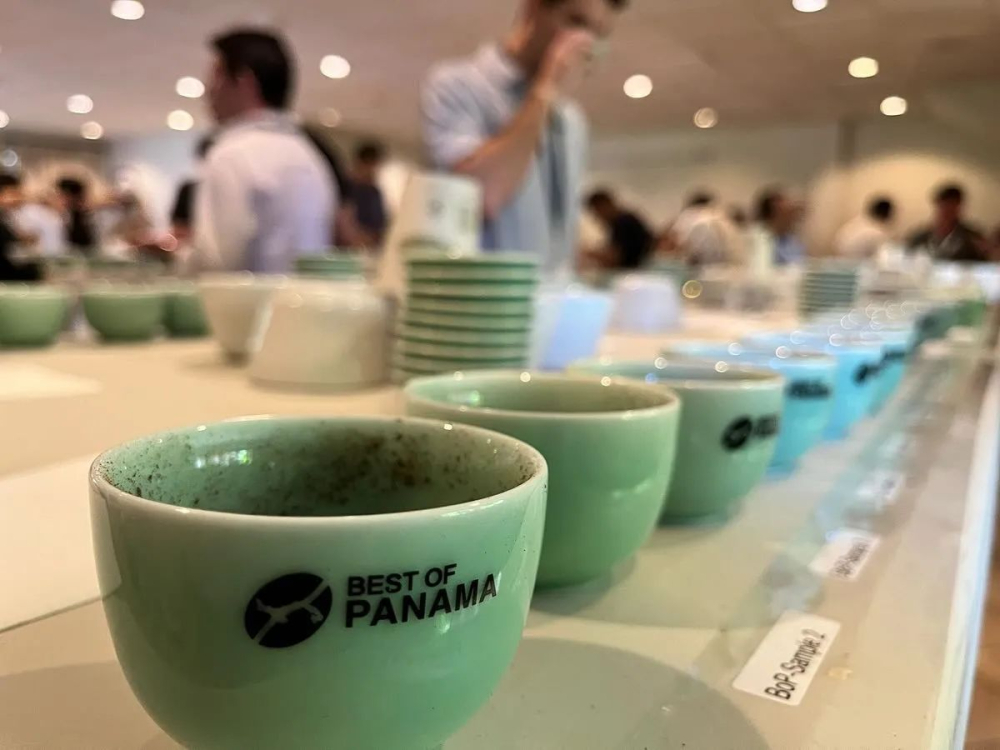
Between 2005 and 2007, Geisha dominated the “Best of Panama” cupping competition, consecutively defeating traditional mainstay varieties such as Bourbon, Caturra, Catuai, and Typica to claim the top spot. In 2007, it even achieved a record-breaking auction price of $130 per pound at an international competition hosted by the Specialty Coffee Association of America (SCAA), setting a new high for auction beans. Since then, Geisha has accumulated twelve international competition championships, firmly establishing its status as a top-tier specialty coffee.
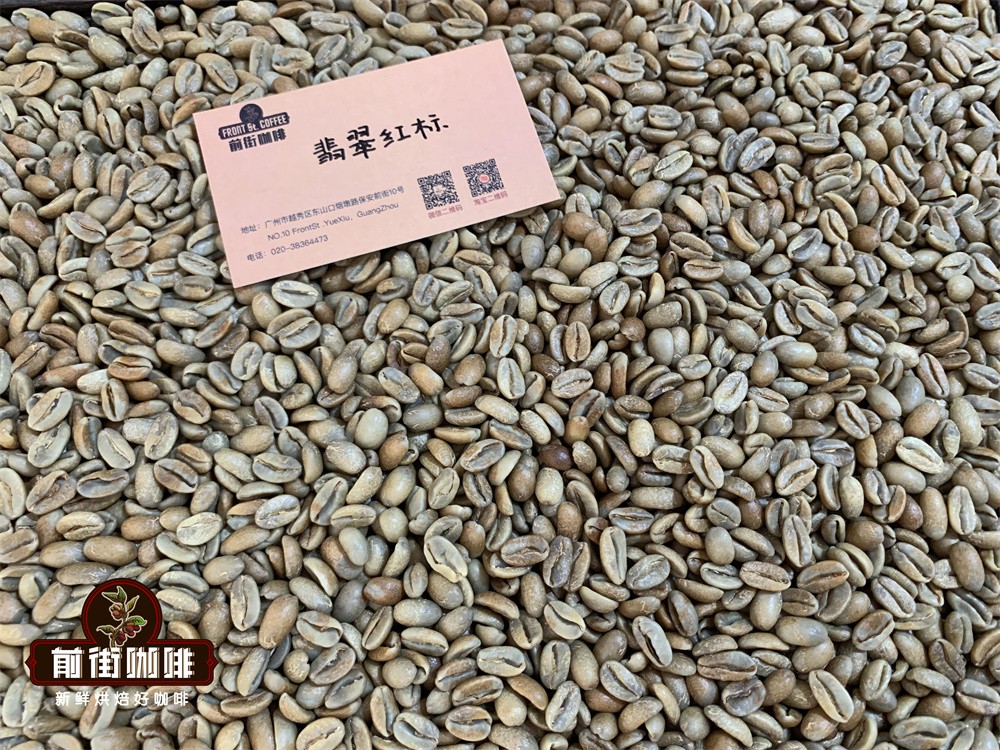
Geisha green beans have a slender appearance, distinctly different from the more common round bean shape. Their look is similar to Mandheling beans, with a smooth, jade-like oily sheen, and they often display a light blue-green hue. Flavor-wise, Geisha is characterized by intense floral notes, often accompanied by bright fruit acids like citrus and berries, as well as sweet undertones of honey and caramel. The mouthfeel is refreshing like juice, with fine acidity and a long-lasting aftertaste. As the temperature cools, its layers become even more distinct, making it a favorite among pour-over coffee enthusiasts.
The Chiriquí volcanic region of Panama, with its moderate altitude, cool climate, foggy environment, and fertile soil, provides an ideal growing environment for Geisha. Generally, Geisha requires high altitudes (typically above 1,400 meters), ample shade, and good drainage to fully express its unique aroma and complexity.
Given how captivating Geisha is, is it worth trying for everyone? The answer is yes, but its price is often on the higher side, making it unsuitable for daily heavy consumption. So, is there a high-cost-performance option that allows you to experience the charm of Geisha without breaking the bank? The answer is: carefully selected Geisha beans from reputable roasting brands. Focus on the roast date and storage condition, and it’s recommended to prioritize fresh batches roasted within 5 days, consuming them ideally within 2 to 4 weeks post-roast for optimal flavor performance.
Based on actual market sales feedback, the following are three highly cost-effective and flavorful Geisha coffee beans for your reference:
① Boquete Geisha Single Origin
Flavor Profile: White floral, honey sweetness, citrus tone, orange blossom finish, caramel sweetness
Recommendation Reason: This 100% Geisha single origin from Panama’s Boquete region perfectly showcases the most representative aromatic traits of Geisha—clear and layered floral and fruity notes. It’s highly suitable for pour-over experiences. It’s recommended to use a medium-light roast, with a water temperature of 92–94°C during extraction, and a grind size similar to that of fine sugar. Use the pour-over method to highlight its delicate fruit acidity and floral notes.

② Flower Butterfly Geisha Blend
Flavor Profile: Floral, citrus, nutty tone, sweet orange finish
Recommendation Reason: Blended with 70% Geisha and other varieties (such as Caturra and Catuai), this blend combines Geisha’s citrus acidity with a tea-like smoothness, offering excellent cost-performance. Ideal for coffee lovers who enjoy fruity notes but don’t want to invest heavily upfront. It’s recommended to use a medium roast, suitable for brewing with V60 or Kalita Wave drippers.
③ Strawberry Candy Geisha Blend
Flavor Profile: Rose, grape juice-like, orange, dried fruit sweetness, almond finish
Recommendation Reason: Combining the refined floral and fruity notes of Panamanian Geisha with the style of Costa Rican honey-processed coffee, it creates a sweet and layered overall taste. With a medium roast, it’s suitable for those who enjoy juicy flavors and a balanced, gentle sweetness. Recommended for use with a French press or AeroPress to better highlight its richness and aroma.
In summary, Geisha coffee is not just a beverage, but a microcosm of coffee history and varietal evolution. From its discovery to its rise on the world stage, it has conquered coffee lovers globally with its irreplaceable flavor. For coffee newcomers or seasoned enthusiasts looking to explore the charm of Geisha, choosing high-quality, freshly roasted Geisha beans and mastering the appropriate brewing methods will allow you to fully appreciate its astonishing flavor profile.
The above content is compiled by CoffeeHunters, a coffee news website.


