








Introduction:Kenyan coffee is renowned in the specialty coffee world for its vibrant acidity, rich fruit aromas, and dense, well-structured beans. This article delves into the history of Kenyan coffee, the characteristics of its major growing regions, cultivated varieties, its rigorous grading system, and auction-based trading model. Through practical cupping experiences, we also compare the flavor profiles of AA and PB grade beans in detail, offering comprehensive pour over recommendations and parameters — a practical guide to understanding and selecting Kenyan coffee beans.
Kenyan coffee stands out in the specialty market with its bold, juicy acidity, consistently dense beans, and standout fruity notes. Compared to the bright and light profile of Ethiopian coffee, Kenyan beans exhibit more layered and explosive acidity. This article systematically explores the development of Kenya’s coffee industry, key growing areas, main varieties, strict grading systems, and market trading models. Through hands-on cupping and brewing sessions, we take an in-depth look at the flavor profiles of two popular beans — the Assalya AA TOP and the Sasicini Estate PB — providing coffee enthusiasts with a deep yet practical analysis of Kenyan coffee.
Kenyan coffee boasts intense, enticing aromas, bright and dynamic acidity, and a solid, full-bodied bean structure, with particularly vivid fruit flavors. If you’ve compared Kenyan and neighboring Ethiopian coffees, you’ll notice that while both follow the fruit-acid path, their styles are markedly different — Kenyan acidity is richer and more three-dimensional, whereas Ethiopian tends toward softness and ethereality. For those new to African-origin coffees, it’s recommended to start with Ethiopia before gradually exploring the deeper layers of Kenyan coffee.
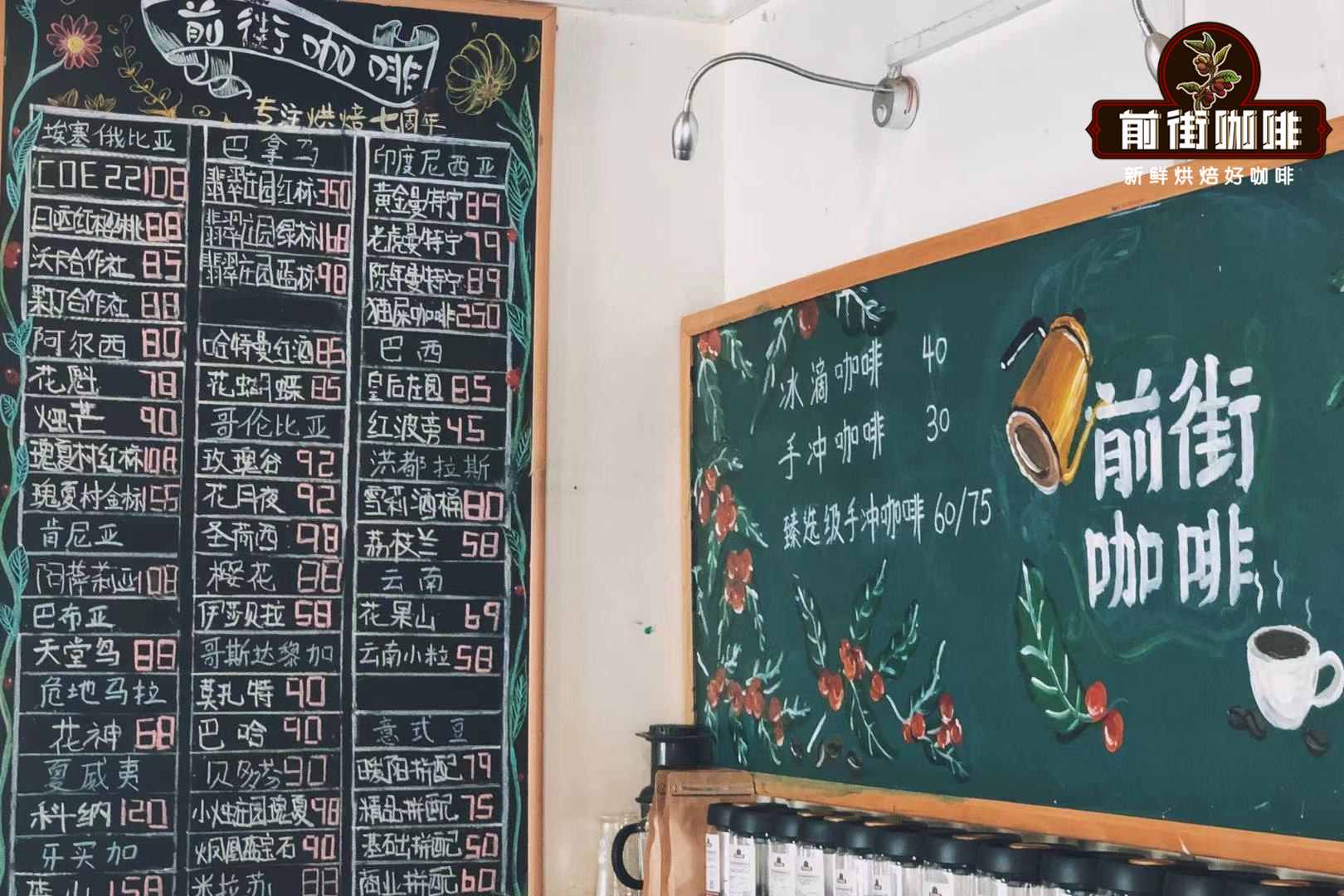
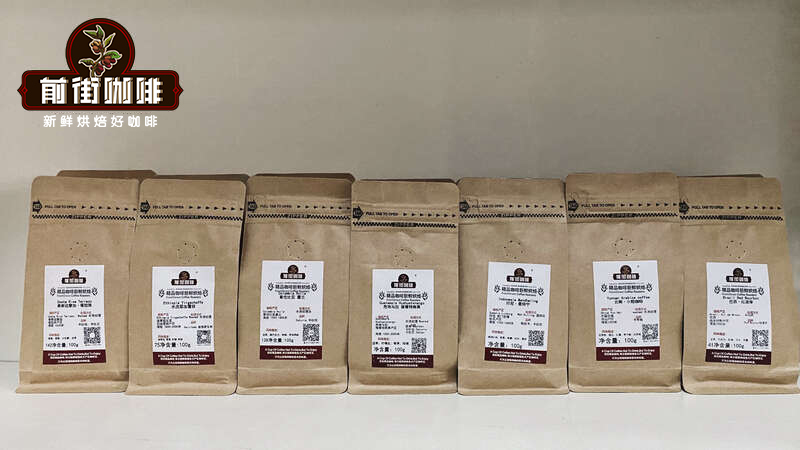
Many beginners often ask how to choose the right Kenyan coffee. Common everyday blends usually cover global origins such as Ethiopian Yirgacheffe, Brazilian Red Fruit, Colombian Huila, Indonesian Mandheling, Costa Rican Tarrazú, Guatemalan Antigua, and Yunnan small-bean varieties — allowing consumers to experience the basic flavor profiles of different regions at reasonable prices. For example, the fresh lemony acidity of Yirgacheffe, the herbal notes of Mandheling, and the common nutty and chocolatey tones of Brazilian and Colombian beans all make great entry points.
The Development History of Kenyan Coffee
Located in East Africa and neighboring the birthplace of coffee, Ethiopia, Kenya has a much shorter coffee cultivation history, with coffee not introduced until the early 20th century. During British colonial rule, to boost foreign exchange earnings, the colonial government actively promoted coffee farming, with harvested beans being shipped to London for trade.
In 1922, Kenya established the Scott Agricultural Laboratories (Scott Labs), where, from numerous varieties, the SL28 and SL34 were selected for their suitability to local conditions. These two varieties still account for over 90% of Kenya’s coffee plantings and are key to the unique flavors of Kenyan coffee. In 1931, the Coffee Growers Cooperative Union and the National Coffee Board were established, followed by the launch of the Nairobi Coffee Exchange and auction system in 1937. The official coffee grading standards — primarily AA, AB, and PB — were enacted in 1938, laying the foundation for quality management in Kenyan coffee.
Growing Environment and Harvest Season of Kenyan Coffee
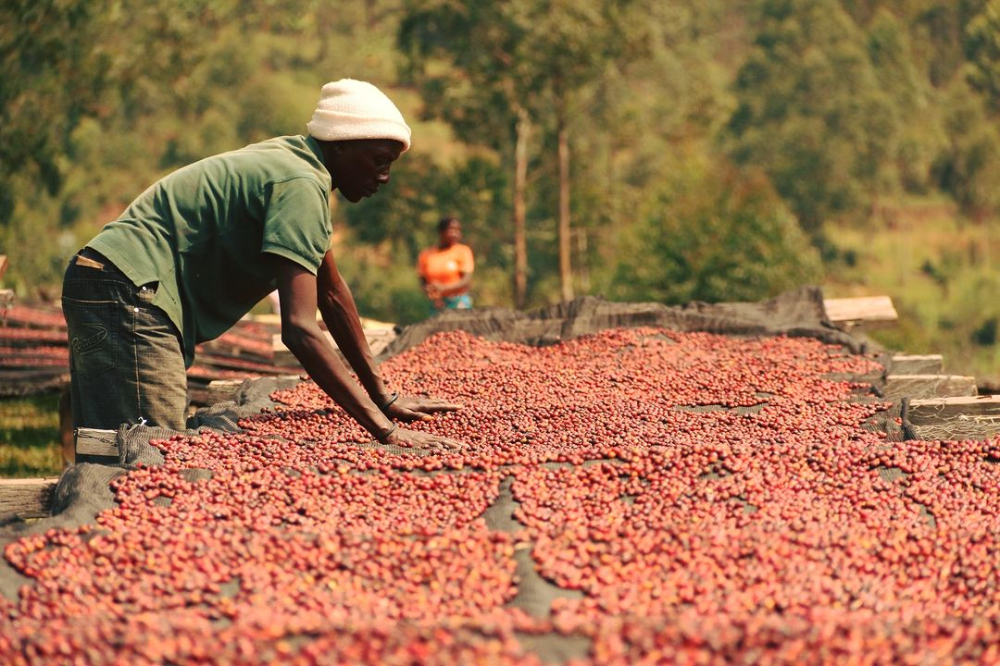
Kenyan coffee is mainly grown around the capital Nairobi and in the highland areas of the east. The soil is acidic volcanic red earth rich in minerals, with good drainage, abundant sunlight, and altitudes typically ranging between 1400 and 2000 meters. The high-altitude environment features large diurnal temperature variations, slowing the ripening of coffee cherries and facilitating the accumulation of flavor compounds, resulting in denser beans and a richer taste.
The coffee flowering season in Kenya generally occurs from March to April, with the harvest divided into two phases: the first from May to July, and the second from September to October. This biannual harvest cycle contributes to stable yields and consistent quality.
Main Growing Regions of Kenyan Coffee
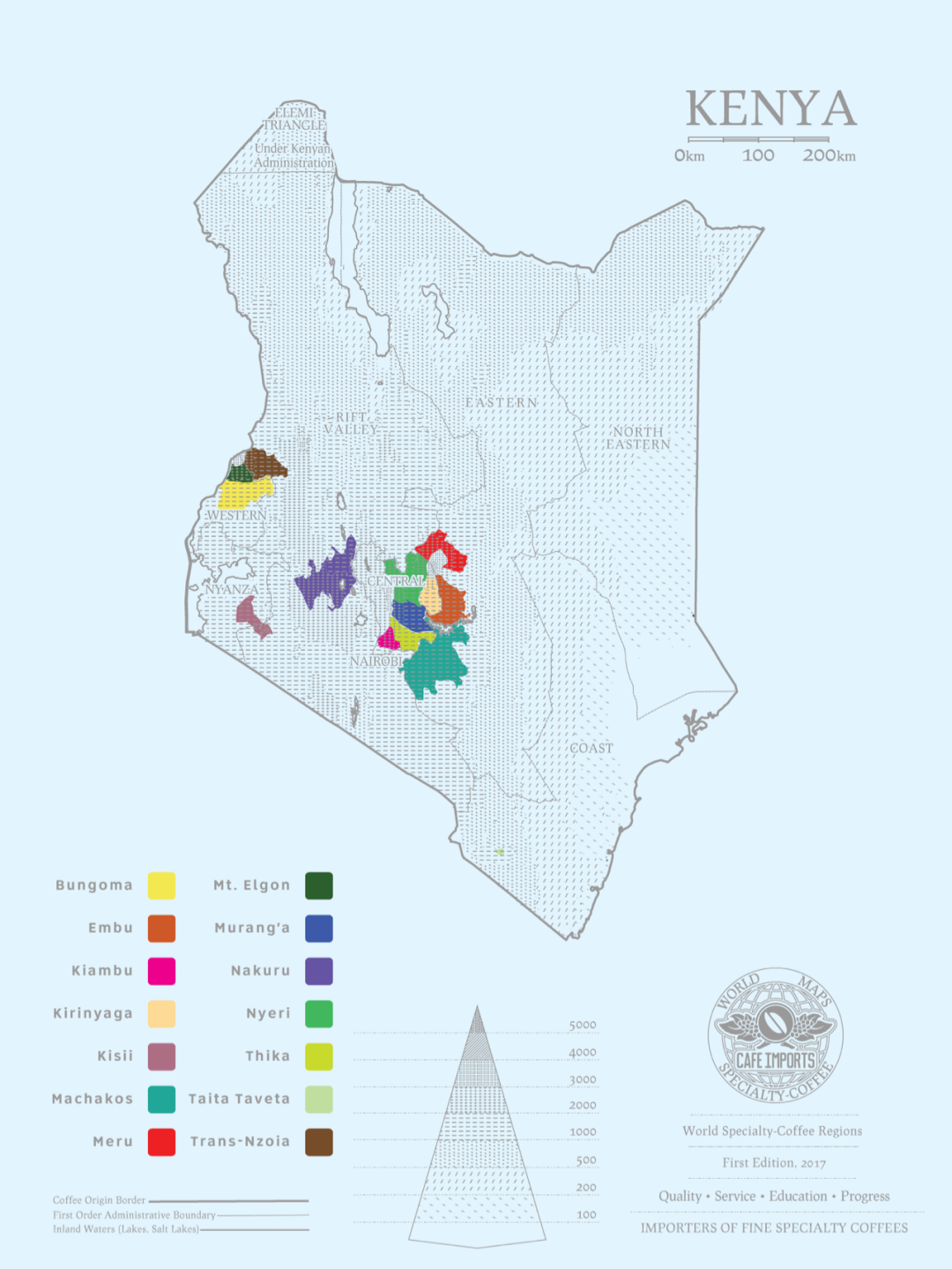
Kenya’s coffee-growing regions are primarily located in the central and western parts of the country, including central areas such as Kiambu, Nyeri, Kirinyaga, Muranga, Embu, Machakos, Ruiru, and Thika, as well as western regions like Kisii and Bungoma.
Each region offers distinct flavor profiles: Kiambu and Muranga are known for their bright and bold acidity; Nyeri features clear citrus and floral notes with pronounced berry acidity; Kirinyaga combines bright acidity with delicate sweetness; Embu offers a balanced profile with a long aftertaste; Machakos delivers refined flavors and excellent finish; Kisii and Bungoma are recognized for their soft acidity, outstanding fruit sweetness, and nutty undertones.
Coffee Cultivation Models in Kenya
Kenya’s coffee industry is composed of large farms and agricultural cooperatives. There are approximately 3,000 large farms covering about 25% of production, while the remaining 75% is managed by a cooperative system comprising over 270 cooperatives and around 700,000 smallholder farmers. Since the 1960s, cooperatives have established shared processing facilities, significantly improving processing quality and efficiency — a model that allows smallholders to focus more on cultivation itself.
Main Varieties of Kenyan Coffee
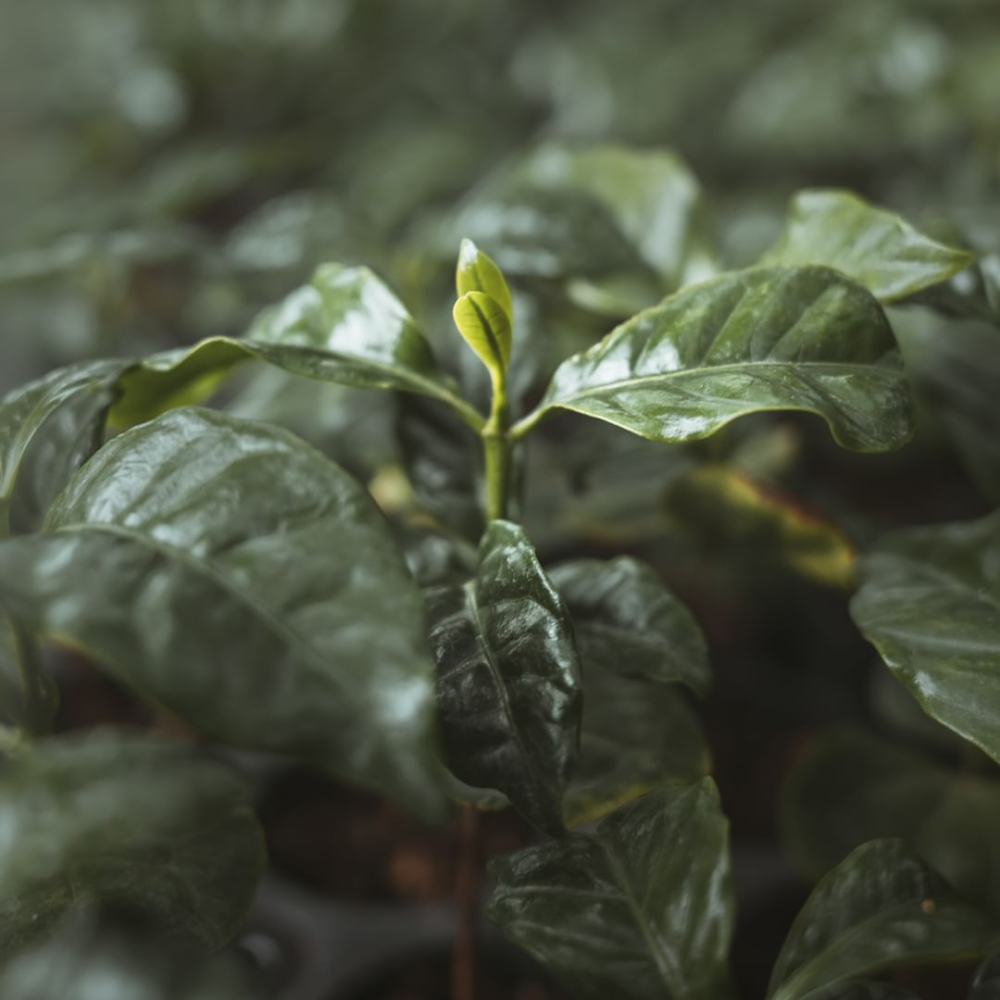
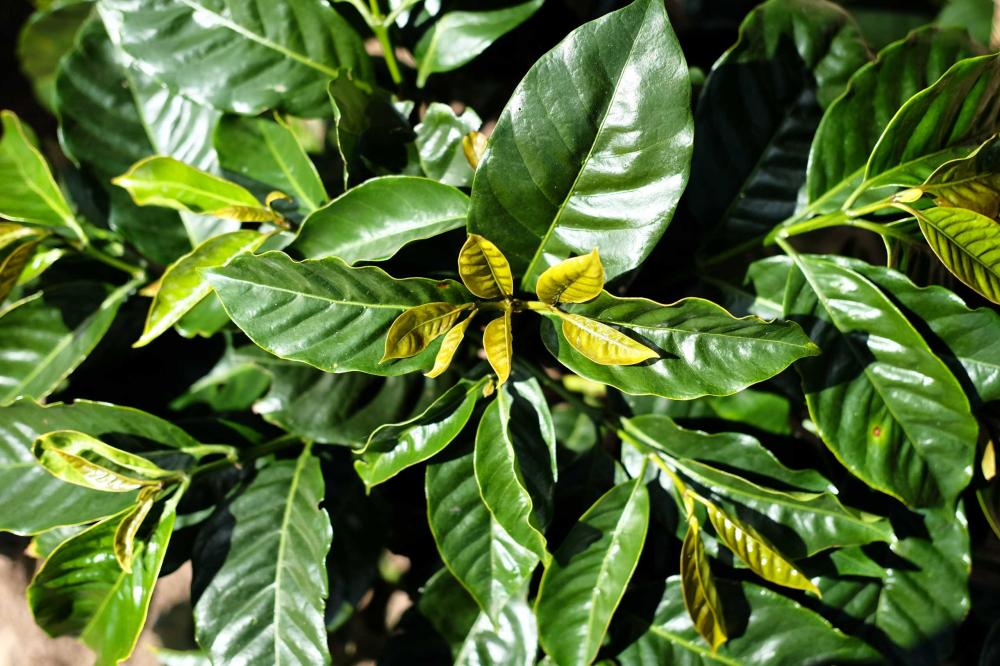
Representative Kenyan coffee varieties include SL28, SL34, and Ruiru11. SL28 and SL34 were selected from 42 varieties by Scott Labs after 1922, well-suited to Kenya’s high altitudes and variable climates. SL28 offers bright acidity and rich complexity, while SL34 has milder acidity. Together they account for 90% of Kenyan production and are also favored by South American growers. Ruiru11, a hybrid developed to resist coffee leaf rust, offers disease resistance but relatively modest flavor performance.
Kenyan Coffee Grading System
Kenya grades its coffee based on bean size, shape, hardness, and cupping performance, ranking from highest to lowest as E, AA or AA+, AB, C, PB, TT, and T. Among these:Grade E (Elephant Bean)Consists of abnormally large, double beans that are rare due to their oversized size;Grade AARefers to beans sized 17 to 18 mesh (approximately 6.7 to 7.1mm), the most sought-after grade in the market, often labeled as AA TOP;Grade ABIs a blend of Grade A and B beans, sized around 15 to 16 mesh (approximately 6.0 to 6.4mm), and represents the mainstream market grade;Grade PB (Peaberry)Accounts for only about 10% of production, characterized by its round shape due to a single seed per cherry, and is commonly found in the specialty market.
Additionally, TT and T grades consist of lighter or defective beans, while MH/ML grades are overripe fallen beans, generally intended for domestic consumption. Exporters may also perform additional cupping-based grading for AA and AB grades, including TOP, PLUS (+), and FAQ, offering more detailed quality references.
Auction and Trading Model of Kenyan Coffee
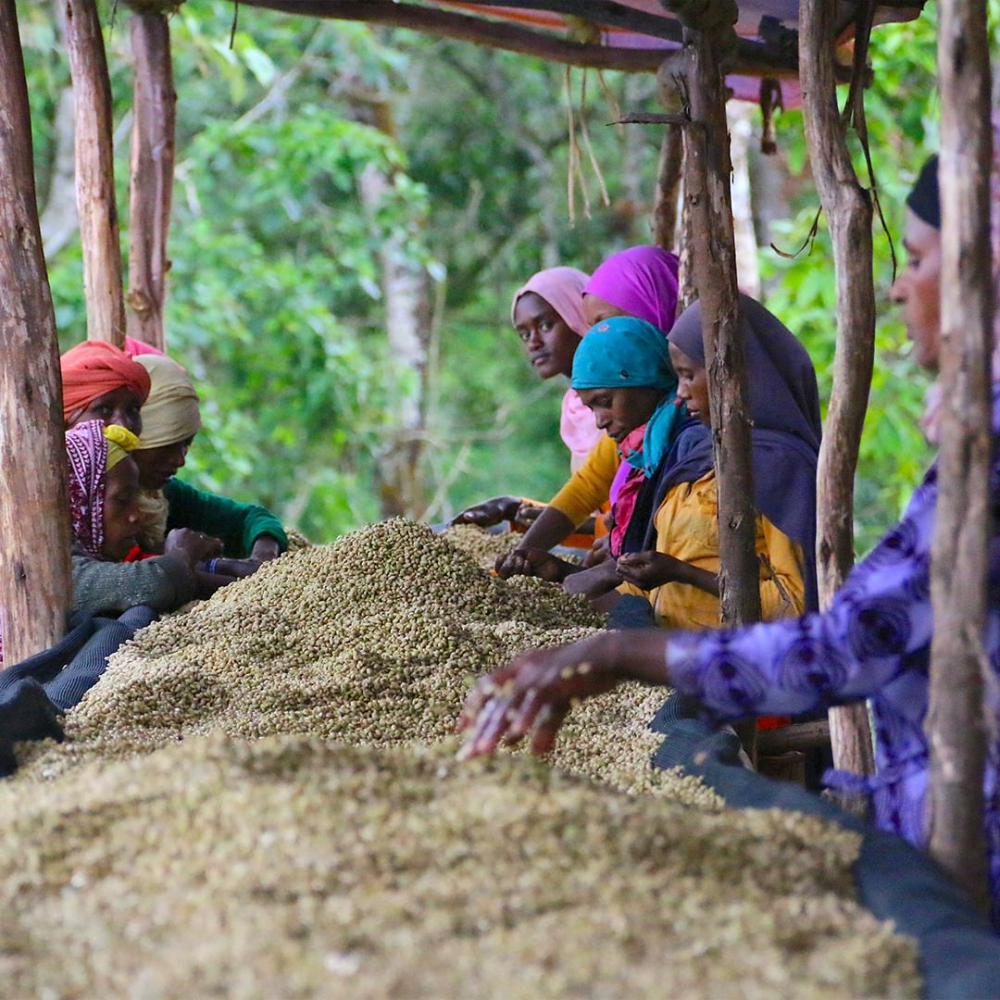
Since the 1930s, Kenya has maintained a transparent auction system. After grading by the Kenya Coffee Board, coffee is auctioned through the Nairobi Coffee Exchange. After 2006, direct sales via independent marketing agents to international buyers were also permitted, with both models coexisting to ensure market efficiency and fairness.
Currently, about 85% of Kenyan coffee is traded through the centralized auction system using electronic bidding, held every Tuesday. The remaining 15% is sold via direct trade, enabling producers to earn higher returns, especially for high-quality lots.
Recommended: Practical Tasting of Kenyan Assalya AA TOP and Sasicini Estate PB
Through multiple cuppings and roasting experiments, we’ve selected two representative Kenyan beans: Assalya AA TOP and Sasicini Estate PB, showcasing the diverse profiles of Kenyan coffee.
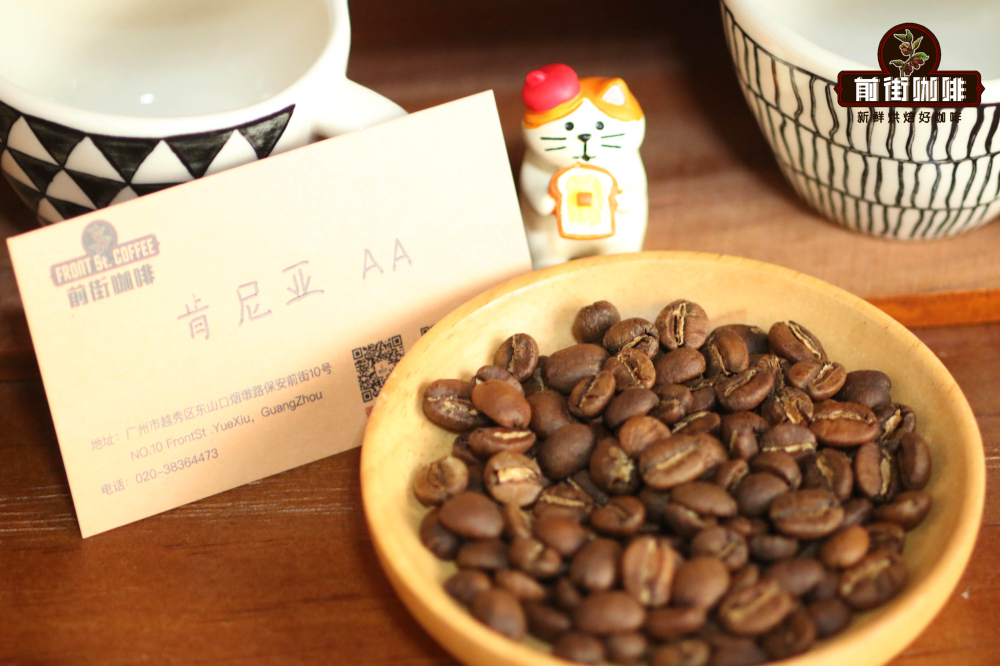
Kenya Assalya AA TOP
Region:Thika Region, Asali Washing Station
Altitude:1550–1750 meters
Processing Method:Washed
Variety:SL28 & SL34
Flavor:Tomato, Asian pear, black plum, brown sugar, plum, cherry tomato
Roasting Recommendation:Use a light roast to preserve bright acidity and fruity notes.
Pour Over Parameters:V60 filter, water temperature 90°C, 15g coffee, 1:15 coffee-to-water ratio, grind size similar to fine sugar (80% passing through a Chinese No. 20 sieve). It’s recommended to sift to ensure grind consistency — fast water flow indicates too coarse, slow flow too fine.
Pour Over Steps:30g bloom for 30 seconds, then pour in a slow spiral to 125g, followed by pouring to 225g. Total brew time is about 2 minutes. Flavor notes include bright acidity, juicy mid-palate, and a green tea-like aftertaste.
Kenya Sasicini Estate PB
Region:Kiambu Region
Altitude:1680 meters
Grade:PB (Peaberry)
Variety:SL28, SL34 & Ruiru
Processing Method:Washed
Flavor:Black plum, cherry tomato, almond, honey, juicy body, bright acidity
Roasting Recommendation:Light roast to enhance acidity and fruity characteristics.
Pour Over Parameters:V60 filter, water temperature 90°C, 15g coffee, 1:15 coffee-to-water ratio, grind size BG#5I (80% passing through a No. 20 sieve). Sifting is also recommended to optimize extraction.
Pour Over Steps:30g bloom for 30 seconds, then pour in a slow spiral to 125g, followed by pouring to 225g. Total brew time is about 2 minutes. Flavor starts with a sweet-tart combination of black plum and cherry tomato, transitions to almond in the mid-palate, and ends with a honeyed finish.
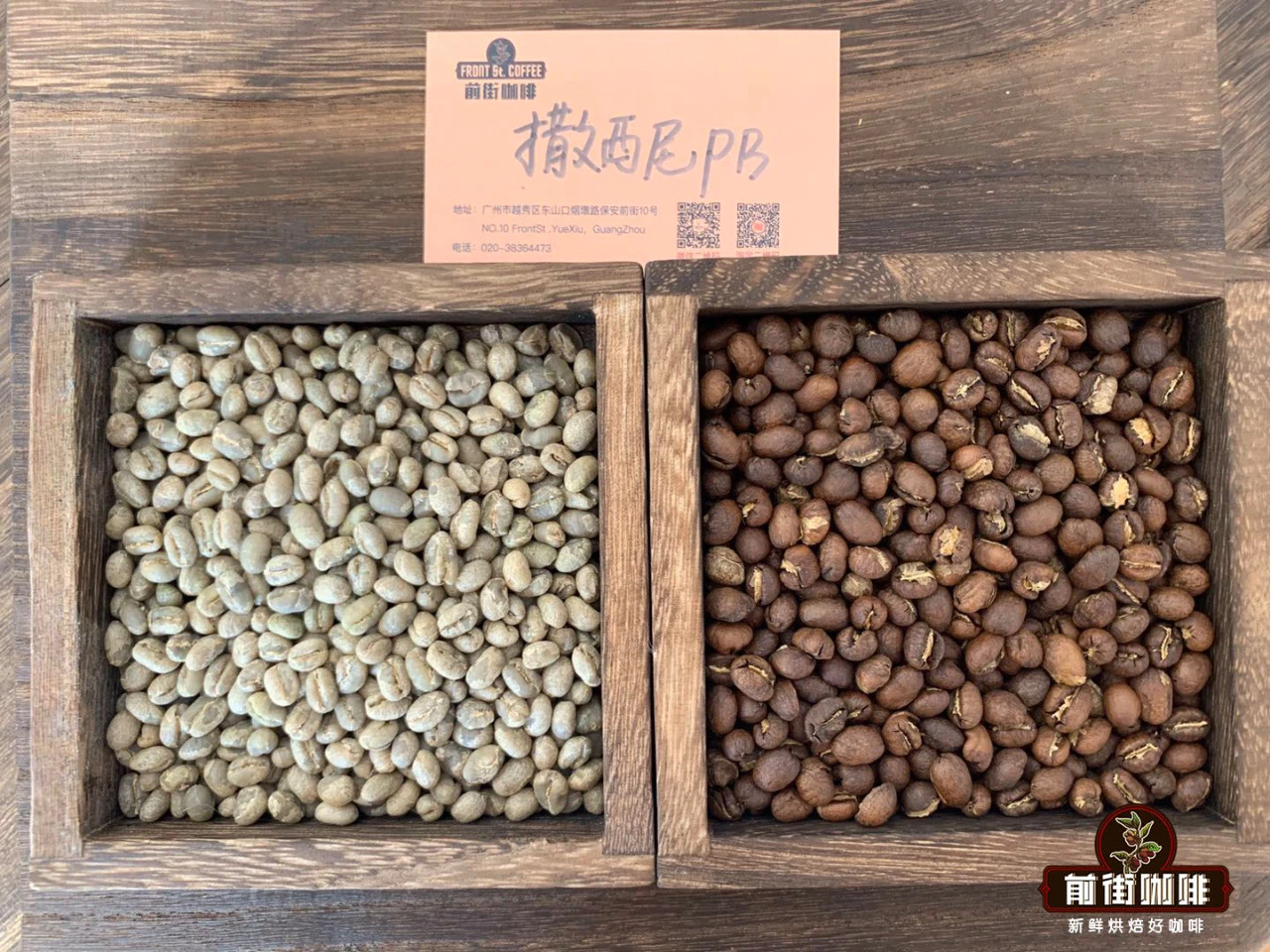
Flavor Differences Between Kenyan AA and PB
Both AA and PB grade Kenyan coffees feature prominent notes of black plum, cherry tomato, and honey, but differ in acidity expression and overall complexity:AA grade offers brighter and more layered acidity, ideal for those who enjoy complex flavors; PB grade highlights soft berry sweetness and a honeyed finish, resulting in a rounder and cleaner overall mouthfeel.
The above content is compiled by CoffeeHunters, a coffee news website.


