








Introduction:As a top-tier coffee representative from Sumatra, Indonesia, Golden Mandheling is renowned for its rich and full-bodied flavor. But did you know it was not originally developed by PWN, but rather driven by demand from Japan? This article fully explores the history, variety evolution, processing characteristics, and unique flavor profile of aged versions of this classic bean — from its origins to its charm. We also provide practical pour over parameters so you can brew an aromatic specialty Mandheling at home.
When it comes to specialty coffee from Indonesia, most people immediately think of "Golden Mandheling." As one of the most iconic single-origin coffees from Sumatra, this coffee has become a classic among enthusiasts thanks to its bold taste and captivating spice notes. However, Golden Mandheling was not inherently tied to any brand — its creation is closely linked to demand in the Japanese market, and both its name, origin region, and variety have undergone several transformations over time.
The Origin of the Name and Historical Background of Golden Mandheling
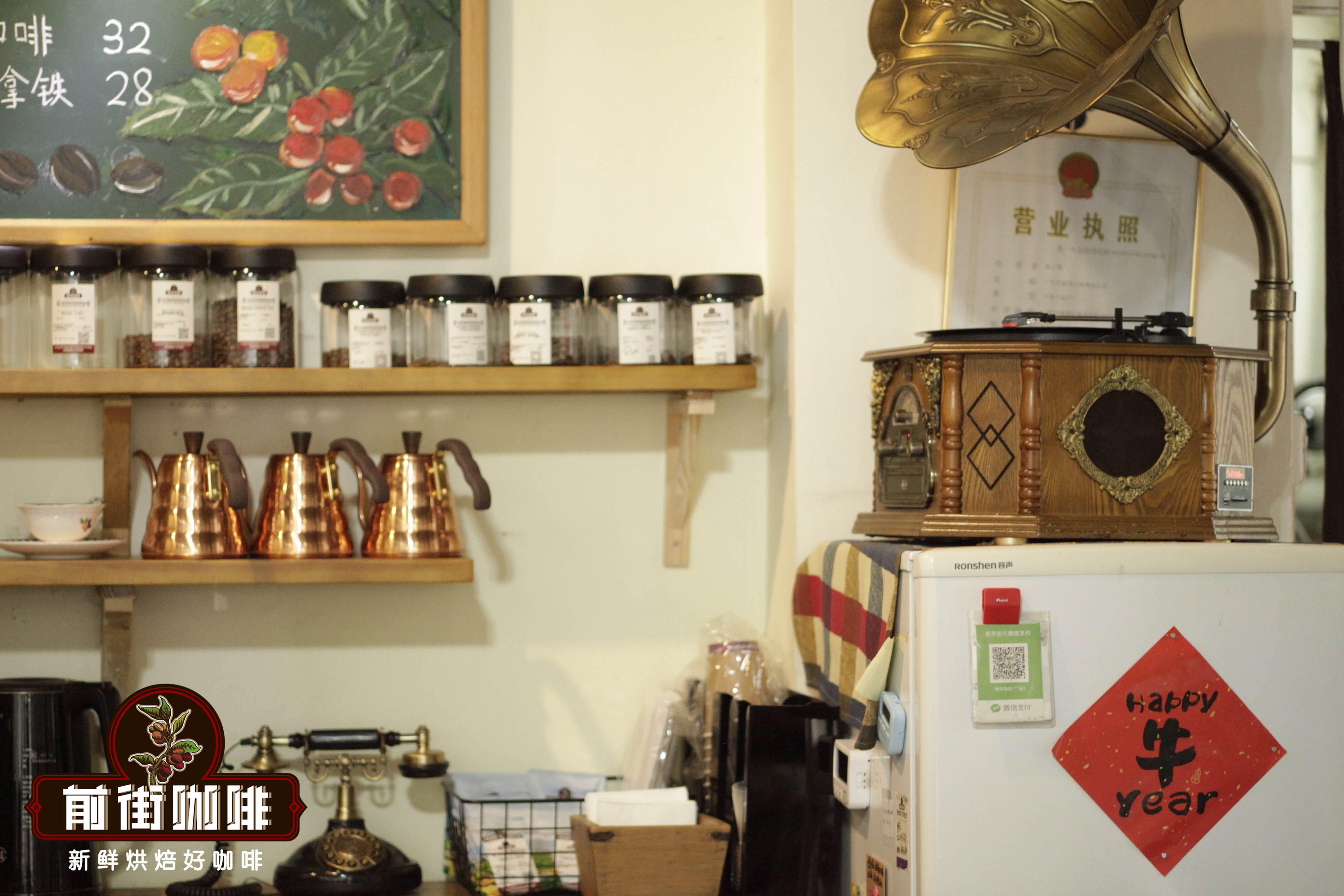
The term "Mandheling" originally referred to an ethnic group in Sumatra, later becoming a synonym for coffee from that region. However, how the name came to be used for coffee remains unclear, though it is certain that the coffee was once hugely popular in the Japanese market. Early Japanese importers sought to steadily source high-quality Sumatran coffee, only to find inconsistent bean quality locally. To address this, they established strict selection criteria, including bean size, appearance, and defect rate, using a combination of machine and manual sorting to ensure each batch met certain standards.
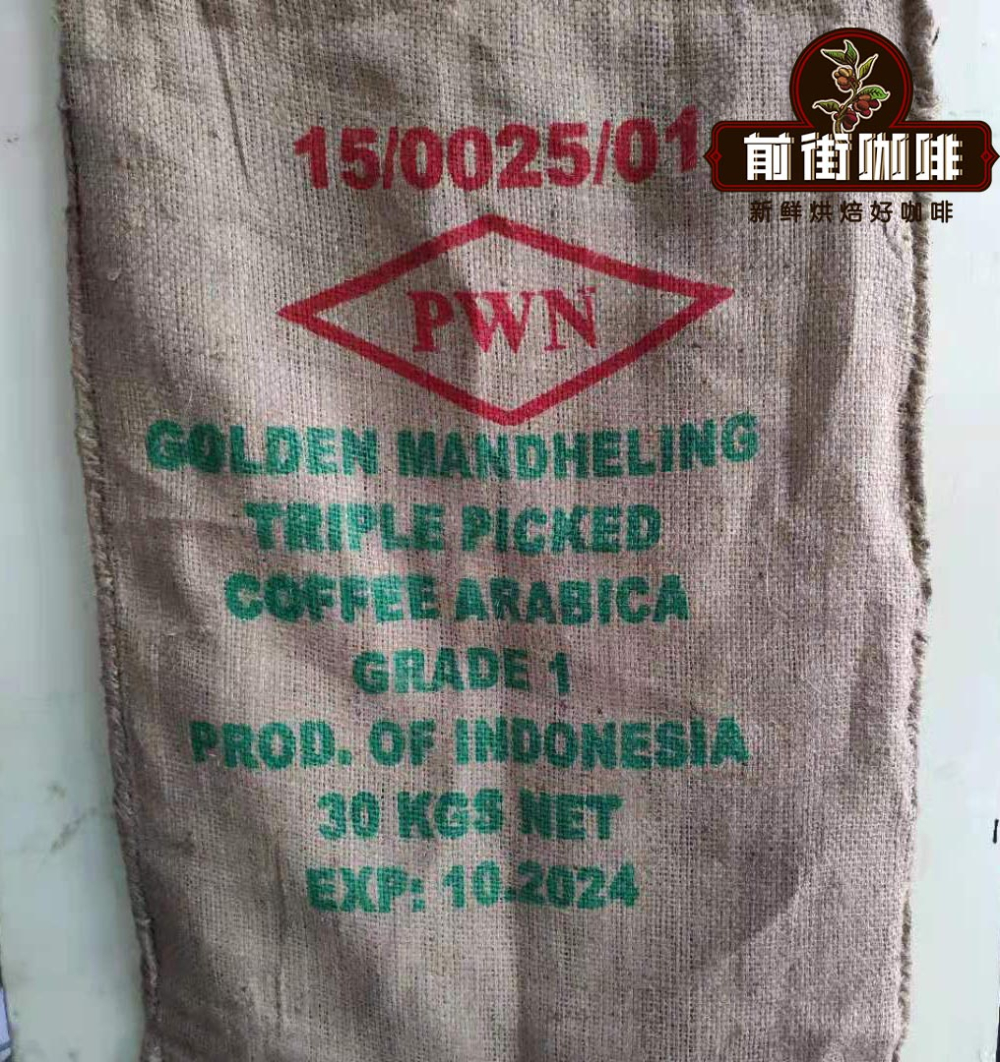
At the time, this meticulously selected coffee was called "Golden Mandheling," directly translated as "Golden Mandheling." However, as the name was trademarked by Indonesia’s local Pawani Coffee Company (abbreviated as PWN), other Japanese importers had to refer to it as "Gold Top Mandheling," which later became the familiar "Ding Shang Golden Mandheling."
PWN Golden Mandheling’s Selection Criteria and Quality Control
PWN performs three rounds of manual hand-selection on their G1-grade Mandheling green beans, choosing only premium beans that are 18 mesh size or above, with no more than three defects per 300-gram sample. This stringent quality control results in extremely low defect rates in the final Golden Mandheling product — not only delivering more consistent flavors, but also a pronounced sweetness and richer, more solid aroma.
Evolution of the Producing Region: From Lintong to Gayo Mountains
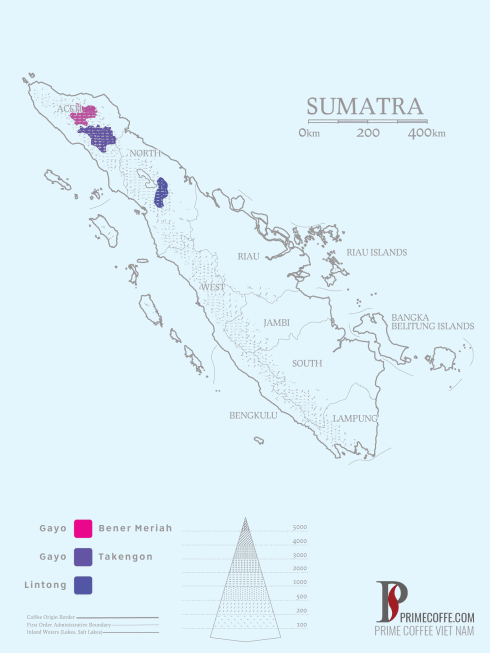
Traditionally, Golden Mandheling was mainly produced in the Lintong region of northern Sumatra. However, in 2020, PWN shifted to a new producing area — the Gayo Mountains in the northernmost part of Sumatra, located in the Takegon town and around the slopes of Lake Tawar, at altitudes between 1100 and 1600 meters. The climate conditions and soil environment here produce high-quality coffee cherries. In the past, exports were hindered due to political issues, but as the situation stabilized, the coffee from this area has gradually gained attention, with some even rating its quality as superior to the traditional Lintong region.
Varietal Shift: From Typica to Ateng (Catimor)
Previously, Golden Mandheling mostly used the traditional Typica variety. However, due to its weaker disease resistance, PWN switched to the Ateng variety — commonly known as Catimor in Taiwan and Southeast Asia — in 2020. Catimor is actually a hybrid of the Robusta variety Timor and the Arabica variety Caturra, offering disease resistance and high yield, making it suitable for cultivation in climates with variable conditions. Although its flavor profile is not as delicate as traditional Arabica, with proper processing and selection, it can still showcase strong spice and nutty notes.
Wet-Hulling: The Key to Shaping Mandheling’s Unique Flavor
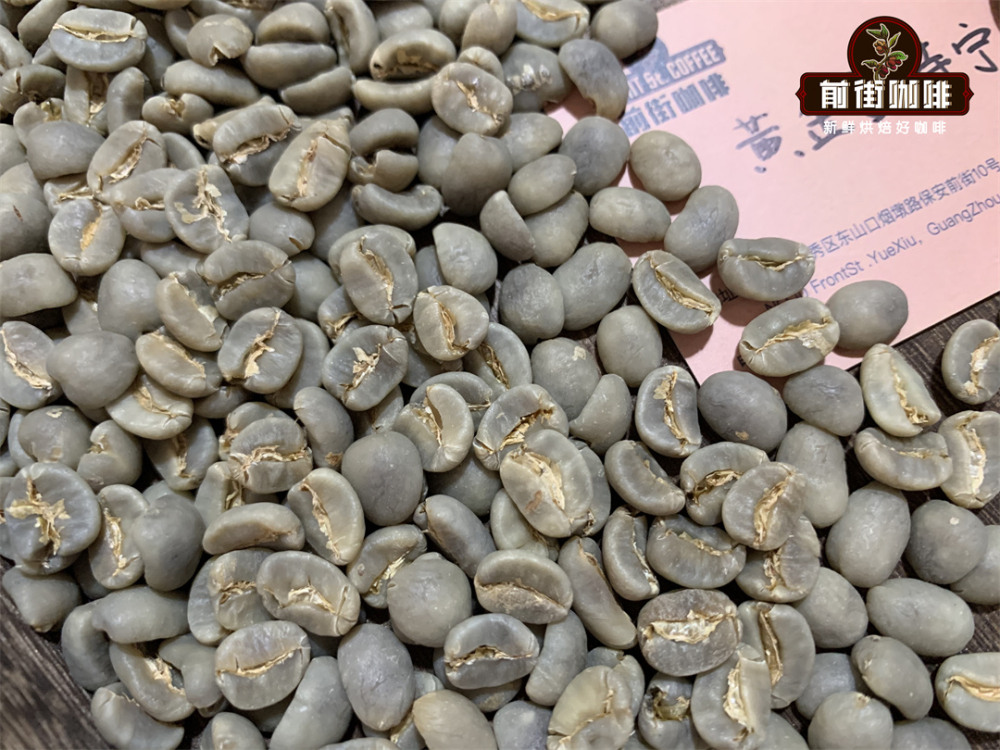
The "wet-hulling" method used for Golden Mandheling is the most representative processing style in Indonesia. Due to the region’s humid and rainy climate — which is unsuitable for traditional sun-drying or the costly washed process — farmers remove the fruit pulp and ferment the beans, then quickly remove part of the parchment layer before allowing the beans to continue drying. This method not only speeds up the process but also imparts unique earthy, herbal, and spicy notes to the coffee. It’s worth noting that this process often causes cracks on the surface of the beans, but this is normal and not considered a defect.
Aged Mandheling: Depth of Flavor Refined by Time
In addition to freshly roasted Golden Mandheling, "aged Mandheling" is another highlight. These coffee beans originate from practices during the early Dutch colonial period, where processed green beans were stored for several years. This allows the acidity to fade over time, while developing a richer sweetness, spice, and nutty aftertaste — akin to the aged fragrance of Pu-erh tea. Of course, aged beans require strict control over storage conditions to avoid mold or insect infestation; success isn’t guaranteed by simply leaving them alone.
PWN Golden Mandheling Flavor Profile and Basic Parameters
Region: Sumatra, Aceh, Gayo Mountains
Altitude: 1100–1600 meters
Variety: Ateng (i.e., Catimor)
Processing Method: Wet-Hulling
Flavor Characteristics: Roasted toast, nuts, pine, caramel, herbs — layered and with a long-lasting aftertaste
Recommended Pour Over Parameters for Golden Mandheling
To brew a rich and full-bodied cup of Golden Mandheling at home, we recommend using the following parameters:
Filter: Kono filter (helps extend brew time, enhancing body)
Brewing Temperature: 86°C
Coffee Dose: 15 grams
Coffee-to-Water Ratio: 1:15
Grind Size: Medium-fine (EK43s grinder setting 11)
Pour Over Steps (Brewed in Stages):
1. Start with a 30-gram bloom for 30 seconds
2. Then pour in a small circular motion up to 125 grams for the first pour
3. Once the water level drops slightly, pour up to 225 grams and stop
4. Total brew time should be controlled around 2 minutes
This way, you’ll experience the layered profile of this classic Indonesian coffee — from its rich base of nuts and chocolate, to the spice and caramel notes in the aftertaste — every sip is full of surprises.
The above content is compiled by CoffeeHunters, a coffee news website.


