







Introduction:Blue Mountain coffee is world-renowned, yet the market is flooded with "Blue Mountain flavor" products that are far from authentic. So what exactly qualifies as genuine Blue Mountain certified by Jamaican official standards? This article delves into Jamaica’s coffee classification system—from the geographic certification of the Blue Mountain region, the Rainforest Alliance certification background of the Clifton Estate, to the CIB’s NO.1 to PB bean grading criteria—guiding you through the key elements to identify true Blue Mountain coffee, along with practical brewing references for washed and natural processing methods.
When it comes to Blue Mountain coffee, it’s almost a legend in the hearts of coffee enthusiasts. Yet the "Blue Mountain flavor" drinks commonly found in supermarkets or vending machines are worlds apart from actual beans sourced from Jamaica’s Blue Mountain region. So what kind of coffee can be called "authentic Blue Mountain"? And how did Jamaica’s coffee industry rise to prominence in the 19th century, then nearly collapse, only to be revived with the help of Japan’s UCC, eventually evolving into today’s rigorous grading and certification system? This article will break down the logic behind Jamaica’s coffee classifications—from regional definitions, processing differences, the sustainable certification of the Clifton Estate, to the CIB’s NO.1, NO.2, NO.3, and PB bean size standards—to help you develop a professional perspective on identifying real Blue Mountain coffee.
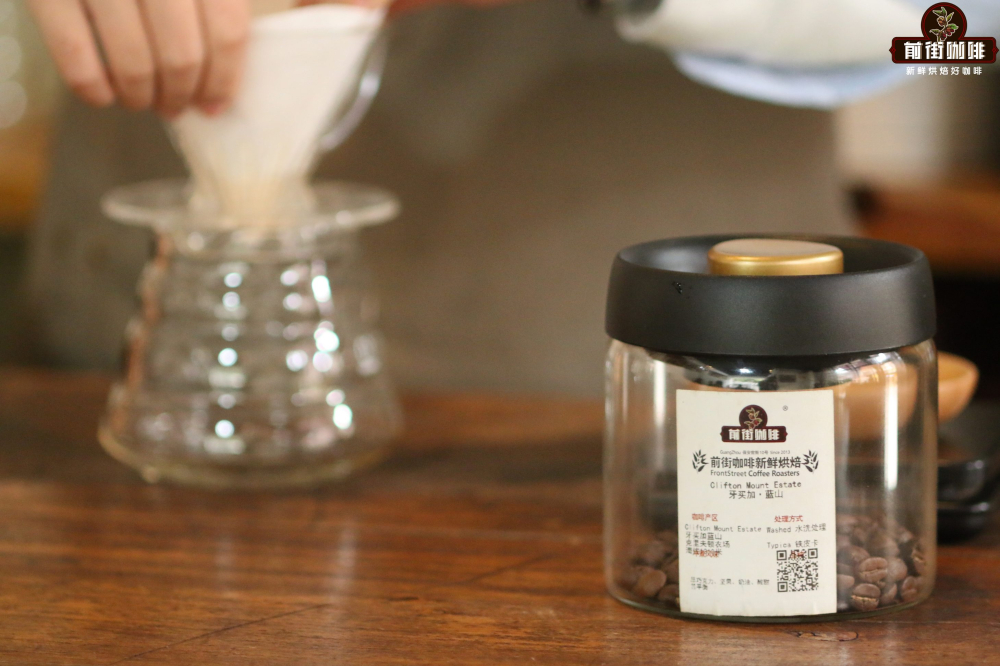
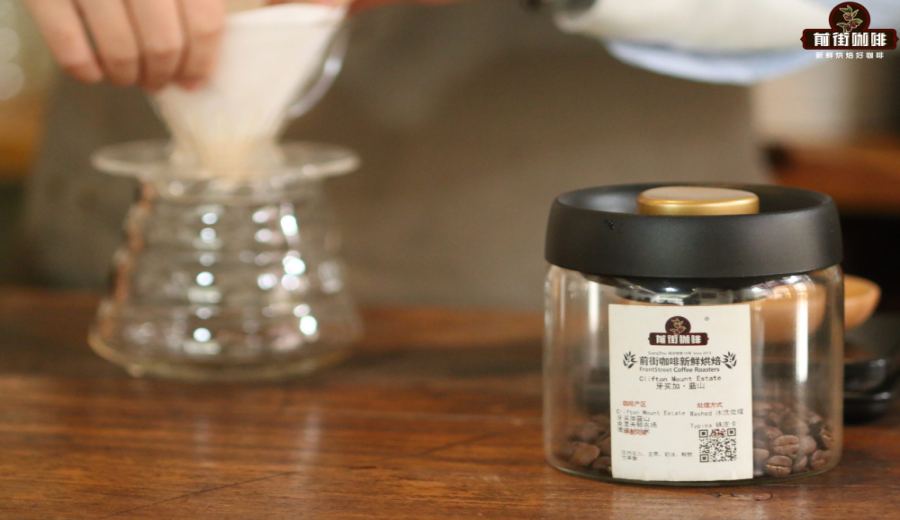
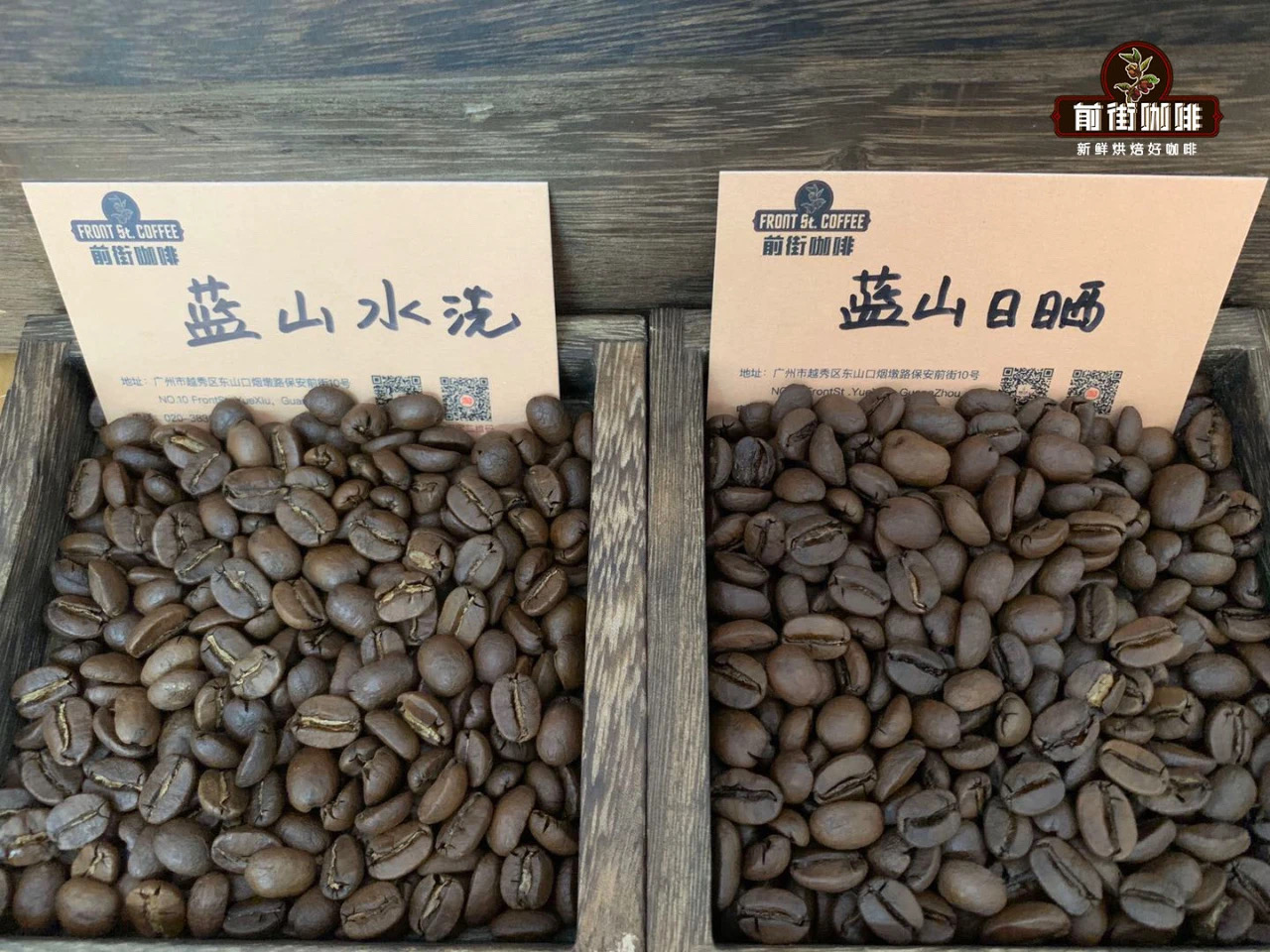
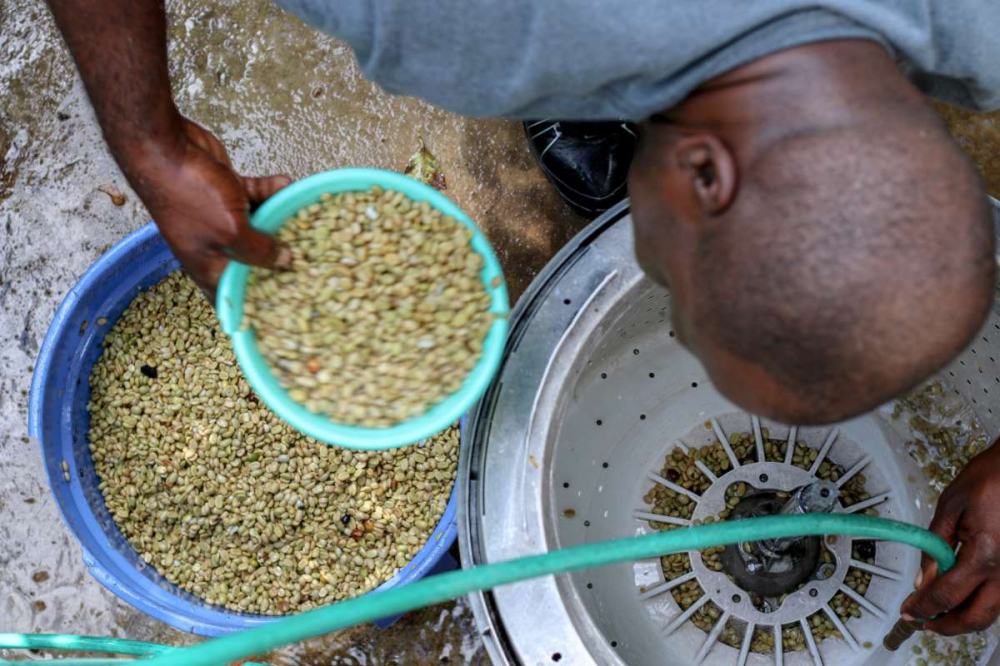
Blue Mountain coffee can be divided into two main types based on processing: washed and natural. Traditionally, Blue Mountain coffee has always been processed using the washed method, which better preserves the regional flavor characteristics of the beans, resulting in a cleaner, brighter taste profile. Washed Blue Mountain typically exhibits brown sugar sweetness and berry acidity, with layers of nuts and cocoa in the mid-to-late stages, and a creamy mouthfeel, followed by a walnut aroma in the aftertaste. In contrast, naturally processed Blue Mountain, though relatively rare, is a product of the global specialty coffee market trend. Despite the challenges of implementing natural processing in the high-altitude, climate-variable Blue Mountain region, local producers have continuously refined their techniques to create a rich, full-bodied, and balanced natural Blue Mountain coffee with sweet, sour, and bitter notes in harmony—offering flavors of dark chocolate and nuts, with high clarity and brightness.
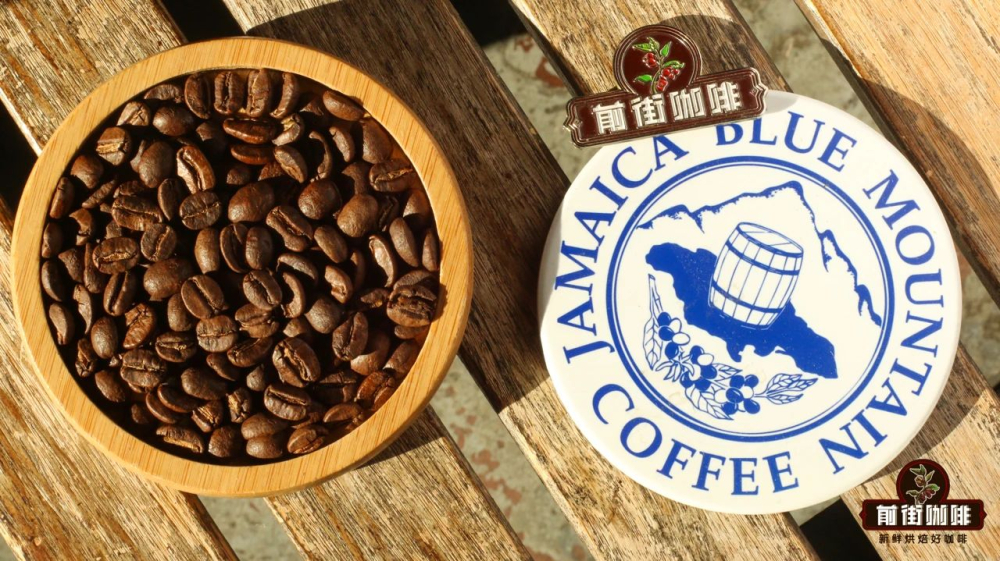
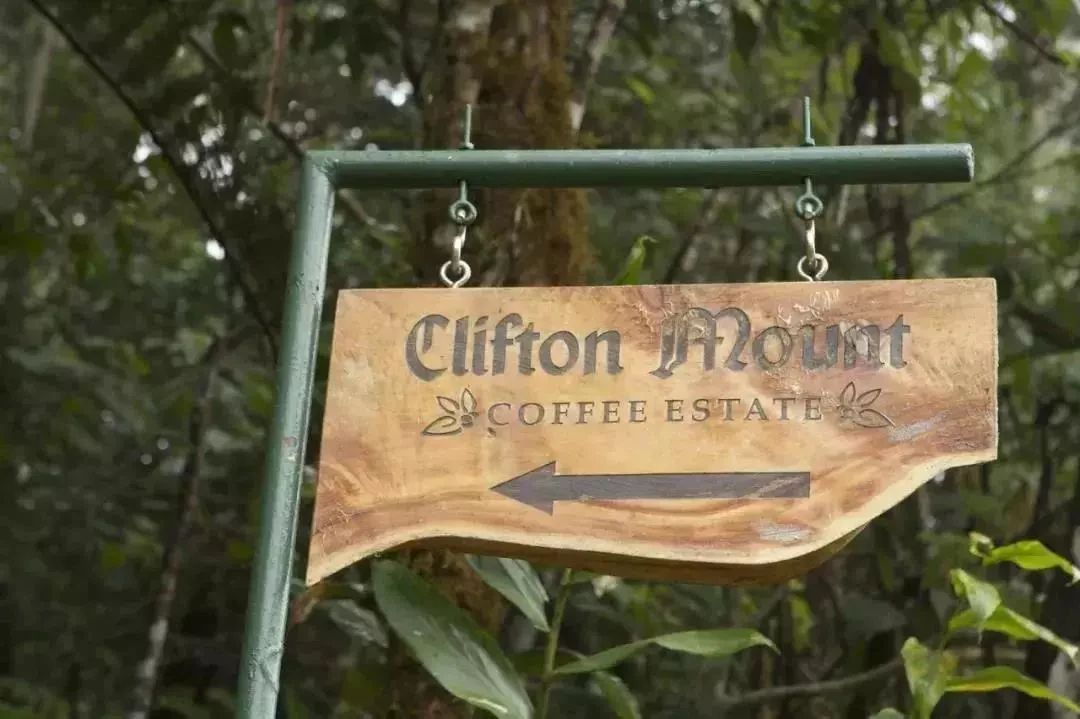
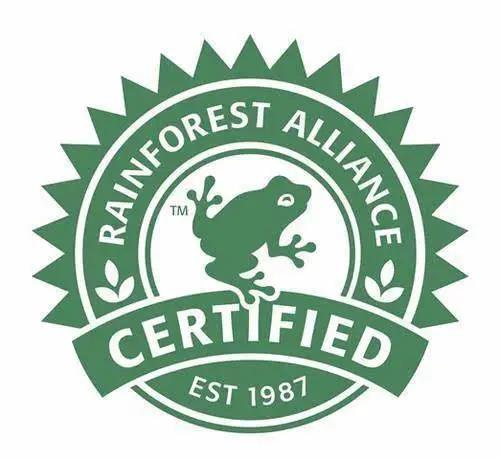
Many of the top-tier Blue Mountain coffees on the market today come from the Clifton Estate, the oldest and most historic estate in the Blue Mountain region. The Clifton Estate is not only a key origin of Blue Mountain coffee but also the only coffee farm in Jamaica to have earned Rainforest Alliance certification. To obtain this certification, farms must pass multiple rigorous evaluations, including ecosystem protection, pesticide restrictions, waste management, and sustainable agricultural practices. Once certified, they are permitted to use the iconic green frog certification label. Therefore, if you see the green frog icon on a wooden barrel, you can almost be certain that the Blue Mountain coffee originated from the Clifton Estate—a key clue in verifying its authenticity.
The history of Blue Mountain coffee dates back to the 18th century, when British colonists introduced Typica coffee trees to the Blue Mountains of Jamaica. Thanks to the unique microclimate of high altitude and year-round cloud cover, this mountainous region produced coffee beans of exceptional flavor, even becoming the coffee of choice for the British royal family. By 1800, there were as many as 686 coffee plantations in the Blue Mountain region, and in 1814, coffee exports reached 15,199 tons, making Jamaica one of the major coffee-producing countries in the Western Hemisphere. However, after the abolition of the slave trade in 1807, the labor force sharply declined, and coffee production began to fall. After the complete abolition of slavery in 1838, more workers left the plantations, further shrinking Blue Mountain coffee output. By 1850, the number of plantations had plummeted to 186, with exports reduced to just 1,486 tons. Over the following century, Blue Mountain shifted from large-scale farm operations to smallholder cultivation, with both quality and yield struggling to return to their peak. By 1943, even Canada had stopped importing Jamaican coffee, followed shortly by the United States.
The turning point came in 1944, when A.J. Wakefield, the British Commonwealth’s Inspector of Agriculture for the West Indies, advocated for the establishment of a central washing station. This mandated that all exported coffee be centrally purchased, processed, and graded by the government—an institutional foundation for the quality of Jamaican coffee. In 1950, the Jamaican government formed the Coffee Industry Board (CIB) to set quality standards, oversee enforcement, and issue official certifications for both green and roasted beans. In 1969, Jamaica was devastated by a hurricane, and Japan’s UCC Ueshima Coffee introduced agroecological techniques to aid recovery. In 1971, the Jamaican government signed an agreement with Japan, agreeing to export 90% of its annual production to Japan and only 10% to other markets—most of which went to high-end consumers or royalty, which is one reason why Blue Mountain coffee is so rare. From 1981 onward, Jamaica expanded coffee cultivation again, but today the certified Blue Mountain production area is only about 6,000 hectares, with another 12,000 hectares dedicated to High Mountain Supreme and Jamaican coffee categories—meaning truly Blue Mountain-labeled coffee is actually very limited.
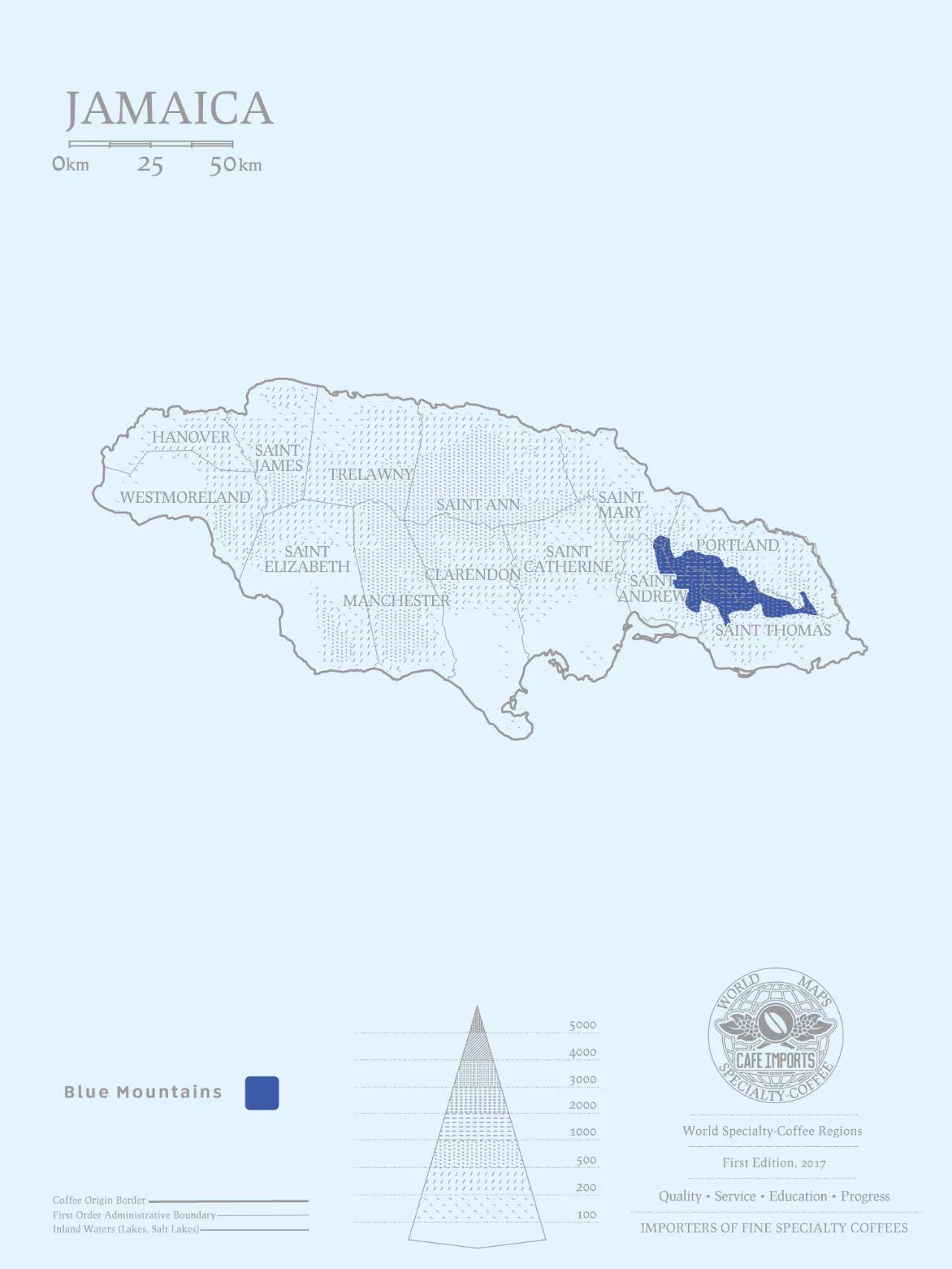
Jamaica is the only country in the world with a government-level coffee regulatory body—the Jamaica Coffee Industry Board (CIB). The CIB oversees planting techniques, processing training, fair trade management, and quality control, with board members mostly being estate owners managing farms of 50 hectares or more. According to CIB regulations, only coffee beans grown at elevations above 2,200 feet (approximately 670 meters) in the Blue Mountain region qualify to be labeled as "Jamaica Blue Mountain." Precisely because of the limited production area and strict controls, Blue Mountain coffee has long maintained high prices, even being regarded as a "luxury among beverages."
How can you confirm that the Blue Mountain coffee in your hands is genuine? First, the CIB issues a quality certificate—only beans that are officially certified and grown above 2,200 feet in the Blue Mountain region can be called Jamaica Blue Mountain. Grading is based on bean size and defect rate, divided into four grades: NO.1, NO.2, NO.3, and PB (peaberry). Among these, NO.1 is the highest grade, requiring 96% of beans to be 17/18 mesh size, with a defect rate no higher than 3% and moisture content around 13%. Currently, all authentic Blue Mountain coffee on the market can obtain an export certificate issued by the Jamaica Coffee Board. Additionally, Blue Mountain coffee is one of the few regions that ships green beans in wooden barrels, unlike the common practice of using jute sacks—making wooden barrel packaging another key feature for authenticity.
The official grading standards for Blue Mountain coffee are as follows: NO.1 requires 96% of beans to be 17/18 mesh, with a defect rate below 3%; NO.2 is 16 mesh, also with a defect rate no higher than 3%; NO.3 is 15 mesh; PB is 10 mesh peaberry, with the same 3% defect limit. There are also derivative classifications such as mixed beans, fine beans, and mixed peaberries, but the most widely circulated and highly rated in the market remains the NO.1 grade—commonly known as "Blue Mountain No.1"—renowned for its balanced flavor, combining sweet, sour, bitter, and aromatic notes, and widely recognized as the finest among Blue Mountain coffees.
In summary, identifying genuine Blue Mountain coffee can follow three principles: first, check the quality certificate issued by the Jamaica Coffee Board; second, confirm whether it comes from the four government-approved processors and sixteen authorized exporters; third, verify the origin certification documents. Also, remember that true Blue Mountain coffee is grown only above 910 meters (approximately 3,000 feet), with strict grading and significant price differences between grades. Mastering these points allows you to find that rare and truly worthwhile cup among the many "Blue Mountain flavor" products.
For brewing, the KONO filter is commonly used for extracting Blue Mountain coffee. This filter, with its unique rib design, slightly reduces airflow but extends water-coffee contact time, yielding a rounder, fuller body—perfect for highlighting the delicate layers of Blue Mountain coffee. It is recommended to use 15 grams of coffee grounds, a 1:15 brew ratio, with water temperature controlled at 88-89°C, and grind size at medium-coarse (approximately 75% passing through a #20 sieve). The specific method is: start with a 30-gram bloom for 30 seconds, then pour in a slow spiral to 130 grams, wait until the coffee bed drops halfway, then pour quickly with a larger stream to reach 65 grams, totaling 195 grams, with an overall extraction time of about 1 minute and 50 seconds—fully showcasing the rich flavors of Blue Mountain coffee.
Finally, in terms of flavor profile, natural Blue Mountain offers a pronounced brown sugar sweetness and berry acidity, with nutty and cocoa aromas in the mid-to-late stages, a creamy mouthfeel, and a walnut aftertaste; whereas washed Blue Mountain presents a clean profile of dark chocolate and nuts, with balanced sweet, sour, and bitter notes, good body, and a clear, bright flavor outline. Whichever processing method you choose, you can experience the unique terroir charm of Blue Mountain coffee.
The above content is compiled by CoffeeHunters, a coffee news website.


