







Introduction:Sumatra Mandheling is globally renowned for its bold, full-bodied flavor and spicy, herbal notes. This article delves into the history of Mandheling, explores the regional characteristics, processing methods, and flavor profiles of four renowned types—Lintong, PWN Gold, Tiger, and aged Mandheling—and provides background on native Sumatran cultivars such as Ateng and Tim Tim. It also includes professional-grade KONO filter cone pour-over brewing recommendations, covering water temperature, grind size, and step-by-step details to help coffee enthusiasts master the precise brewing techniques and flavor essence of this classic bean.
Mandheling is the most representative Arabica coffee from Sumatra, Indonesia, and its most distinctive features are its rich, full-bodied mouthfeel and unique spicy, herbal, and chocolatey tones. These flavors are inseparable from the region’s unique wet-hulling process and high-altitude volcanic soils, making Mandheling a classic among global specialty coffee aficionados.
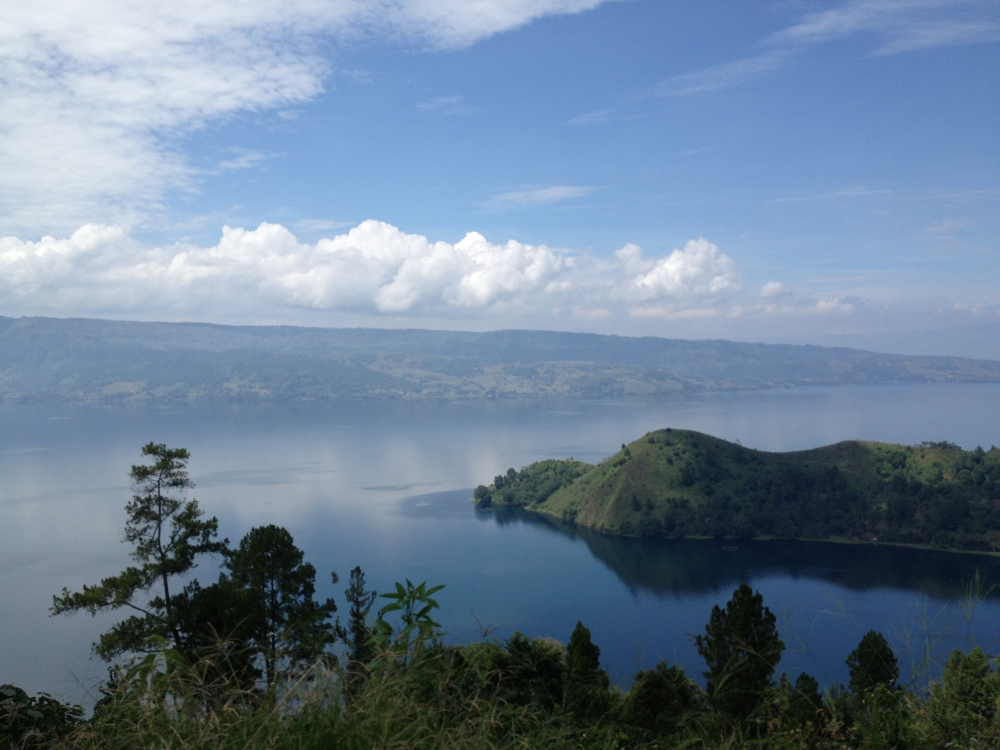
However, Mandheling is not actually a region name but originated from a misunderstanding by a Japanese soldier during World War II. He misheard the pronunciation of the Mandailing ethnic group from northern Sumatra as the name of a coffee, and after the war, this name gradually became synonymous with Sumatran Arabica coffee. Today, "Mandheling" has become an important symbol of Indonesian specialty coffee, especially renowned around Lake Toba and Lake Tawar.
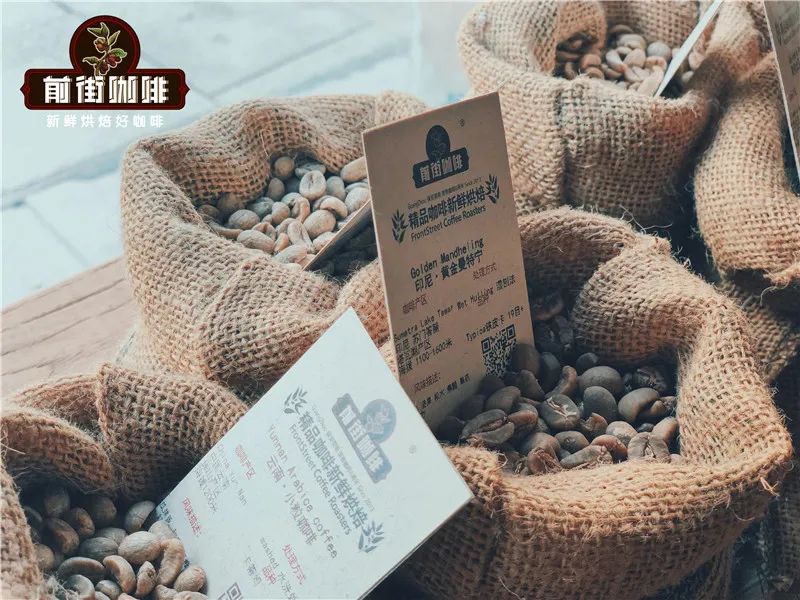
Indonesia is one of the few countries in the world that still cultivates significant amounts of Robusta, but the Mandheling produced in Sumatra is predominantly high-altitude Arabica. Due to differences in geography and microclimate, Mandheling can be categorized into various types based on origin, processing mill, and grading. Below, we introduce in detail the four most representative types of Mandheling.
1. Lintong Mandheling: The Classic Entry Point for Sumatran Flavor
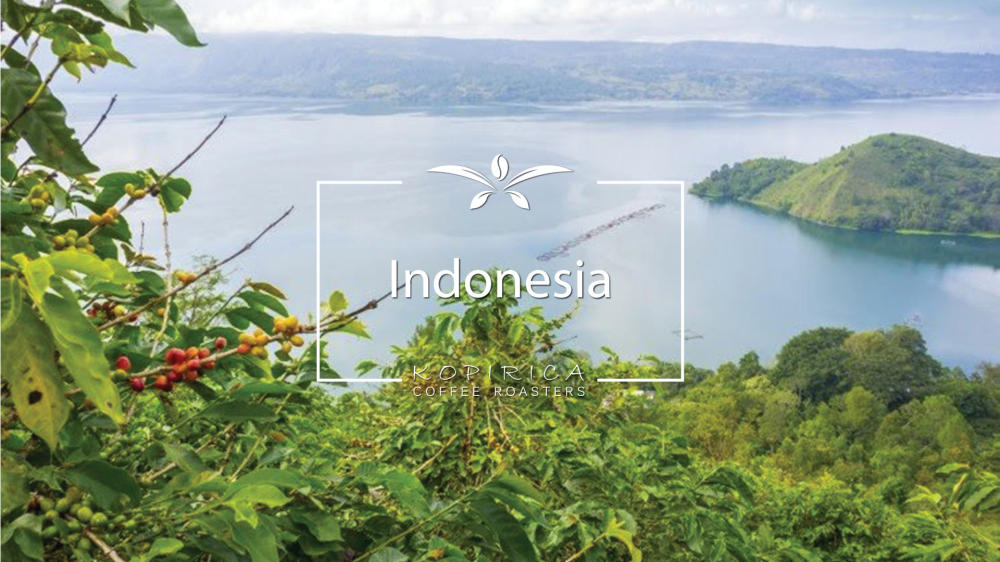
Lintong Mandheling comes from the Lintong region in northern Sumatra, which surrounds Lake Toba, at elevations ranging approximately between 1,100 and 1,600 meters. The area features a tropical rainforest climate with abundant rainfall year-round and fertile volcanic soils, providing ideal growing conditions for coffee trees.However, due to high humidity, traditional sun-drying methods are challenging to implement here, so the local “wet-hulling” method is commonly used. This process gives Mandheling its distinctive low acidity, full body, and intense spicy and earthy aromas.
Lintong Mandheling is usually a blend of Ateng and Tim Tim varieties. While batches without strict selection may have slight flavor variations, overall, it still showcases the classic profile of Sumatran coffee, including notes of nuts, spices, chocolate, and caramel. For coffee lovers trying Mandheling for the first time, Lintong Mandheling is a highly cost-effective entry option.
2. PWN Gold Mandheling: A Premium Representative of High-Altitude G1 Beans
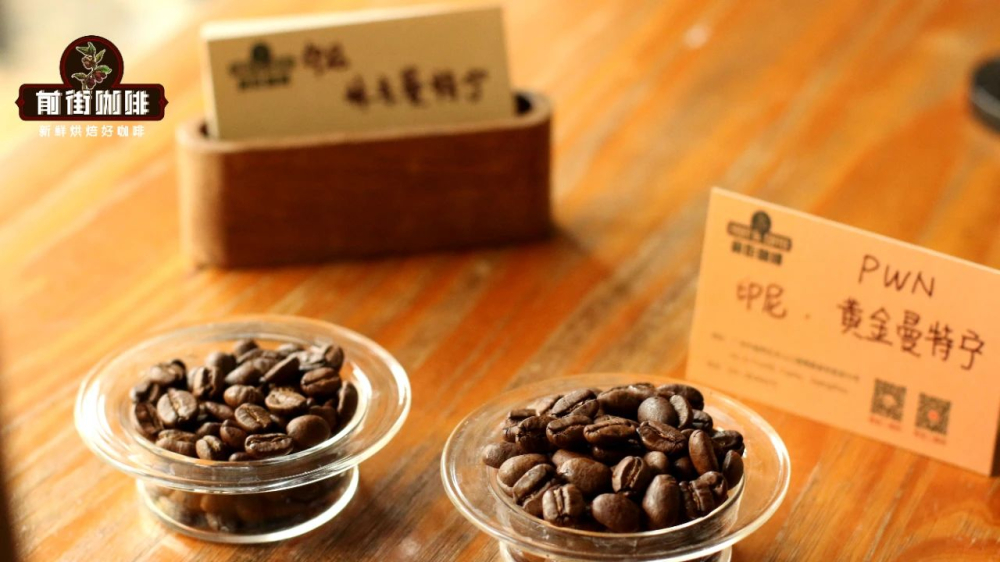
PWN (Pt. Perkebunan Nusantara) is an agricultural company under the Indonesian government and a key promoter of premium Mandheling. The name PWN Gold Mandheling not only represents its high quality—undergoing four rounds of manual sorting—but it is also the only product legally allowed to use the “Gold Mandheling” trademark.This coffee is made exclusively from G1-grade green beans sourced from the Gayo Highlands and Lake Tawar regions of Sumatra (with extremely low defect rates, fewer than 3 defects per 300-gram sample), and is carefully handpicked to ensure uniform bean size and intact appearance.
PWN Gold Mandheling also uses the wet-hulling process, but its flavor profile is cleaner, with a more pronounced sweetness and layers of rich nuts, spices, herbs, and caramel. Compared to regular Lintong Mandheling, its flavor profile is more focused, making it an ideal choice for advanced enthusiasts.
3. Tiger Mandheling: Representative of Herbal Aromas and Bold Body
Tiger Mandheling gets its name from its intense, herbal-like aroma, with locals even comparing its bold and powerful taste to the Sumatran tiger. This coffee specifically selects large coffee cherries above 19 mesh and undergoes three rounds of hand selection to ensure only the ripest coffee fruits are used.
The variety blend of Tiger Mandheling includes Typica and Caturra. Typica contributes a long-lasting sweetness and body, while Caturra adds gentle citrus acidity and aroma, resulting in a more balanced overall flavor. Its unique herbal and woody notes make it stand out within the Mandheling family.
4. Aged Mandheling: Depth and Richness Refined by Time
Aged Mandheling is not simply stored but undergoes a strictly controlled aging process. These green beans are typically kept in temperature- and humidity-controlled warehouses, with regular turning to ensure even maturation. Generally, the aging process lasts 3 to 5 years, during which the beans gradually lose acidity while gaining more body and a richer overall mouthfeel.
Compared to fresh-crop Mandheling, aged Mandheling has less bright, fruity acidity but more intense chocolate, spice, and nut tones, making it ideal for coffee connoisseurs who enjoy deep, complex flavors.
Main Varieties of Sumatran Mandheling: Evolutionary Background of Ateng and Tim Tim
Early coffee cultivation in Indonesia was dominated by Typica, which was introduced to Java by the Dutch in the late 17th century and later spread to Sumatra. Over time, Typica blended with the local terroir, gradually evolving into regionally distinctive varieties such as Bergendal, Sidikalang, and Rambung, which often feature strong herbal and spicy aromas.
However, the major leaf rust epidemic of 1877 wiped out most Typica plants, prompting the Indonesian government to introduce disease-resistant varieties, including Robusta, Timor (Tim), and Catimor. Among them,Timor (Tim) is a natural hybrid of Typica and Robusta, also known as Tim Tim, favored by farmers for its high yield and disease resistance. Catimor, a cross between Caturra (a Bourbon variant) and Timor from East Timor, commonly called Ateng, also boasts strong disease resistance.Although these varieties might be dismissed in other regions for their lackluster flavors, they exhibit bold, full-bodied profiles in Sumatra’s unique environment.
Brewing Recommendations for Mandheling: KONO Filter Cone and Parameter Details
Mandheling coffee is best presented with a medium-dark roast to highlight its body and caramel sweetness. When using the KONO filter cone for pour-over, it is recommended to set the water temperature to87°C, use about15 gramsof coffee, with a1:15brew ratio of, and employmedium-coarse grind (approximately 70% extraction through a Chinese standard #20 sieve)
. Begin with a 30-second bloom using 30 grams of hot water, then slowly pour in a circular motion from the center. After reaching 125 grams in the first pour, pause for a split pour, then continue pouring until reaching 225 grams to complete extraction.
The above content is compiled by CoffeeHunters, a coffee news website.


