







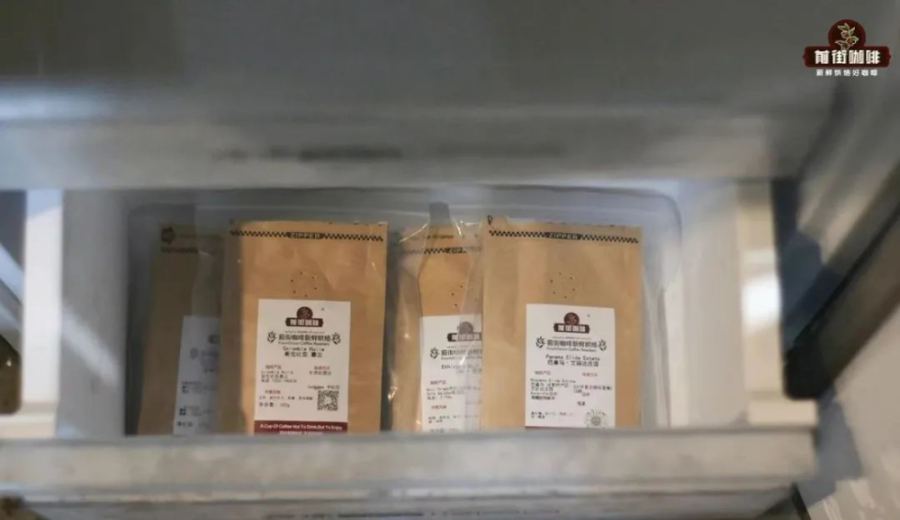
Introduction:Should you refrigerate or freeze excess coffee beans that you can’t finish drinking? How should you store them to extend their shelf life? This article explores the five major enemies of coffee flavor—light, heat, moisture, oxygen, and odors—to analyze the key factors in coffee freshness. It also references a Swiss scientific experiment to explain the correct methods and potential risks of freezing storage, while offering daily storage tips for opened beans. Properly preserve every batch of beans to enjoy optimal extraction performance.
Coffee enthusiasts often face this dilemma: you buy a pack of beans home, only to have friends give you several more, ending up with a stash you can’t possibly finish soon. So, can these extra beans go in the fridge? Should you refrigerate or freeze them? How can you store them to maintain peak flavor? Starting from the definition of freshness, this article will introduce the five main culprits that affect coffee aroma, and delve into the feasibility and practical steps of freezing storage to help you build an effective coffee preservation strategy.
The term “freshness,” in the context of coffee, doesn’t simply mean whether it has gone bad—it refers to whether its aroma and flavor are at their peak. Although commercial coffee products all come with a “best-before” date, for coffee aficionados, the more important concept is the “optimal drinking window”—the period when the coffee’s aroma is most vibrant and extraction performance is at its best. Generally speaking, freshly roasted coffee beans are at their optimal drinking stage roughly 40 to 50 days after roasting. During this period, the beans contain a high level of carbon dioxide—you can often observe obvious blooming bubbles during pour over—and they release rich, desirable aromas during extraction.
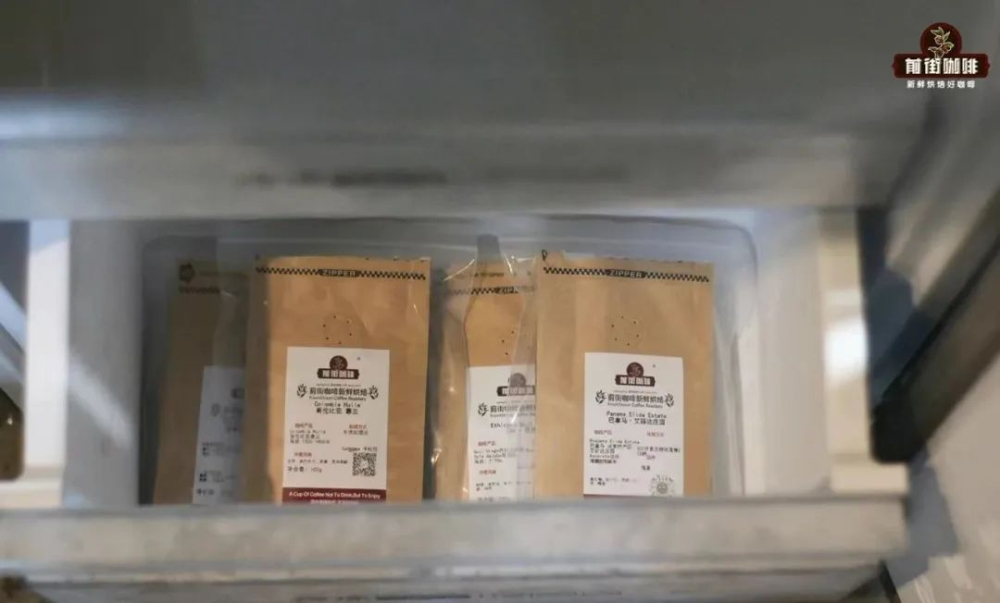
However, as time goes on, if not stored properly, these precious volatile aromatic compounds will gradually dissipate. Therefore, understanding and avoiding the five major “enemies” of coffee freshness is crucial: strong light, high temperature, moisture, oxygen, and odors. These five factors can directly or indirectly accelerate the decline of coffee aroma, and may even cause flavor distortion or the emergence of off-notes.
Even when unopened, although coffee beans have some protection, light and heat sources remain hidden culprits that speed up aroma evaporation. Therefore, when storing unopened coffee beans, it’s recommended to choose a cool, dark, and well-ventilated environment—avoid placing them near stoves, windows, or anywhere with large temperature fluctuations. The situation becomes even more critical once the bag is opened. At this point, the coffee beans are directly exposed to air, allowing moisture and oxygen to quickly seep in. If there are also food odors nearby, the beans can easily absorb foreign smells, resulting in a muddled flavor that seriously affects extraction results.
To effectively extend the optimal drinking window of coffee beans, it’s recommended to store opened beans in a sealed, dry, cool, and odor-free place, and to minimize the number of times the bag is opened. This basic preservation principle is actually a daily defense against the aforementioned five enemies. As long as environmental control is appropriate, even without special low-temperature storage, coffee beans can maintain good condition for a certain period.
So, does freezing coffee beans in the refrigerator really preserve them more effectively? According to a research study by Swiss scientist SAMO SMRKE, freezing conditions can slow down the rate at which gases (including aromatic molecules) escape from inside the beans by up to 12.5 times. In other words, it can inhibit aroma loss to a certain extent and theoretically delay the decline in coffee flavor over time.
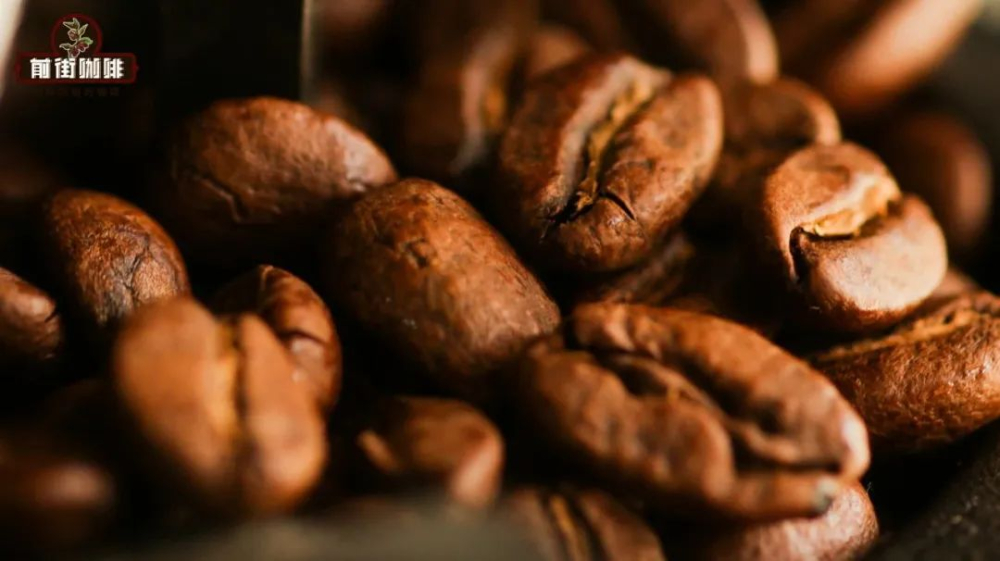
This means that if you purchase a large quantity of coffee beans at once and plan to continue drinking them over the next three to four months, freezing them is indeed a feasible and relatively safe option. However, it’s important to note that freezing isn’t a cure-all—it can only delay, not completely prevent, aroma loss. More importantly, improper handling—such as frequent retrieval, poor sealing, or refreezing after thawing—can cause the beans to absorb moisture, take on odors, or even develop surface condensation, further compromising their original flavor.
If you choose to store coffee beans in the refrigerator (not the freezer), first ensure the packaging is airtight. It’s recommended to vacuum seal the beans in a sealed bag or store them in a completely airtight container before placing them in the fridge’s chilled compartment. When taking them out, remember not to open the package immediately. Let the beans return to room temperature slowly, and wait until the vacuum bag or container is fully thawed before grinding and brewing. This helps avoid condensation caused by temperature differences, which could affect bean quality.
Also, once coffee beans have been thawed, it’s not recommended to refreeze them, as repeated temperature changes accelerate aroma degradation. If you can’t finish a bag of thawed beans in one go, it’s best to pre-portion them into smaller packages based on your usage amount before freezing. Make sure each package is independently sealed—truly using only what you need at a time—to maximize the flavor of every cup.
In summary, no matter which storage method you choose, the key lies in minimizing the risk of aroma loss. By mastering the five principles—avoiding light, controlling temperature, preventing moisture, blocking oxygen, and keeping away from odors—and adjusting your storage approach according to your consumption pace, you can ensure each pack of coffee beans is enjoyed at its best, delivering the richest and most captivating coffee flavors.
The above content is compiled by CoffeeHunters, a coffee news website.


