








Introduction:Aged Mandheling breaks the convention that "the fresher the coffee, the better," showcasing its unique rich flavors through the refinement of time. This article delves into its historical background, warehouse aging process, and guides you through the key techniques from wet-hulled processing to years of maturation, while also comparing it with Golden Mandheling. It also provides professional cupping flavor descriptions and pour over parameter recommendations to help you grasp the charm and brewing secrets of this classic coffee.
In today’s market, which emphasizes coffee freshness, aged Mandheling stands out with its "time-aged" character. Originating from Sumatra, Indonesia, this coffee initially developed its distinctive flavors due to accidental conditions during long sea voyages. Today, through a rigorous aging process, it has become an unforgettable classic among coffee enthusiasts.
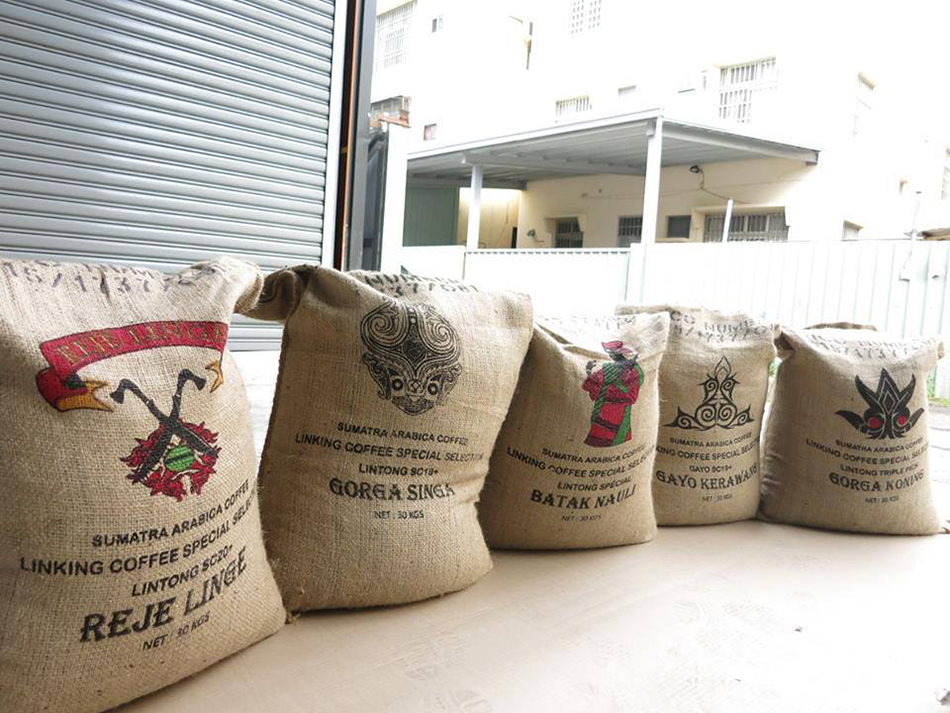
Traditional thinking suggests that the fresher the coffee beans, the more they can express their flavor complexity. However, aged Mandheling defies this notion. Its appeal lies in how acidity gradually transforms over time, producing a rounded aftertaste and deep mouthfeel reminiscent of Pu-erh tea. This transformation doesn’t happen naturally but occurs under controlled constant temperature and humidity, with strict management of temperature, humidity, and regular turning to prevent mold and uneven drying—gradually forming its unique aged aroma.
The origins of aged Mandheling can be traced back to the Dutch colonial period in Indonesia. At that time, Sumatra, as a major coffee-producing region, needed to ensure a stable supply to European markets. Some coffee beans had to undergo long sea voyages. Due to the limitations of navigation technology at the time, these journeys often lasted several months. The high humidity and sea breeze during transit caused the beans to naturally dry and develop unique flavors. With the advancement of modern logistics, this accidental flavor transformation has evolved into a deliberately pursued craft, gradually forming a complete aging process.
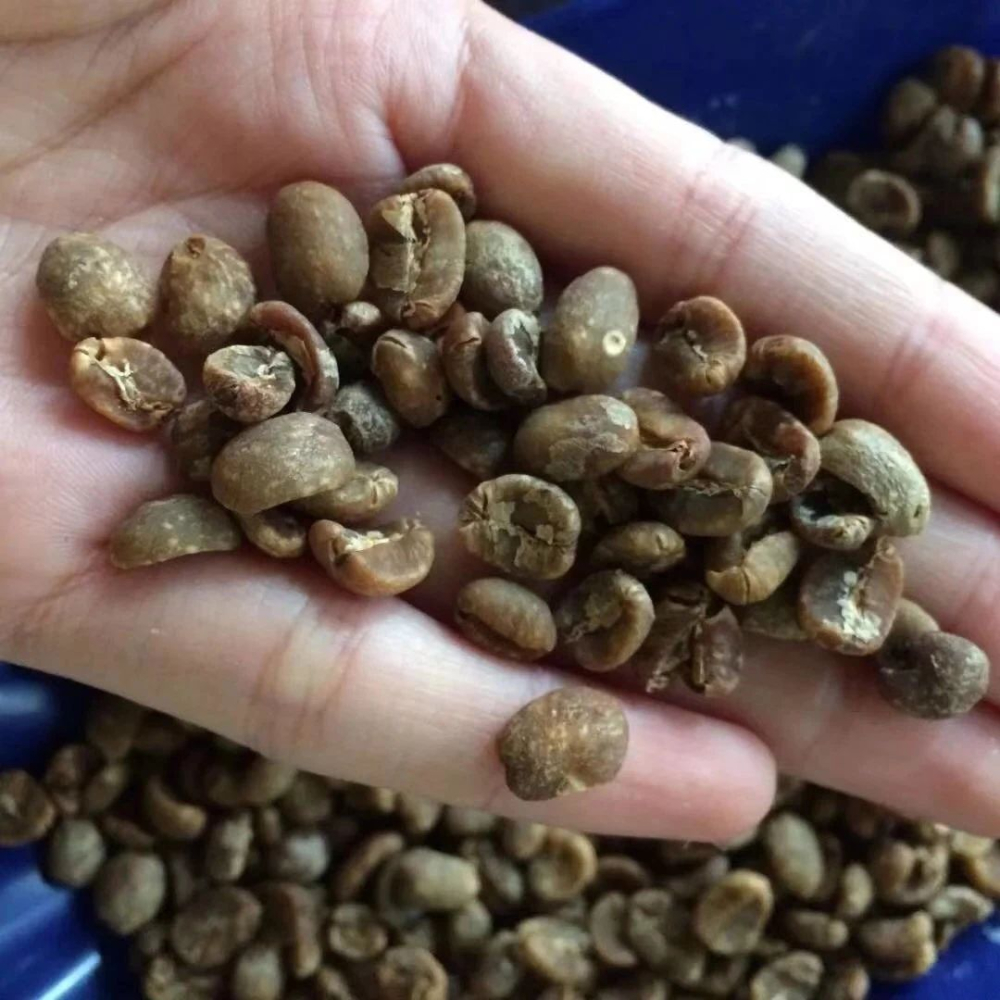
So-called aged Mandheling is not simply about leaving coffee beans to sit for years and wait for changes—it is a planned aging process involving careful selection and control. Generally, high-quality green beans processed via the wet-hulling method are chosen, such as those that have been rigorously selected, with plump appearance and no obvious defects. After initial processing, these beans are stored in warehouses with good ventilation and controlled temperature and humidity for a maturation period of two to three years.
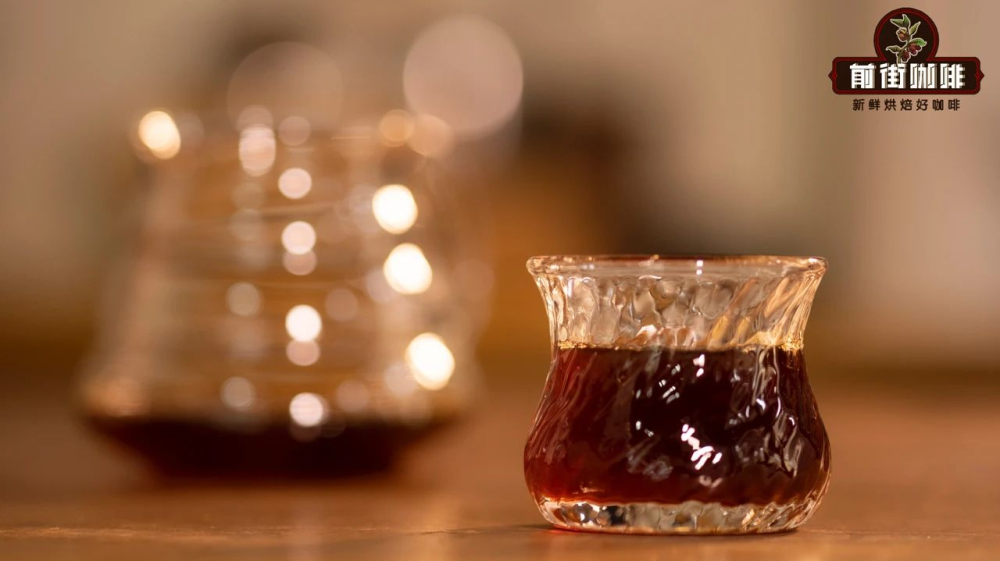
During the aging process, maintaining the warehouse environment is crucial. Temperature and humidity need to be regularly monitored, and the beans should be turned at appropriate times to ensure even air exposure for each bean, avoiding localized over-drying or mold. Over time, the acidity of the coffee beans gradually decreases, while sweetness and body significantly increase. The color also changes from the original green to yellowish-brown or dark brown, becoming a key identifying feature of aged Mandheling.
When discussing aged Mandheling, a common point of comparison is Golden Mandheling. The latter is renowned for its high quality and refined processing, originating from PWN (Pwani Coffee Company) successfully promoting Indonesian Mandheling to the Japanese market. PWN focuses on high-altitude grown premium green beans, using strict manual sorting to ensure each bean meets extremely high standards. Specifically, its green beans must pass one machine sort and three hand sorts, with very low defect rates, uniform bean size, and deep green color—belonging to the top G1 grade in Indonesian coffee grading.
Before launching their coffee beans, the brand conducts professional cuppings to objectively evaluate flavor performance. According to cupping results, the Lintong Mandheling regular bean exhibits a strong nutty profile, with a melon aroma in the aftertaste, and reveals herbal layers as the temperature drops, offering a full-bodied taste and rich aroma. In contrast, PWN Golden Mandheling features a profile led by dark chocolate, nuts, and caramel, complemented by herbal spices and pine notes, with a long and clean aftertaste. It also displays gentle fruit acidity across temperature changes, presenting a more refined flavor profile.
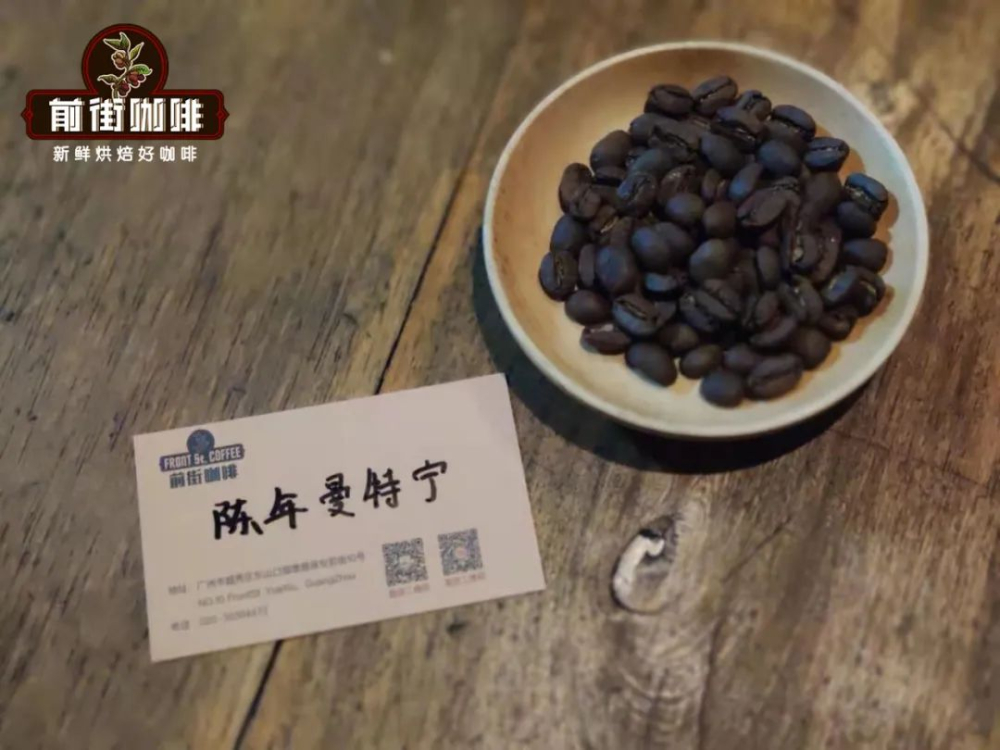
For pour over brewing of aged Mandheling or Golden Mandheling, the following parameters are recommended to fully showcase their characteristics: water temperature controlled between 87–88°C, using 15 grams of coffee grounds, with a 1:15 coffee-to-water ratio. The filter cone can be a KONO filter, and the coffee beans should be ground to a medium-coarse level (using a Chinese standard No. 20 sieve, with about 70% passing rate). This grind size helps balance extraction for dark roasted beans, avoiding excessive release of bitter substances.
Dark roasted coffee beans, due to their looser structure, are recommended to be ground slightly coarser than light roasts to reduce the release of tannins and off-flavors. At the same time, the water temperature should also be slightly lower than the 91–93°C used for light roasts, to control the release of large molecular compounds produced by caramelization and Maillard reactions. The design of the KONO filter cone helps stabilize flow rate, making it particularly suitable for highlighting the rich mouthfeel and caramel sweetness of the coffee.
In practice, it is recommended to use a three-stage pouring method: first, perform a 30-second bloom with 30 grams of water to fully activate the coffee aroma; then pour in a small circular motion up to 125 grams and pause, followed by continuous pouring up to 225 grams to complete extraction. The total time is controlled to around two minutes to ensure balanced flavor and smooth mouthfeel. Wetting the filter cone can improve the seal between the filter paper and the cone, reducing channeling effects.
It is worth noting that if dark roasted Mandheling is bloomed for too long, it can easily release excessive woody off-flavors. Therefore, it is recommended to keep the bloom time within 30 seconds. Through precise parameter control and brewing techniques, the unique flavors of aged Mandheling or Golden Mandheling can be fully expressed—from spices and dark chocolate to nuts and pine aromas—each sip is a crystallization of time and craftsmanship.
The above content is compiled by CoffeeHunters, a coffee news website.


