







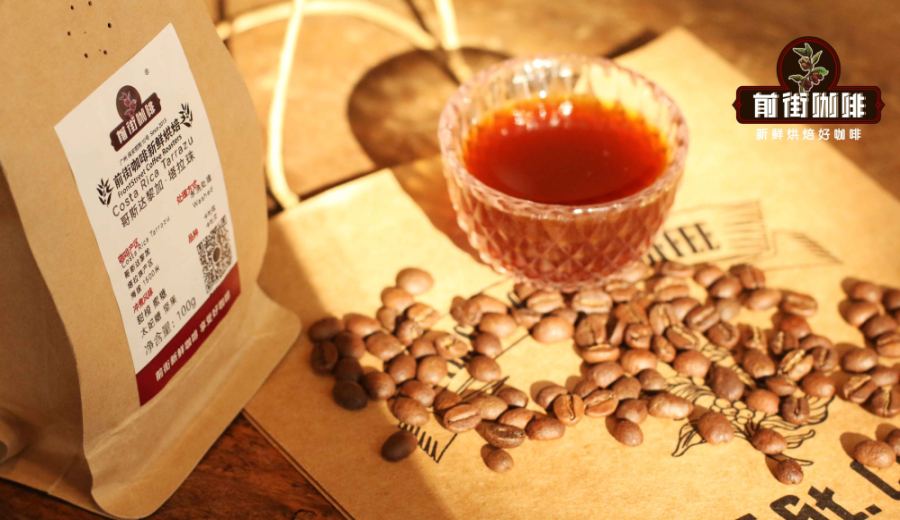
Introduction:The Las Lajas Estate in Costa Rica is one of the pioneers in systematically studying honey and natural processing techniques. By precisely controlling sun exposure time and agitation rhythm, it has produced a variety of uniquely flavored processed coffees. In particular, its black honey process, which retains the highest amount of mucilage, delivers a rich and full-bodied taste. This article delves into its processing logic and explores how these methods actually influence flavor, helping readers understand the craftsmanship behind coffee processing.
In Costa Rica’s Central Valley region, Las Lajas Estate is one of the well-known farms that were among the first to invest in the systematic study of natural and honey processing techniques. Located near the capital at an altitude of 1,250 to 1,500 meters and adjacent to the Poás Volcano, this estate is operated by the third-generation owner Francisca Cubillo and her spouse Oscar. It produces approximately 55,200 kilograms annually and has long been favored by international buyers.
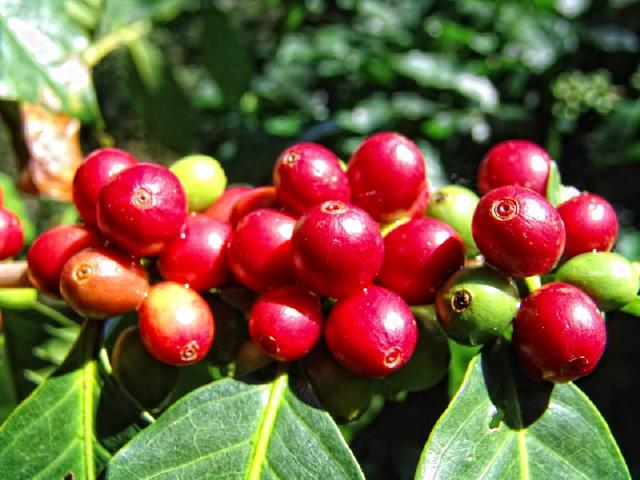
Over the years, in order to enhance the flavor profile of their coffee, the estate owners decided to move away from the traditional water-processing method and focus on refining natural and honey processing techniques. During harvesting, they use a BRIX meter to strictly select ripe red cherries, ensuring that only those with optimal sugar levels proceed to the subsequent processing steps. After initial processing at their own-built wet mill, the cherries are then placed on African beds for further sun-drying.
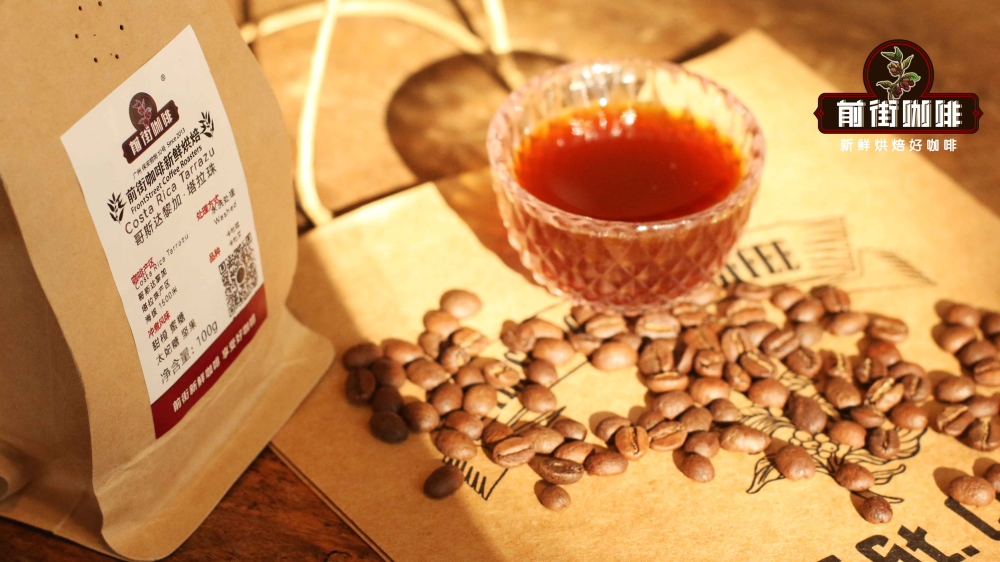
Within Las Lajas Estate’s classification system, honey processes are subdivided into yellow honey, red honey, and black honey based on the amount of mucilage retained and the sun exposure strategy, while natural processes include Black Pearl and Black Soul. Among them, the black honey process, which retains the most mucilage, achieves a body close to that of natural processed coffee, while also offering a sweet flavor reminiscent of dark berries. It is one of the estate’s most iconic features.
Specifically, the yellow honey process involves removing the skin and immediately placing the beans on African beds in the early morning, followed by regular agitation. The overall sun exposure time is relatively short, and the proportion of mucilage retained is relatively low. The red honey process delays agitation, usually waiting until after noon for the first turn, allowing for more pronounced fermentation between mucilage and pulp, resulting in a richer flavor complexity.
The black honey process is the most meticulous of all. After removing the skin, the beans are also placed on African beds, but the first agitation does not occur until the afternoon. The overall agitation rhythm throughout the drying process is slower, and the mucilage retention rate reaches the highest level. This results in a final coffee with even more pronounced body and sweetness, often featuring flavor notes of blackcurrant, grape, and blueberry—dark berries that make it a premium favorite among many coffee enthusiasts.
Besides honey processes, Las Lajas Estate also demonstrates exceptional technical detail in its natural processing. Through timed agitation and shade control, it has further refined two types of natural processes: Black Pearl and Black Soul. Black Pearl is sun-dried with regular agitation for about two weeks until the moisture content stabilizes at 11.5%. Its flavor profile is relatively direct and bright. In contrast, Black Soul employs a strategy of timed daytime agitation and nighttime shading with plastic sheeting. The overall drying time extends to about three weeks, allowing the coffee to accumulate more complex sweetness and body during slow drying.
It is worth mentioning that Las Lajas Estate consistently adheres to organic standards throughout both cultivation and processing. From fertilization and soil management to shade tree planting—even every step in the wet mill—is carried out using organically produced compost. The estate holds multiple international organic certifications including Japan’s JAS, USDA, and NOP, ensuring that every stage of the coffee’s growth and processing meets high standards of sustainability and quality.
Overall, through precise control over sun exposure duration and agitation rhythm, Las Lajas Estate has successfully created coffee processing methods that are both uniquely flavorful and richly layered. Whether you prefer bold, fruity richness or seek nuanced and subtle flavor variations, you can find exceptional taste experiences worth savoring here.
The above content is compiled by CoffeeHunters, a coffee news website.


