







Introduction:Espresso is renowned for its intense aroma and rich flavor, but it’s not for everyone. This article delves into the three distinct layers of espresso — the crema, body, and heart — to uncover the source and formation of its captivating aromas. It also shares how to achieve a high-quality shot with fine crema and pronounced aftertaste through freshly roasted beans, proper resting, and correct extraction methods, along with practical tasting tips to help you evolve from a beginner to a knowledgeable coffee enthusiast.
The allure of espresso lies in its golden, velvety crema, bold and full-bodied flavor, and long-lasting sweetness. This classic Italian coffee beverage concentrates the essence of coffee in an intensely compact form. However, not everyone is suited to drinking espresso, nor does everyone know how to appreciate its layered complexity. This article will explore the structure of espresso, the origin of its aromas, the types of coffee drinkers it suits, and how to adjust key parameters to brew a balanced and flavorful shot.
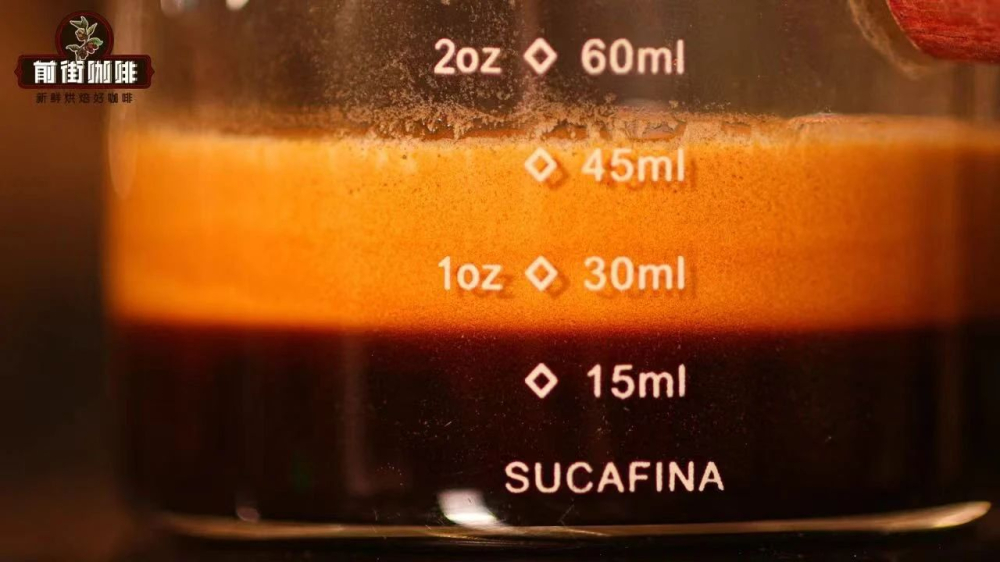
A standard shot of espresso can typically be divided into three distinct layers:Crema (the foam), Body (the middle layer), and Heart (the base). Among these, the crema is the most recognizable feature of espresso. This delicate layer of golden foam forms when high-pressure (around 9 bar) hot water passes through finely ground coffee. Under such pressure, carbon dioxide and oils trapped within the coffee grounds are forcibly released in a sealed environment, blending together to create this silky, velvety top layer.
The body constitutes the core flavor profile of the espresso, delivering its roundness, smoothness, and richness. This layer represents the “body” of the coffee and is a key indicator of whether the mouthfeel is full and palatable. The bottom layer, the heart, tends to be darker in color, often dominated by a noticeable bitterness that balances beautifully with the sweetness and acidity of the upper layers, adding depth to the overall flavor.
So, who is espresso suitable for? Generally speaking, those who prefer strong flavors, enjoy intense coffee profiles, or regularly rely on caffeine for a boost will find satisfaction in espresso. However, if you’re new to concentrated coffee, it’s advisable to start with a small amount or dilute it slightly with water or milk to soften its intensity. Additionally, individuals sensitive to caffeine should consume it in moderation.
To brew a high-quality shot of espresso,freshly roasted coffee beans are essential. After roasting, coffee beans continue to release carbon dioxide, which is a crucial element in forming the crema. However, if the beans are too fresh (e.g., within 1–3 days of roasting), excessive CO₂ may lead to unstable extraction and a rough crema. Conversely, if the beans are left too long, the loss of CO₂ results in a thin crema and diminished aroma.
It is recommended to use coffee beans that are5 to 7 dayspost-roast, a period considered the “optimal resting phase” for espresso beans. During this time, internal CO₂ is gradually released to an ideal concentration, aiding in stable extraction and producing a good crema. If you’ve purchased medium-to-dark roast espresso beans, you may let them rest in their original packaging after arrival to allow excess gases to dissipate naturally, and only start using them after the seventh day post-roast.
The parameters for extracting espresso are also highly precise. According to the Specialty Coffee Association (SCA), using7–9 grams of coffee grounds (about 14–18 grams for a double shot), at awater temperature of 90–96°C, under apressure of 9–10 bar, over abrewing time of 20–30 seconds to yield 25–35 grams of espresso. However, in practice, individual cafés may fine-tune these parameters based on bean variety, grinder type, and equipment characteristics.
For example, using an extremely fine grind (approximately 18–20g dose) to aim for a 38g output within 28–32 seconds often results in a smooth, well-layered espresso. Such extractions typically exhibit subtle berry acidity, soft caramel sweetness, along with a pleasant body and aftertaste.
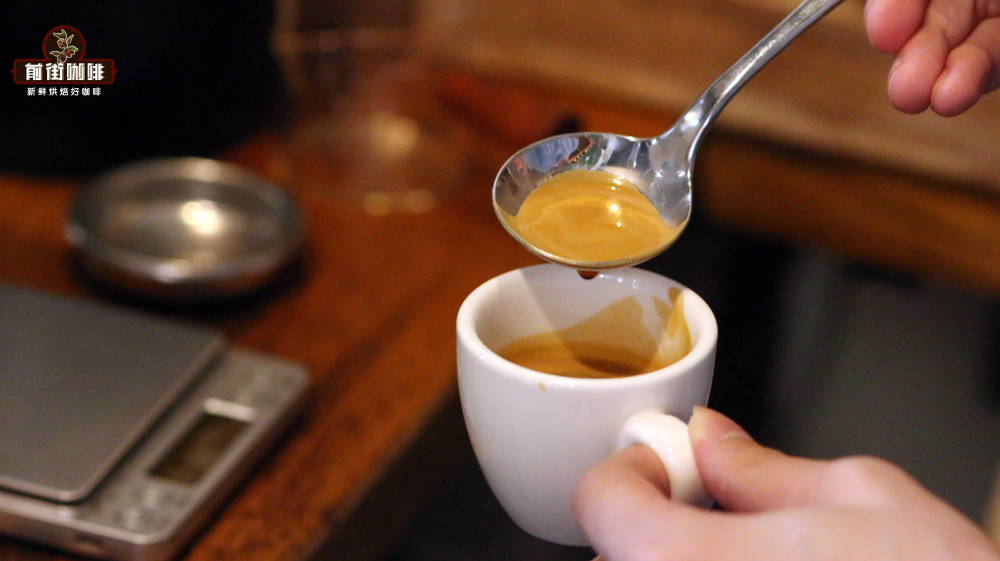
Drinking espresso differs greatly from pour over coffee. Due to its small volume and high concentration, the flavors of espresso are released intensely and all at once, with little distinction in flavor changes across high, medium, and low temperatures. Therefore, it’s recommended to drink a sip of cold water before tasting to cleanse your palate. Then, gently stir the espresso with a spoon to mix the crema and body evenly, and take three sips: the first to perceive the primary flavors, the second to experience the body and richness, and the third to focus on the aftertaste and lingering finish.
In summary, the charm of espresso lies in its concentrated essence and layered texture, making it not only a favorite among coffee aficionados but also an excellent choice for a daily energy boost. By mastering bean freshness, proper resting time, and stable extraction parameters, you can enjoy a truly authentic espresso — rich in crema, aromatic, and clear in aftertaste — either at home or in a café.
The above content is compiled by CoffeeHunters, a coffee news website.


