







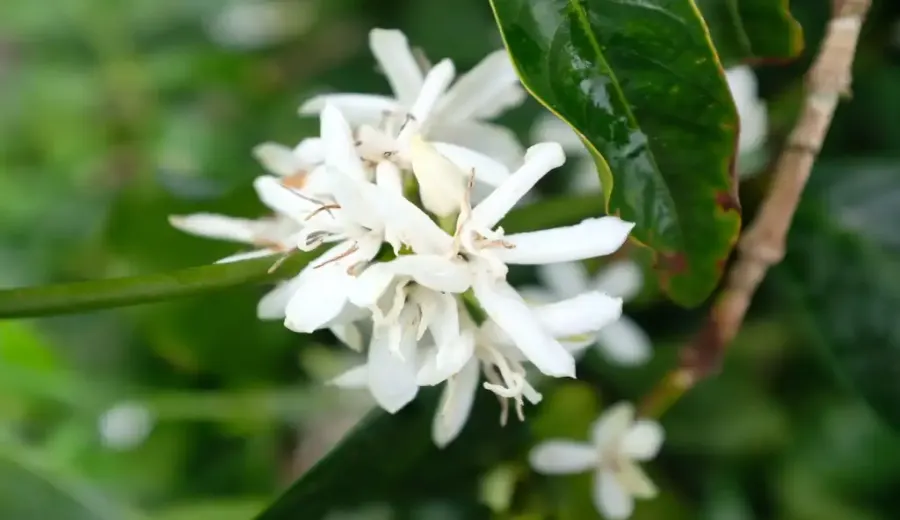
Introduction:Delve into Ethiopia, the global birthplace of coffee, as we explore its native varietal genetics, diverse farming models, and rigorous grading system to uncover the profound depth of its coffee culture. This article introduces the classic floral and fruity profiles of Yirgacheffe and provides expert brewing recommendations for both washed and natural beans, helping you precisely extract bright acidity and rich fruit aromas at home.
Ethiopia is not only globally recognized as the birthplace of coffee but also an indispensable and vital origin in the specialty coffee market. In terms of both volume and quality, the country plays a pivotal role in the international coffee supply chain. This article provides a detailed analysis of Ethiopia’s coffee cultivation culture, major producing regions, variety characteristics, post-harvest processing techniques, and grading system, while focusing on the unique flavor expressions of the renowned Yirgacheffe region. It also offers practical pour-over parameters to help you fully grasp this highly representative coffee terroir.
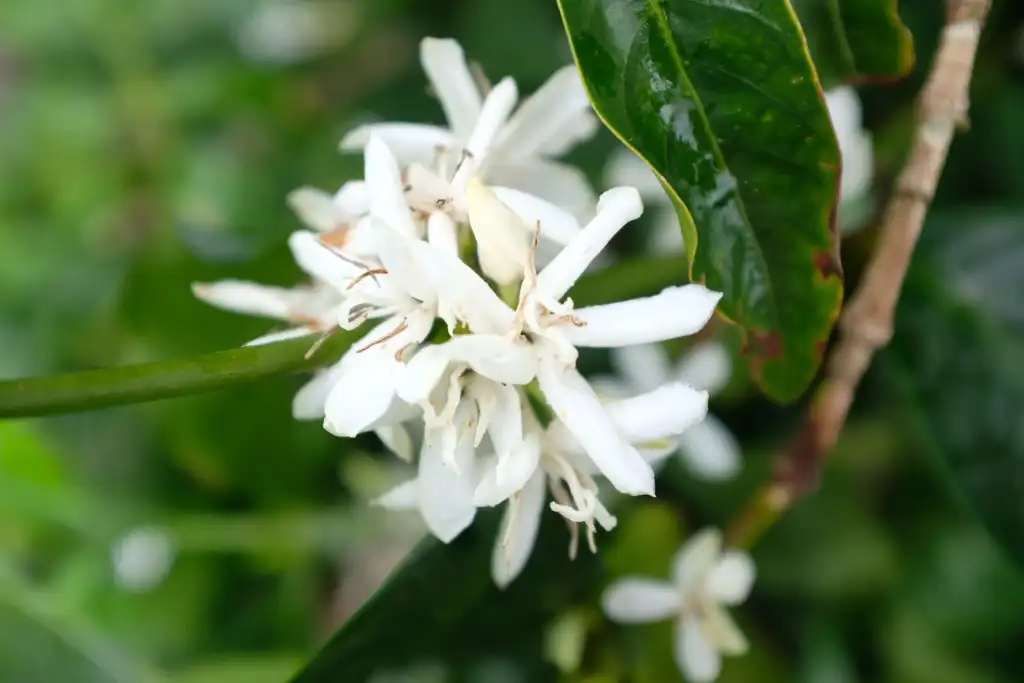
Located on the East African Plateau, Ethiopia boasts an exceptionally rich coffee gene pool. In the Kaffa region alone in the south, over five thousand native coffee varieties have been discovered. As Africa’s largest coffee producer, its output is not only heavily exported but also significantly used in local traditional ceremonies and daily life. Coffee plays a symbolic role in many important festivals, weddings, and even blessings, representing harmony and warding off evil—clearly demonstrating its deep roots in national culture.
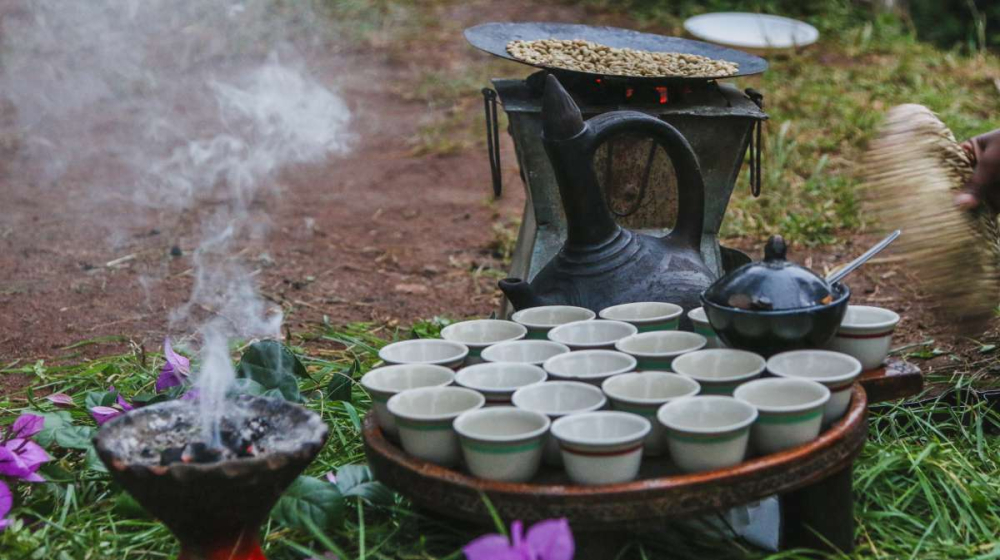
When discussing Ethiopian coffee culture, one cannot overlook its solemn and ritualistic Coffee Ceremony. This centuries-old tradition, from roasting and grinding to brewing, is entirely conducted by women and typically lasts about 90 minutes to 1.5 hours. The process is divided into three servings: the first, Abol, has a strong flavor and is often used to express a stance or initiate conversation; the second, Tona, involves re-brewing with additional water, yielding more pronounced bitterness and layered notes; the final, Baraka, symbolizes blessings and completeness, often shared with family and friends. This is not only part of daily social interaction but is also used to resolve disputes and foster community bonds.
Currently, Ethiopian coffee cultivation is primarily concentrated in the western and southern highlands, with over 90% of coffee coming from smallholder farms smaller than 4 hectares, at altitudes averaging between 1000 and 2300 meters—ideal for Arabica growth. Based on management style and scale, it can be roughly divided into four types:Forest coffee (forest coffee, ~8–10%)Relies entirely on natural ecosystems, with farmers only harvesting periodically;Semi-forest coffee (semi-forest coffee, ~30–35%)Falls between natural and managed cultivation, where farmers perform basic tending and intercrop with other plants;Garden coffee (garden coffee, ~50–55%)Is planted by farmers around their homes;Plantation coffee (plantation coffee, ~5–6%)Is operated by large-scale entities, featuring more advanced post-harvest facilities and management systems.
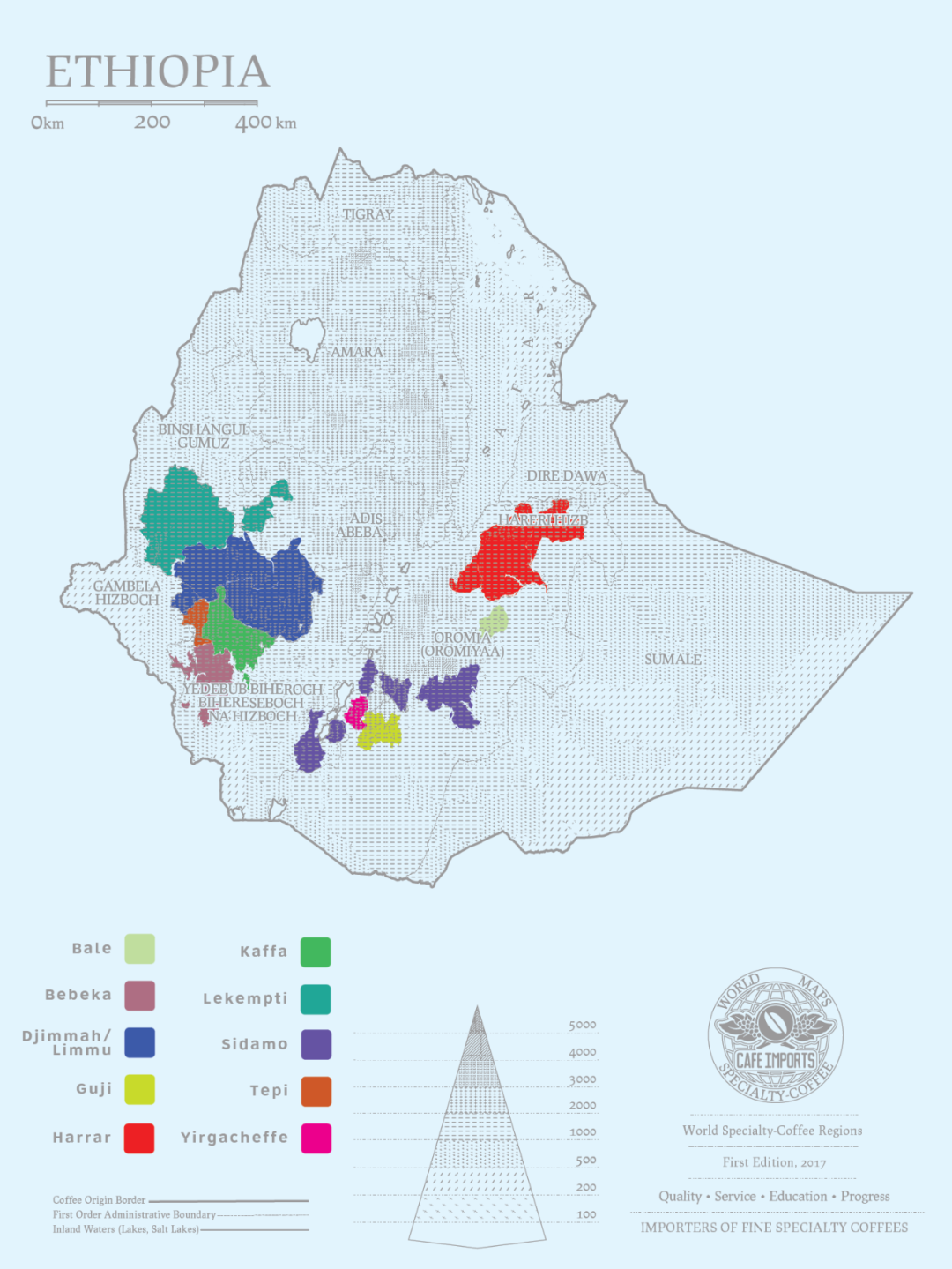
Ethiopia is home to nearly 2000 registered coffee varieties, the vast majority of which are native. These varieties have evolved over time in the region’s unique environment, resulting in exceptional genetic diversity. Since most coffee trees are not grown as single-variety plantations, harvested cherries often mix those of different genetic origins, leading to inconsistent bean sizes. Traditionally, these coffees are broadly referred to as ‘Ethiopian Heirloom,’ but in recent years, international competitions like COE (Cup of Excellence) have gradually begun labeling beans with codes (such as 74110, 74158) or specific variety names (like Typica, Kurume), reflecting advancements in variety identification and classification.
In post-harvest processing, Ethiopia primarily employs two traditional methods: washed and natural. Washed processing removes the pulp, ferments, and cleans the beans with water, highlighting clarity in acidity and delicate floral notes—ideal for those who prefer a clean cup. Natural processing retains the pulp for sun drying, imparting richer sweetness, fruitiness, and a heavier body. For those new to Ethiopian beans, starting with washed processing is recommended to experience its bright citrus tones and elegant layering, then gradually exploring the tropical fruit and wine-like flavors of natural beans.
Ethiopia’s coffee bean grading system is mainly established by the state-run Ethiopian Commodity Exchange (ECX). Based on defect rates, beans are divided into two main grades: G1 (no more than 3 defects per 300g of green beans) and G2 (allowing 4 to 12 defects). Additionally, referencing SCA (Specialty Coffee Association) cupping standards, beans scoring above 85 points are rated Q1, while those between 80 and 84.75 points are rated Q2—ensuring that specialty coffee on the market meets a certain standard.
Take the renowned Yirgacheffe region as an example: its coffee is famous for its unique citrus, blueberry, and floral notes, often considered an “entry-level specialty bean” by many coffee enthusiasts. To fully showcase its refined acidity and fruity-floral profile, a light roast is recommended, whether washed or natural, to present the optimal flavor spectrum. For pour-over, we suggest using a V60 filter, with water temperature around 90°C and a brew ratio of 1:15 (15g coffee to 225ml water), ground to a medium-fine consistency (approximately 80% through a Chinese No. 20 sieve). Specifically, a step extraction method is advised: start with a 30-second bloom using 30g of water, then pour in a slow circular motion up to 125g before pausing briefly. Once the water level drops, continue pouring to 225g, with the total brew time kept around 2 minutes.
In terms of flavor, washed Yirgacheffe typically exhibits bright lemony acidity, fresh citrus aromas, and a soft black tea-like finish; the natural version adds intense fruitiness, honey sweetness, and a hint of wine-like fermentation, resulting in a fuller mouthfeel. Both beans are perfect for those who enjoy light fruit acidity and vibrant aromas, delivering a delightful sensory experience whether for a morning pick-me-up or an afternoon break.
The above content is compiled by CoffeeHunters, a coffee news website.


