







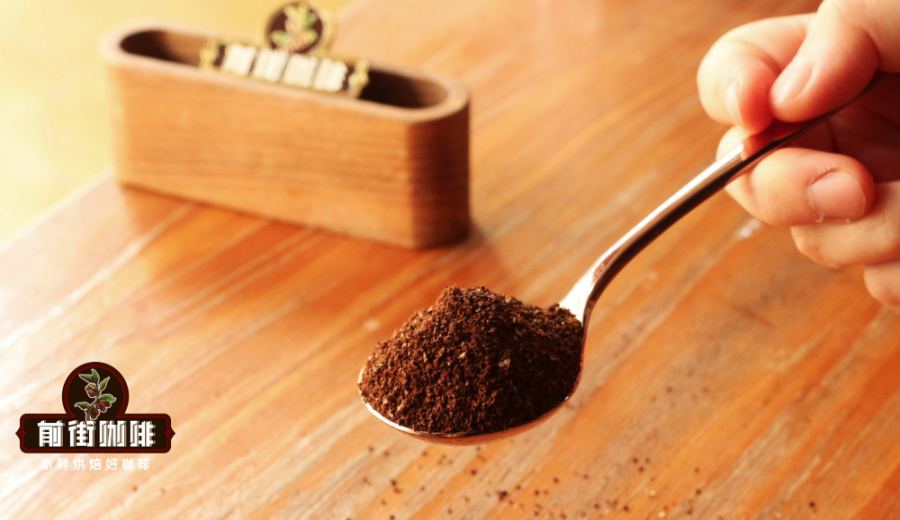
Introduction:Have you ever been captivated by the alluring aroma of coffee, only to find its taste falling short of expectations? This disconnect between "enticing aroma but bland flavor" is actually related to the over 1200 volatile aromatic compounds in coffee, the differences between dry and wet aromas after grinding, and the human retronasal sense of smell. This article delves into the four major types of coffee aromas, explores why aroma often overshadows taste, and walks you through step-by-step how to brew the 2025 new-crop natural process Huagu using the pour over method—fully showcasing the true flavors of this champion Ethiopian single origin.
For many, their first encounter with coffee isn’t because of its taste, but rather its unforgettable aroma. Walking into a café, even before taking a sip, one is often drawn in by the wafting scent of coffee in the air. However, when you finally take that first sip, you might find the flavor not as rich or satisfying as imagined. This experience of "smelling wonderful but tasting mild" is actually rooted in many scientific principles, as well as our expectations of coffee.
From a professional perspective, coffee beans themselves contain over 1200 volatile and semi-volatile aromatic compounds. These substances are gradually released during grinding, pouring water, and extraction, forming what we perceive as coffee aroma. Among them, the dry aroma (the scent of ground coffee powder) is especially intense because grinding greatly increases the surface area of coffee beans exposed to air, allowing aroma molecules to disperse rapidly. However, not all of these aromas can be captured by the taste buds in the liquid form, which leads to the gap between aroma and taste perception.
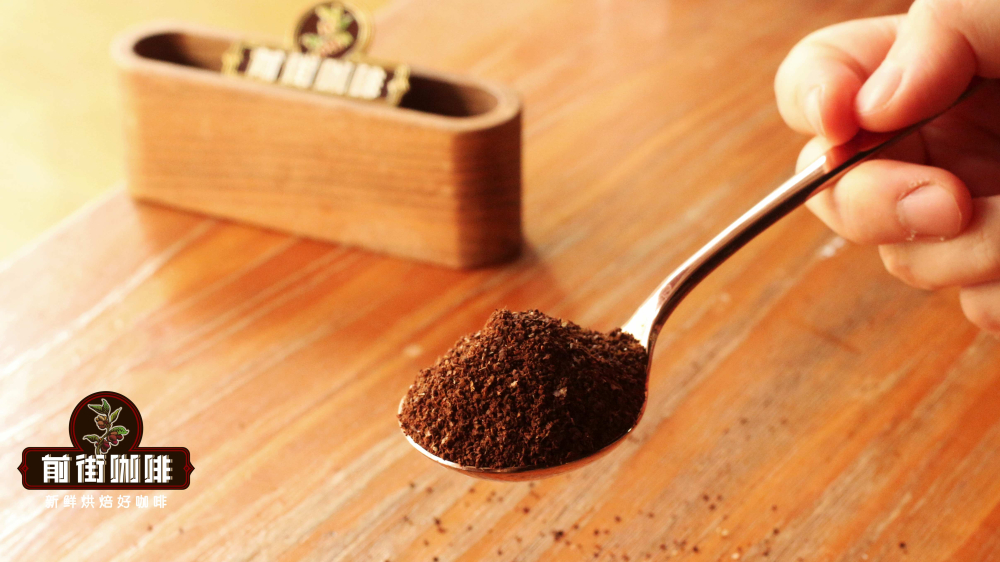
Coffee aromas can generally be divided into four main categories: enzymatic, caramel, dry distillation, and defect. Enzymatic aromas mainly come from the influence of enzymes during the growth and processing of green coffee beans, often presenting fresh flavors such as floral, lemon, peach, honey, or cucumber—these aromas are typically associated with bright acidity. Caramel aromas are produced during roasting through Maillard reactions and caramelization, yielding notes like caramel, maple, dark chocolate, and roasted nuts. These are the source of medium to dark roast profiles loved by many. Dry distillation aromas originate from the carbonization of fibrous material at high temperatures, commonly found in dark roasts, including complex notes like spices, woody tones, and smokiness. Lastly, defect aromas usually result from poor green bean quality or improper roasting, such as rubbery, leathery, earthy, or overripe fruit odors—these aromas can significantly detract from the overall drinking experience.
When you personally grind a batch of freshly roasted coffee beans, the aroma that hits you is often the strongest part of the overall sensory experience. This is known as the "dry aroma," which includes not just enzymatic and caramel group aromas, but sometimes also faint hints of dry distillation notes. However, once hot water is poured in, the contact between coffee grounds and water releases another type of aroma—the "wet aroma." This aroma is more subdued and often requires bringing your nose close to the rim of the cup to fully perceive it. The wet aroma can reveal the direction of a coffee’s acidity and sweetness—for example, floral and citrus notes often suggest bright acidity, while honey and berry-like scents may indicate higher sweetness.
So why does coffee often taste less captivating than it smells? A large part of the reason lies in the dual role our sense of smell plays during drinking. Aside from directly sniffing the aroma, when we sip coffee, the aromas released from the atomized liquid are perceived through the "retronasal olfaction" at the back of the nasal cavity. While these aromas are real, their intensity is noticeably weaker compared to the direct dry or wet aromas, making them easy to overlook. Additionally, many people, upon their first taste of coffee, have already built up high expectations due to the aroma. When the actual taste doesn’t match those expectations, a sense of disappointment easily arises, leading to the impression that “it smells amazing, but tastes ordinary.”
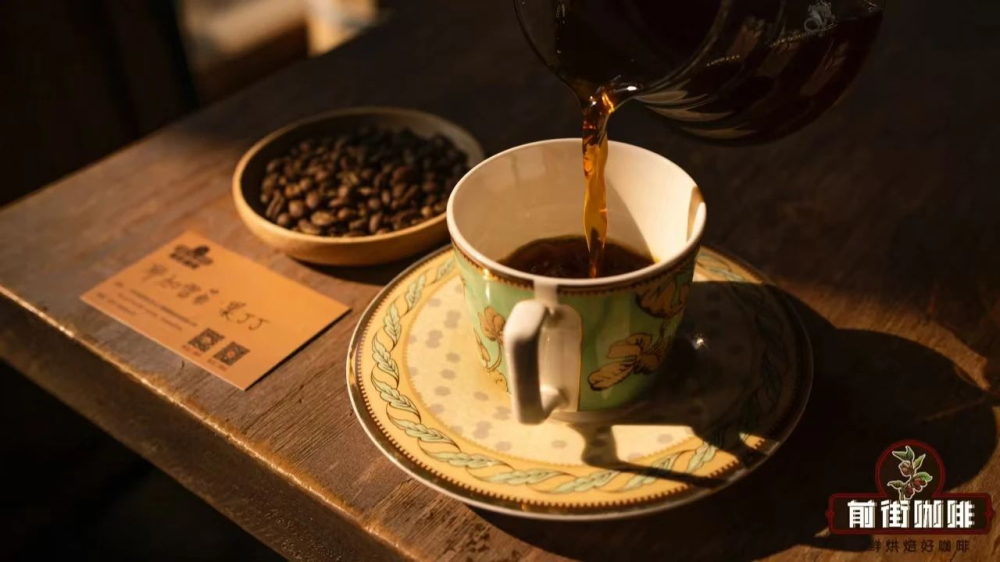
Especially for those new to single-origin coffee, they might, based on past experiences, directly associate the smelled honey, roasted sweet potato, or caramel notes with a sweet taste experience. However, the sweetness in coffee is often more subtle and not as direct as in other beverages, which further deepens the sensory gap between aroma and taste.
When it comes to actual tasting, pour over coffee is a brewing method that can fully showcase a coffee’s aroma and flavor profile. Below, we’ll use the 2025 new-crop natural Huagu as an example, introducing classic three-pour pour over parameters: use 15 grams of coffee grounds, a 1:15 coffee-to-water ratio, water temperature controlled at 91°C, and a grind size recommended as medium-fine (about 80% extraction rate). The pour over process consists of three pours: the first pour adds 30 grams of water for a 30-second bloom, helping the coffee grounds fully expand and release aroma; the second pour uses a slightly stronger stream to add 120 grams of water, reaching a total of 150 grams around the 55-second mark, maintaining a steady and even flow; the final pour uses a finer stream to add 90 grams of water, totaling 240 grams, completed around the 2-minute and 10-second mark. These parameters help balance acidity and sweetness, highlighting the fruity and sweet characteristics unique to Huagu.
Speaking of Huagu coffee, it is a natural-process coffee bean from Ethiopia’s Guji Hambella region, produced by the Buku Abel washing station, often referred to internationally as "Hambella Buku Abel." Since its debut in 2017, this bean has quickly gained popularity for its intense strawberry cream and tropical fruit profiles, becoming a signature offering in many specialty cafés. Although its Chinese name “花魁” (Huagu) sounds similar to another well-known variety “瑰夏” (Geisha), and both share floral and fruity characteristics, they are actually from completely different regions and cultivars, each with distinct flavor directions.
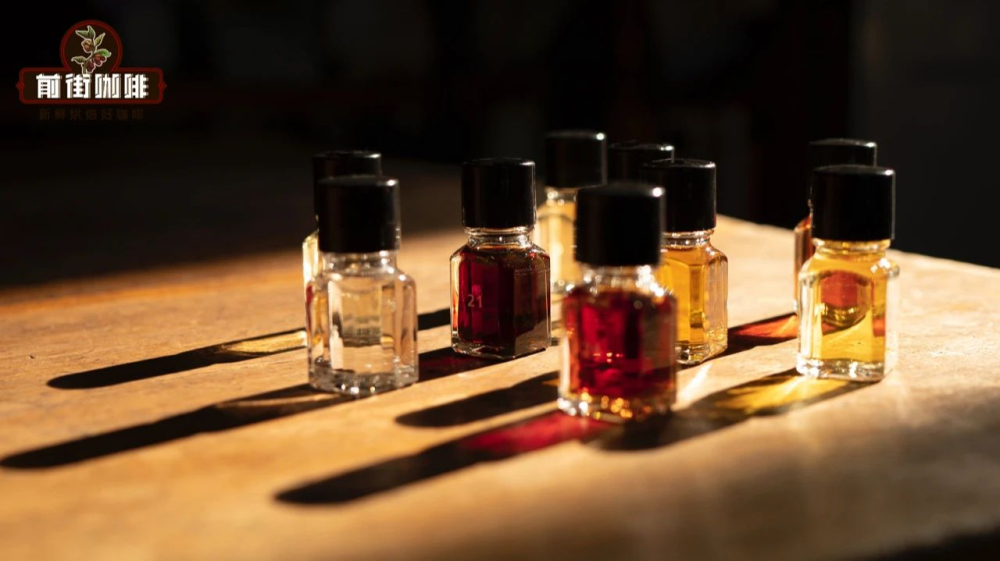
In summary, the allure of coffee aroma lies not only in its richness and diversity, but also in the crucial role it plays in guiding and shaping our expectations during the drinking experience. By understanding the composition of aromas and mastering proper brewing techniques, you’ll be able to more fully appreciate the layered changes from aroma to taste in a pour over cup. Why not try out the above pour over parameters yourself and experience the unique charm of the 2025 new-crop natural Huagu?
The above content is compiled by CoffeeHunters, a coffee news website.


