








Introduction:If you want to brew a cup of coffee with rich crema and an authentic Italian flavor at home, the moka pot is actually a great entry-level choice. This article provides a detailed breakdown of the moka pot’s structure and working principle, teaches you how to select beans correctly, adjust grind size and extraction time, and also offers practical tips to avoid over-extraction and bitterness—helping you brew a bold and aromatic coffee that rivals espresso, step by step.
Have you ever wondered how to easily brew a cup of coffee at home that’s rich in crema, full-bodied, and reminiscent of espresso? The moka pot, this small gadget originating from Italy, may seem simple, but it holds the soul of espresso. Not only is it easy to use, but with the right techniques, it can produce a surprisingly intense and satisfying cup of coffee.
The moka pot generally consists of three main parts:Lower chamberwhich holds the water,coffee chamberused to place the ground coffee, andupper chamberwhich collects the brewed coffee. When heated, the water in the lower chamber vaporizes under heat and creates pressure, pushing the hot water through the medium-fine ground coffee, eventually gathering in the upper chamber as a rich, concentrated coffee.

Although the moka pot does not provide the constant high pressure of a professional espresso machine, its operating pressure—typically between 1.5 to 3.0 atmospheres—is sufficient to extract the essential components of coffee, including rich crema and deep flavor layers. This explains why using a moka pot can produce an intensity and aroma very similar to that of espresso.
Speaking of the history of the moka pot, it was invented in 1933 in Italy by Alfonso Bialetti. This classic-designed appliance is not only a common coffee brewing tool in Italian households, but also a top choice for many coffee enthusiasts due to its affordability and ease of use.

However, to truly unlock the potential of the moka pot, choosing the right coffee beans is crucial. Given its high-temperature, high-pressure brewing characteristics,it is recommended to use espresso blendsrather than single-origin beans. Blends are typically made by combining beans from different regions, achieving a balance in flavor, body, and aroma—making them better suited to the high-pressure extraction demands of the moka pot.
Here are several recommended espresso blends worth trying:
- Classic Espresso Blend:A blend of Indonesian Mandheling, Brazilian, and Vietnamese beans, offering aromas of nuts, dark chocolate, and caramel, with excellent crema performance—rated five stars.
- Basic Espresso Blend:Blended from Yunnan washed beans and Brazilian beans, with a mild flavor and slight acidity, suitable for those who enjoy fruity and caramel notes.
- Commercial Espresso Blend:Based on Robusta, Colombian, and Brazilian beans, this blend is rich and full-bodied, ideal for daily drinking or café use.
- Strawberry Candy Espresso Blend:Medium-roasted with floral and fruity notes of rose, strawberry, and blueberry, balanced acidity and sweetness, and an almond finish—perfect for those seeking unique flavors.
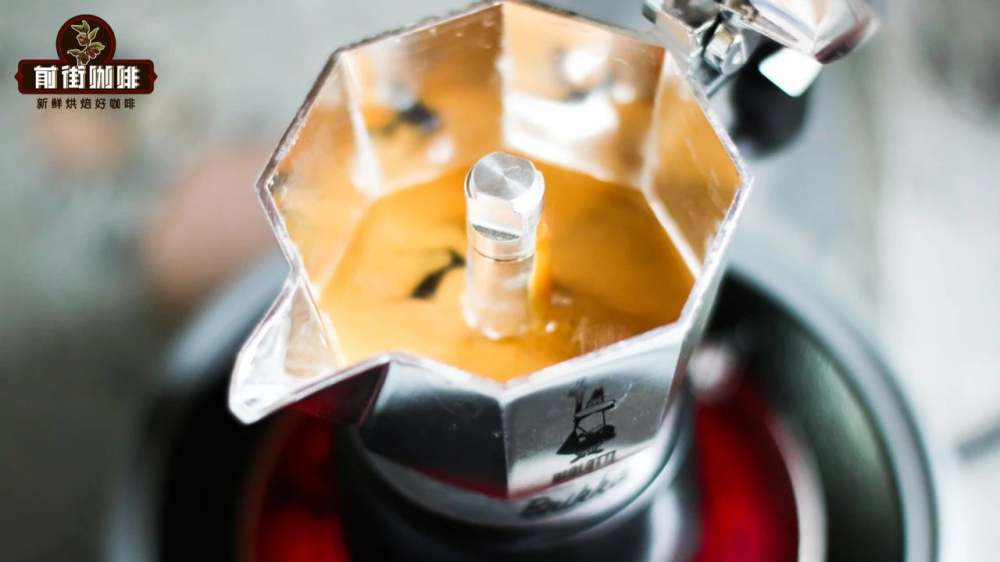
To avoid your moka pot coffee becoming overly bitter, here are a few key techniques to keep in mind. First,the grind size should be slightly coarser than that for espresso machinesto prevent over-extraction. Second, after filling the coffee chamber, it’s recommended to gently tap or level the coffee surface to ensure even distribution, which helps stabilize extraction.
When you see the coffee beginning to flow from the coffee chamber and gradually turning a honey-like golden color, it usually indicates you’ve reached the optimal extraction stage. Continuing to heat beyond this point can easily lead to over-extraction and increased bitterness. It’s advised to remove the moka pot from the heat source when about 80% of the coffee has flowed out, and you can place it on a cold towel to cool quickly—this helps stop extraction and prevents later-stage impurities from being released.
Additionally, if you want to shorten the heating time, you can also preheat the lower chamber with a small amount of hot water, which not only reduces heating time but also makes the extraction process more stable.

If you’d like to try it yourself, here is the basic usage process for the moka pot:
- First, add an appropriate amount of cold water to the lower chamber, not exceeding the safety valve height.
- Fill the coffee chamber with medium-fine ground coffee to about nine-tenths full, then gently tap or scrape the surface to level it.
- Screw the upper and lower chambers tightly together to ensure there are no leaks or coffee spills.
- Place the moka pot on a medium-low heat source (gas stove or induction cooker both work), start heating on medium heat, and once you hear a distinct hissing sound, switch to low heat.
- When the sound of coffee flowing out becomes quieter, with intermittent bubbling noises, turn off the heat immediately to avoid over-extraction.
- Remove the moka pot from the heat source, let it sit for a moment, and then enjoy a rich, bold cup of coffee.
As long as you master these tips, even at home, you can easily brew a cup of coffee with rich crema, strong aroma, and bold flavors using the moka pot. Why not give it a try now and experience the classic Italian extraction pleasure for yourself?
The above content is compiled by CoffeeHunters, a coffee news website.


