







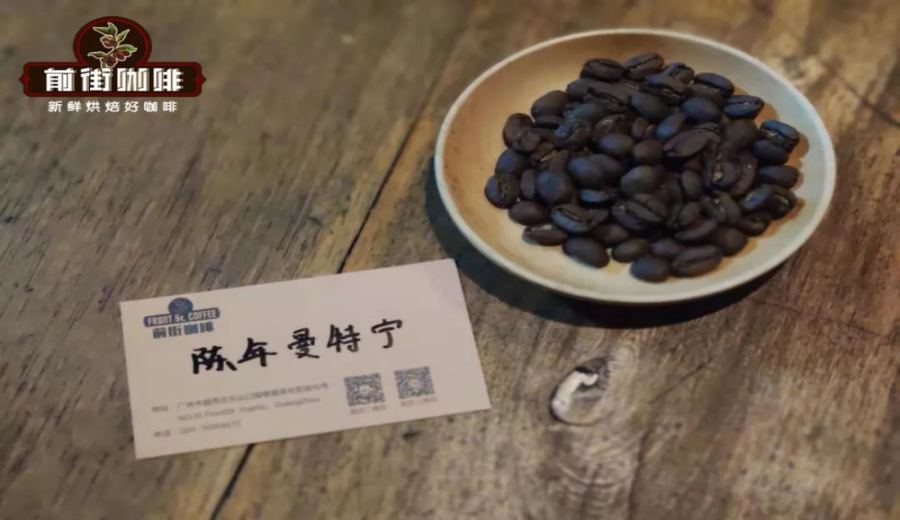
Introduction:In today’s era of pursuing coffee freshness, the majority of consumers tend to choose freshly roasted beans to capture the most vibrant floral and fruity aromas and lively acidity. However, there is one coffee that goes against this trend—it doesn’t emphasize “freshness” but instead highlights “aging,” becoming a delicacy in the eyes of many seasoned coffee aficionados—this is Aged Mandheling. What kind of historical background and evolving craftsmanship have allowed this dark-roasted bean from Sumatra to transform from a “shipping mishap” into a classic in the coffee world? This article will take you on an in-depth exploration of the origins of Aged Mandheling, its modern production processes, the strict selection standards of Golden Mandheling, and includes expert barista-recommended pour-over techniques to help you fully appreciate the charm of this legendary coffee.
Why does Aged Mandheling stand out?
For a long time, freshness has been considered one of the most important factors influencing coffee flavor. Yet, Aged Mandheling challenges this conventional wisdom with what seems like an “outdated” approach. The origins of this coffee can be traced back to the Dutch colonial period in Indonesia. At that time, Sumatra, as one of the world’s major coffee-producing regions, primarily supplied coffee beans to the European market. Due to the limited maritime technology of the time, coffee beans often had to endure months of sea transport to reach Europe.
During the long voyage, the beans were constantly exposed to sea breezes, high humidity, and significant temperature fluctuations, causing subtle chemical changes within the beans. By the time these beans finally arrived in Europe, roasters and consumers were pleasantly surprised to find that this “maritime adventure” coffee had significantly lower acidity but richer body and deep sweetness, with flavors reminiscent of aged Pu-erh tea—layered and with a long, lingering finish. These qualities quickly won favor in the European market and indirectly gave rise to the unique category of “Aged Mandheling.”
However, relying on accidental sea transport conditions to develop aged flavors is clearly uncontrollable and difficult to replicate. To stably produce aged coffee with similar characteristics, Indonesian coffee farmers and processors gradually developed a systematic aging process, turning Aged Mandheling from a matter of chance into a result of craftsmanship.
Modern Standards for Aged Mandheling Processing
The production of modern Aged Mandheling no longer relies on incidental factors during shipping but instead ensures controllable and stable flavor transformation through a series of rigorous steps. Generally, the processing of Aged Mandheling includes the following key stages:
1. Pre-treatment: High-quality Sumatran Arabica beans are selected, typically from the Lintong or Gayo regions, and processed using the traditional wet-hulled method (Giling Basah). This method helps preserve more body and unique regional flavors.
2. Strict Screening: Before aging, the beans undergo multiple rounds of mechanical and manual sorting to remove defective beans, ensuring only those with intact shape and good development enter the aging phase.
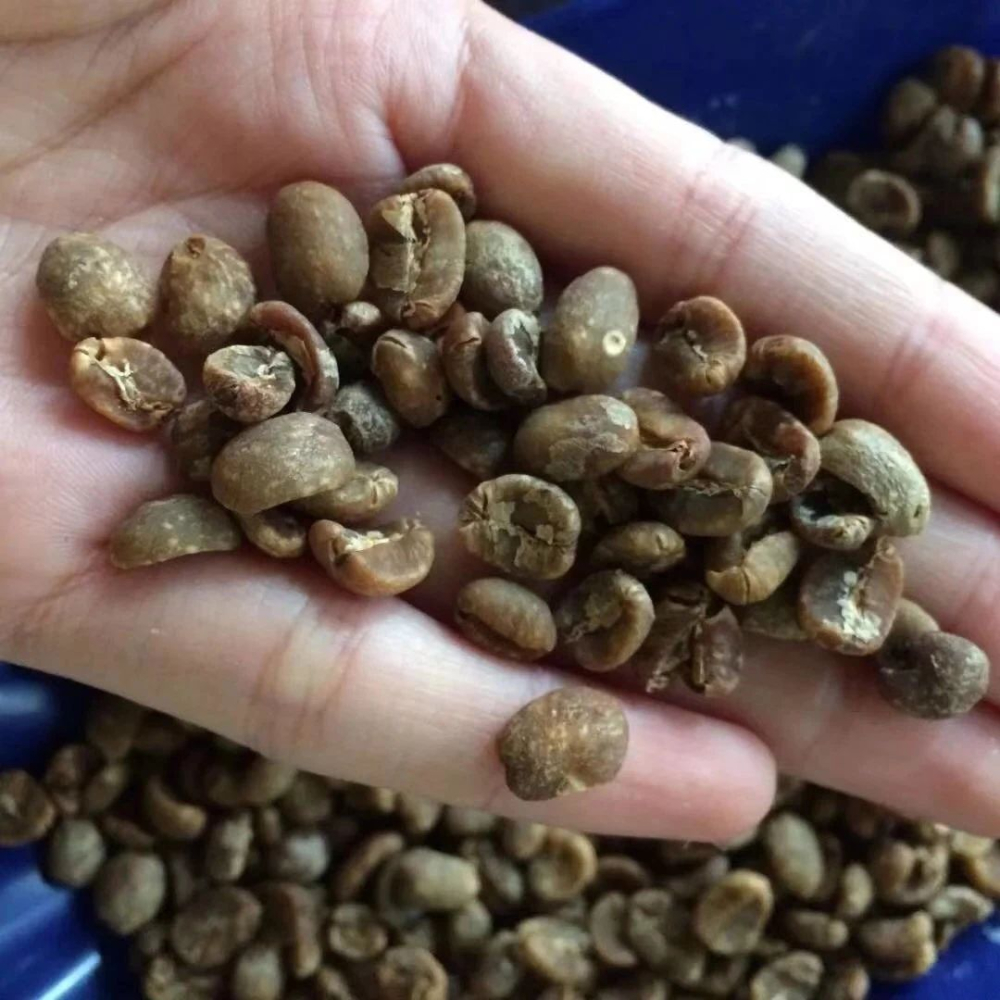
3. Aging Environment Control: The sorted green beans are then stored in professionally managed facilities in their place of origin in Indonesia, where they are kept under constant temperature (around 20–24°C) and humidity (about 60%–65%) for a period of 2 to 3 years. During this process, the acidity inside the beans gradually transforms, while sugars and caramelization reactions slowly accumulate, resulting in a final flavor that is rounder, fuller, and rich with chocolatey, spicy, and woody notes.
4. Post-Aging Processing: After the aging period, the beans undergo another round of selection to ensure only those with the best flavor profiles enter the market, ultimately presenting the familiar flavor profile of Aged Mandheling we know today—low acidity, full body, with intense notes of caramel, nuts, dark chocolate, and herbal aromas.
Golden Mandheling: The Pinnacle of Aged Mandheling
Among the various Aged Mandhelings, “Golden Mandheling” is undoubtedly the most renowned premium version. This coffee is produced by Indonesia’s top coffee exporter, PWN (Pt. Perkebunan Nusantara), and adheres to a much stricter selection process than regular Aged Mandheling.
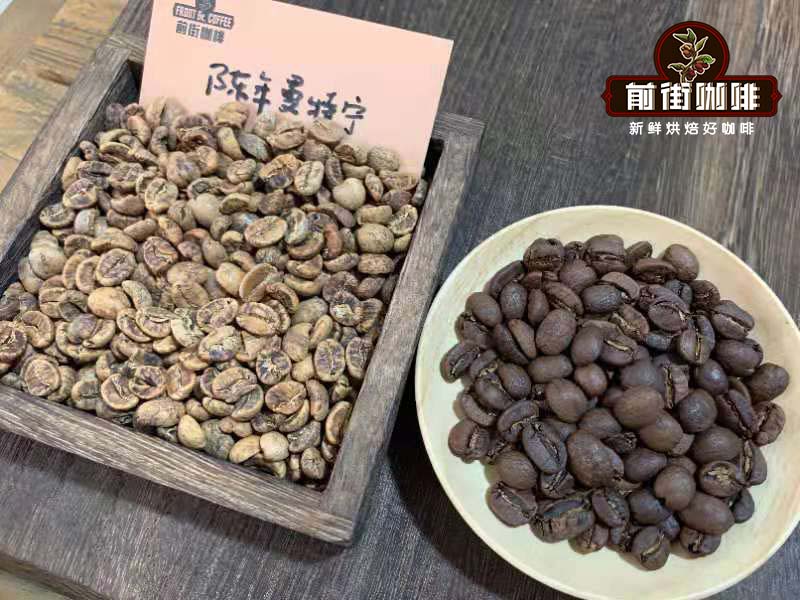
Before entering the aging stage, Golden Mandheling beans undergo an initial mechanical screening, followed by three rounds of manual sorting by experienced bean selectors to eliminate even the slightest defects, ensuring each bean meets the highest standard. It is said that its selection ratio is extremely low, far exceeding that of the conventional G1 grade, making it “the cream of the crop.”
Professional coffee institutions note in their cupping reports that Golden Mandheling demonstrates an exceptionally balanced flavor profile, including rich nutty aromas (such as macadamia and walnut), a deep dark chocolate finish, warm caramel sweetness, and subtle hints of herbs and spices. The fusion of these flavors allows it to maintain a layered taste spectrum even under dark roasting, making it highly favored by pour-over and drip enthusiasts.
Pour-Over Parameters and Techniques for Dark-Roasted Aged Mandheling
Due to the typically lower acidity and rich body of Aged Mandheling (especially the dark-roasted versions), brewing requires careful attention to water temperature, grind size, and technique to fully showcase its body and sweetness. Below is the “three-stage pour-over method” recommended by professional baristas, suitable for most dark-roasted Aged Mandheling:
【Basic Parameters】
- Grind Size: Medium-coarse (similar to white sugar granules, about 70–80% passing through a #20 sieve)
- Water Temperature: 88–90°C (adjust slightly based on roast level; slightly lower for darker roasts)
- Coffee-to-Water Ratio: 1:15 (e.g., 15 grams of coffee to 225 ml of water)
- Brewing Device: V60, Kalita Wave, or any pour-over dripper
【Three-Stage Pour-Over Steps】
1. First Stage (Bloom): Pour water equal to twice the coffee weight (about 30 grams), circling slowly in the center for about 30 seconds. This step helps degas the beans and release aroma.
2. Second Stage (Main Extraction 1): After blooming, pour water in a spiral motion from the inside out and then from the outside in to reach about 100 grams by around 45 seconds. Focus on even extraction to avoid over-extraction.
3. Third Stage (Main Extraction 2): Continue circling the water to reach the target volume (about 225 grams). Total brew time should ideally be between 2 minutes 30 seconds and 2 minutes 45 seconds. Maintaining a steady flow rate and rhythm helps bring out the sweetness and rich finish of Aged Mandheling.
Tip: For a richer taste, you may slightly increase the coffee dose or extend total brew time; for a cleaner profile, reduce water temperature or shorten the pouring duration in the second and third stages.
Conclusion: Aged Mandheling—Coffee Art Forged by Time
Aged Mandheling is not just a type of coffee, but a piece of history, a craft, and a refinement of flavor through time. From accidental sea voyages during the Dutch colonial era to today’s systematic, high-standard storage and selection, every bean of Aged Mandheling carries the essence of Sumatra’s land and the sediment of time. And Golden Mandheling stands as the pinnacle of this legendary journey, with its ultimate selection and consistent quality, becoming a dream brew for coffee lovers worldwide.
Whether you’re a pour-over novice or a seasoned barista, try approaching this time-refined coffee with patience and finesse, and let it tell its story on your palate.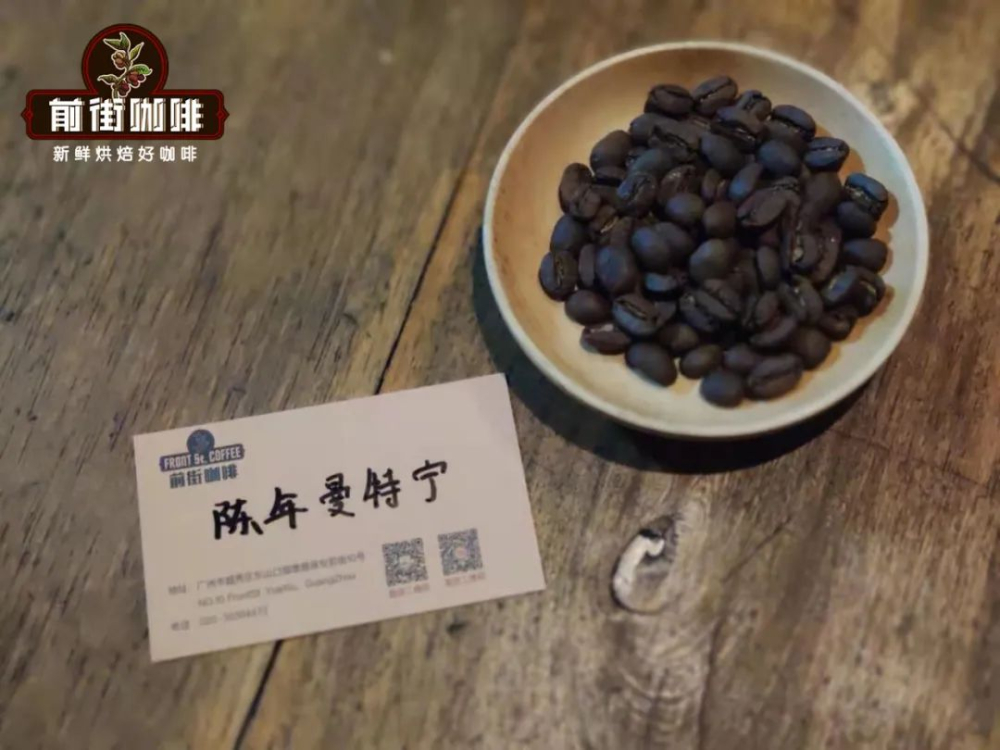
The above content is compiled by CoffeeHunters, a coffee news website.


