







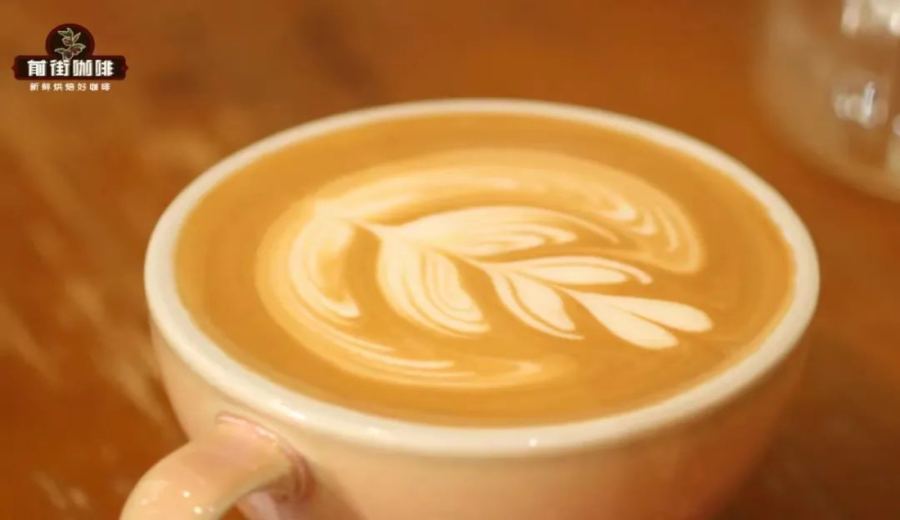
Introduction:To consistently pour beautiful latte art, the key lies not in complex techniques, but in the quality of the milk foam, the evenness of the integration, and the refinement of fundamental skills. This article shares practical experience—from adjusting milk foam thickness, pre-blending preparation, repeating basic patterns to on-the-spot adaptation—helping coffee enthusiasts improve their latte art success rate and stability.
Many beginner coffee enthusiasts, while occasionally pouring stunning designs, find it hard to replicate the same feel the next time. In reality, the first criterion for judging whether a latte’s latte art meets the standard is the fineness of the milk foam surface; next, observe whether the coffee crema and milk foam are evenly integrated, and whether the boundary between the “golden circle” and the design is clear. As for the pattern itself, having distinct textures and clear outlines is sufficient—over-pursuing complexity often leads to mistakes.
Achieving these standards is absolutely not something that can be realized through theory alone, but requires a lot of practice to build up hand feel. However, mastering a few key techniques can effectively reduce the failure rate and make the latte art process smoother.
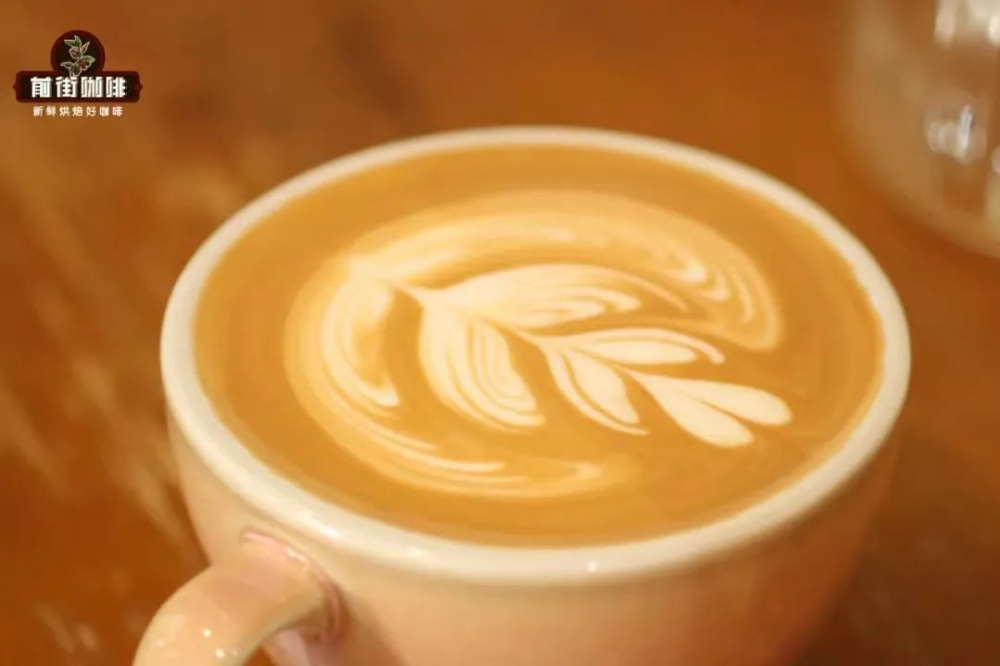
The milk foam thickness can be appropriately increased
For baristas or enthusiasts who want to try etching-style latte art, the thickness of the milk foam is crucial. Generally speaking, etched patterns require thinner milk foam for better fluidity, allowing finer lines. However, overly thin milk foam can backfire—excessive fluidity can cause the pattern to shift or even fail to form.
If you often encounter distorted patterns or difficulty in forming them, try making the milk foam slightly thicker. Although the lines will be a bit thicker when etching, the stability is significantly improved, making it more practical for daily service. For example, if you originally aerate the milk to 50% full in the cup (equivalent to very thin milk foam), it is recommended to try increasing the foam level to 65–70% full, which can noticeably improve control.

Pre-blend with a small amount of milk foam before integrating
If you’re not yet proficient in the integration stage, it’s advisable to first pour a small portion of milk foam (or milk) before the formal integration, gently swirl the coffee cup, and let this portion of liquid mix with the espresso first. This step helps the coffee crema and milk foam blend more evenly, reducing the likelihood of a “whitened” appearance during the formal integration, resulting in a cleaner and more layered surface.
Repeatedly practice simple patterns
Many baristas, even seasoned professionals, have overlooked this basic training—repeatedly refining the same simple pattern. Take the “big white heart” as an example, one of the most entry-level latte art patterns; some baristas can pour a heart shape with basic form after about ten cups. However, this success is often built on ideal conditions at the time, and once the environment or technique changes slightly, the heart shape can easily become unstable.
Therefore, it’s recommended to focus on one basic pattern, keep practicing until every pour maintains consistent quality, before you can truly say you’ve mastered it. A solid foundation is the key to advancing to more complex patterns.
On-the-spot flexible adjustments and remedies
During the latte art process, unexpected situations are inevitable—such as misplaced pours, patterns failing to form as planned, etc. Being able to adjust the design in real-time is an adaptive skill professional baristas should possess.
For example, if the starting point of a heart-shaped latte art is too far forward, causing the entire design to tilt forward, you might switch to pouring a leaf or crafting a tulip pattern. Or, if you find the cup isn’t yet full when finishing the heart shape tail, don’t force the tail—instead, push 1–2 small hearts to create the visual effect of a three-petal tulip, which is both aesthetic and resolves the awkwardness.
In summary, latte art is not just a display of technique, but also a comprehensive test of experience and on-the-spot reaction. By stabilizing the milk foam, ensuring precise integration, repeatedly practicing basic patterns, and flexibly adapting to on-site changes, every coffee enthusiast can gradually enhance their latte art performance, delivering a more professional visual experience in daily service.
The above content is compiled by CoffeeHunters, a coffee news website.


