







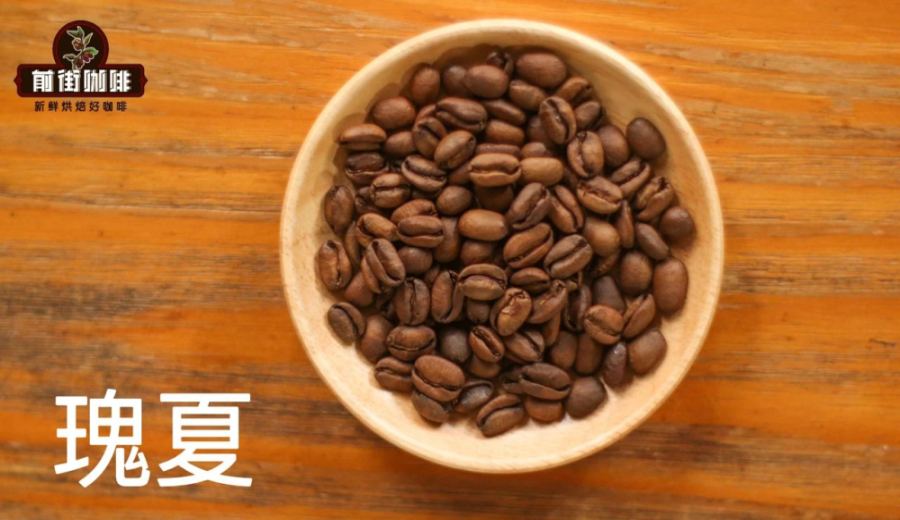
Introduction:The Geisha coffees from Panama’s Hacienda Esmeralda and Ethiopia’s Gesha Village often leave coffee enthusiasts puzzled when trying to tell them apart. This article starts with the origins of their names and delves into the grading systems of both, including the distinctions between Hacienda Esmeralda’s Red Label, Green Label, and Blue Label, and Gesha Village’s Auction, Gold Label, Red Label, Green Label, and Chaka grades. Through practical cuppings and pour over brewing sessions, we compare the nuanced characteristics of two Green Label Geishas in terms of dry aroma, wet aroma, flavor, and aftertaste, helping you discover your personal preference for Geisha flavors.
Geisha coffee has always been a focal point in the specialty coffee world, but the relationship and differences between Panama’s Hacienda Esmeralda and Ethiopia’s Gesha Village often confuse many coffee lovers. Which one is the true Geisha in your heart? A well-known coffee brand recently purchased both the Hacienda Esmeralda Natural Green Label and the Gesha Village Green Label, conducting in-depth comparisons of their flavors through cupping and pour over brewing. This article not only clarifies the origin of the names “Geisha” and “瑰夏 (Guīxiā),” but also provides a detailed analysis of the grading systems of the two estates, including Hacienda Esmeralda’s Red Label, Green Label, and Blue Label, as well as Gesha Village’s Auction, Gold Label RARITIES, Red Label GROWERS RESERVE, Green Label SINGLE-TERROIR, and Chaka CHAKA grades, presenting the unique aromatic, flavor, and aftertaste profiles of the two Green Label Geishas through actual tasting notes.
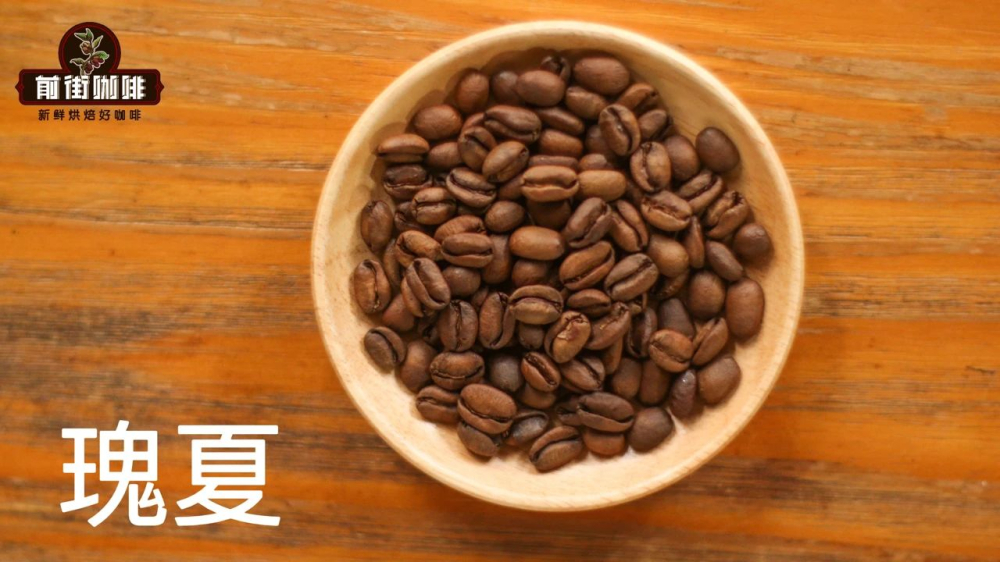
When it comes to Geisha, many people immediately think of the star coffee from Panama’s Hacienda Esmeralda, known for its highly distinctive flavor profile. However, the focus of this article is actually the Gesha variety from its place of origin—Ethiopia’s Gesha Village. Located in the birthplace of coffee, the Bench Maji region, Gesha Village was co-founded by Adam Overton and his wife Rachel Samuel. With the help of Willem Boot, the renowned owner of the Muleta Estate, they ventured deep into the Gori Gesha Forest, discovered wild Geisha plants, carefully selected seeds, and brought them back to Gesha Village for cultivation, preserving the original characteristics of the Geisha variety.
Just like Panama’s Hacienda Esmeralda, Gesha Village also maintains strict quality control over its coffee and has established a hierarchical and more finely detailed grading system. While Hacienda Esmeralda mainly categorizes its coffee into Red Label, Green Label, and Blue Label, Gesha Village’s grading is more diverse. It is understood that Gesha Village’s products are typically divided into Auction batches, Gold Label RARITIES, Red Label GROWERS RESERVE, Green Label SINGLE-TERROIR, and Chaka CHAKA batches, each representing different regional terroirs and processing characteristics.

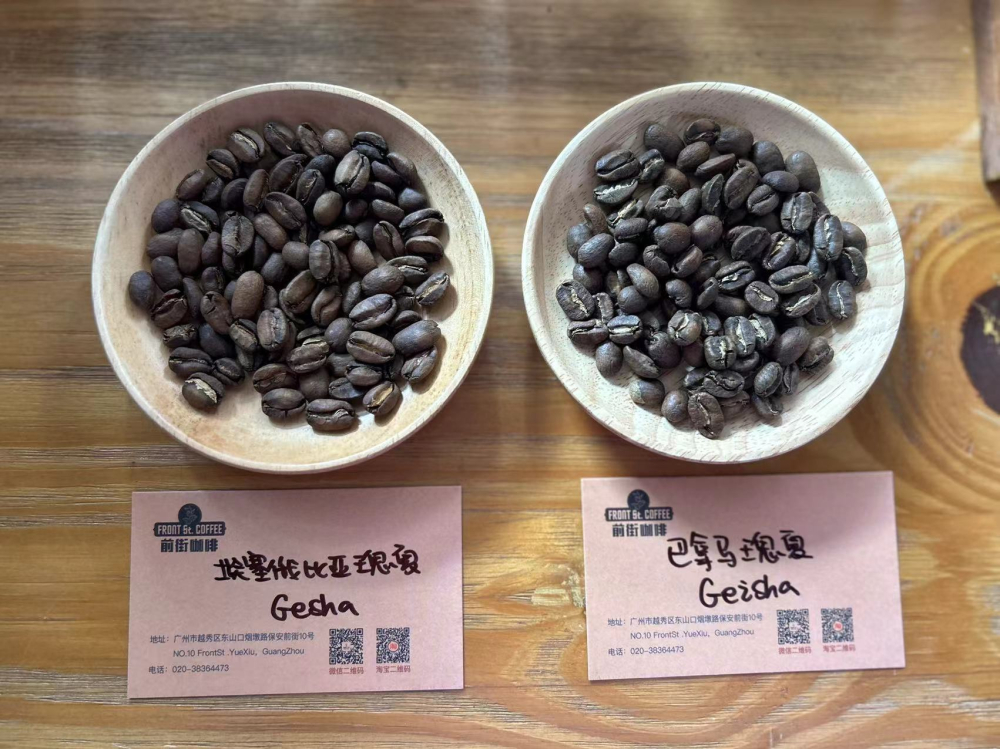
A well-known coffee brand recently acquired both the Hacienda Esmeralda Natural Green Label and the Gesha Village Green Label Geisha, sparking discussions among many coffee enthusiasts: which region’s Geisha tastes better? To answer this question, we conduct a comprehensive flavor comparison of the two Green Label Geishas from both cupping and pour over perspectives.
First, we tasted the Green Label Geisha from Gesha Village’s Banko Gotiti plot, which was processed using the natural (sun-dried) method and is of the Gori Gesha variety. Following the standard cupping procedure, we brewed 11.3 grams of coffee grounds with water at approximately 94°C. In the dry aroma stage, this Green Label Gori Gesha emitted distinctly berry-like aromas that were highly enticing. After pouring hot water and starting the four-minute timer, the wet aromas gradually emerged, showcasing rich notes of ripe fruit. At the four-minute mark, after breaking the crust, we gently stirred the coffee surface three times in one direction with a cupping spoon to release deeper aromas, resulting in even more intense and layered wet aromas. Finally, we skimmed the surface foam and began the formal evaluation.
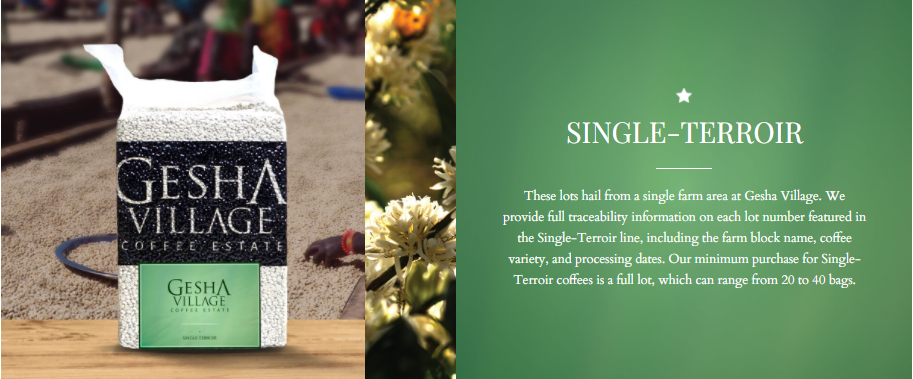
Although Gesha Village’s Green Label does not have as strict a cupping score threshold as the Red Label or Gold Label, this single-plot, single-variety Green Label still maintains a high level of consistency in quality. Each batch of Green Label Geisha provides complete traceability information, including the name of the farm plot, coffee variety, and processing date, allowing consumers to better understand the origin of each flavor note, and the quality is equally trustworthy. As for the actual flavor performance, we will directly compare it with the Hacienda Esmeralda Green Label later in the article.
Next, we used the same cupping procedure to evaluate the Hacienda Esmeralda Green Label Geisha. During the dry and wet aroma stages, this coffee bean exhibited an exceptionally strong floral fragrance, particularly during the wet aroma phase, where the floral characteristics were more exuberant, giving the impression of being in a garden. Additionally, we used a three-stage pour over method for extraction and confirmed the roast levels of both Green Labels in advance.
In terms of processing, all Green Label Geishas from Gesha Village are naturally processed. The process involves initial removal of impurities, after which the coffee cherries are placed on African raised beds in thin layers and covered with plastic sheeting. During the drying period, the cherries are frequently turned and sorted to remove underripe beans and defects, with the overall drying time lasting about 18 to 30 days. This method usually imparts richer sweetness and softer acidity to the coffee, along with complex fruit aroma profiles. Therefore, we set the roast level of Gesha Village Geisha to medium-light to highlight the unique floral and fruity sweetness brought by the natural process.
As for the Hacienda Esmeralda Green Label Geisha, we typically use a light roast to fully showcase its delicate flavors. For pour over, the recommended water temperature is around 90°C, with a coffee dosage of 15 grams and a coffee-to-water ratio of 1:15. In practice, it is suggested to start with a 30-gram bloom, followed by pouring in a small circular motion until 125 grams of water is added for the first pour. After the water level drops, continue pouring up to 225 grams, then remove the filter to finish brewing.
During the evaluation stage, the Hacienda Esmeralda Green Label Geisha demonstrated extremely high clarity, with a smooth mouthfeel and balanced aftertaste. The natural processing gave it intense jasmine floral notes, and as it cooled, it developed a honey-like, velvety sweetness. In contrast, the Gesha Village Green Label had a touch of bright acidity, reminiscent of the berry notes commonly found in Kenyan beans, with a full-bodied and layered mouthfeel. The aftertaste featured not only a honey-like sweetness but also a hint of fermented wine-like aroma, adding depth to the overall flavor.
The above content is compiled by CoffeeHunters, a coffee news website.


