








Introduction:When you first try single-origin coffee, have you ever been startled by its bright acidity, thinking the beans have gone bad? In fact, the fruity acidity in coffee comes from the natural flavors of the coffee cherry, not a defect. This article will take you deeper into how acidity forms, help you distinguish pleasant acidity from unpleasant acidity, and provide practical advice based on origin and roast level—so even beginners can gradually learn to appreciate the nuanced and varied acidity in coffee.
Many people, when tasting single-origin coffee for the first time, are often surprised by its fresh acidity, even suspecting that the beans are no longer fresh or have gone bad. But actually, this acidity is not a flaw—it originates from the natural components of the coffee cherry fruit. Next, we’ll start with the basic structure of the coffee fruit and step by step analyze how acidity makes its way into green beans, as well as which types of acidity are worth savoring and which should be avoided, helping newcomers better understand and enjoy the diverse flavor profiles in single-origin coffee.

Why does single-origin coffee have acidity? Does it mean the beans are not fresh or have gone bad? In fact, acidity is a common and normal aspect of single-origin coffee—the key lies in whether we can distinguish which acidity is charming and which is off-putting.
First, let’s look at the source of acidity: the coffee cherry fruit. Many people may have never seen a coffee cherry in person—it looks like a small, bright red cherry, with a smooth and shiny skin, very appealing in appearance. Beneath this red flesh lies the familiar coffee seed. After undergoing processes like washed or natural drying, these seeds transform into what we call "green beans." At this stage, the green beans are a vibrant green, resembling ordinary plant seeds, and must be roasted before gradually turning into the familiar brown or even dark black color we know.
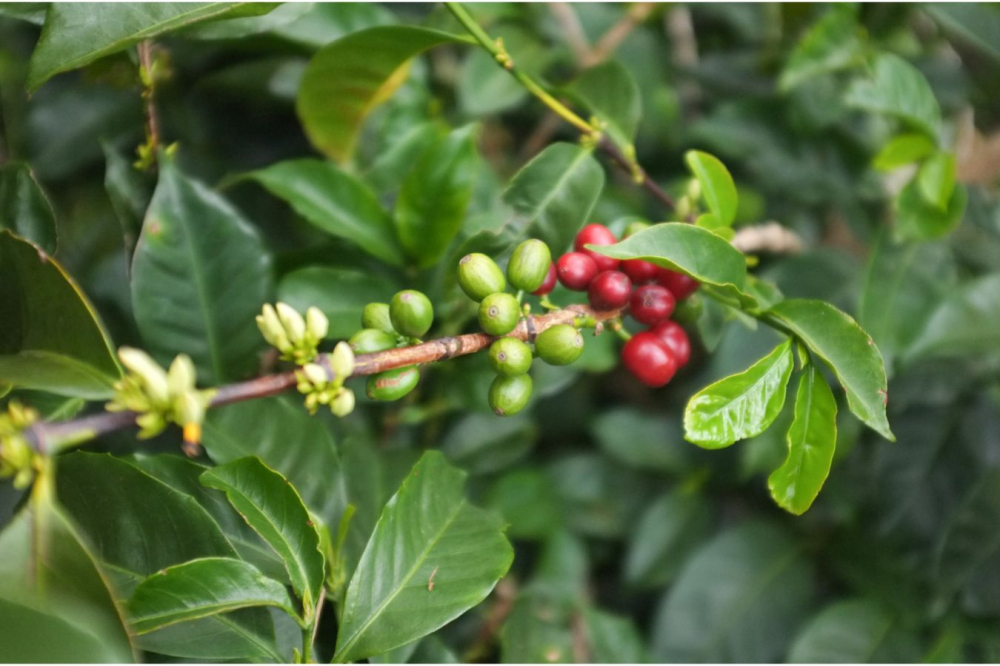
From a biological perspective, the purpose of the flesh is to nourish the seed, so the flavor compounds in the flesh also influence the flavor profile of the seed to some extent. This explains why coffee beans contain fruity acidity. In other words, the acidity in coffee is not a defect but one of its natural flavor characteristics—it is by no means a sign of spoilage or rot. With this understanding, it’s recommended to let go of the stereotype that "acidity = bad," so you can more openly appreciate the layers and variations in coffee.
However, acidity can be divided into "good acidity" and "bad acidity." The acidity in coffee is influenced by multiple factors such as variety, processing method, roast level, storage conditions, and brewing technique—so not all acidity is pleasant. Some acidity can bring a bright, refreshing fruity sensation, while others might feel sharp, dull, or even hard to swallow.
The "good acidity" worth savoring includes: a refreshingmalic acid,citric acid, tropical-flavoredpassion fruit acidityandberry acidity, as well as wine-likewine acidity,citrus acidity,peach acidity,pineapple acidity, and even vinegar-like notes ofbalsamicandred wine vinegar. These acidity profiles add layers and vibrancy to coffee—like the distinct juiciness of cherry tomatoes, the pleasant floral notes of kumquats, or the balanced sweet-and-sour taste of strawberry candy, leaving a lingering impression.On the other hand, the unpleasant "bad acidity" includes: harsh and pungentacetic acid, obviousrotten acidity(usually a sign of spoilage or expiration), the sourness from over-fermentation, stuffy and unbreathable acidity, as well as sweat-likelactic acid, or even nauseatingrancid acidity. Once these acidity types appear, they can easily ruin the entire cup of coffee’s flavor profile—and they are also the main reasons many people develop negative impressions of "coffee acidity." However, true specialty coffee usually doesn’t exhibit these low-quality acids because they are already eliminated during selection and processing.
For those who are new to single-origin coffee, if you find it hard to adapt to high-acidity beans at first, it’s recommended to start with beans from origins with medium or lower acidity levels to give your palate time to adjust. Generally,African-origincoffee beans have higher acidity, often featuring bright citrus and berry notes;Central and South American-originbeans have relatively balanced acidity, around medium level; whereasAsian-origincoffee beans, such as Sumatra from Indonesia, typically have lower acidity and instead emphasize a heavier body and spicy characteristics.
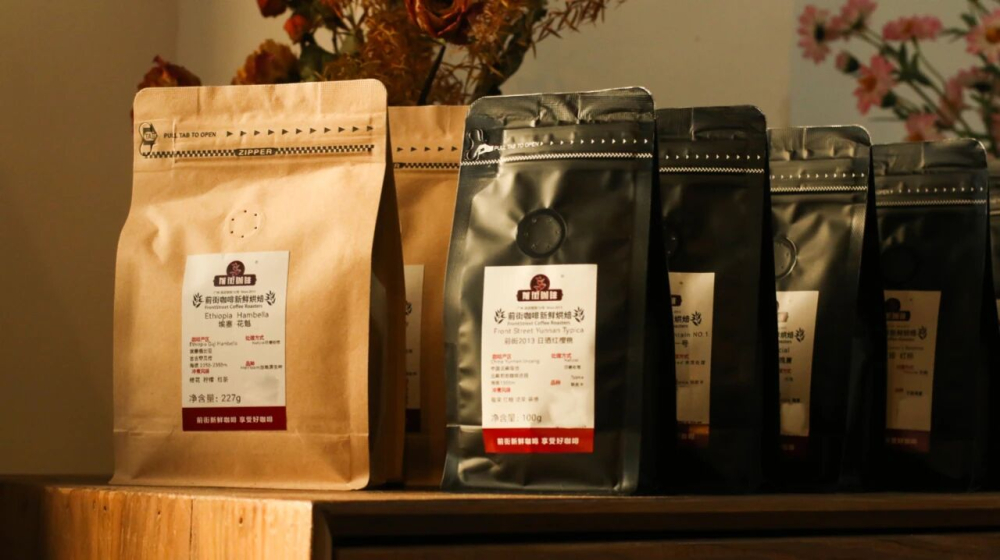
Additionally, roast level is also an important factor affecting how acidity is expressed. As the roast level deepens, the acidity in the beans gradually transforms into caramel, chocolate, and other warm-toned flavors, making the acidity less prominent. For beginners, it’s recommended to choosemedium or darker roasts—not only is the acidity milder, but you can also enjoy the sweetness and aroma brought by caramelization. For example, the low-acidity and full-bodiedSumatra Golden Mandheling, or the solid texture and subtle caramel notes ofBrazilian Queen Estate, are both great choices for beginners. Moreover,Colombian HuilaandJamaican Blue Mountainare also classic bean varieties with moderate acidity and rich aromas, perfect for coffee newcomers who aren’t yet used to fruity acidity.
The above content is compiled by CoffeeHunters, a coffee news website.


