







Introduction:Want to learn about the characteristics of different coffee varieties and the brewing methods they suit best? This article delves into the world’s major coffee varieties, including the most widely grown Arabica, the disease-resistant Robusta, and the much-talked-about Geisha, Typica, and Bourbon. From their origins, growing conditions, processing methods, to their cup profiles, this guide helps you build a systematic understanding of coffee varieties—whether you’re choosing beans or selecting a pour over, you’ll have a clearer direction.
The world of coffee is rich and diverse—from the market-dominant Arabica to the bold-bodied Robusta, and from the recently auction-highlighted Geisha to the historically rich Typica and Bourbon, each variety carries its own unique cultivation story and flavor traits. This article will take you from the very beginning, exploring the botanical classification, growing environments, and processing features of these coffee varieties, while analyzing their actual performance in the cup, offering you a more comprehensive reference for bean selection and tasting.
The history of coffee can be traced back to Ethiopia in East Africa, believed to be the first place where humans discovered and utilized wild coffee. With the spread of trade and war, coffee trees were gradually introduced to the Middle East, Asia, and the Americas, forming today’s diverse variety landscape. Among the many varieties, Arabica (Coffee Arabica) accounts for approximatelythree-quartersof global coffee production,
Many people assume that the name “Arabica” means it originated in the Arabian Peninsula. In fact, genetic research from 2002 shows that its true origin is Ethiopia. The reason this variety is called “Arabica” is that during early trade, the Arabian Peninsula served as an important hub connecting Europe, Asia, and Africa, through which coffee spread to all corners of the world. In 1753, botanist Linnaeus mistakenly believed it originated in the Middle East, thus assigning it the scientific name Coffea arabica L. However, with advancements in genetic research, its true homeland has been confirmed.
Unlike Arabica, Robusta (Robusta) belongs to the Coffea canephora species. Though often compared with Arabica, the two are not even at the same taxonomic level. Robusta originally comes from the Congo region of Africa. Its most notable characteristics arestrong disease resistance and high caffeine content (2.7%–4%), making it suitable for cultivation in low-altitude, high-temperature environments such as Vietnam, Indonesia, and Brazil. Thanks to its resilience to pests and diseases and high yield, Robusta is commonly used in instant coffee or espresso blends, providing a strong body and a bitter-sweet base.
Within the Arabica family, Typica and Bourbon are arguably the two oldest major varieties. Typica was first introduced by the Dutch to Java Island in Indonesia, then spread to the Caribbean and Central and South America. It is characterized by tall plants, low yields, and susceptibility to leaf rust, but due to its clear flavors and pronounced sweetness, it remains favored by some smallholder farmers and specialty farms. For instance, Indonesian Mandheling, often processed using the wet-hulled method, highlights strong herbal and earthy notes, with a sweet aftertaste.
The rise of the Geisha (Geisha) variety can be described as one of the great legends in the coffee world in recent years. This variety was first discovered in 1931 in the Gesha Forest of Ethiopia, then traveled through Kenya, Uganda, Tanzania, and eventually to Costa Rica, before being introduced to Panama in the 1950s. Initially, Geisha was only used as a windbreak, but it unexpectedly revealed extraordinary flavor potential. Especially at Panama’s Hacienda La Esmeralda, Geisha has repeatedly fetched high prices at auctions. Both its washed and natural processed versions have distinct characteristics: the washed version features bright acidity with lemon and floral notes, while the natural version boasts rich sweetness, often showcasing passion fruit and tropical fruit profiles.
The Bourbon variety originated from a natural mutation of Typica and was first discovered on the island of Bourbon in the Indian Ocean (now Réunion Island). It is characterized by green-tipped leaves (commonly referred to as green-tip coffee), smaller but denser coffee cherries, resulting in a richer sweetness and brighter acidity. The Bourbon family later gave rise to many varieties, such as Caturra and Pacas, widely planted in Central and South America. As the world’s largest coffee producer, Brazil’s Red Bourbon is often noted for its nutty, chocolatey, and creamy aroma notes, while Yellow Bourbon, grown at higher altitudes, exhibits a more delicate balance of sweet and acidic tones along with caramel sweetness.
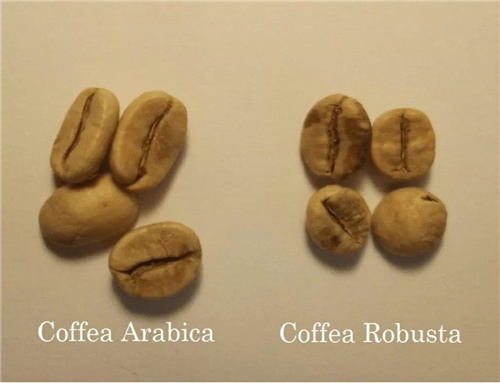
Additionally, Kenya’s well-known SL-28 and SL-34 varieties were cultivated by the Scott Laboratories there, based on Bourbon and Typica. These varieties exhibit intense berry acidity and a unique fermented wine-like character, distinctly different from the fresh citrus notes typical of other African beans, adding further layers to the coffee flavor spectrum.
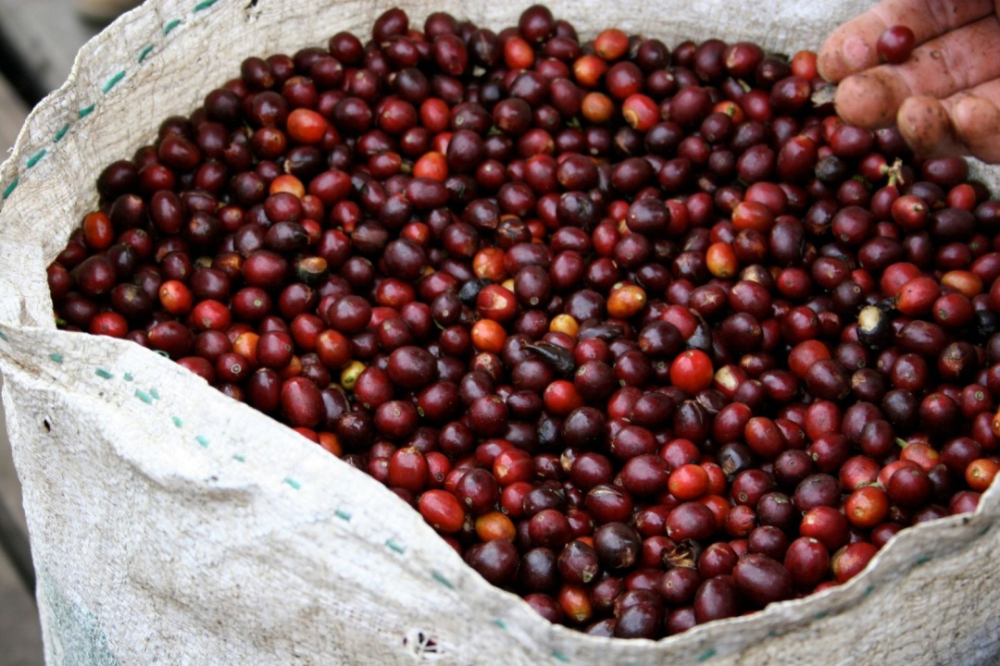
In summary, from Arabica to Robusta, from classic Typica and Bourbon to emerging Geisha, each coffee variety has its own unique cultivation background, suitable processing method, and cup profile. Whether you’re a beginner just starting with pour over or an avid coffee enthusiast seeking the ultimate experience, understanding the characteristics of these varieties will help you make more precise decisions when selecting beans, brewing, and tasting, guiding you on your own journey of discovering coffee flavors.
The above content is compiled by CoffeeHunters, a coffee news website.


