







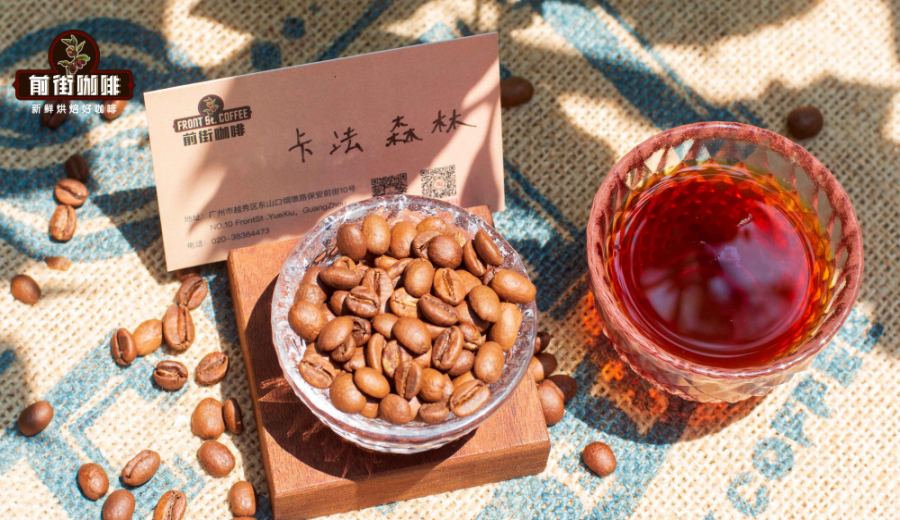
Introduction:Located in the Kafa Forest in western Ethiopia, it is a global genetic treasure trove of Arabica coffee and the cradle of wild coffee. This high-altitude virgin forest nurtures a diverse array of coffee varieties, and its washed processed beans are renowned for their floral-fruity aromas and bright acidity. This article will delve into the geographical environment of the Kafa Forest, the characteristics of wild coffee, and analyze the flavor profile and brewing reference of a medium-light roasted washed bean, taking you on an exploration of the true charm of wild coffee.
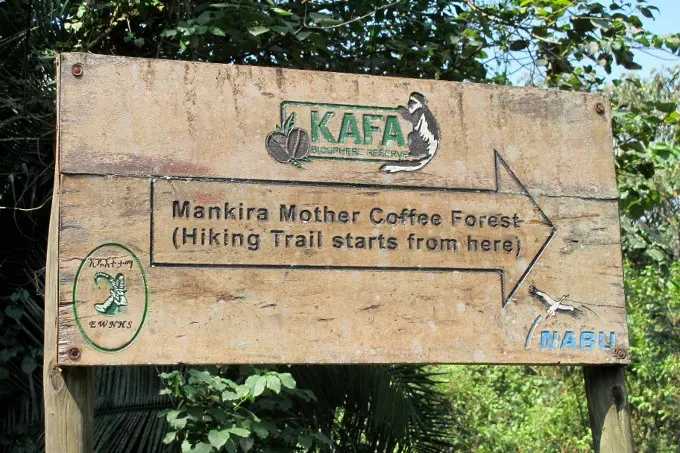
Deep in the jungles of western Ethiopia lies a pristine sanctuary hailed as the “natural coffee gene bank”—the Kafa Biosphere Reserve. This area is not only the birthplace of Arabica coffee but also home to over 5,000 wild coffee varieties, resembling a living coffee museum. At elevations between 1,400 and 2,100 meters above sea level, coffee trees thrive under the natural shade of tall canopy trees, nourished by red soil and abundant rainfall, giving rise to unique floral-fruity notes and bright acidity.
The Natural Cradle of Wild Coffee
Stepping into the Kafa Forest, what greets the eye is layers of lush greenery and moist air. The coffee trees here are not planted by humans but naturally scattered beneath the shade of towering trees. Unlike the neatly arranged coffee plants in traditional farmlands, wild coffee relies on natural seed dispersal for propagation, with each plant exhibiting unique genetic expressions. A certain supplier’s washed batch, for instance, comes from ripe red cherries harvested in this pristine forest. After medium-light roasting, it clearly presents a refreshing acidity akin to lemon, white floral notes, and a sweet orange finish.
A Naturally Advantageous Ecological Environment
The Kafa Forest is situated in southwestern Ethiopia, spanning the borders of the Gambela, Oromia, and Southern Nations, Nationalities, and Peoples' regions. It is one of the most intact lowland rainforests remaining in the world. According to a survey by the German Nature and Biodiversity Conservation Union, this protected area, covering a total of 760,000 hectares, includes over 420,000 hectares of virgin forest, with a forest coverage rate exceeding 55%. The special high-altitude microclimate, mineral-rich red soil, and annual rainfall exceeding 2,000 mm provide nearly perfect growing conditions for coffee trees.
Notably, these wild coffee trees mostly grow on gentle slopes at around 1,800 meters above sea level, avoiding the severe cold of higher altitudes while benefiting from sufficient diurnal temperature variations. The iron content and drainage properties of the red soil, combined with the natural shade of the tree canopy, allow the coffee cherries to ripen slowly, accumulating richer flavor compounds.
A Coffee Gene Bank Facing Extinction
Despite its unparalleled biodiversity, the Kafa Forest is under unprecedented threat. Data from the United Nations Food and Agriculture Organization shows that between 1988 and 2008, the region lost more than 11,000 hectares of virgin forest annually, primarily converted to farmland. If this trend continues, this oasis that has nurtured thousands of coffee lineages may shrink significantly within the next decade.
To protect this world-class heritage, the United Nations NABU organization has listed it as an internationally important ecological reserve since 2010 and promoted local community involvement in conservation. Nearly 30 coffee cooperatives have been established in the surrounding areas, dedicated to collecting naturally ripe red cherries from the virgin forest, ensuring that the harvesting process does not disrupt the ecological balance.
The Refined Flavors of Washed Processing
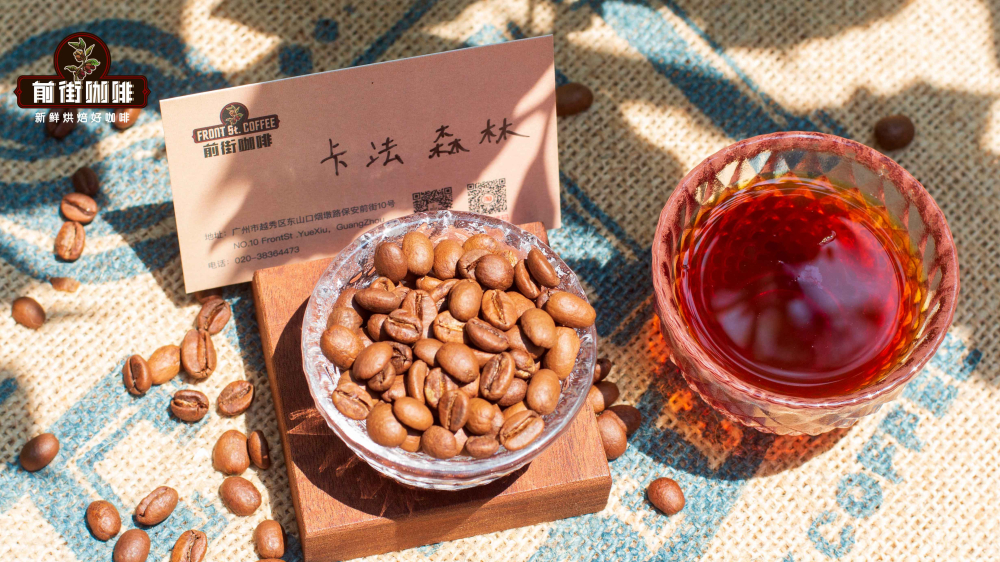
The washed batch of Kafa Forest coffee tasted this time uses the traditional water tank fermentation process, carefully selecting Grade G1 whole cherries. A certain supplier controlled the roasting heat to bring out the floral-fruity character with a medium-light roast: in the cupping 24 hours after roasting, the dry aroma reveals elegant white floral and lemon peel notes, accompanied by a hint of fresh orange; the wet aroma emits the sweet and mellow scents of ripe apricot and sweet orange.
Upon the first sip, a bright lemony acidity leads the way on the palate, followed by layers of nectarine, green tea, and caramel gradually unfolding. The mid-palate features the juicy texture of apricot and the succulence of green grapes, with an elegant balance of acidity and sweetness. The finish lingers with the sweet essence of melon and nutty undertones, paired with a light tea-like mouthfeel, showcasing the rare refined expression of wild coffee.
For actual brewing, it is recommended to use water at 90–92°C, with a grind size close to superfine sugar (medium-fine grind), employing a pulsed pour-over method to preserve the delicate aromas. Pay attention to allowing a brief bloom after the first pour, which helps achieve even extraction of this vibrant acidity bean.
The above content is compiled by CoffeeHunters, a coffee news website.


