








Introduction:Many friends who are trying single-origin coffee for the first time often mistake the noticeable acidity for spoiled beans. In fact, acidity is a natural component of coffee flavor—it’s not a flaw but rather an important characteristic of specialty coffee. This article delves into the sources of coffee acidity, differentiating between pleasant fruity acids and unpleasant off-flavors, and offers advice on choosing regions and roast levels to help you find a coffee experience that suits your taste.
When many people try single-origin coffee for the first time, they’re often startled by the prominent acidity, and their first reaction may be to suspect that the coffee has gone bad. In reality, the fruity acidity in coffee is not a quality defect but a natural flavor trait originating from the coffee fruit itself. From the moment the coffee forms as a fruit, the acidic and sweet components in its flesh begin influencing the flavor development of the inner seeds. Therefore, acidity is not only normal but can even be considered part of what makes specialty coffee special.

So why does some single-origin coffee taste acidic? The presence of acidity is actually closely tied to the entire life cycle of the coffee bean—from the structure of the coffee cherry’s flesh, to subsequent processing steps, roasting, and brewing methods—all of which affect the final acidity profile. This article will break down the coffee fruit to uncover the true source of acidity, teach you how to distinguish between acids that add complexity and those that may ruin the overall flavor, and provide practical suggestions on region and roast selection for beginners who aren’t used to acidity.
I. The Root of Acidity: Starting with the Coffee Cherry
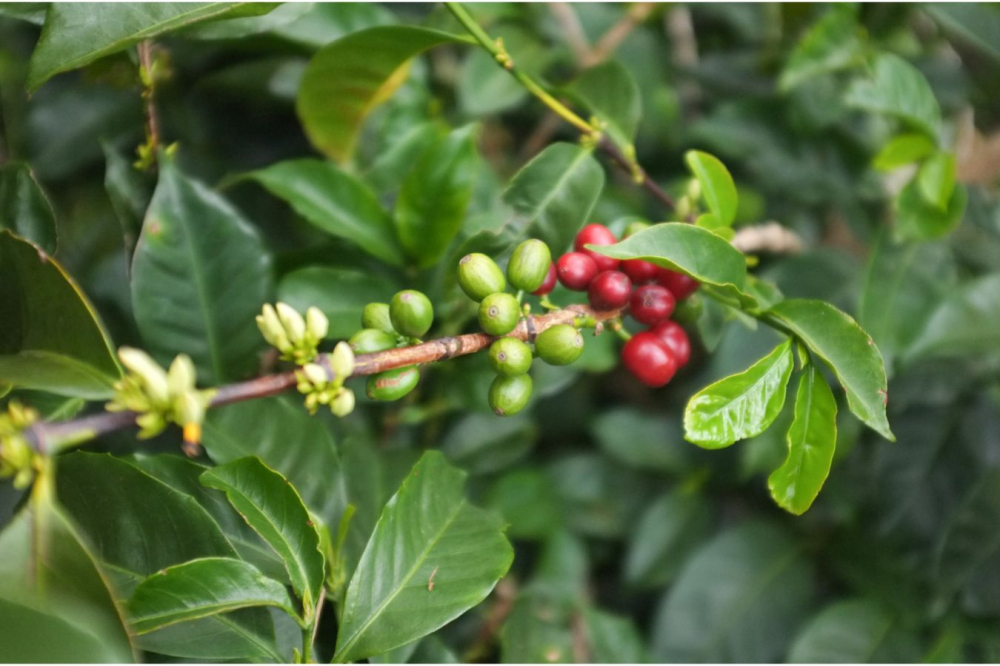
Most consumers have probably never seen the original appearance of coffee fruit. In truth, coffee cherries look like bright cherries—smooth-skinned with a reddish hue, sometimes even tempting enough to take a bite. This red flesh encases the coffee seeds we know well. After undergoing processes such as washed or natural drying, the flesh is removed, leaving behind the green raw beans that are our raw material before roasting. These green beans, before roasting, look no different from ordinary plant seeds—with a greenish color and a relatively bland taste.
However, it’s worth noting that the flesh plays a role in nourishing the seed during its development, so its own flavor characteristics naturally permeate into the seed, further influencing the potential flavor direction of the green bean. In other words, it’s completely natural for coffee to have fruity acidity—this acidity isn’t due to spoilage or decay, but is one expression of coffee’s natural flavors. So, let’s adjust our mindset, let go of preconceived notions about acidity, and reacquaint ourselves with this unique flavor element.
II. Distinguishing Pleasant Acids from Unpleasant Ones
Although acidity is part of coffee, not all acids are pleasant. Depending on factors such as coffee bean variety, processing method, roast level, storage conditions, and brewing method, acidity can present vastly different flavor profiles, roughly divided into enjoyable, comfortable acids and unpleasant, off-putting ones.
Pleasant acids usually carry a refreshing, fruity sensation—common examples include malic acid, citric acid, berry acids, cherry acids, citrus acids, or even more nuanced ones like winey acid or passionfruit acid. These acids can bring layers and vibrancy to coffee, such as the juice-like feel of cherry tomatoes, the floral notes of certain fruits, or the sweet-and-sour balance of strawberry candy—all are examples of positive acidity expression.
Conversely, unpleasant acids usually stem from improper processing, over-fermentation, poor storage, or roasting defects. Common manifestations include overly sharp acetic acid, sweat-like lactic acid, foul rotten smells, or even dull off-odors. These acids can easily ruin the balance of an entire cup of coffee and are a major reason why many people develop a negative impression of acidity. It’s worth mentioning that truly high-quality specialty coffee usually doesn’t exhibit these kinds of unpleasant acids, as they are typically eliminated during the selection and processing stages.
III. How to Choose Coffee That Suits You? Region and Roast Level Are Key
If you’re just getting into single-origin coffee and still aren’t comfortable with acidity, it’s not necessary to completely avoid beans with fruity acidity. Instead, start with regions and roast levels that offer medium or low acidity and more mild flavors, gradually getting accustomed to the diversity of coffee.
In terms of region, African coffee beans often feature higher acidity and fruity aromas—for example, Ethiopia and Kenya—offering vibrant and lively flavors. Central and South American beans, such as those from Brazil and Colombia, tend to have more balanced acidity, suitable for most drinkers. Asian beans, such as those from Indonesia and Vietnam, generally have lower acidity, with richer, fuller body being more prominent.
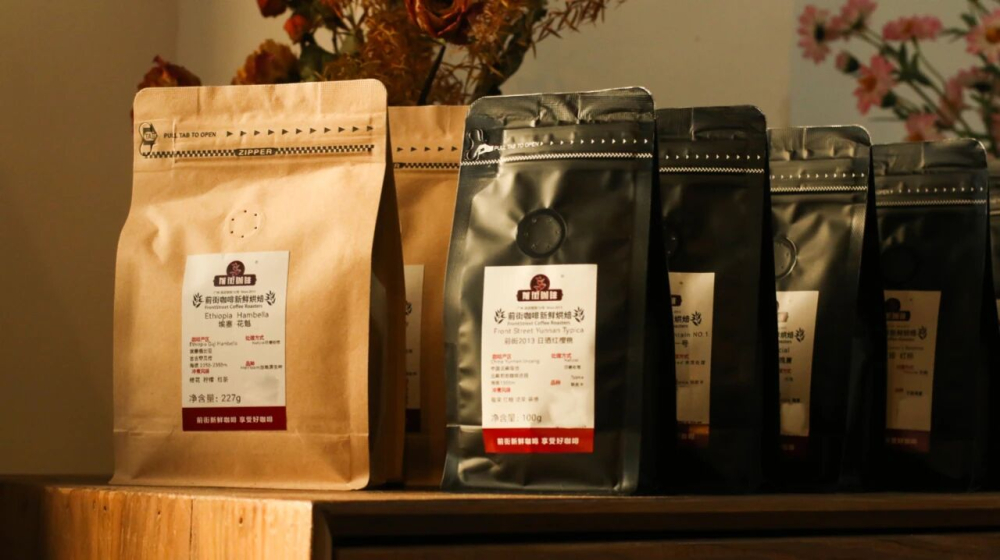
However, even within the same country, beans from different regions or farms can vary greatly in acidity expression, so it’s recommended to actively ask about specific regions and processing methods when purchasing or ordering, to make a more precise selection.
Regarding roast level, acidity tends to decrease as the roast gets darker. Light roasts usually retain the most original flavors and pronounced acidity; medium roasts can preserve some fruity acidity while bringing out more sweetness and body; dark roasts focus mainly on intense flavors like caramel and chocolate, with almost no acidity. For beginners, it’s recommended to start with medium or darker roasts, such as Indonesia’s Golden Mandheling or Brazil’s Queen Estate—these beans have low acidity and often feature rich sweetness and woody tones, making them great entry-level choices.
The above content is compiled by CoffeeHunters, a coffee news website.


