







Introduction:As a classic representative of Sumatran coffee, medium-dark roasted Golden Mandheling perfectly showcases its unique herbal, pine, and caramel aromas, while delivering a rich body and balanced aftertaste. This article delves into the roasting principles, chemical reaction mechanisms, and provides two practical pour-over brewing methods—from flavor profiles to extraction details—to help you fully unlock the potential of this classic bean.
For pour-over coffee enthusiasts who prefer a bold flavor profile without pronounced acidity, medium-dark roasted Mandheling series has always been a popular choice. Among them, the PWN Golden Mandheling from a well-known coffee brand stands out with its distinctive flavor expression, becoming a classic in the hearts of many coffee lovers. This coffee, produced in the Lintong region of Sumatra, Indonesia, through medium-dark roasting, reveals a rich array of herbal, caramel, and pine notes. What specific roasting chemical reactions create these captivating flavors? And how can the right brewing method fully bring out its potential? The following will guide you from scientific principles to practical operation, ensuring you master it completely.
Coffee roasting is not just a simple process of turning green beans black but a series of complex chemical and physical changes. At temperatures exceeding 200°C, green beans go through stages such as drying, first crack, and second crack. Moisture gradually dissipates, color darkens, and a variety of aromatic compounds are released. Particularly between 170–200°C, sugars in the beans begin caramelization, a key step in forming caramel aroma and sweetness. At the same time, the interaction between sugars and proteins or amino acids—known as the Maillard reaction—further contributes to complex aromas reminiscent of toasted bread, nuts, and chocolate.
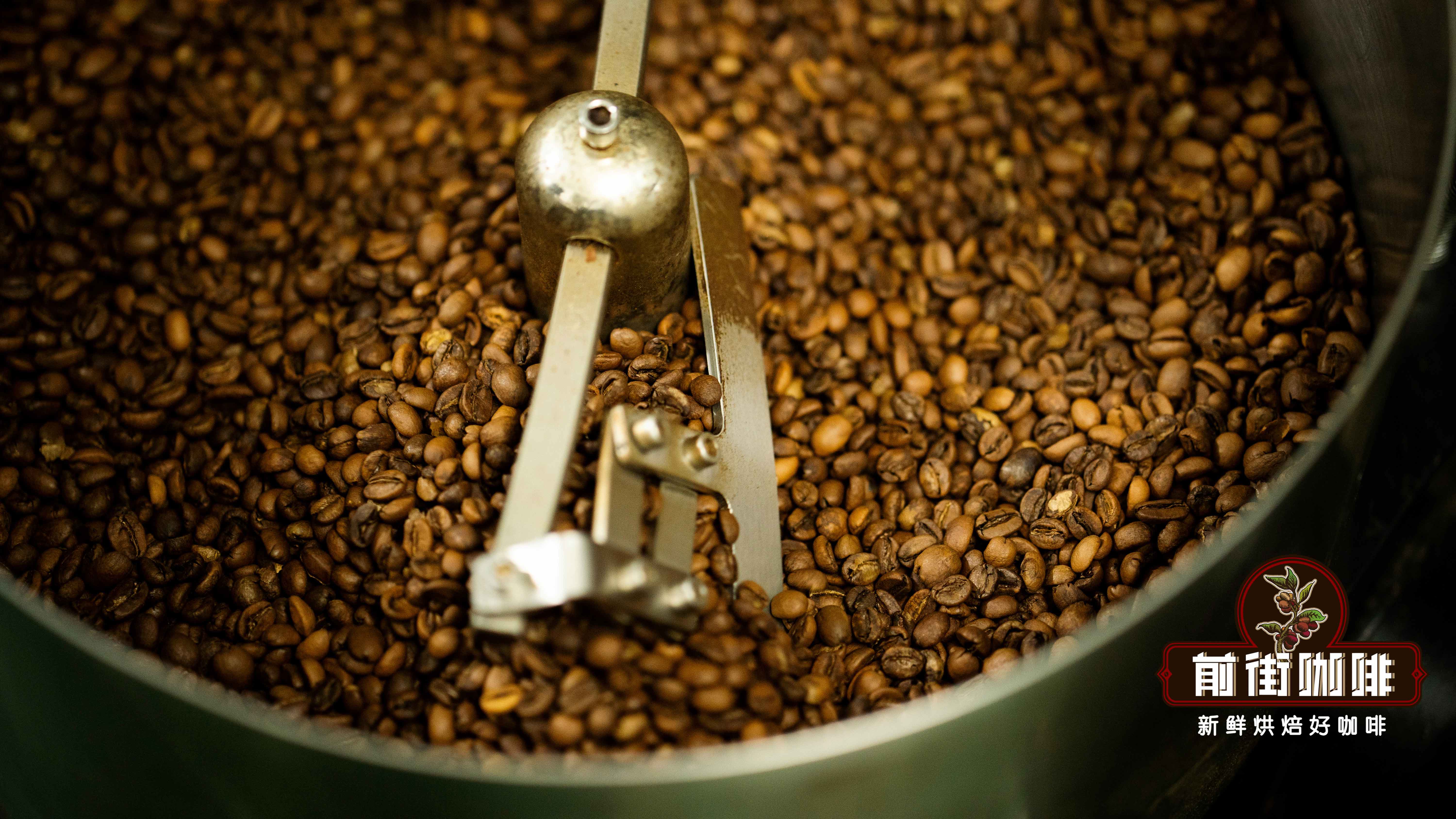
Caramelization mainly occurs between 170–200°C, which coincides with the period just before and during the first crack. During this process, sugar substances undergo dehydration and breakdown, not only producing familiar caramel and roasted aromas but also generating aroma-contributing compounds such as maltol and furans. However, excessive caramelization can lead to carbonization, resulting in unpleasant bitterness and a burnt sensation. Therefore, mastering the roast level to maximize caramelization’s benefits without going overboard is key to flavor balance.
Complementing caramelization, the Maillard reaction is a chemical interaction between sugars and proteins or amino acids. As temperature and time progress, it produces a wide range of aromas—from floral and creamy to earthy and smoky. These layered flavors are part of what makes medium-dark roasted coffee so captivating. In fact, not only coffee but also other foods like chocolate, beer, and grilled meat benefit from the rich flavor profiles brought by the Maillard reaction.
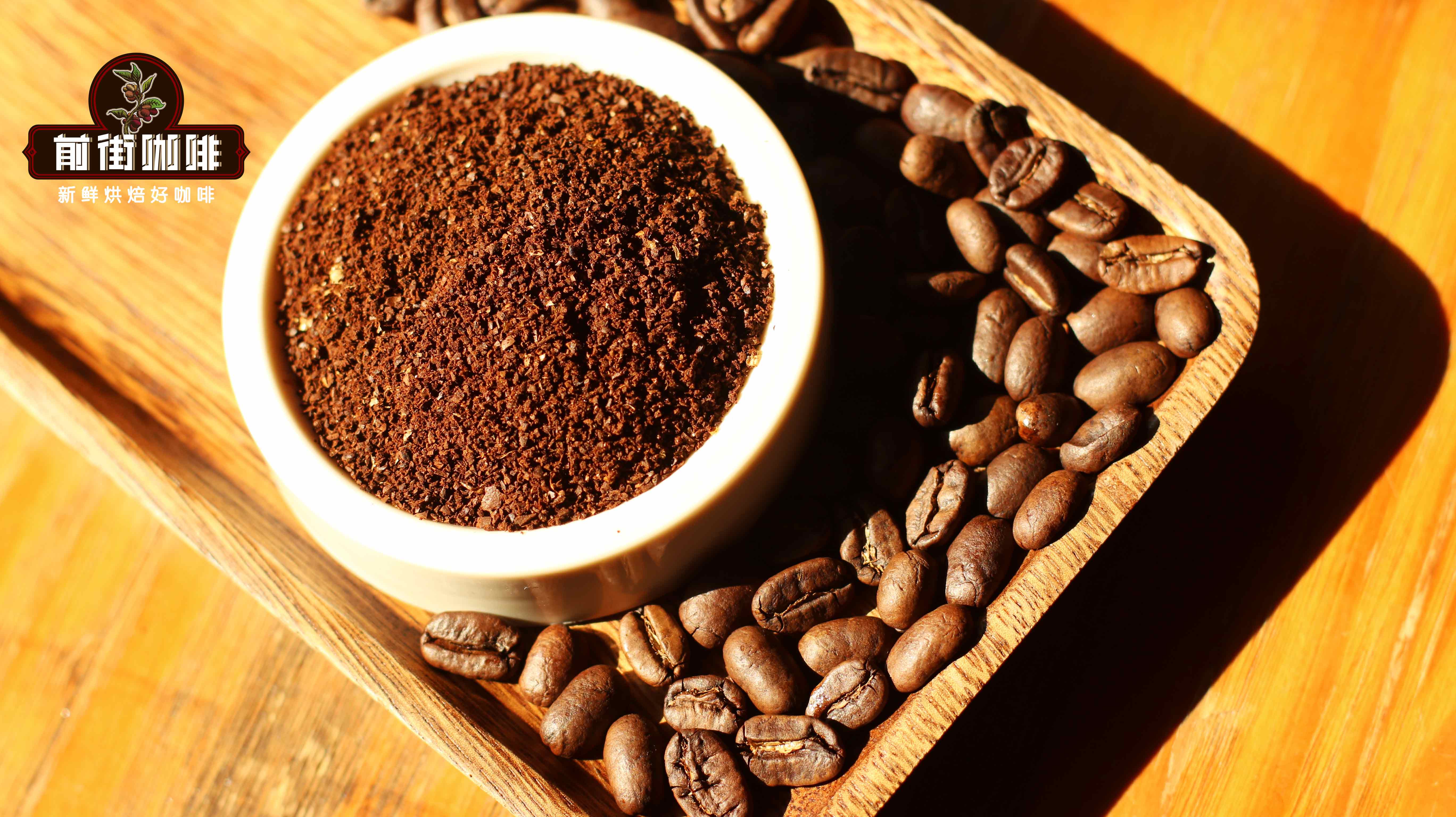
So why is Golden Mandheling particularly well-suited for medium-dark roasting? Grown in Indonesia’s Sumatra Lintong region at altitudes between 1,100 to 1,600 meters, and processed using the wet-hulled method due to the area’s humid climate, this coffee has a particularly distinct flavor profile. With relatively high moisture content in the green beans, it’s essential to maintain stability during the drying phase of roasting to avoid over-fermentation or uneven development. A moderate medium-dark roast allows its herbal and spice foundation to become more concentrated, while also highlighting caramel sweetness and a robust woody character, resulting in a solidly structured cup with a long-lasting aftertaste.
In actual roasting, the recommended charge temperature is 200°C, with the air damper set to 3. Initially, close the air damper for about 30 seconds of preheat (steaming), which helps with even heating and dehydration. Then gradually adjust the heat and airflow to control the timing and intensity of the first crack. When the bean surface begins to show noticeable color change and aroma transition, signaling the first crack, closely monitor the sound changes and reduce the heat as needed. Finally, drop the beans at around 204.5°C to achieve the best flavor balance.
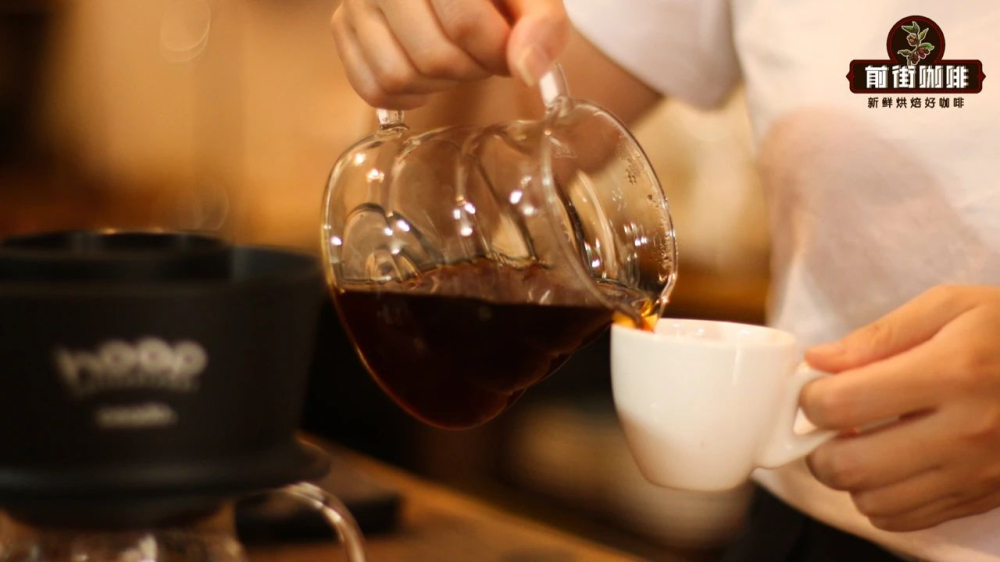
For brewing this bean using pour-over, it’s recommended to use a medium-coarse grind (like sugar granule size), with water temperature controlled between 86–88°C. Due to the more vigorous degassing of medium-dark roasted beans, stable water flow and circular pouring are advised to minimize channeling. Two practical brewing methods are as follows: The first uses a KONO filter, with 17g of coffee, a 1:14 coffee-to-water ratio, starting with a 30g bloom for 30 seconds, then pouring up to 238g in one go, for a total brew time of about 1 minute 50 seconds. This method yields a clean, balanced cup with a long-lasting caramel sweetness in the aftertaste. The second method uses a Hario V60 filter, also with 17g of coffee, via a staged pour (start with 30g bloom, then pour to 120g and pause, finally pouring up to 225g). It emphasizes flavor layering, especially highlighting nutty and chocolatey notes in the finish—but be mindful that slight bitterness may accompany it.
In summary, Golden Mandheling under medium-dark roasting can fully express its unique herbal, pine, caramel, and subtle spice aromas, along with a rich yet balanced mouthfeel. Whether you’re pursuing deep flavor complexity or aiming to explore the classic characteristics of Sumatran coffee, understanding the science behind its roasting and applying the right brewing techniques will allow you to more fully appreciate the charm of this classic bean.
The above content is compiled by CoffeeHunters, a coffee news website.


