








Introduction:To pour beautiful and stable latte art, choosing the right espresso beans and mastering milk frothing techniques are equally important. This article delves into the characteristics of beans ideal for latte art, including the crema and aroma advantages of medium-dark roasted blends, and recommends several practical bean options. It also explains in detail the two stages of milk frothing—air intake and texturing—as well as the importance of the blending process. Finally, it provides an efficient practice path from fresh milk to water to help you quickly improve your latte art skills.
Latte art is not just about showcasing technique; it is also closely related to the choice of coffee beans. Many people assume that as long as the beans are fresh and properly extracted, they can pour beautiful patterns. However, the roast level, crema performance, and aroma characteristics of the coffee beans all directly affect the flow and final outcome of the latte art.
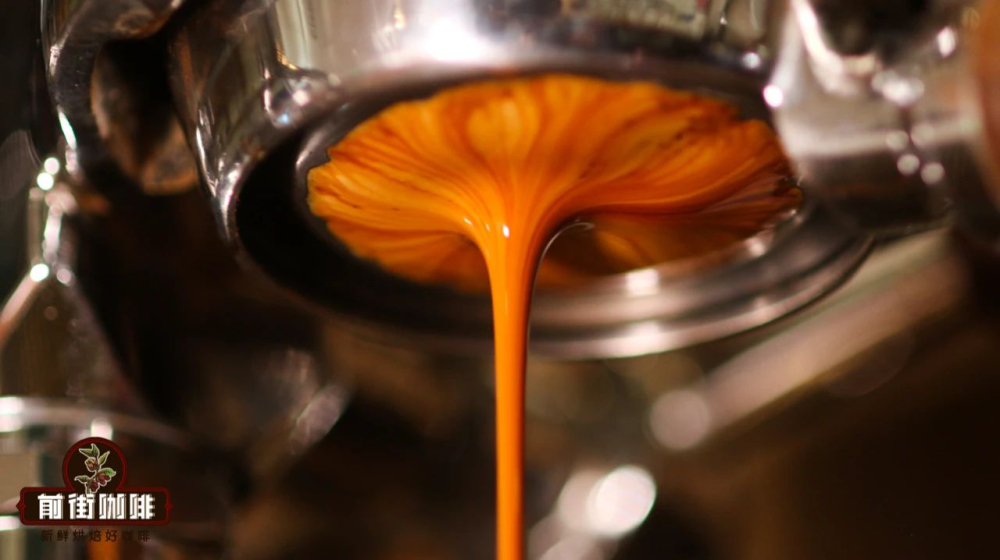
First, let’s clarify one concept:Any fresh espresso blend can be used for latte art,the key lies in whether the beans can provide sufficient crema and stable extraction. As long as you use freshly ground and freshly extracted espresso, paired with fine-textured milk foam, you can basically achieve basic latte art. However, if you want to pursue better visual and taste results, choosing the right coffee beans becomes crucial.

So, what are the actual effects of switching to a latte art-specific bean, aside from flavor differences? In fact, different blends mainly change the foundational flavor profile of the cup. Some coffee lovers who prefer a rich and stable taste can choose blends with dark chocolate notes; those who enjoy fresh, fruity, and floral profiles can try single-origin beans (SOEs) with more prominent fruitiness. But for latte art, the bean’s crema content and roast level are the more core considerations.
Generally speaking,medium-dark roasted espresso blends are more suitable for latte art,because these beans produce richer coffee crema during the roasting process. This not only makes the coffee look richer but also provides better visual contrast and fluid support for latte art. Additionally, medium-dark roasted beans are usually cost-effective, making them suitable for daily practice and café use.
For those just starting to practice latte art, it is recommended to choose blends with rich crema and distinct aromas, such as those with buttery, nutty, spicy, and dark chocolate notes. These beans usually have bold flavors that can highlight the layers of the latte art. If you plan to open a coffee shop or practice latte art extensively, consider using medium-dark roasted blends composed of multiple origins. These beans are highly compatible, suitable for various types of espresso machines, and can consistently deliver stable crema performance.

Aside from selecting beans, frothing milk is also a key factor in the success of latte art. Frothing milk can be divided into two main stages: air intake and texturing/heating. The first is air intake, which is the process of using the steam wand to inject air into the milk to create microfoam. During this step, part of the steam wand should be exposed above the milk surface to allow air to enter. At this time, you will hear a clear “hissing” sound, which indicates that air intake is taking place. Generally, the air intake time for a latte should be controlled within2–3 seconds. Too long can create too many large bubbles, affecting both taste and latte art performance.
Next is the texturing stage. At this point, the steam wand should be fully submerged in the milk, using a rotating vortex to refine the milk foam and heat it. During this process, avoid reintroducing air, as doing so can create coarse, large bubbles that ruin the texture of the milk foam. The ideal milk foam should be fine, velvety, and have a certain thickness—it should blend perfectly with the coffee and support the details of the latte art.
While frothing the milk, blending (i.e., mixing the milk foam with the espresso) is also a step that cannot be overlooked. The quality of blending directly affects the color, taste, and layering of the entire cup of coffee. Well-blended coffee will display a beautiful “golden base,” with a rich and smooth taste. If blending is inadequate, not only will the appearance suffer, but you may also end up with a sip that’s bitter followed by one that’s weak, or even noticeable separation of foam layers.
The correct blending technique is: hold the cup in your left hand and the pitcher in your right, keeping the spout of the pitcher about5–8 cmaway from the coffee surface. Then, stir in a circular motion with alternating high and low movements to ensure the milk foam and espresso are fully mixed. This action requires some practice and feel. Beginners are advised to observe professional baristas closely, especially their pitcher grip, pouring angle, and blending rhythm—these are the foundations for developing stable latte art skills.
Finally, to quickly improve your latte art skills, systematic practice is essential. For beginners, it is recommended to start by practicing with fresh milk to get familiar with how milk behaves under steam and to develop a feel for steaming. Next, switch to using water to focus on details like air intake volume, steam angle, and vortex control. This allows you to more clearly perceive how different parameters affect the milk foam. Once your feel becomes more stable, switch back to milk for real practice, starting with simple patterns like hearts and tulips, and gradually progressing to more complex designs.
In summary, latte art is not just about technique—it’s a comprehensive expression of beans, milk foam, and skill. By choosing the right medium-dark roasted blend, mastering the milk frothing techniques of air intake and texturing, along with stable blending and consistent practice, you too can pour stunning coffee designs.
The above content is compiled by CoffeeHunters, a coffee news website.


