







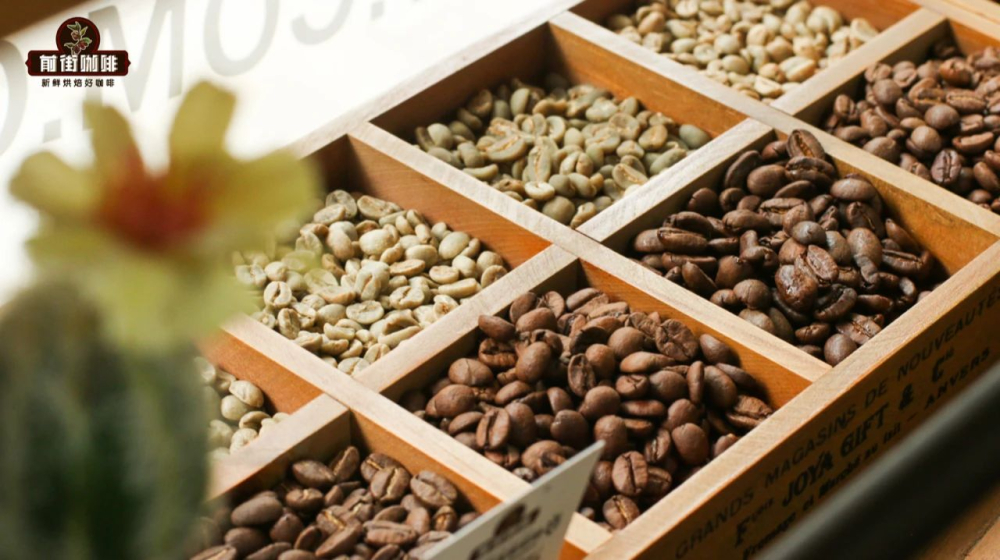
Introduction:Delve into the Hambella micro-region of Ethiopia’s Guji zone to uncover how altitude, soil, and climate contribute to the unique flavors of the Huila coffee. From the characteristics of the Degga variety, the sun-drying process at a specific mill, to pour over parameters and three-stage pouring techniques, this guide takes you from origin to cup, exploring every detail of this beloved coffee.
Ethiopia is not just the birthplace of coffee, but also a country where coffee is deeply woven into its culture and daily life. On this land, regions such as Sidamo, Guji, and Hambella produce astonishingly diverse coffee flavors thanks to their unique terroir and refined post-harvest processing. Among them, the sun-dried Huila coffee from Guji in the Guji zone is renowned for its strawberry cream aroma, making it a favorite entry point for many coffee lovers and a common contender in competitions. This article offers a comprehensive look at this classic coffee—from regional background and variety traits, to processing methods, pour over parameters, and flavor analysis.
Ethiopia: The Cradle of Coffee Culture
In Ethiopia, coffee is more than just an economic crop—it carries significant social and cultural meaning. Data shows that Ethiopia is the world’s sixth-largest coffee producer, and in 2018, 20% of the approximately one hundred million people employed in coffee-related industries globally came from this East African nation. In 2017, Ethiopia produced about 470,000 tons of green coffee beans, of which only around 160,000 tons were exported, indicating a very high level of domestic consumption. Coffee has been part of Ethiopia’s social structure for centuries—the phrase ‘buna tetu’ means ‘to drink coffee,’ while ‘buna dabo naw’ translates to ‘coffee is our bread,’ reflecting its vital importance.
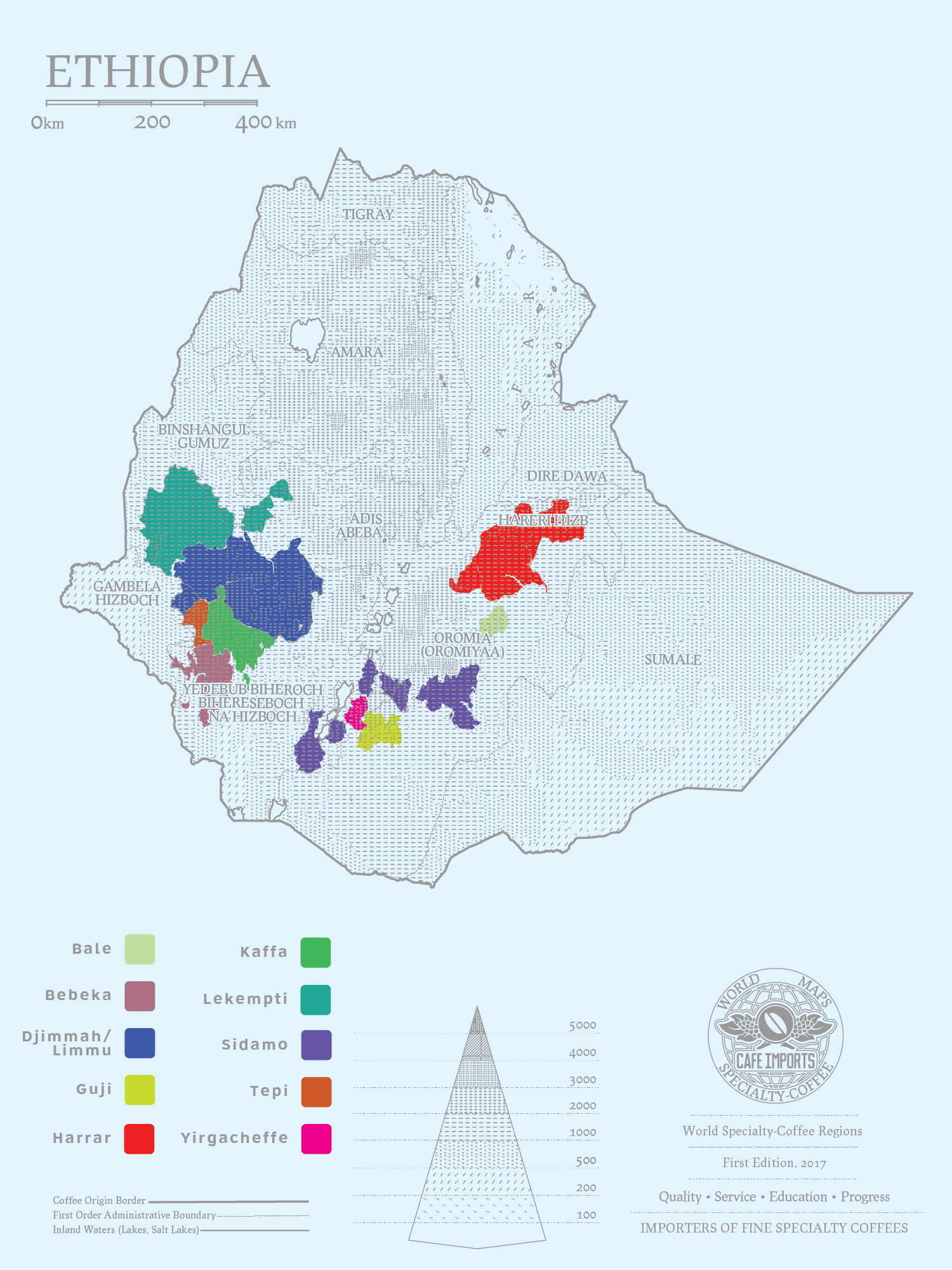
An Overview of Ethiopia’s Eight Major Coffee Regions and Sidamo
Ethiopia is primarily divided into eight major coffee-growing regions, including Limu, Lekempti, Yirgacheffe, Jimma, Harrar, Bebeka, Sidamo, and Guji. Among them, Sidamo is located at the southern edge of the Ethiopian Highlands, with altitudes ranging between 4,600 and 7,200 feet. The region features diverse terrain, including mountains, plateaus, valleys, and plains. Its fertile, well-draining volcanic soils with deep layers impart rich sweetness and distinctive regional character to the coffee. Coffee flavors here are greatly influenced by microclimates and native varieties, resulting in highly diverse profiles.
The Guji Region: The Cradle of Specialty Coffee Separated from Sidamo
Originally part of the broader Sidamo area, the Guji region was officially designated as a separate coffee-producing zone by the Ethiopian Commodity Exchange (ECX) in 2010 due to its superior geographical environment and unique flavor profiles. Located southeast of Yirgacheffe within the Oromia Region’s Guji Zone, Guji is now one of the most talked-about specialty coffee regions on the international market. Among its sub-regions, Shakisso is the most well-known, with an average altitude exceeding 1,800 meters and celebrated for its complex, layered flavors.
A certain brand’s Huila series beans come from the Hambella Kebele within the Shakisso Woreda under the jurisdiction of the Guji zone in the Sidamo province—particularly, the Hambella micro-region, which has gained widespread fame in recent years for its Huila coffee.
The Hambella Micro-Region: A Gift of Altitude and Terroir
Hambella is located within the Guji region, administratively part of the Oromia Region. Geographically adjacent to some areas of Yirgacheffe, it is separated by highlands reaching 3,200 meters in elevation. As one of Ethiopia’s highest-altitude coffee sub-regions, its environment is ideal for producing coffee with high sweetness and unique aromas. In 2017, Buku Abel washing station under DW Company won the national flavor competition with a sun-dried lot, which was later named Huila, marking the beginning of this name’s legendary journey in the coffee market.
Today, DW Company has expanded multiple washing stations in the core area of Hambella, Dimtu, among which Buku Abel is the most renowned and serves as the main supply source for a certain brand’s Huila series. This washing station is known for its strict sun-drying process and high-quality sorting, creating the signature flavor profile of Huila coffee.
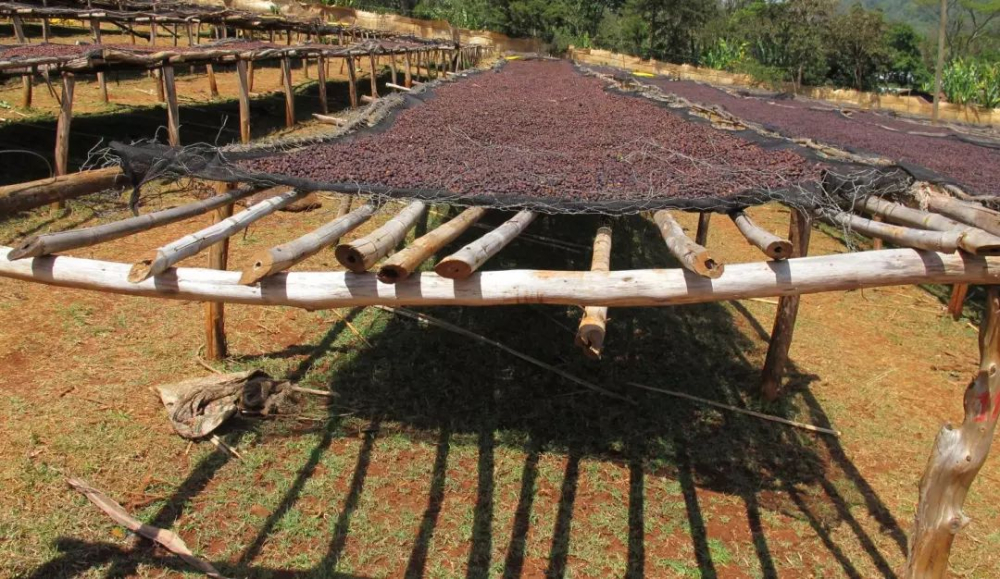
Buku Abel Washing Station and the Sun-Drying Process
Buku Abel Washing Station is situated in a pristine tribal village at an altitude of about 2,200 meters. The coffee is grown in an exceptionally favorable environment, planted in red-brown soils rich in humus and naturally shaded by Enset trees. This setting not only protects the coffee cherries from excessive sun exposure but also helps them ripen slowly, accumulating richer flavor compounds.
The harvest season runs from December to January each year. Farmers select only ripe red cherries with a sugar content of 30 or above for sun-drying. During the sun-drying process, the first two days focus on maintaining fruit moisture to initiate sugar conversion and fermentation, while strictly controlling sun intensity and temperature to avoid over-fermentation or sunburn. Workers regularly turn the coffee cherries to ensure even drying. Cool nighttime temperatures help slow fermentation, contributing to Huila coffee’s characteristic cleanliness and layered complexity.
The Degga Variety: A Gift of High Altitude
Huila 4.0 uses the Degga variety, the origin of whose name is subject to various theories—one suggests it’s named after the scent of a certain kindling wood during roasting, while another claims it derives from an Amharic term meaning ‘highland and shaded place,’ highlighting its suitability for high-altitude cultivation. Degga performed notably in the 2020 Ethiopian Cup of Excellence (CoE) competition, though it didn’t make the top 14, still showcasing strong potential.
Compared to the native hybrid variety used in Huila 3.0 from the same brand, Huila 4.0 beans are slightly smaller and not rigorously sorted, resulting in more inconsistent particle sizes. However, this variety offers even richer flavor expression, which is part of its charm.
Sun-Drying Method: Retaining Pulp to Enhance Sweetness
The sun-drying method is the most traditional post-harvest process, where harvested coffee cherries are placed directly on drying beds and turned regularly to ensure even drying, typically over several days. This method retains the pulp layer, allowing the coffee to absorb more sugars during drying, resulting in rich sweetness and multi-layered flavors. However, it is also more prone to producing defective beans, with greater appearance variation and potential absorption of environmental odors, thus requiring higher standards for processing environment and technique.
Brewing Recommendations and Parameters for Huila 4.0
For pour over using a HARIO V60 filter, it is recommended to use 15 grams of coffee with a 1:15 coffee-to-water ratio. Water temperature should be controlled at 90°C, and grind size should be medium-coarse (approximately 80% passing through a Chinese standard No. 20 sieve). The V60’s design allows for faster water flow, so a three-stage pouring technique helps control extraction rhythm and improve uniformity.
Brewing Steps:
Step 1: Blooming – Pour about 30 grams of water (approximately double the coffee weight), for around 30 seconds, to help release CO₂ and prepare for subsequent extraction.
Step 2: Center Small Stream Pouring – Starting from the center, pour in small circles with a thin stream up to 125 grams, keeping the pour area about the size of a one-yuan coin to avoid over-extraction.
Step 3: Continue Pouring to 225 Grams – Once the water level drops, continue pouring up to 225 grams. Observe the bed of grounds and adjust the flow rate and circle size as needed to ensure balanced flavor release.
Total brew time is recommended to be around 2 minutes.
Flavor Profile
Huila 4.0 exhibits pronounced citrus acidity paired with a juicy berry character, and a tea-like finish reminiscent of lemon black tea. It delivers a long-lasting sweetness with overall balance and rich layers, making it an excellent choice for experiencing Ethiopian sun-dried flavors.
The above content is compiled by CoffeeHunters, a coffee news website.


