








Introduction:Want to understand the two main varieties in the world of coffee? This article provides a comprehensive breakdown of the cultivation conditions, flavor profiles, and ideal usage scenarios for Arabica and Robusta. It delves into the origins and characteristics of classic Arabica sub-varieties such as Typica and Bourbon, and explores the research background and market applications of hybrid varieties like Castillo, helping you choose the coffee beans that best suit your taste preferences and brewing methods.
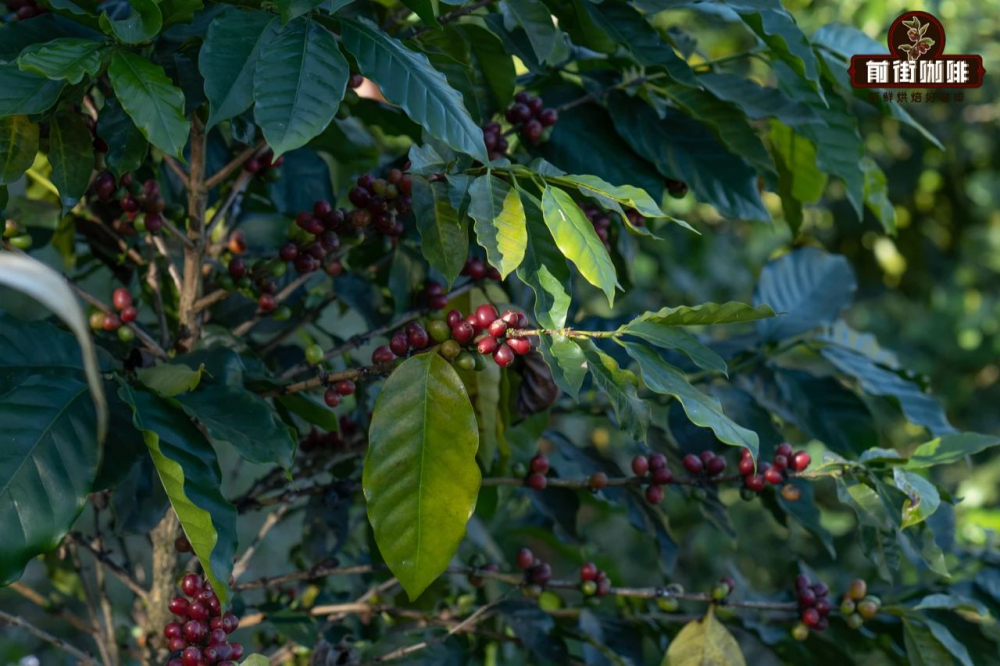
Regions around the world such as Brazil, Colombia, and Indonesia are not only renowned coffee-producing areas but also grow a diverse range of coffee tree species. Botanically classified under the Rubiaceae family and the genus Coffea, there are over a hundred known varieties, but only three are primarily used for commercial production: Arabica, Robusta, and Liberica. Among these, Arabica, valued for its delicate flavors and layered aromas, accounts for about 70%–75% of global coffee production and is mainly used in single-origin and specialty coffee. Robusta, on the other hand, is known for its high heat resistance, strong disease resilience, and high yield, and is commonly found in instant coffee and espresso blends.
From a flavor perspective, Arabica is generally regarded as the representative of high-quality coffee, but this doesn’t mean Robusta is inferior. In fact, consumers can choose based on their personal taste preferences. For example, the U.S. and Japanese markets favor the fresh and mild flavors produced by Arabica, while European regions often feature strong espresso blends that combine both Arabica and Robusta. A deeper understanding of the traits of these two major varieties will help you select the most flavorful coffee beans according to different brewing methods.

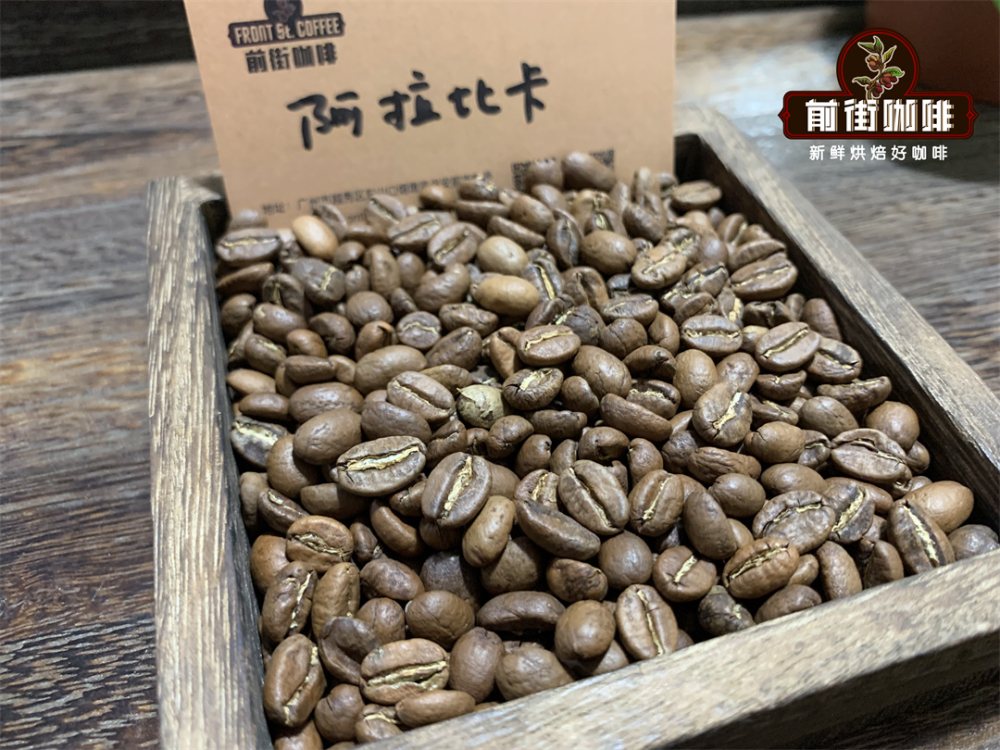
Arabica coffee originated in Ethiopia and later spread to East Africa, Asia, and other regions. It is typically cultivated at altitudes above 1500 meters, thriving in cool climates with significant day-night temperature variations. Thanks to these demanding growing conditions, Arabica beans often exhibit richer aromatic layers and a well-balanced acidity and sweetness, making them the archetype of premium coffee. World-renowned varieties such as Hawaiian Kona, Jamaican Blue Mountain, and Yemeni Mocha all belong to this species. Their green beans are slender in shape with a darker hue, and their flavors combine bright acidity, sweetness, and complex aromas, forming the foundation of the specialty coffee market.
The advantages of Arabica beans are not only reflected in taste but also in their genetic diversity, which has given rise to many well-known sub-varieties such as Typica, Bourbon, and Geisha. As one of the oldest Arabica lineages, Typica has had a profound genetic influence, with many modern varieties derived from it. For instance, both Jamaican Blue Mountain and Papua New Guinea’s “Little Blue Mountain” belong to the Typica lineage—the latter earned its name because it was introduced from Blue Mountain and cultivated in similar altitude and microclimatic conditions. Although Typica has exceptional flavor potential, it is susceptible to diseases and has relatively low yields, leading many regions to gradually shift to more disease-resistant varieties such as Catimor.
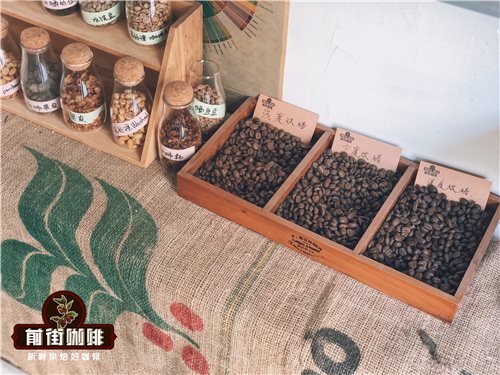
Catimor is a descendant of a hybrid between Arabica and Robusta, possessing good resistance to leaf rust and relatively stable yields. It is widely grown in places like Indonesia and Yunnan, China. Some producers have sourced Golden Mandheling from Indonesia, which uses the Catimor variety—offering a clean taste, high sweetness, and well-balanced fruit acidity. In Yunnan, there are both washed “small-grain coffee” and natural-processed Catimor; the former has a refreshing flavor, while the latter showcases a richer mouthfeel. Additionally, Maragogype, a natural mutation of Typica, is known for its exceptionally large beans—often more than three times the size of regular Arabica beans. It is mainly produced in Central American countries such as Guatemala, Mexico, and Nicaragua. Notably, beans from a certain well-known estate exhibit intense blackberry, dark plum, and citrus aromas in cupping, with a full body and distinct layered flavors, setting a benchmark for this variety.
In comparison, Robusta coffee is more adaptable, capable of withstanding high temperatures and harsh environments, and is generally cultivated at lower altitudes. This variety is highly resistant to diseases and boasts abundant yields, but its flavor often features a heavier bitterness and woody notes, with less noticeable acidity. As a result, it is commonly used in instant coffee or espresso blends to add intensity and body. Compared to Arabica, Robusta is more tolerant of soil conditions but still requires proper drainage and basic nutrient management, especially when grown at low altitudes where pest and disease control becomes even more critical.
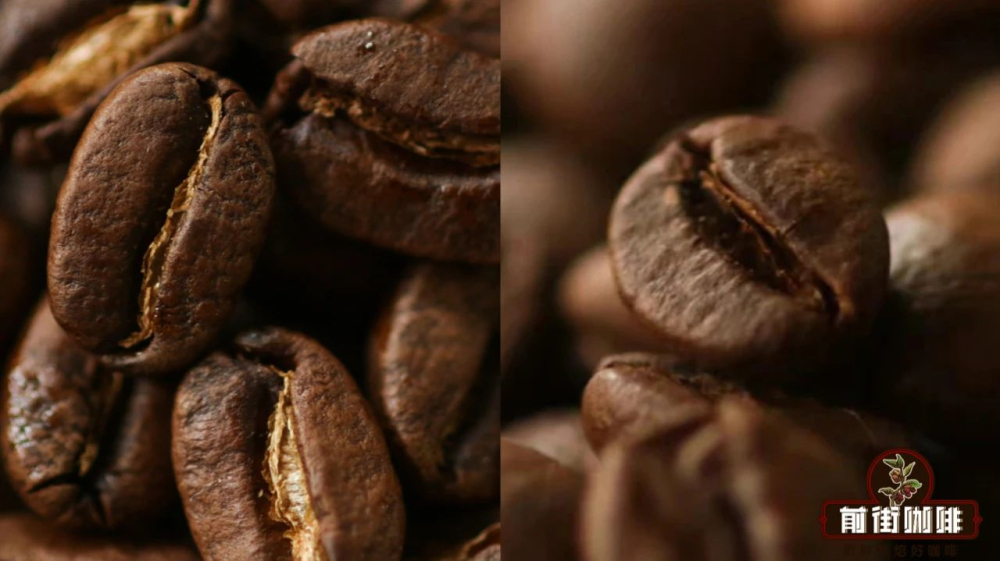
Given the respective strengths and weaknesses of Arabica and Robusta, coffee breeding experts have employed hybridization techniques to merge the advantages of both, developing new varieties that offer both good flavor and adaptability. One representative example is Castillo, developed in Colombia. This variety was bred through five generations of hybrid selection involving Timor (a hybrid offspring of Arabica and Robusta) and Caturra (a Bourbon variant), not only inheriting disease-resistant genes but also retaining relatively excellent flavor potential. It is now one of the main cultivated varieties in Colombia.
The real-world performance of the Castillo variety has also been validated in the market. Some producers have tasted two Castillo variety coffees from Colombia: San José and Sakura. The San José beans were meticulously washed and underwent rum barrel fermentation. Its processing steps included: selecting fully ripe fruits, fermenting them in water tanks for approximately 20 hours, then resting them in rum barrels over eight years old for three months, stirring daily to allow the beans to fully absorb the rum aroma, and finally drying them at room temperature. Cupping results showed that this coffee not only exhibited a unique rum aroma but also showcased rich tropical fruit flavors, delivering a distinctive taste profile and offering consumers a unique drinking experience.
The above content is compiled by CoffeeHunters, a coffee news website.


