







Introduction:Golden Mandheling is a top-tier specialty coffee from Sumatra, Indonesia, renowned for its unique herbal and woody aromas. This article delves into the regional characteristics of PWN Golden Mandheling, its wet-hulled processing method, and why medium-dark roasting brings out its classic profile of full body, low acidity, and spicy sweetness. It also provides practical pour over and extraction tips to help you fully experience the layered charm of this classic bean.
In the world of specialty coffee, Golden Mandheling has always been one of the most highly regarded Indonesian beans, especially favored by pour over enthusiasts. This Arabica coffee from Sumatra stands out in the market with its distinctive herbal notes, full body, and low acidity. The medium-dark roasting process further enhances its rich spices and caramel aromas, making it a classic favorite among many coffee lovers.
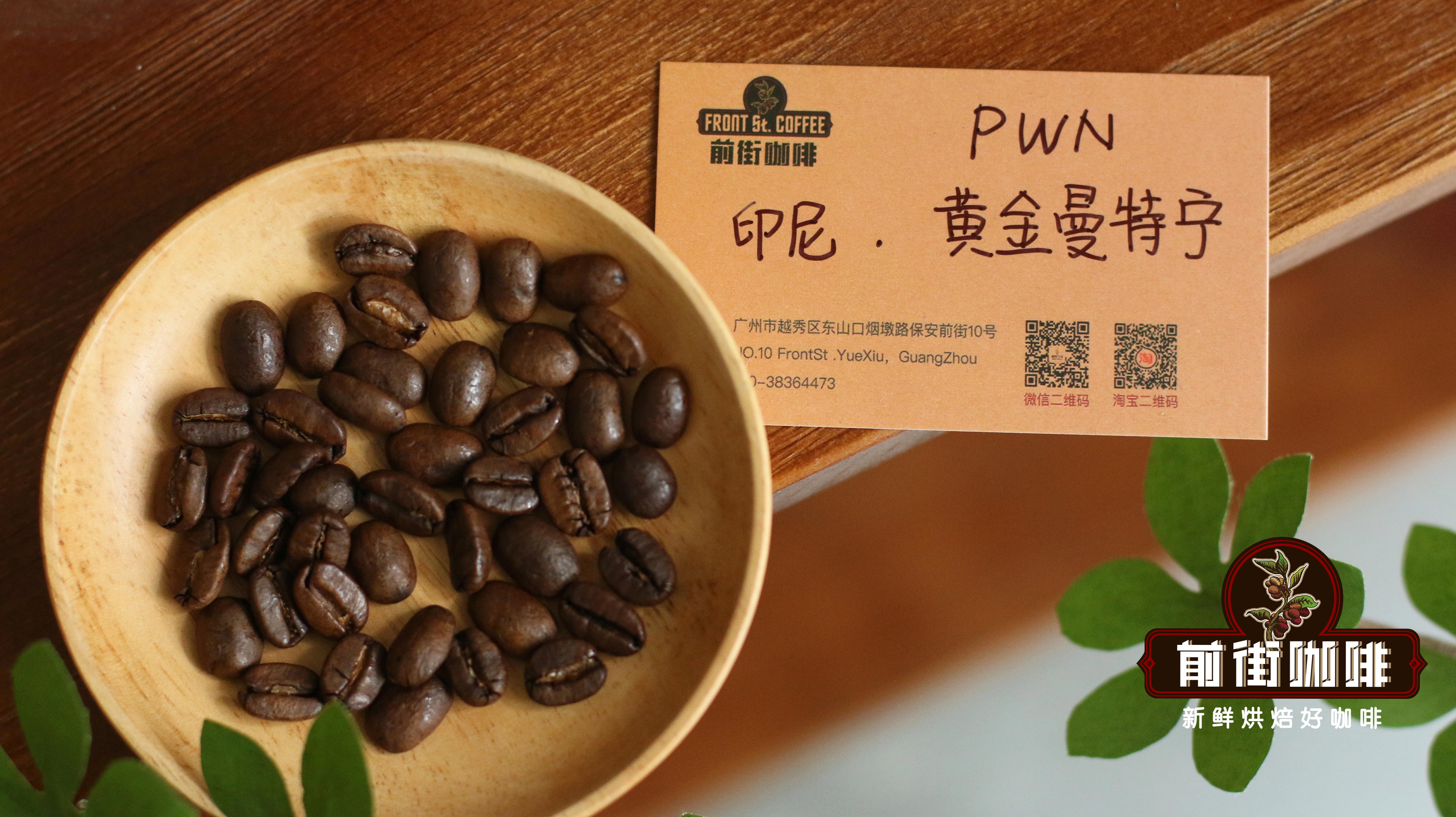
First, let’s explore the origins of Golden Mandheling. Despite the name “Mandheling,” it does not simply represent a grade from a specific region, but is a registered trademark under PWN (Pusat Niaga Wangi), an Indonesian coffee company. Established in 1957, PWN is a long-standing Indonesian coffee exporter and played a key role in successfully promoting the term “Mandheling” in the Japanese market. Notably, PWN selects only Grade 1 Arabica beans grown at high altitudes in Sumatra, and Golden Mandheling is even more meticulously chosen—undergoing at least three manual screenings and one mechanical grading process—with an extremely low defect rate, plump bean appearance, and uniform coloration, far exceeding the standard of regular G1 grade.
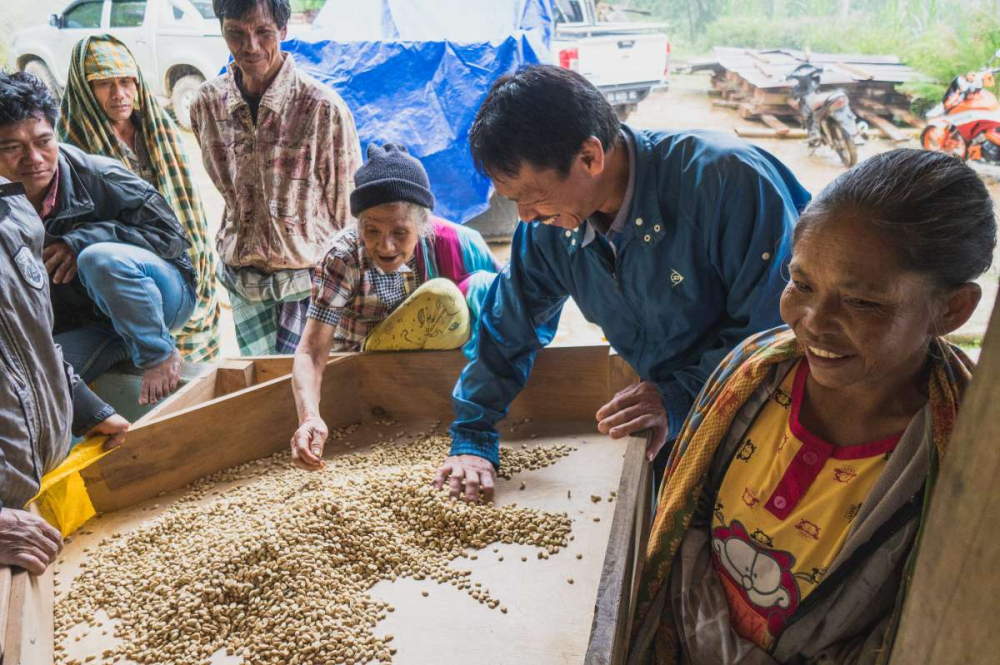
Sumatra’s geographical environment provides ideal conditions for coffee cultivation. The main producing areas are concentrated around Lake Toba and the Aceh region, at altitudes between 900 and 1600 meters, within a tropical rainforest climate with an average annual temperature of about 25 to 28°C, abundant and evenly distributed rainfall, offering a stable environment for coffee tree growth. However, due to the region’s high humidity and frequent rainfall, traditional sun-drying methods are difficult to carry out smoothly, so wet-hulling (Giling Basah) is commonly used to process coffee beans locally.
Wet-hulling involves removing the outer parchment layer while the coffee beans are not yet fully dry, and then continuing the drying process. This method results in unique herbal, woody, and even herbal-like flavors during subsequent storage, becoming a hallmark characteristic of Sumatran coffee. This is also why Golden Mandheling exhibits intense and layered herbal notes, distinctly setting it apart from coffees of other regions.
Next, let’s discuss why Golden Mandheling is typically medium-dark roasted. In the past, dark roasting was the mainstream in the global coffee market because it highlights the intense aroma and heavy body of coffee, aligning more closely with the public’s expectation of what “coffee flavor” should be. Mandheling is no exception—dark roasting enhances its inherent full body while reducing acidity, making the coffee’s spice, pine, and caramel aromas more prominent.
For Golden Mandheling, medium-dark roasting not only preserves its original regional characteristics but also further boosts the bean’s sweetness and richness. Roasted beans appear deep black, and when brewed, they emit complex aromas of clove, sandalwood, and herbs. The cup offers low and stable acidity, a smooth mouthfeel with distinct layers, and a finish that carries sweet notes of chocolate and caramel—making it highly suitable for coffee lovers who enjoy bold and full-bodied profiles.
So, how can you brew Golden Mandheling to bring out its best flavors? It is recommended to use a medium-fine grind, close to the coarseness of granulated sugar, with water temperature controlled between 90–92°C. Excessively high temperatures can accentuate the bitterness of dark roasted beans and affect flavor balance. For pour over, a three-stage pouring method is advisable, using approximately 240–260 milliliters of water per 15 grams of coffee grounds, with a slower pouring pace to allow the coffee grounds to fully bloom and release their aromas.
Additionally, if you prefer a bolder taste, you can slightly extend the extraction time, but be careful not to over-extract, as this may bring out excessive woody or smoky flavors. Conversely, if you desire a brighter and cleaner profile, you can reduce the coffee-to-water ratio or slightly adjust the grind to a coarser setting to achieve better balance between acidity and sweetness.
Whether enjoyed as a daily pour over or paired with breakfast as a single-origin (SOE) coffee, Golden Mandheling showcases its versatile charm. If you’re using other brewing devices such as a moka pot or AeroPress, you can also fine-tune parameters based on the equipment’s characteristics to explore different flavor expressions across brewing methods. In short, this classic Indonesian coffee is well worth your careful tasting and experimentation to find your own optimal extraction flavor.
The above content is compiled by CoffeeHunters, a coffee news website.


