








Introduction:There are many types of coffee beans, but the mainstream still consists mainly of Arabica and Robusta. This article takes an in-depth look at the differences between these two major species—from altitude adaptability, flavor profiles to common sub-varieties such as Typica, Bourbon, and Maragogype—and guides you through their performance in pour over or espresso extraction, helping you make a smarter choice based on your taste preferences.
Worldwide regions such as Brazil, Colombia, and Indonesia are all renowned coffee-producing areas. Each region, due to differences in climate, altitude, and processing methods, produces coffee beans with vastly different flavors. From a botanical perspective, coffee belongs to the Rubiaceae family, with about eighty known species. Among them, the three most common and commercially cultivated varieties are Arabica, Robusta, and Liberica. Among these, Arabica is generally considered the top choice for specialty coffee due to its delicate flavors and rich aromas, while Robusta is valued for its high yield and strong disease resistance, and is commonly used in instant coffee or blends. Understanding these basic classifications is the foundation for further exploring the world of coffee.

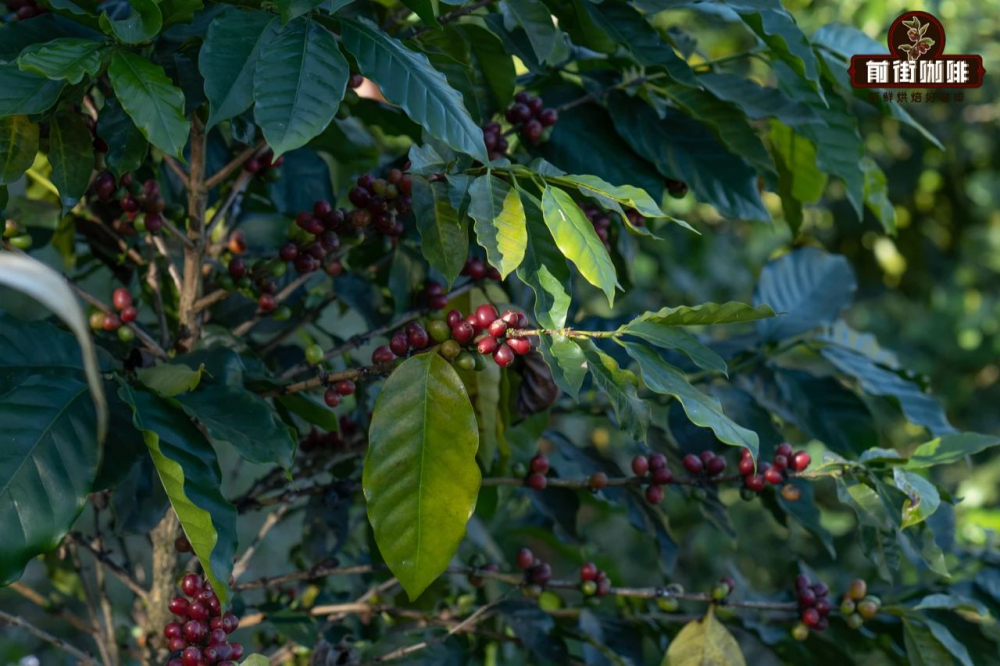
Arabica is the most popular coffee variety, accounting for about 70% to 75% of global coffee production. It originated in Ethiopia and thrives in high-altitude regions, especially above 1500 meters, where large day-night temperature differences help the coffee cherries mature slowly and accumulate richer flavor compounds. Arabica beans are usually long and narrow in shape with a darker green color. Their flavors are known for bright acidity, multi-layered aromas, and good sweetness, making them the mainstay of single-origin and specialty coffees. For example, the famous three top-tier coffees—Hawaiian Kona, Jamaican Blue Mountain, and Yemen Mocha—all belong to the Arabica family.
However, Arabica also has its limitations. It is more susceptible to pests and diseases, especially coffee leaf rust, which requires stricter cultivation management and suitable altitude conditions. In addition, there are several well-known sub-varieties under Arabica, such as Typica, Bourbon, and Geisha, each exhibiting distinct flavor characteristics and often sought after by coffee enthusiasts for a unique tasting experience.
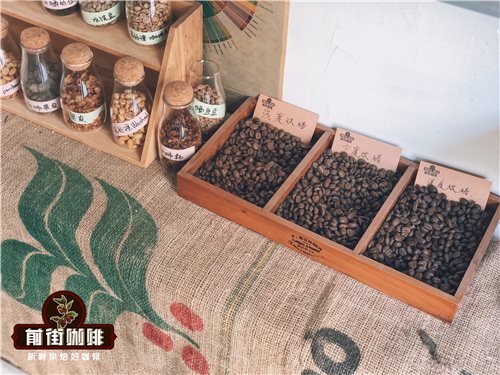
Typica is one of the oldest Arabica varieties and is considered the "ancestor" of many modern varieties, including Jamaican Blue Mountain and Papua New Guinea’s “Small Blue Mountain.” These beans typically have clean acidity, soft body, and delicate aromas, making them a classic favorite among specialty coffee lovers. However, Typica has low resistance to diseases and relatively limited yield, so it has gradually been replaced by other more disease-resistant varieties. For instance, in Indonesia and Yunnan, China, Typica was once the dominant variety, but due to the ravages of coffee leaf rust, it has largely been replaced by the more disease-resistant Catimor.
Catimor is a hybrid variety developed from multiple crosses, known for its high yield and disease resistance, and is widely planted in Southeast Asia and Yunnan, China. Some have tasted Golden Mandheling from Indonesia (a Catimor variety), noting its clean flavor profile, pronounced sweetness, and balanced fruit acidity. In Yunnan, depending on processing methods, Catimor can showcase either the brightness of washed profiles or the richness of natural sun-dried versions, making it suitable for consumers who enjoy diverse flavor profiles.
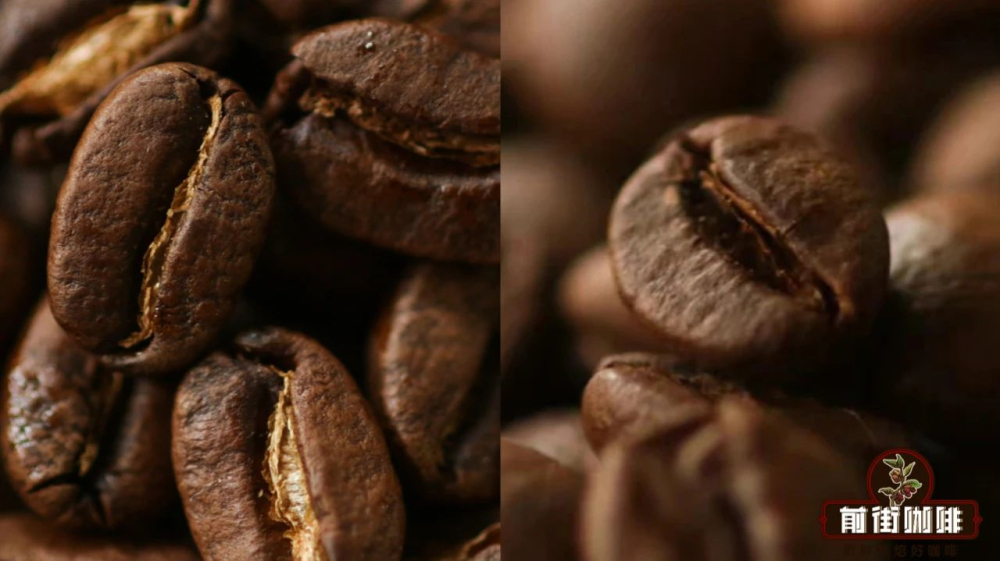
Additionally, Maragogype is a natural mutation of Typica, famous for its exceptionally large bean size, which can be more than three times that of a typical Arabica bean. Maragogype is mainly found in Central America, such as Guatemala, Mexico, and Nicaragua, with beans from Nicaragua’s Mamamina Estate receiving particularly high praise. When grown at high altitudes (typically above 1500 meters), Maragogype often features prominent sweetness, intense aroma, full body, and soft acidity, earning it the nickname “Central American Blue Mountain.” In contrast, those grown at lower altitudes tend to have more muted flavors and less distinctive characteristics.
As for Robusta, it is another major cultivated species, accounting for about 25% to 30% of global production. Robusta thrives in low-altitude, hot, and humid regions, with extremely strong resistance to pests, diseases, and environmental stress, as well as significantly higher yields compared to Arabica. However, Robusta generally has a stronger, more bitter flavor, lower acidity, and less refined aroma than Arabica, so it is mostly used in instant coffee, three-in-one coffee, or espresso blends to enhance crema thickness and the overall “body” of the coffee.
Robusta beans are usually rounder and larger than Arabica beans, with a more pronounced arch along the center line. Although Robusta is generally considered to be of lower quality, there are actually many high-altitude or specially processed Robustas that show surprising potential, especially in regions like Vietnam and Indonesia’s Sulawesi, where some Robusta flavors are gradually being re-evaluated.
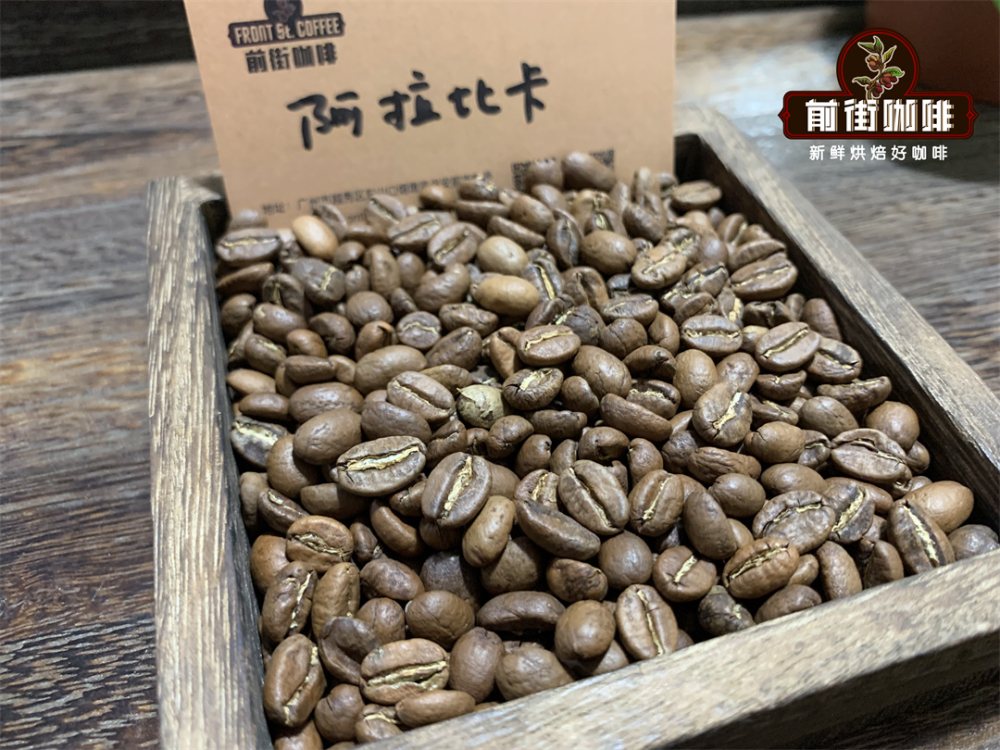
To combine the advantages of both Arabica and Robusta, scientists have successfully cultivated several hybrid varieties, the most representative of which is Castillo from Colombia. Castillo is the result of multi-generational selection and breeding between Timor (a hybrid of Arabica and Robusta) and Caturra (a mutation of Bourbon), offering a combination of disease resistance, high yield, and decent flavor potential. It is one of the main planted varieties in Colombia. Some have tasted Castillo coffee processed using special methods, such as Colombian San Jose beans fermented in rum barrels, which exhibit intense tropical fruit aromas and unique wine-like notes, delivering an impressive performance.

In summary, Arabica and Robusta each have their suitable scenarios and flavor characteristics. If you prefer pour over coffee with bright acidity and delicate aromas, Arabica is undoubtedly your best choice; if you’re after a bold flavor or often drink instant or espresso coffee, Robusta also plays an indispensable role. Understanding these basic classifications and common varieties not only helps you make more informed choices when purchasing coffee beans, but also allows you to adjust brewing parameters to better bring out the optimal flavor of the beans.
The above content is compiled by CoffeeHunters, a coffee news website.


