








Introduction:The Ethiopian Kafa Forest is hailed as the genetic cradle of Arabica coffee, home to over 5,000 species of wild coffee trees. This article takes you deep into this highland forest, ranging from 1,400 to 2,100 meters above sea level, to explore its unique ecological environment, the charm of its native varieties, and the citrusy floral notes brought by washed processing, while analyzing the key parameters that influence flavor to help you better understand this highly representative wild coffee.
In the Kafa Biosphere Reserve in western Ethiopia, within the shaded highland environment at elevations between 1,400 and 2,100 meters, wild coffee trees thrive under the nourishment of red soil and abundant rainfall. This vast forest, covering more than 760,000 hectares, is not only one of the world’s largest gene banks of wild Arabica coffee, but also considered the birthplace of many modern coffee varieties. The introduced Kafa Forest coffee beans, after being medium-light roasted, emit a subtle white floral aroma when ground. When brewed, they present a refreshing citrus acidity on the palate, accompanied by bright fruitiness of sweet orange and bergamot, with a lingering finish of melon and nut-like gentle sweetness — the overall mouthfeel is as clean and fresh as green tea.
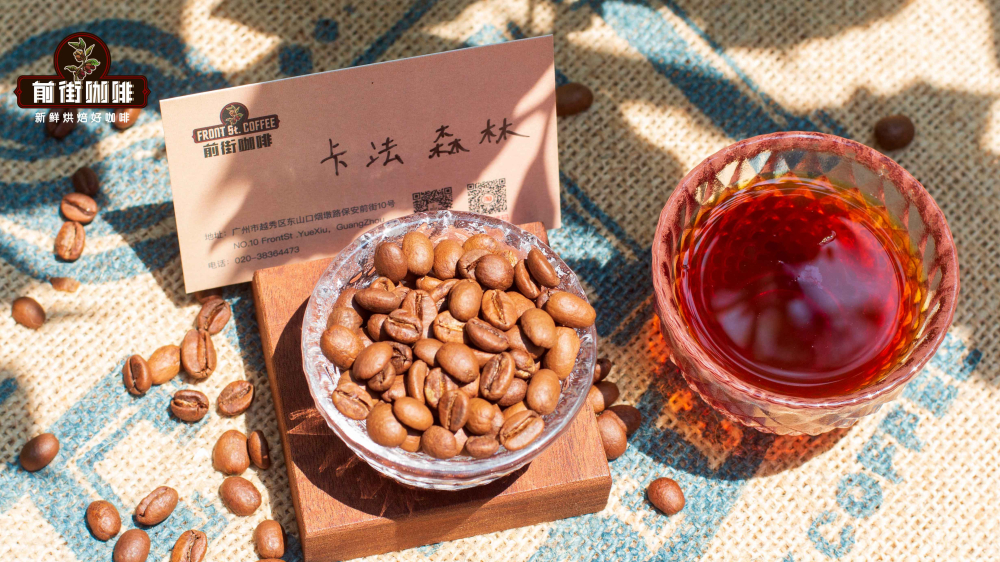 Unlike large-scale plantation-grown coffee, the coffee in the Kafa Forest relies entirely on natural ecological propagation. These wild coffee trees grow under the shade of tall trees, benefiting from the plateau’s unique microclimate, mineral-rich red soil, and consistent high rainfall, all of which contribute to their distinctive flavor potential. The selected Kafa Forest batch is processed using the washed method and medium-light roasted to preserve its native flavor characteristics, allowing you to fully experience its natural layers of citrus and floral nuances when tasting.
Ethiopia’s geography is highly contrasting — the east consists of dry deserts and semi-desert terrains, while the west encompasses vast tropical rainforests and alpine ecosystems. The Kafa Biosphere Reserve is located precisely at the intersection of the Gambela, Oromia, and SNNPR regions in the country’s west, making it one of the greenest areas in Ethiopia and an important habitat for wild Arabica coffee trees. Notably, it is said that the legendary coffee variety ‘Geisha’ originated in the western part of the Kafa region.
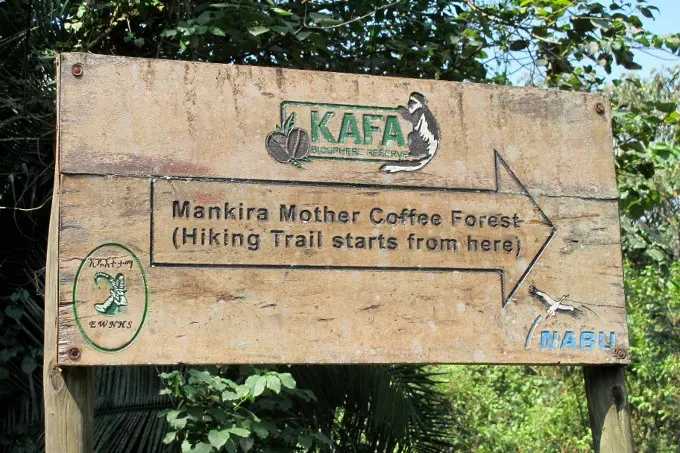 According to data from the German Nature and Biodiversity Conservation Union, the Kafa Biosphere Reserve covers a total area of approximately 760,144 hectares, of which forested land accounts for over 422,260 hectares, more than 50% of the entire area. Through long-term natural evolution, the region has nurtured as many as 5,000 different species of coffee trees, earning it the title of ‘natural genetic museum of Arabica coffee.’ Walking into this forest, you’ll find landscapes similar to typical cloud forests: layered mountains, dense vegetation, humid air, nutrient-rich soil, and rich biodiversity. The difference is that the coffee trees here are not planted by humans, but are wild populations naturally scattered under tall shade trees, continuing their life cycle through seed dropping and natural germination.
However, long-term human activities such as land clearing and illegal logging have posed serious challenges to this precious primeval forest. Statistics from the United Nations Food and Agriculture Organization show that between 1988 and 2008, about 11,000 hectares of the Kafa Forest were destroyed each year. If this trend continues, this forest, rich in invaluable genetic resources, may completely disappear within the next 10 to 20 years.
To protect this globally important coffee gene bank, since 2010, the original Kafa forest area has been included in the international biosphere reserve list under the United Nations NABU organization, and a series of conservation programs for wild Arabica coffee have been initiated. Currently, around 30 coffee producer cooperatives have been established in the vicinity of the reserve, dedicated to harvesting naturally ripe red coffee cherries from the forest, ensuring the continued propagation of wild varieties, and supplying them to coffee lovers worldwide to enjoy their unique flavors.
To deeply experience the flavor characteristics of Kafa Forest wild coffee, a washed Kafa Forest batch was specially selected and processed with medium-light roasting to enhance the clarity of its floral and fruity notes. Cupping was conducted 24 hours after roasting, revealing a dry aroma of elegant white floral notes, fresh lemony tones, and citrus peel aromas akin to oranges. After pouring water, the aroma of ripe apricot and sweet orange becomes even more pronounced.
Upon tasting, the first impression is a bright and clean fruit acidity, interwoven with layers of lemon, sweet orange, nectarine, green tea, and a hint of caramel. As the temperature cools, the juiciness of apricot and green grapes gradually emerges, resulting in a light and vibrant mouthfeel. After drinking, a sweet aftertaste of melon and nuts lingers on the palate, leaving a memorable impression. This coffee not only showcases the unique personality of the wild varieties from the Kafa Forest but also confirms the crucial role of the natural ecosystem in shaping its flavor.
The above content is compiled by CoffeeHunters, a coffee news website.


